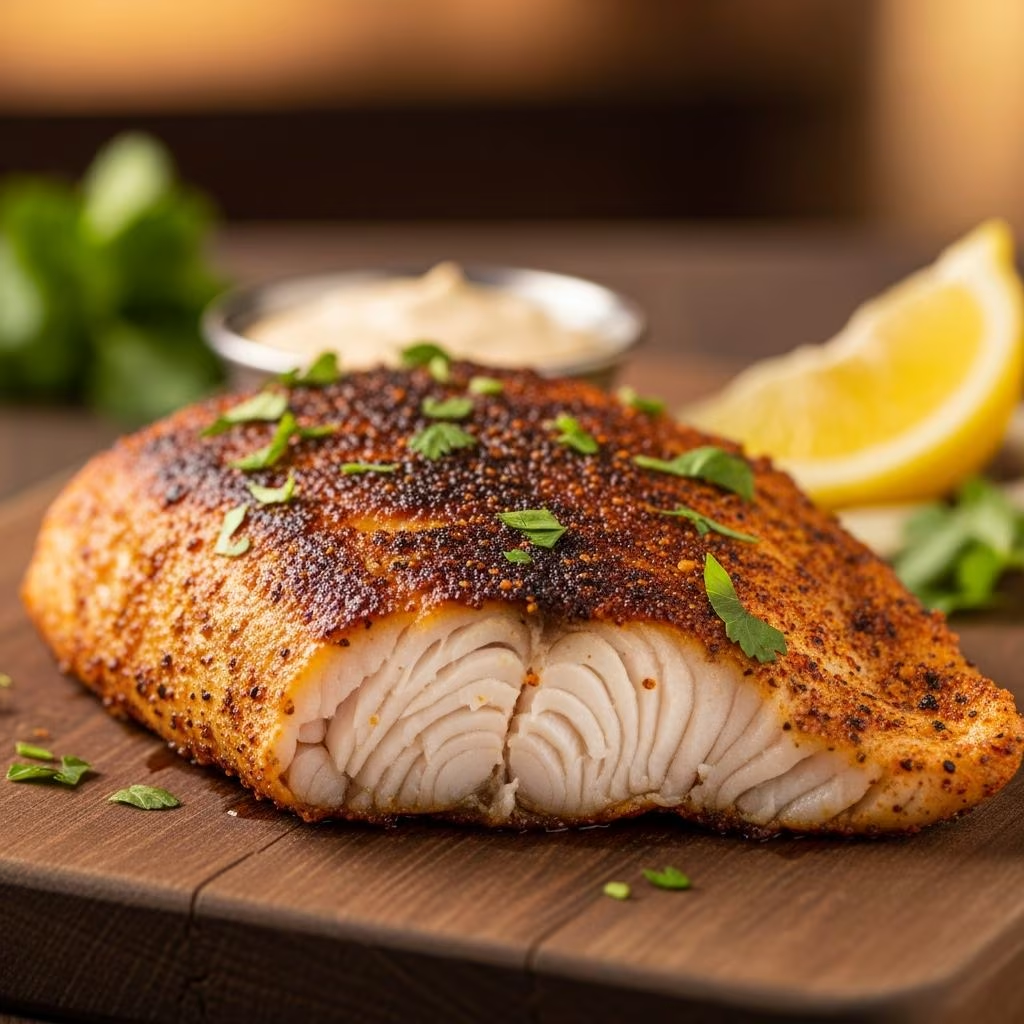
Creating a memorable seafood dinner doesn’t require specialized culinary training or expensive restaurant equipment. With the right technique and quality ingredients, you can transform simple red snapper fillets into a stunning main course that rivals what you’d find in upscale dining establishments. This guide will walk you through the complete process of preparing pan-fried blackened red snapper, a dish that combines bold flavors with elegant simplicity.
Understanding the Blackening Technique
Blackening is a cooking method originating from Cajun cuisine that creates a distinctive dark, flavorful crust on the surface of protein while keeping the interior tender and moist. The technique involves coating food in a spice mixture and searing it at high heat in a well-oiled pan. This method is particularly effective for fish because the high temperature creates a Maillard reaction—a chemical process that develops complex flavors and appealing visual contrast.
The beauty of this preparation lies in its versatility. While red snapper is an excellent choice due to its mild flavor and firm texture, the blackening method works equally well with other fish varieties. The key to success is understanding how temperature, timing, and seasoning work together to create the desired outcome.
Essential Ingredients and Seasonings
The foundation of blackened red snapper begins with quality ingredients. Here are the components you’ll need:
| Component | Purpose | Recommended Amount |
|---|---|---|
| Red snapper fillets | Primary protein | 2-4 fillets (6-8 oz each) |
| Smoked paprika | Creates depth and smokiness | 2 teaspoons per 2 fillets |
| Cayenne pepper | Adds heat and complexity | 1/2 to 1 teaspoon |
| Garlic powder | Provides aromatic base | 1 teaspoon |
| Onion powder | Enhances savory profile | 1 teaspoon |
| Dried herbs | Contributes herbal notes | 1/2 teaspoon each (thyme, oregano) |
| Sea salt and black pepper | Season and balance flavors | 1/2 to 1 teaspoon salt total |
| Olive oil or butter | Medium for cooking and flavor | 2-3 tablespoons total |
The choice between using paprika or smoked paprika can significantly influence the final flavor profile. Smoked paprika imparts a more robust, authentic Cajun character, while regular paprika provides milder sweetness. You can customize the spice level by adjusting the cayenne pepper amount—start with less if you prefer a gentler heat and build from there.
Preparing Your Red Snapper Fillets
Proper preparation is crucial for achieving the best texture and ensuring the seasoning adheres properly. Begin by patting your red snapper fillets completely dry using paper towels. Moisture on the surface can prevent proper browning and create steam, which interferes with the development of the desired crust. If your fillets were previously frozen, ensure they’ve fully thawed and reached room temperature before cooking.
Once dry, lightly brush each fillet with olive oil or melted butter on both sides. This light coating serves multiple purposes: it helps the seasoning mixture stick to the fish, prevents sticking to the pan, and contributes to browning. Use just enough to create a thin film—you’re not trying to coat the fish in oil, but rather create enough moisture for the spices to adhere.
Next, prepare your seasoning blend by combining all dry ingredients in a small bowl and stirring thoroughly to ensure even distribution. This step prevents hot spots of concentrated spice in your finished dish. Generously coat both the top and bottom of each fillet, pressing the spice mixture gently into the flesh. Don’t be shy—the coating should be visible and substantial, as this creates the characteristic dark, flavorful crust.
Cooking Process and Temperature Control
The cooking vessel you choose matters considerably. A cast iron skillet or heavy-bottomed stainless steel pan works best because these materials retain heat effectively and conduct it evenly, essential for creating the proper crust. Avoid non-stick cookware for this application, as it typically cannot withstand the high temperatures required for proper blackening.
Place your chosen pan on the stovetop and heat it over medium-high heat for approximately two minutes. This preheating is essential—a properly heated pan ensures immediate contact between the seasoned fish and the hot surface, triggering the crust formation. Add your cooking fat (olive oil, butter, or a combination) and allow it to become hot and shimmering. You’ll know it’s ready when the oil moves freely across the pan surface and small wisps of smoke may appear.
Carefully place your seasoned fillets into the hot pan, flesh-side down, and resist the urge to move them. This is critical: leave the fish undisturbed for 3-4 minutes to allow a dark brown crust to develop. Moving the fish prematurely prevents proper browning and can cause the coating to stick unevenly. If your pan begins smoking excessively, reduce the heat slightly to medium, though some smoke is normal and desired in this cooking method.
After 3-4 minutes, use a sturdy metal spatula to gently slide underneath each fillet. If resistance is met, the crust hasn’t fully formed; wait another minute before attempting to flip. Once the fish releases easily, carefully turn each fillet over and continue cooking for an additional 2-3 minutes on the skin side. At this stage, you can press the back of your spatula gently against the fillet to keep the skin in contact with the pan, ensuring even cooking and additional crust development.
Determining Doneness
Knowing when your blackened red snapper is perfectly cooked requires understanding the visual and textural cues. The fish should appear opaque throughout when you check the thickest part, and it should flake easily with the gentle pressure of a fork. An instant-read meat thermometer is the most reliable method—fish is safely cooked when the internal temperature reaches 145°F at the thickest part.
Resist the temptation to overcook, as this results in dry, tough flesh that diminishes the quality of your dish. Red snapper is a delicate fish that cooks quickly; the brief cooking time is part of what makes this preparation so successful for weeknight dinners.
Complementary Serving Suggestions
Blackened red snapper’s bold flavors pair beautifully with various accompaniments. Fresh lemon wedges served alongside provide brightness and acidity that complements the rich, spiced crust. A simple garnish of freshly chopped parsley adds color, freshness, and a subtle herb note that enhances the presentation.
Consider these serving options to elevate your meal:
- Vibrant salsas such as pineapple-jalapeño or fresh peach combinations that provide fruit-forward contrast
- Creamy sauces like roasted red pepper coulis that balance the spice and add richness
- Light grain sides including cilantro-lime rice or quinoa that won’t overpower the fish
- Roasted or grilled vegetables such as asparagus, zucchini, or bell peppers for a complete plate
- Simple green salads dressed with vinaigrette to provide freshness and textural variety
- Steamed or sautéed leafy greens like spinach or kale for added nutrition
Frequently Asked Questions
Can I prepare blackened red snapper in advance?
While the seasoning can be applied to the fish up to an hour before cooking and stored in the refrigerator, this dish is best cooked fresh and served immediately. The crust begins to soften over time, and reheating can compromise the texture. If you must prepare components in advance, make the seasoning blend and any accompanying sauces or garnishes ahead of time.
What should I do if the seasoning burns before the fish cooks through?
This typically occurs when heat is too high. Reduce the temperature to medium or even medium-low and continue cooking. The exterior won’t achieve as dark a crust, but the fish will cook through evenly. Alternatively, you can finish the fish in a preheated 400°F oven for 5-7 minutes after the initial searing.
Can I substitute red snapper with other fish?
Yes, this technique works well with firm-fleshed fish varieties including mahi-mahi, grouper, halibut, or even salmon. Cooking times may vary slightly depending on thickness and the specific fish chosen.
Is blackened red snapper suitable for meal preparation?
This dish is best enjoyed immediately after cooking due to the importance of the crust texture. However, cooked fish can be stored in an airtight container for up to three days and gently reheated in a low oven, though the crust will lose some of its crispness.
How can I adjust the spice level?
Reduce or eliminate cayenne pepper for a milder version, or add additional cayenne for more heat. You can also experiment with different paprika varieties or include red pepper flakes for additional complexity.
Tips for Success
Achieving restaurant-quality results at home requires attention to detail. Start with the freshest red snapper available, preferably from a reputable fishmonger who can provide information about the fish’s source and handling. Ensure your skillet is sufficiently hot before adding the fish—insufficient heat results in steaming rather than searing, producing a pale exterior instead of the desired dark crust.
Don’t fear the smoke that emerges during cooking; this is a normal and desirable part of the blackening process. However, ensure adequate ventilation in your kitchen by opening windows or using an exhaust hood to manage smoke levels. Using a combination of butter and oil, rather than butter alone, raises the smoke point and allows for higher heat without burning.
Finally, invest in quality seasonings. Pre-ground spices lose potency over time, so replace your spice collection annually if possible. Fresh, flavorful spices make a noticeable difference in the final dish, transforming blackened red snapper from ordinary to extraordinary.
References
- Blackening Cooking Method Guide — National Center for Home Food Preservation, University of Georgia. https://nchfp.uga.edu/
- The Maillard Reaction in Cooking — McGee, Harold. On Food and Cooking. Scribner, 2004. ISBN 0-684-80001-8.
- Paprika vs. Smoked Paprika: Culinary Uses and Flavor Profiles — The Spice House. https://www.thespicehouse.com/
- Fish Cookery and Heat Conduction — U.S. Food and Drug Administration (FDA) Food Safety Guidelines. https://www.fda.gov/food/cfsan-risk-based-preventive-controls-compliance-assistance
- Seafood Safety and Proper Internal Temperature — USDA Food Safety and Inspection Service (FSIS). https://www.fsis.usda.gov/