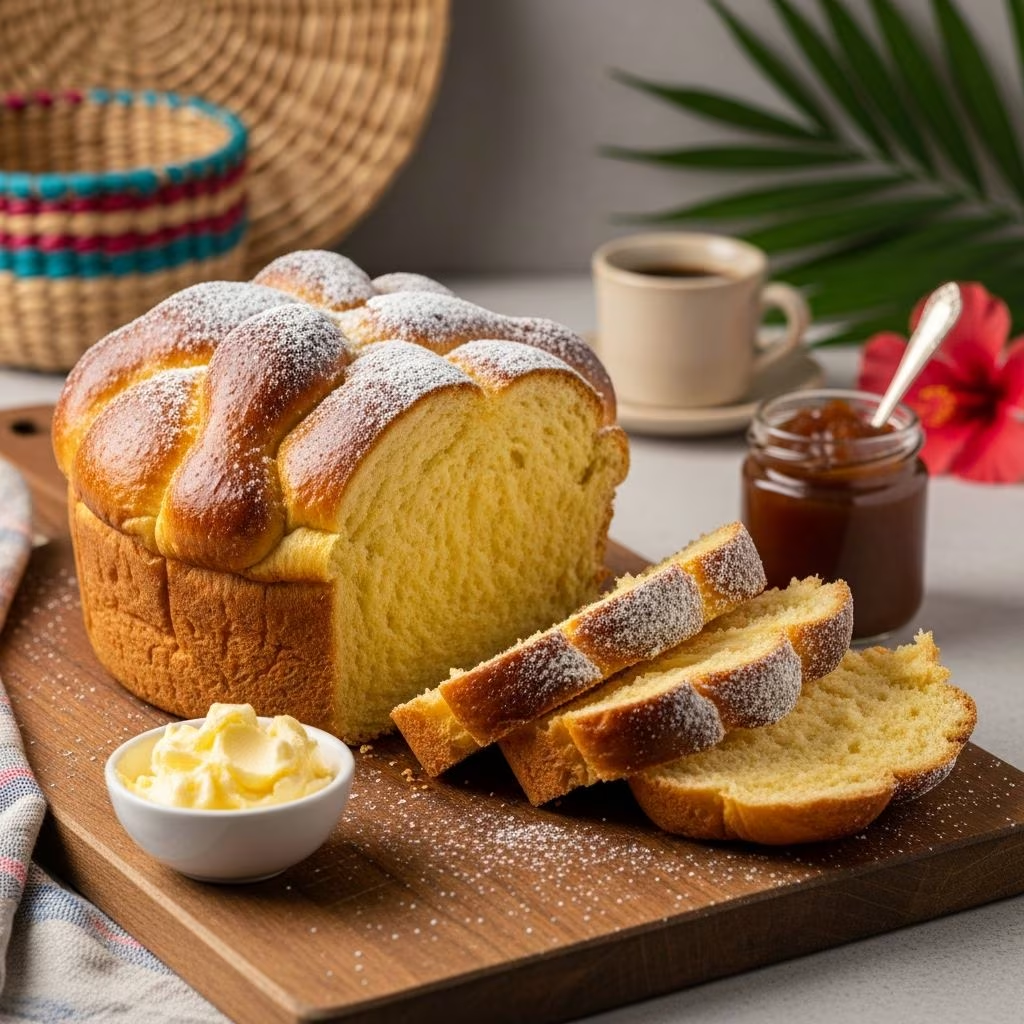
Pan de Mallorca, also known as Mallorca bread, stands as a cherished staple in Puerto Rican cuisine, offering a delightful blend of sweetness, fluffiness, and buttery richness. These coiled rolls, generously dusted with powdered sugar, evoke the warmth of island mornings paired with strong coffee. Originating from Spanish ensaïmadas but adapted with local flair, they represent a fusion of cultures that has captivated bakers worldwide.
The Origins and Cultural Significance of Pan de Mallorca
Tracing back to the Balearic Island of Mallorca in Spain, ensaïmadas were traditional spiral pastries made with lard, flour, and sugar. Puerto Rican immigrants brought this concept to the island, transforming it into Pan de Mallorca by incorporating more eggs, butter, and milk for an even softer texture. Today, these rolls are ubiquitous in Puerto Rican bakeries, often enjoyed plain, filled with ham and cheese, or as a base for French toast.
In Puerto Rico, Pan de Mallorca transcends mere food; it’s a symbol of family gatherings and daily rituals. Bakeries like those in San Juan serve them fresh from the oven, creating long lines of locals and tourists alike. The bread’s versatility allows it to shine in sweet applications or savory sandwiches, where the powdered sugar melts into a glaze by the next day.
Essential Ingredients for Authentic Flavor
The magic of Pan de Mallorca lies in its enriched dough, packed with egg yolks for tenderness, butter for richness, and sugar for subtle sweetness. Common ingredients across recipes include bread flour for structure, yeast for lift, milk or water for hydration, and a generous amount of butter.
Key components typically feature:
- Bread flour: Provides gluten strength for the signature fluffy interior (around 4-6 cups or 500-700g).
- Egg yolks: 3-8 yolks add moisture, color, and emulsification (about 50-150g).
- Butter: 1-3 sticks (113-340g), melted or softened, for buttery layers.
- Sugar: Granulated (60-140g) for dough sweetness.
- Yeast: Active dry or instant (7g or 1 packet) to activate rise.
- Liquids: Milk and water (125-500ml total) for hydration.
- Salt: A pinch (1/4-1 tsp) to balance flavors.
Finishing touches include melted butter for brushing and powdered sugar for dusting, creating a crisp, snowy exterior.
Step-by-Step Guide to Baking Pan de Mallorca
Baking these rolls requires patience, but the results are rewarding. Start with proofing yeast in warm liquids, mix in enrichments, knead or no-knead, shape into coils, proof again, bake, and dust.
Preparing the Dough
- Warm milk or water to about 100°F (38°C). Dissolve yeast and a teaspoon of sugar; let foam for 5-10 minutes.
- Whisk in egg yolks, melted butter, remaining sugar, and salt. Gradually add flour until a shaggy dough forms.
- Knead for 5-10 minutes (or no-knead for 1.5 hours rise) until smooth and elastic. The dough should be soft and slightly sticky.
Shaping the Iconic Coils
Roll the risen dough into a long rectangle (about 20×12 inches), brush with melted butter, then cut into 12-16 strips. Roll each strip tightly into a snail-like coil and place on a parchment-lined baking sheet.
Baking and Finishing
- Proof coils for 45-60 minutes until puffed. Bake at 350°F (175°C) for 15-20 minutes until golden.
- Brush hot rolls with more melted butter. Cool slightly, then dust heavily with powdered sugar.
A standard recipe yields 12 large rolls, perfect for sharing.
Recipe Table: Classic Pan de Mallorca Yields 12 Rolls
| Ingredient | Quantity | Purpose |
|---|---|---|
| Bread Flour | 520g (4 cups) | Structure and chew |
| Active Dry Yeast | 7g (2¼ tsp) | Leavening |
| Warm Milk | 185ml (¾ cup) | Hydration |
| Warm Water | 125ml (½ cup) | Hydration |
| Egg Yolks | 3 large | Tenderness |
| Granulated Sugar | 100g (½ cup) | Sweetness |
| Unsalted Butter, melted | 170g (12 tbsp) + extra | Richness |
| Salt | ½ tsp | Flavor balance |
| Powdered Sugar | For dusting | Finishing touch |
Adapted from common preparations.
Variations and Modern Twists
While traditional Pan de Mallorca is yeast-based, innovative bakers experiment freely. Try a sourdough version by incorporating 60g stiff starter (10g starter, 25g water, 50g flour) for tangy depth, reducing yeast to 0.5g. A no-knead method simplifies prep: mix shaggy dough, rise 1.5 hours, then proceed.
- Filled rolls: Stuff with guava paste, cheese, or chocolate before coiling.
- Smaller sizes: Cut strips narrower for bite-sized treats.
- Glaze alternative: Mix corn syrup, sugar, and water for shine before powdering.
- Vegan adapt: Use plant milk, aquafaba for yolks, and vegan butter.
These tweaks maintain the bread’s essence while suiting dietary needs.
Tips for Perfectly Fluffy Rolls Every Time
Achieve bakery-quality results with these pro techniques:
- Use bread flour over all-purpose for better rise.
- Ensure all ingredients are at room temperature to prevent curdling.
- Don’t rush proofing; warm spot (75-80°F) ideal.
- Brush butter post-bake for softness lock-in.
- Heavy powdered sugar dusting creates the signature melt.
- Store in airtight container; refresh in toaster.
Common pitfalls: Over-kneading toughens dough; under-proofing yields dense rolls.
Serving Suggestions and Pairings
Pan de Mallorca shines solo, dusted and warm, but elevates meals:
- Classic: With café con leche or hot chocolate.
- Savory: Sliced for ham-cheese sandwiches, toasted.
- Dessert: French toast with maple syrup.
- Party: Mini versions with fruit dips.
By day two, sugar-infused bread makes ideal grilled cheese bases.
Frequently Asked Questions (FAQs)
Can I make Pan de Mallorca without eggs?
Substitute with aquafaba or flax eggs, though texture may be less tender.
How long do they keep?
2-3 days at room temp, or freeze baked rolls up to a month.
Why use egg yolks specifically?
Yolks provide fat and lecithin for superior softness and color.
Is bread flour necessary?
Preferred for gluten, but all-purpose works with adjusted hydration.
Can I add flavors like orange zest?
Yes, zest or vanilla enhances without overpowering.
Storage and Freezing Guide
| Method | Duration | Tips |
|---|---|---|
| Room Temp | 2-3 days | Airtight bag; sugar may melt |
| Refrigerator | 5 days | Not ideal; dries out |
| Freezer (baked) | 1 month | Wrap individually, thaw & toast |
| Freezer (dough) | 3 months | Shape first, proof after thaw |
Proper storage preserves fluffiness.
Mastering Pan de Mallorca brings Puerto Rican joy to your kitchen. With its simple yet indulgent profile, this bread invites experimentation and tradition in every bite.
References
- Mallorca Bread: Soft Puerto Rican Sweet Rolls — Natasha’s Baking. Accessed 2026. https://natashasbaking.com/mallorca-bread-soft-puerto-rican-sweet-rolls/
- Mallorca bread: good, fluffy and easy to make at home! — Cookist Wow (YouTube). Accessed 2026. https://www.youtube.com/watch?v=aM_IT-H9UsU
- Pan de Mallorca (Puerto Rican Sweet Rolls) — Tara’s Multicultural Table. Accessed 2026. https://tarasmulticulturaltable.com/pan-de-mallorca-puerto-rican-sweet-rolls/
- Mallorca Bread: Puerto Rican Sweet Bread Rolls — The Noshery. Accessed 2026. https://thenoshery.com/mallorca-bread-soft-puerto-rican-sweet-bread-rolls/
- Pan de Mallorca Recipe — House Full of Monkeys. Accessed 2026. https://www.housefullofmonkeys.com/pan-de-mallorca/
- Mallorcas- Puerto Rican Breakfast Sweet Rolls — Sense & Edibility. Accessed 2026. https://senseandedibility.com/mallorcas/
- No-Knead Mallorca Bread — Woman Scribbles. Accessed 2026. https://www.womanscribbles.net/no-knead-mallorca-bread/