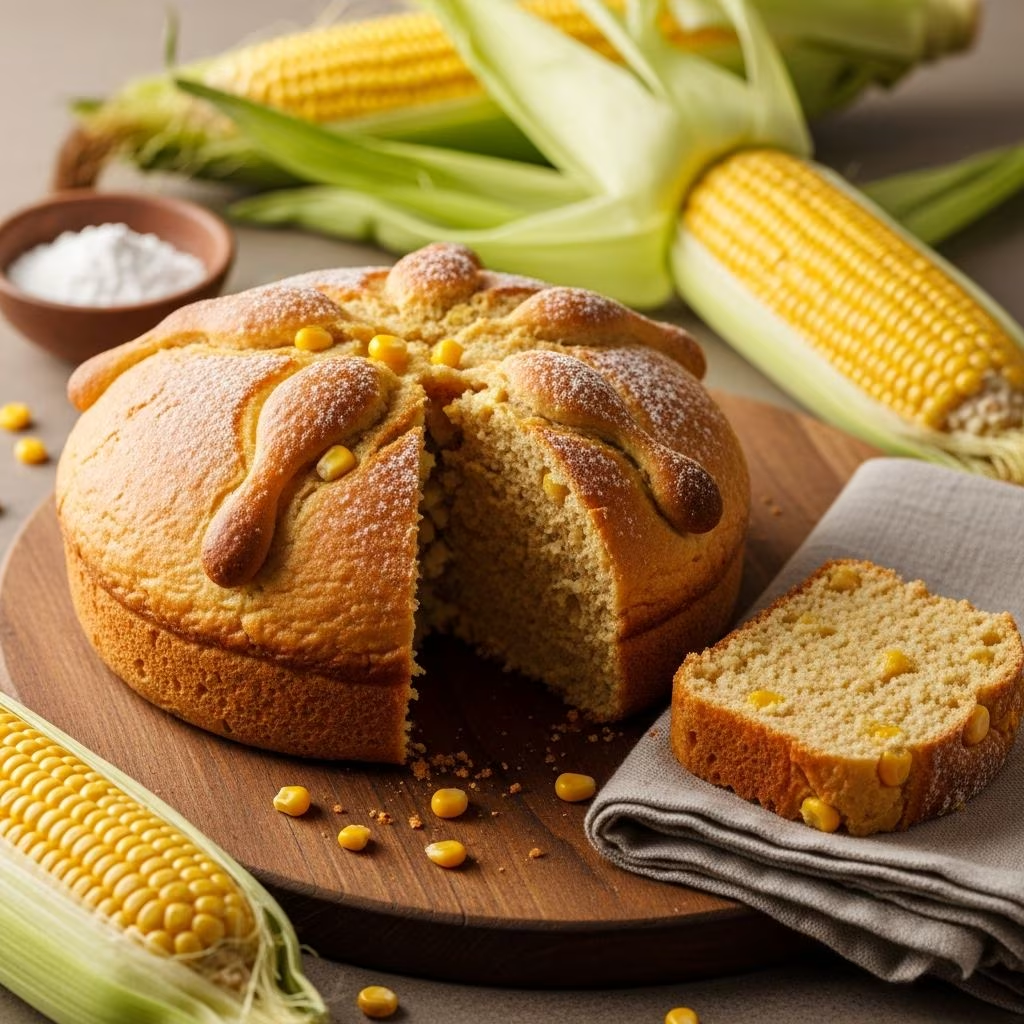
Pan de elote stands as one of the most cherished baked goods in Latin American cuisine, representing a perfect fusion of simplicity and sophistication. This corn-based bread captures the essence of fresh ingredients transformed through careful technique and time-honored methods. Whether you’re a seasoned baker or just beginning your culinary journey, understanding the nuances of this traditional recipe opens doors to creating a truly memorable addition to your baking repertoire.
Understanding Pan de Elote’s Culinary Heritage
This distinctive bread carries deep cultural significance across multiple regions, particularly in Mexico and Central America. The name itself reveals the heart of the recipe—’elote’ refers to fresh corn, which forms the backbone of this beloved treat. Unlike typical wheat-based breads, pan de elote celebrates corn’s natural sweetness and unique texture, creating a moist crumb that distinguishes it from conventional options.
The recipe has evolved through generations, with families passing down variations that reflect local preferences and available ingredients. Some versions lean toward a cake-like consistency, while others maintain a bread-like structure. This flexibility makes pan de elote adaptable to various occasions, from casual breakfasts to festive celebrations.
Essential Ingredients and Their Functions
The Foundation: Corn Components
Fresh or frozen corn kernels serve as the primary ingredient, providing moisture, natural sugars, and distinctive flavor. When selecting corn, freshness matters considerably. Fresh corn during peak season delivers superior texture and sweeter notes compared to off-season alternatives. Frozen corn offers excellent convenience without significant quality compromise if fresh options aren’t available. Some bakers incorporate corn flour or cornmeal to intensify the corn flavor and adjust texture according to personal preference.
Structural Elements
- Flour: All-purpose flour provides gluten development and structural integrity. Some recipes blend wheat flour with corn flour for varied texture profiles.
- Leavening Agents: Baking powder and sometimes baking soda create the rise and light crumb structure. Proper measurement ensures optimal lift without excessive density.
- Eggs: These bind ingredients while adding richness and moisture, contributing to the tender crumb many bakers prize.
Enriching Ingredients
Butter, milk, and sugar work in concert to create moisture, tenderness, and subtle sweetness. The balance between these components determines whether your pan de elote tilts toward bread or cake territory. Some regional variations include cheese—particularly cotija or queso fresco—which adds saltiness and textural interest.
Preparation Methods and Techniques
Ingredient Preparation
Before mixing, ensure all ingredients reach room temperature. This seemingly minor detail significantly affects batter consistency and final texture. Cold eggs and butter mix less evenly, potentially resulting in uneven crumb structure. If using fresh corn, briefly blanch kernels to reduce raw starches while maintaining textural integrity. Frozen corn requires thawing and draining to prevent excess moisture.
Pulsing corn kernels in a food processor creates varied textures—some bakers prefer completely smooth corn puree for uniform crumb, while others maintain some kernel texture for interest. Experiment to discover your preferred approach.
Wet and Dry Components
Mixing methodology significantly influences final results. The traditional approach combines dry ingredients separately from wet components, then gently merges them to avoid overdeveloping gluten, which produces tough, dense bread. Mix dry ingredients thoroughly to distribute leavening agents evenly. Create a well in the center, pour wet ingredients, and fold together until just combined.
For enriched versions incorporating cheese or other additions, fold these in during the final mixing stages to ensure even distribution without excessive stirring that develops unwanted toughness.
Baking Science and Temperature Control
Pan Selection and Preparation
The baking vessel influences heat distribution and crust development. Square baking pans create thicker, more bread-like results, while round cake pans produce slightly thinner, more uniform pieces. Greasing thoroughly prevents sticking while allowing proper crust formation. Some bakers line pans with parchment paper for easier removal and cleanup.
Temperature and Timing
Optimal baking temperatures typically range from 350°F to 375°F, depending on pan size and your specific oven’s characteristics. Smaller pans or thinner preparations require lower temperatures and shorter baking times to prevent overbaking exteriors before interiors fully set. Larger, thicker versions benefit from moderate temperatures allowing gentle, even cooking throughout.
Baking time generally ranges from 25 to 45 minutes, depending on these factors. Insert a toothpick or cake tester into the center—it should emerge clean or with minimal crumb clinging. Slight moistness isn’t necessarily overbaking; pan de elote’s appeal often includes some moisture retention.
Oven Considerations
Home ovens vary considerably in actual temperature versus dial settings. Using an oven thermometer identifies your specific oven’s characteristics, allowing adjustments to recipe instructions. Avoid opening the oven door during initial baking stages, which disrupts temperature consistency and can result in uneven rising.
Recipe Variations and Creative Adaptations
Classic Approach
The traditional formula uses approximately two cups fresh corn, one cup flour, one-half cup sugar, one-third cup melted butter, three eggs, one-half cup milk, two teaspoons baking powder, and salt to taste. This yields a balanced bread with moderate sweetness and moisture.
Cheese-Enriched Version
Adding one-half to one cup crumbled queso fresco or cotija introduces salty, tangy notes that complement corn’s natural sweetness. This variation shifts pan de elote toward savory applications, making it suitable for lunch or light dinner accompaniment.
Sweet Variations
Increasing sugar to three-quarters cup and incorporating vanilla extract, cinnamon, or nutmeg creates a sweeter, more dessert-oriented offering. Some bakers add dulce de leche swirls or top finished bread with cinnamon sugar for enhanced indulgence.
Dietary Adaptations
Gluten-free bakers can substitute all-purpose flour with cornstarch, rice flour, or commercial gluten-free blends. These alternatives may require slight liquid adjustments to achieve proper consistency. Dairy-free versions use plant-based milk and neutral oils instead of butter, with excellent results.
Troubleshooting Common Baking Challenges
| Issue | Likely Cause | Solution |
|---|---|---|
| Dense, heavy texture | Overmixing or insufficient leavening | Mix gently until just combined; verify baking powder hasn’t expired |
| Dry, crumbly crumb | Overbaking or insufficient corn/fat | Reduce baking time; increase corn or butter in future attempts |
| Sunken center | Oven temperature too high or underbaked | Verify oven temperature; adjust timing slightly |
| Uneven browning | Hot spots in oven or improper pan placement | Rotate pan midway through baking; use oven thermometer |
| Gummy interior | Insufficient baking | Extend baking time; center should register 205°F with instant-read thermometer |
Storage and Serving Suggestions
Cooling and Storage
Allow pan de elote to cool in its baking pan for 10-15 minutes before turning out onto a wire rack. Complete cooling ensures proper structure before slicing. Store room temperature covered loosely for 2-3 days, or refrigerate up to one week. Freezing extends shelf life to three months when wrapped tightly in plastic wrap and aluminum foil.
Serving Ideas
Pan de elote functions beautifully across multiple contexts. Warm slices with butter make exceptional breakfasts or afternoon snacks. The cheese-enriched variation pairs wonderfully with soups or stews. Sweeter adaptations shine alongside coffee or as standalone desserts.
Frequently Asked Questions
Can I use canned corn instead of fresh or frozen?
Yes, though canned corn tends to be softer and sometimes sweeter due to added sugars. Drain canned corn thoroughly and consider reducing added sugar slightly to avoid excessive sweetness.
What makes pan de elote different from cornbread?
Pan de elote features a higher corn-to-flour ratio and typically includes whole corn kernels, creating moistness and sweetness that distinguishes it from traditional American cornbread, which often maintains a grainier texture and less pronounced sweetness.
How do I prevent my pan de elote from becoming too sweet?
Reduce sugar gradually in successive baking attempts, starting with one-third cup instead of one-half cup. The corn itself provides natural sweetness, so added sugar can often be minimized without significant impact on finished product quality.
Can pan de elote be made vegan?
Absolutely. Replace eggs with flax or chia seed eggs (one tablespoon ground seed plus three tablespoons water per egg), use plant-based milk, and substitute butter with neutral oil. Results are remarkably similar to traditional versions.
Should pan de elote be served warm or at room temperature?
Both work beautifully. Warm servings highlight butter and moisture, while room temperature slices showcase more subtle flavors. Personal preference dictates the ideal serving temperature.
Mastering Your Pan de Elote Baking
Creating exceptional pan de elote requires attention to ingredient quality, proper technique, and willingness to experiment with variations reflecting your preferences. Each oven behaves differently, so initial attempts establish baseline understanding that subsequent bakes refine. Keep notes about timing, temperature adjustments, and results—this documentation guides future success.
The beauty of pan de elote lies in its approachability coupled with genuine complexity. Beginning bakers find it forgiving and confidence-building, while experienced bakers discover endless possibilities for creative adaptation. Whether you embrace traditional methods or modern innovations, pan de elote rewards careful attention with results that justify the effort invested.
References
- King Arthur Baking Company – Corn Bread Recipe Development and Science — King Arthur Baking Company. https://www.kingarthurbaking.com
- The Science of Baking: Understanding Leavening Agents — American Chemical Society. https://www.acs.org
- Corn as a Primary Ingredient: Culinary and Nutritional Properties — U.S. Department of Agriculture (USDA). https://www.usda.gov
- Traditional Latin American Bread Making Techniques — Smithsonian Folklife Magazine. https://folklife.si.edu
- Gluten Development and Mixing Methodology in Baked Goods — Journal of Food Science and Technology. https://www.springer.com/journal/13197