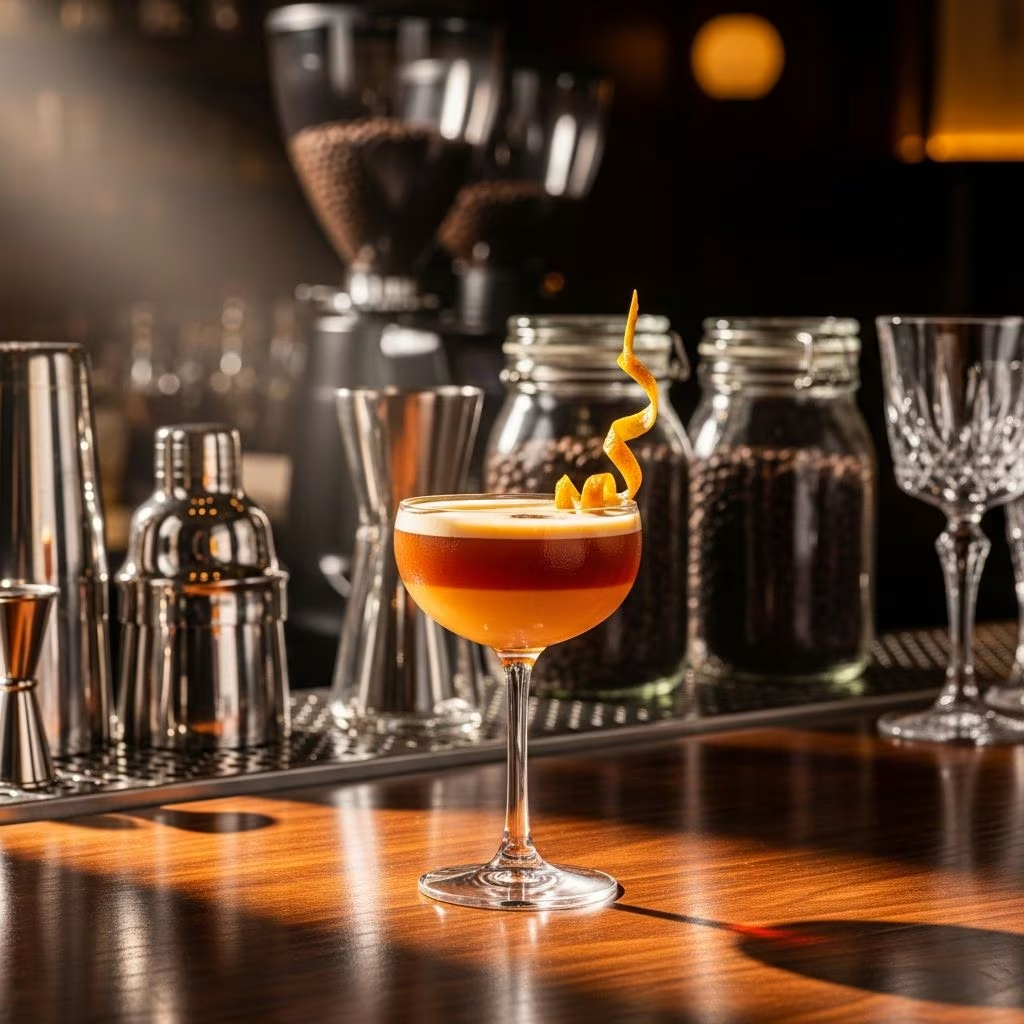
The cocktail landscape has continuously evolved, with mixologists constantly seeking innovative ways to blend classic spirits with contemporary ingredients. One such creation that exemplifies this creative spirit is the Palomar Americano—a sophisticated libation that marries the worlds of specialty coffee culture with traditional aperitif cocktails. This low-alcohol beverage represents a fascinating intersection of flavor profiles, combining the boldness of cold brew with the herbal complexity of Italian spirits.
Understanding the Origins and Inspiration
The Palomar Americano emerged from the inventive mind of Ricky Gomez, a bartender at the Palomar establishment in Portland, who recognized an opportunity to reimagine a classic cocktail formula. Rather than adhering strictly to traditional preparation methods, Gomez opted to introduce cold brew coffee as a central ingredient, fundamentally transforming the drinking experience. This creative substitution pays homage to the original Americano concept while introducing modern sensibilities that appeal to contemporary palates.
The inspiration behind this drink draws from the growing intersection of coffee culture and craft cocktails. As specialty coffee has become increasingly sophisticated and accessible, bartenders have begun exploring how these nuanced flavor profiles can enhance traditional cocktail frameworks. The Palomar Americano stands as a testament to this culinary evolution, offering something entirely distinct from both traditional coffee-based cocktails and conventional apéritifs.
Essential Components and Their Roles
Understanding each ingredient’s contribution is fundamental to appreciating the Palomar Americano’s construction. The drink consists of three primary components, each bringing distinct characteristics to the final product.
Cold Brew Coffee as the Foundation
Cold brew coffee serves as the structural backbone of this cocktail. Unlike hot brewed coffee, which can become astringent when combined with spirits, cold brew offers a smoother, more refined character. The extended steeping process used to create cold brew results in a beverage with lower acidity and a naturally sweet undertone. Within the Palomar Americano, the cold brew contributes both caffeine and flavor complexity, grounding the drink with its earthy, slightly sweet profile. For optimal results, bartenders often recommend utilizing high-quality specialty cold brew varieties that showcase distinct origin characteristics.
Campari: Bitter and Vibrant
Campari brings a striking visual element and a complex bitter-sweet profile to the composition. This Italian aperitif spirit, traditionally served as a standalone drink or in classic preparations, contributes approximately 28% alcohol by volume. Its characteristic deep red hue stems from natural colorants, while its flavor delivers a combination of herbal, fruity, and distinctly bitter notes. Within the Palomar Americano framework, Campari provides textural contrast and aromatic complexity that prevents the drink from becoming overly sweet or one-dimensional.
Sweet Vermouth: Aromatics and Balance
Sweet vermouth functions as the balancing force within this triptych of ingredients. This fortified wine, infused with botanicals and spices, introduces additional aromatic dimensions and helps marry the coffee and Campari components. The sweetness and herbaceous qualities of vermouth create a bridge between the bitter coffee and the intense Campari, resulting in a more harmonious overall experience. The choice of vermouth can significantly impact the final product, with different brands offering varying levels of sweetness and botanical emphasis.
Proportions and Measurement Guidelines
Precision in measurement is crucial for achieving the intended flavor balance in any cocktail. The standard Palomar Americano recipe calls for specific quantities designed to create equilibrium among the ingredients:
- Cold brew coffee: 1½ ounces (45 milliliters)
- Campari: 1 ounce (30 milliliters)
- Sweet vermouth: 1 ounce (30 milliliters)
These proportions establish a ratio that prevents any single ingredient from overwhelming the others. The coffee comprises the largest volume, establishing its role as the primary component while ensuring the drink maintains its connection to caffeine-based beverages. The equal portions of Campari and sweet vermouth create a secondary layer of complexity that complements rather than dominates the overall experience.
Construction Methodology and Technique
The physical process of building a Palomar Americano requires attention to technique to ensure optimal texture and temperature. The drink is constructed in a highball glass, which provides adequate volume and the appropriate vessel shape for the serving style.
Step-by-Step Preparation Process
The construction begins by adding the cold brew, Campari, and sweet vermouth directly into a highball glass filled with pebble or crushed ice. This simultaneous addition prevents layering and encourages immediate flavor integration. The pebble ice is particularly significant—its irregular shape and higher surface area promote better dilution and temperature stability compared to larger cubed ice formations.
Following the liquid additions, the bartender employs a swizzling technique. This involves inserting a bar spoon into the drink and rapidly rubbing the handle between the palms of both hands, creating a rotational motion that thoroughly mixes the ingredients. This technique, distinct from simple stirring, introduces additional aeration and ensures homogeneous distribution of all components throughout the drink. The swizzling motion continues for approximately 10-15 seconds, after which additional ice may be added if the level has dropped significantly.
Garnish Considerations
The finishing touch involves an orange wheel garnish, which may be either fresh or dehydrated. Fresh orange wheels offer visual appeal and aromatics that release when the glass is brought to the lips. Dehydrated orange wheels provide a more refined aesthetic and longer shelf stability if prepared ahead. Some bartenders prefer to express the orange oils over the drink’s surface before placing the wheel in the glass, adding an additional layer of citrus fragrance that enhances the olfactory experience.
The Drinking Experience: Flavor Progression
The Palomar Americano presents a complex journey of flavors that evolves as you progress through the drink. Initially, the nose reveals aromatic qualities from the vermouth and Campari, followed by subtle coffee notes that become more apparent as you sip. The first taste delivers the bitter intensity of Campari, quickly followed by the smooth, slightly sweet character of cold brew. The vermouth provides textural fullness and herbal undertones that persist throughout the palate experience.
As ice melts and dilution occurs, the flavors continue to shift, with the coffee becoming increasingly prominent while the Campari’s intensity gradually diminishes. This dynamic evolution is characteristic of well-constructed cocktails that benefit from measured dilution rather than suffering from it.
Ingredient Selection and Quality Considerations
While basic recipes provide foundation guidance, the quality of individual ingredients significantly impacts the final result. Specialty cold brew offerings have proliferated in recent years, with different roasters producing distinctly varied products. Some cold brews emphasize chocolate and nutty notes, while others highlight fruity or floral characteristics. Selecting a cold brew that complements rather than competes with the Campari and vermouth enhances the overall drinking experience.
Similarly, vermouth choices merit consideration. Different producers offer varying botanical compositions and sweetness levels. Lighter vermouths may result in a more delicate final product, while fuller-bodied versions create a more robust drink. Experimentation with different brands can reveal personal preferences and lead to customized versions that align with individual taste profiles.
Why This Cocktail Appeals to Modern Drinkers
The Palomar Americano addresses several contemporary drinking preferences. Its low-alcohol-by-volume nature attracts consumers seeking sophisticated beverages without excessive intoxication. The integration of specialty coffee acknowledges the coffee culture movement that has dramatically influenced how people select and consume caffeinated beverages. Additionally, the drink bridges the gap between aperitif traditions and contemporary mixology, offering something that feels both classic and innovative simultaneously.
Variations and Creative Interpretations
While the original formula provides an excellent foundation, creative bartenders have begun exploring variations that maintain the drink’s essential character while introducing new dimensions. Some versions incorporate flavored cold brews infused with vanilla, chocolate, or citrus notes. Others experiment with different vermouth styles or introduce complementary spirits in small quantities. These interpretations demonstrate the drink’s versatility and its potential for customization based on available ingredients and personal preferences.
Frequently Asked Questions
Can I prepare this drink with hot coffee instead of cold brew?
While technically possible, hot coffee produces different results due to increased acidity and altered flavor profile. Cold brew’s smoother character creates superior balance with the Campari and vermouth.
What if I cannot locate the specific vermouth brand recommended?
Alternative sweet vermouths will work acceptably, though results may vary slightly. Choose vermouths with balanced sweetness and botanical complexity for best results.
Is the swizzle technique essential, or can I simply stir?
Swizzling produces superior mixing and aeration. While stirring works functionally, swizzling creates the intended texture and mouthfeel.
How does alcohol content compare to typical cocktails?
The Palomar Americano typically contains approximately 13-15% alcohol by volume, making it significantly lower than standard cocktails, which often reach 20% or higher.
Can this drink be prepared in advance for parties?
Pre-batching without ice is possible, though individual preparation ensures proper dilution and optimal temperature. Prepare glasses and ice separately, then combine as guests arrive.
References
- Palomar Americano Cocktail Recipe — Tara’s Multicultural Table. 2025. https://tarasmulticulturaltable.com/palomar-americano/