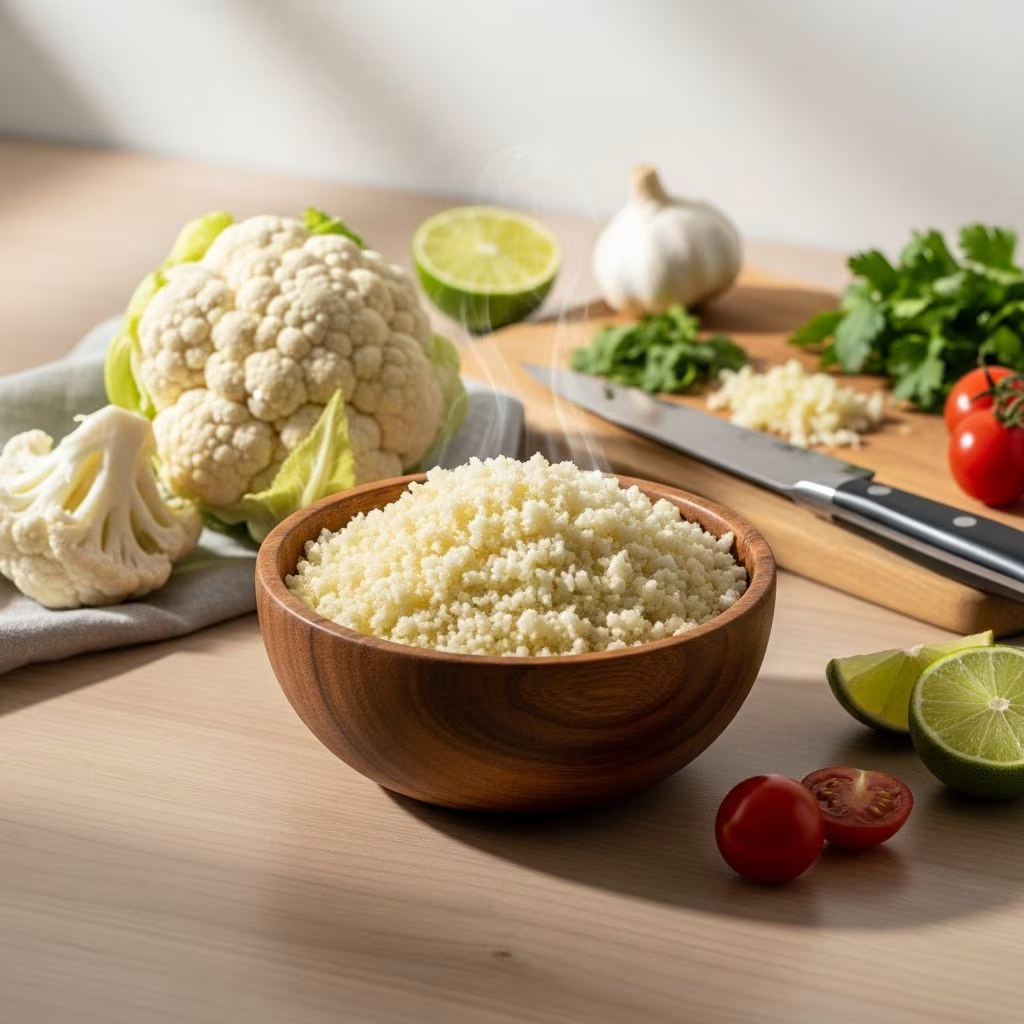
Cauliflower rice stands out as a powerhouse ingredient in modern grain-free cooking, offering a neutral base that absorbs flavors while delivering substantial nutrition. This versatile substitute for traditional rice aligns perfectly with Paleo principles by emphasizing whole foods and avoiding grains, legumes, and processed items. Home cooks appreciate its quick preparation and adaptability to various cuisines, making it ideal for weeknight dinners or meal prep.
Why Choose Cauliflower Rice for Paleo Diets
Opting for cauliflower rice supports low-carbohydrate goals without sacrificing texture or satisfaction. A single cup provides roughly 25 calories, 5 grams of carbohydrates, and over 2 grams of fiber, compared to white rice’s 200 calories and 45 grams of carbs. Its high vitamin C content—77% of the daily value per cup—bolsters immune function, while antioxidants like sulforaphane combat inflammation, a key concern in Paleo wellness approaches.
Nutritionally, it excels in potassium and vitamin K, aiding muscle function and bone health. For those following strict protocols like Whole30 or keto, it maintains compliance while mimicking familiar dishes. Studies from the National Institutes of Health highlight cruciferous vegetables like cauliflower for their role in reducing chronic disease risk through detoxification pathways.
Essential Tools and Preparation Basics
Creating cauliflower rice starts with the right equipment. A food processor with a grating blade or S-blade pulses florets into uniform grains in seconds. Lacking that, a box grater works for smaller batches, though it demands more effort. Aim for pieces about the size of rice grains to ensure even cooking.
- Food processor method: Chop a medium head (yielding 3-4 cups) into florets, fill the bowl halfway, and pulse 5-7 times.
- Grater alternative: Grate florets directly over a bowl, protecting fingers with a towel.
- Store-bought option: Frozen riced cauliflower saves time; thaw slightly before use to avoid excess moisture.
After ricing, pat dry with paper towels or spin in a salad spinner to remove water, preventing sogginess. This step proves crucial for achieving a fluffy, rice-like result.
Simple Plain Cauliflower Rice Recipe
Master the foundational version before experimenting. This plain rendition serves as a blank canvas.
Ingredients (Serves 4)
| Ingredient | Quantity |
|---|---|
| Cauliflower head | 1 medium (3 cups riced) |
| Coconut oil or ghee | 1 tbsp |
| Sea salt | ½ tsp |
| Black pepper | ¼ tsp (optional) |
Step-by-Step Instructions
- Rice the cauliflower as described above and set aside.
- Heat oil in a large skillet over medium heat.
- Add riced cauliflower, salt, and pepper; stir frequently for 5-7 minutes until tender with light browning.
- Remove from heat and serve immediately.
Total time: 10 minutes. This base pairs with any protein, from grilled chicken to seared fish.
Flavor-Packed Variations to Try
Elevate the basic recipe with global twists, each ready in under 20 minutes.
Mediterranean Style
Infuse brightness with lemon and herbs. Sauté ¼ cup diced onion and 2 minced garlic cloves in olive oil for 4 minutes. Add 3 cups riced cauliflower, 1 tbsp lemon juice, zest of ½ lemon, 2 tbsp pine nuts, and ¼ tsp red chili flakes. Cook 5 minutes. Fresh parsley finishes it with herbaceous notes.
Asian Fried Rice
Mimic takeout flavors Paleo-style. In coconut oil, cook 1 diced onion and 1½ cups diced carrots for 7 minutes, seasoning with 1 tsp salt, 1 tsp garlic powder, and 1½ tsp ground ginger. Stir in 3 cups riced cauliflower and ½ cup coconut aminos; cook 5 minutes. Fold in scrambled eggs and ½ cup green onions.
Golden Turmeric Version
For an anti-inflammatory boost, use 4 cups riced cauliflower coated in 5 egg yolks, ¼ tsp turmeric, and salt. Sauté shallot, ginger, asparagus coins, and garlic in avocado oil, then combine with sesame oil and scallions for a vibrant, keto-friendly dish.
Ginger Asian Fusion
Grate fresh ginger into fish sauce and coconut aminos, toss with riced cauliflower, and cook briefly. The umami depth rivals traditional fried rice without grains.
Nutrition Breakdown and Health Benefits
Per cup of cooked cauliflower rice: 27 calories, 5g carbs, 2g fiber, 2g protein, vitamins C (77% DV), K (16% DV), folate. It supports weight management by promoting satiety with fewer calories. Research from the Journal of the Academy of Nutrition and Dietetics notes low-carb veggie swaps like this improve glycemic control.
| Nutrient | Amount per Cup | % Daily Value |
|---|---|---|
| Calories | 27 | 1% |
| Carbs | 5g | 2% |
| Fiber | 2g | 8% |
| Vitamin C | 68mg | 77% |
Its low glycemic index suits diabetes management, per American Diabetes Association guidelines.
Smart Storage and Make-Ahead Strategies
Fresh cauliflower rice lasts 4-5 days in an airtight container in the fridge. Freeze in portions for up to 3 months; thaw overnight. Reheat in a skillet with a splash of water to restore texture. Batch-prep plain rice on Sundays, then flavor as needed for efficiency.
Creative Meal Pairings and Full Recipes
- Stir-Fry Base: Combine with shrimp, broccoli, and tamari for a quick dinner.
- Breakfast Hash: Mix with sausage, kale, and eggs.
- Stuffed Peppers: Fill with cauliflower rice, ground turkey, and tomatoes.
- Taco Bowl: Layer under seasoned beef, avocado, and salsa.
For a complete meal, try this Paleo Cauliflower Rice Bowl: Layer 1 cup rice with grilled salmon, cucumber ribbons, and tahini drizzle.
Troubleshooting Common Issues
- Mushy texture: Dry thoroughly post-ricng and use high heat.
- Lack of flavor: Season generously and toast spices first.
- Overcooking: Aim for al dente; stop when just tender.
FAQ
Is frozen cauliflower rice Paleo?
Yes, provided no additives; check labels for pure cauliflower.
Can I use it in soups?
Add near the end to avoid disintegration; it thickens broths nicely.
How much fresh cauliflower for 1 cup riced?
About ½ medium head yields 1 cup.
Vegan adaptation?
Omit eggs; use nuts or tofu for protein.
Best oil for cooking?
Coconut, avocado, or ghee for high smoke points and Paleo compliance.
Advanced Tips from Seasoned Cooks
Toast riced cauliflower dry in a skillet before adding fat for nuttier flavor. Experiment with spice blends like curry powder or za’atar. For bulk cooking, process multiple heads and portion for the week.
References
- Cauliflower, raw nutritional data — United States Department of Agriculture (USDA). 2023-05-12. https://fdc.nal.usda.gov/fdc-app.html#/food-details/169986/nutrients
- Cruciferous vegetables and cancer prevention — National Cancer Institute (NCI), NIH. 2024-02-15. https://www.cancer.gov/about-cancer/causes-prevention/risk/diet/cruciferous-vegetables-fact-sheet
- Low-carbohydrate diets and glycemic control — American Diabetes Association. 2023-11-08. https://diabetesjournals.org/care/article/46/Supplement_1/S77/148009/5-Facilitating-Positive-Health-Behaviors-and-Well
- Nutrition and functional benefits of cruciferous vegetables — Journal of the Academy of Nutrition and Dietetics. 2022-07-19. https://doi.org/10.1016/j.jand.2022.05.013
- USDA Dietary Guidelines for Americans — USDA / HHS. 2025-01-10. https://www.dietaryguidelines.gov/