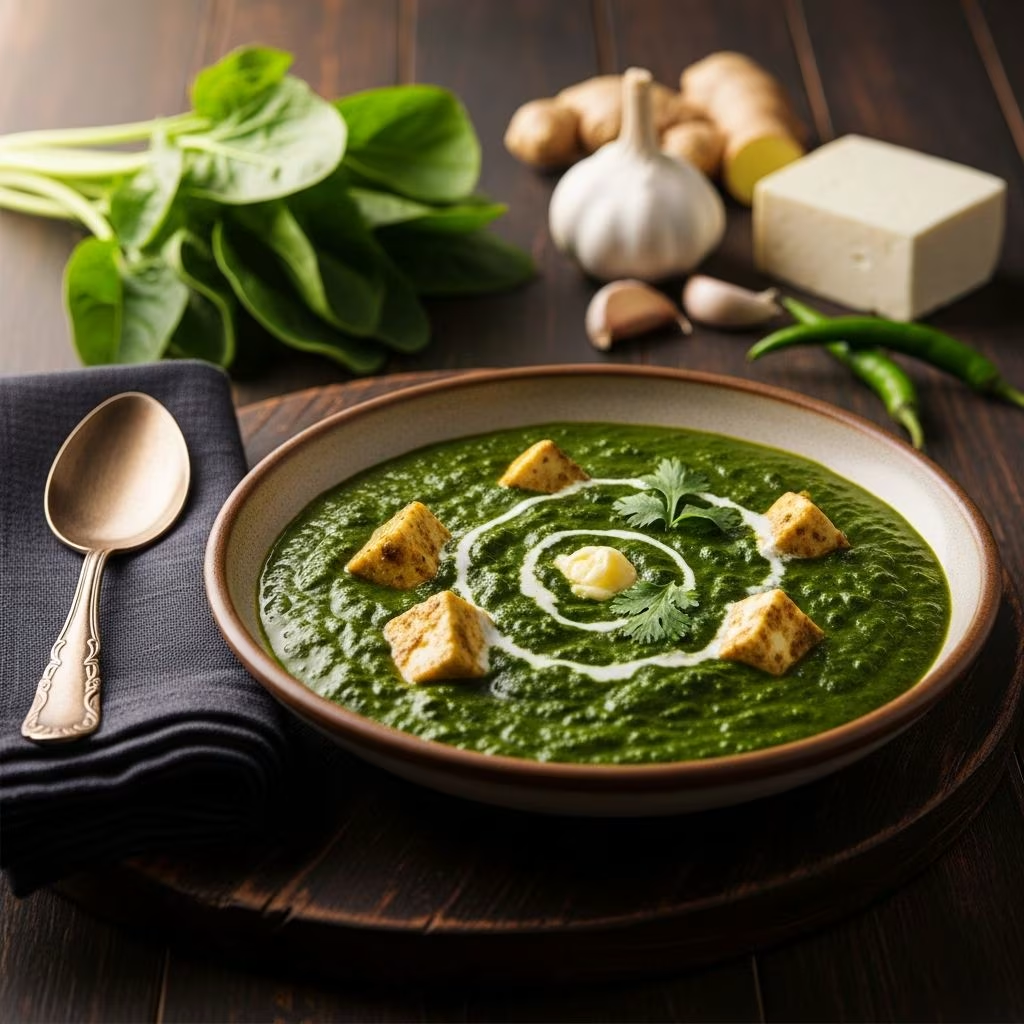
Palak paneer stands as one of North India’s most celebrated vegetarian dishes, combining nutrient-dense spinach with soft, creamy paneer cheese in a savory, spiced sauce. This beloved curry has transcended regional boundaries to become a staple in Indian restaurants worldwide and a favorite among home cooks seeking to prepare authentic cuisine. The dish represents the perfect balance of simplicity and sophistication—requiring just a handful of quality ingredients and straightforward cooking techniques, yet delivering restaurant-caliber flavors when executed with attention to detail.
Understanding the Fundamentals of Palak Paneer
At its core, palak paneer is a straightforward preparation that brings together fresh spinach and Indian cottage cheese within a aromatic spice-infused sauce. The foundation of this dish rests on understanding its three primary components: the spinach base, the paneer cheese, and the spice profile that unifies them. Unlike many curries that require hours of slow cooking, palak paneer achieves its full flavor potential through strategic ingredient preparation and timing.
The traditional approach involves blanching fresh spinach leaves, pureeing them into a smooth consistency, and then cooking this puree with onions, tomatoes, spices, and aromatics until a thick, gravy-like texture emerges. Paneer cubes are then gently folded into this fragrant sauce, sometimes finished with cream for additional richness and visual appeal. Understanding these foundational steps helps home cooks adapt recipes to their preferences while maintaining the dish’s essential character.
Essential Ingredients and Their Roles
Creating authentic palak paneer begins with sourcing quality ingredients, each of which contributes specific flavors and textures to the final dish. Understanding what each component brings to the table enables cooks to make informed substitutions and adjustments based on availability and dietary preferences.
Primary Components
- Fresh spinach: The star ingredient providing both nutritional density and the characteristic green color. Fresh spinach can be blanched and pureed, though some recipes utilize pre-cooked frozen spinach for convenience without sacrificing quality.
- Paneer cheese: This unaged, non-melting cheese maintains its shape during cooking and provides a creamy, mild contrast to the spiced spinach sauce. Approximately 150-340 grams (5.5-12 ounces) serves 4-8 people depending on portion preferences.
- Aromatic vegetables: Yellow or white onions, garlic, and fresh ginger form the flavor foundation. Proper caramelization of onions develops deeper, more complex flavors that distinguish restaurant-quality versions from basic preparations.
- Cream or yogurt: Heavy cream adds luxurious mouthfeel and richness, while yogurt provides tang and creaminess with fewer calories. Some cooks incorporate cashews during pureeing for natural creaminess, eliminating the need for additional dairy.
Spice Blend
The aromatic profile emerges from a carefully balanced combination of warm spices that build layers of flavor:
- Garam masala: This warming spice blend serves as the foundation, appearing in most traditional recipes and providing complex, slightly sweet notes.
- Ground cumin: Either whole seeds toasted until fragrant or pre-ground cumin contributes earthy undertones that ground the spice profile.
- Coriander: Ground coriander adds brightness and a subtle citrus quality that balances heavier spices.
- Turmeric: This golden spice delivers anti-inflammatory properties and mild peppery notes while contributing to the dish’s characteristic color.
- Cayenne or red pepper flakes: Fresh heat from green chilies or dried red pepper adjusts spice intensity to personal preference.
- Optional spices: Cumin seeds, coriander seeds, cinnamon, cardamom, cloves, black mustard seeds, and fenugreek create variations that deepen complexity.
Preparation Techniques: From Ingredient Prep to Final Plating
Preparing Spinach
Spinach preparation significantly impacts the final texture and flavor. Traditional methods involve blanching fresh spinach in boiling water for 1-2 minutes, then immediately transferring to ice water to halt the cooking process and preserve the vibrant green color. After draining thoroughly, the blanched spinach is finely chopped or pureed into a smooth consistency. This classical technique ensures bright color and smooth texture while removing excess moisture that could dilute the sauce.
Modern convenience allows for pre-washed baby spinach or frozen chopped spinach as viable alternatives. Fresh baby spinach requires only gentle wilting in a hot pan for 2-3 minutes, while frozen spinach should be thawed and pressed to remove excess liquid before use. Each method yields slightly different results—fresh blanched spinach produces the most vibrant color, while frozen spinach offers convenience without noticeable quality compromise.
Paneer Preparation
Paneer requires proper handling to maintain its texture throughout cooking. Begin by cutting the paneer into uniform cubes, approximately ¾-inch (2 cm) on each side. Some recipes call for pan-frying paneer cubes in ghee or oil until golden on multiple sides, creating a textured exterior while maintaining a soft interior. This optional step adds visual appeal and subtle complexity. Alternatively, paneer can be added directly to the simmering sauce without pre-cooking, a method that works equally well for home preparation.
Building the Sauce Base
The sauce develops through layered cooking that progressively builds flavor intensity. Heat ghee or oil in a heavy-bottomed pot over medium-high heat. Add finely diced onions and cook, stirring frequently, until they achieve a golden-brown color with caramelized edges—this process typically requires 5-10 minutes and should not be rushed, as proper caramelization significantly enhances the final flavor profile.
Once onions reach the desired color, introduce minced garlic, grated ginger, and green chilies. Cook this aromatic mixture for 1-2 minutes until fragrant, allowing the heat to activate the raw flavors and create a cohesive base. Add whole spices such as cumin seeds, mustard seeds, or coriander seeds and toast briefly—approximately 30 seconds—until their oils release and the kitchen fills with their characteristic aroma.
Next, incorporate ground spices (garam masala, turmeric, cayenne, coriander, and cumin powder) and stir constantly for 1-2 minutes. This “dry roasting” technique in the residual oil and moisture prevents spices from burning while intensifying their flavors through heat. Add crushed tomatoes or finely diced fresh tomatoes and continue cooking until they break down completely and the mixture becomes paste-like, approximately 5-10 minutes.
Incorporating Spinach and Achieving the Right Consistency
Lower the heat to medium and introduce the prepared spinach puree to the spiced tomato base. Stir thoroughly to combine all components evenly. Add water as needed—typically ½ to 1 cup—to achieve the desired consistency. The sauce should resemble heavy cream when raw, understanding that it will reduce slightly during the final simmering period. Some recipes incorporate water gradually while cooking covered for 2-3 minutes, allowing the spinach to fully integrate with the spices.
At this point, introduce cream, yogurt, or cashew-infused liquid and stir well to distribute evenly. Simmer the sauce over medium-low heat for 3-5 minutes, stirring occasionally, until it achieves a thick, creamy consistency that coats the back of a spoon.
Finishing with Paneer
Gently fold the paneer cubes into the simmering sauce, being careful not to break them. Cook for 1-2 minutes additional, just until the paneer reaches the desired temperature. Avoid extended cooking, as paneer can become rubbery if overheated. Taste and adjust seasoning with additional salt if needed. Some cooks finish the dish with a light drizzle of cream across the surface for visual appeal, though this remains optional.
Recipe Variations and Modern Interpretations
While the classical version remains beloved, contemporary cooking has produced several variations that adapt the traditional formula to different preferences and ingredient availability.
Restaurant-Style Preparation
Restaurant versions typically employ additional cream, extended caramelization of aromatics, and carefully balanced spice blends that create deeper, more complex flavors. This approach often results in a darker, richer-tasting sauce compared to lighter home versions. Extended cooking of onions until deeply golden-brown, combined with more generous cream additions, creates the luxurious texture associated with commercial preparation.
Lighter, Health-Conscious Variations
Health-focused adaptations reduce or eliminate cream, instead relying on yogurt, cashew paste, or the natural creaminess of pureed spinach to create texture. These versions maintain full flavor while reducing caloric density, making them suitable for those monitoring dairy consumption or seeking lighter meals.
Tomato-Forward Versions
Some recipes emphasize tomatoes alongside spinach, creating a balanced sauce where both ingredients contribute equally to the flavor and texture. This approach produces a slightly more tangy, vegetable-forward dish compared to cream-heavy versions.
Serving Suggestions and Pairing Options
Palak paneer traditionally accompanies Indian breads and rice preparations. Basmati rice, jeera rice, and ghee rice provide neutral canvases that allow the curry’s flavors to shine. Paratha, butter naan, and roti offer textural contrast and serve as edible utensils for scooping the creamy sauce. For complete meals, pair palak paneer with raita (yogurt-based side dish), fresh pickled vegetables, or a simple green salad to balance the rich, spiced curry.
Common Mistakes and Solutions
| Common Issue | Cause | Solution |
|---|---|---|
| Watery, thin sauce | Excess liquid from spinach not properly drained | Press cooked spinach thoroughly in a fine-mesh strainer; simmer sauce longer to reduce |
| Dull, muted flavors | Spices added without proper toasting; onions not caramelized | Toast whole spices until fragrant; allow onions 5-10 minutes to caramelize completely |
| Rubbery paneer texture | Paneer overcooked or added too early | Add paneer in final 1-2 minutes only; avoid prolonged simmering |
| Grainy, separated sauce | Cream curdled from excessive heat | Maintain medium-low heat when cream present; temper cream before adding if using very hot sauce |
| Bitter-tasting spices | Spices burned during toasting | Toast over medium heat; remove immediately when fragrant; add water if sauce begins sticking |
Frequently Asked Questions
Can I make palak paneer ahead of time?
Yes, palak paneer reheats well and often tastes better the following day as flavors deepen. Prepare the spinach sauce completely, then store paneer separately to prevent it from becoming overcooked during reheating. Combine components and gently warm over medium-low heat until just heated through.
What if I cannot find paneer?
Firm tofu cut into cubes provides a similar texture, though it lacks paneer’s creamy quality. Some cooks substitute thick Greek yogurt or ricotta, though these produce notably different results. Alternatively, search Indian grocery stores or online retailers for paneer availability.
How do I achieve the vibrant green color?
Bright green color comes from fresh spinach that has been blanched and pureed quickly, minimizing oxidation. Frozen spinach often yields a duller green despite tasting equally delicious. Adding spinach in the final stages of cooking, rather than at the beginning, also preserves color.
Can I use dried spices instead of whole spices?
Yes, dried and ground spices work well. Use approximately ¾ teaspoon ground cumin in place of 1 teaspoon cumin seeds; adjust other spices similarly. Whole spices often deliver superior flavor due to their higher volatile oil content, but dried ground spices remain convenient and effective.
Is palak paneer suitable for freezing?
The spinach sauce freezes well for up to 3 months. However, paneer’s texture can deteriorate during freezing, so store it separately. Freeze the sauce in airtight containers; thaw overnight in the refrigerator and reheat gently. Add fresh paneer after reheating for optimal results.
Nutritional Benefits and Dietary Considerations
Palak paneer delivers substantial nutritional value, combining spinach’s iron, calcium, and vitamins with paneer’s protein content. The spices contribute beneficial compounds including turmeric’s curcumin, recognized for anti-inflammatory properties. This combination makes palak paneer a genuinely nourishing meal rather than merely indulgent preparation.
The dish naturally accommodates several dietary approaches: it remains vegetarian and can easily adapt to vegan requirements by substituting paneer with tofu and cream with coconut or cashew-based alternatives. Those limiting dairy can reduce or omit cream while maintaining satisfying texture through proper sauce reduction and natural spinach creaminess.
Conclusion
Mastering palak paneer opens doors to understanding broader principles of Indian cuisine—the strategic layering of aromatics, thoughtful spice balancing, and respecting ingredient characteristics. Whether preparing a simplified weeknight version or attempting a more elaborate restaurant-style interpretation, this versatile dish rewards attention to technique while remaining forgiving of minor variations. With practice and attention to foundational steps, home cooks can consistently produce palak paneer that rivals their favorite restaurant versions.
References
- Easy Palak Paneer Recipe — Healthy Nibbles and Bits. https://healthynibblesandbits.com/easy-palak-paneer/
- The Palak Paneer Recipe You Should Cook Tonight — 101 Cookbooks. https://www.101cookbooks.com/palak-paneer/
- Palak Paneer Recipe (Indian Spinach Paneer) — Swasthi’s Recipes / Indian Healthy Recipes. https://www.indianhealthyrecipes.com/palak-paneer-recipe-easy-paneer-recipes-step-by-step-pics/
- Restaurant-style Palak Paneer — Umami Girl. https://umamigirl.com/restaurant-style-palak-paneer/