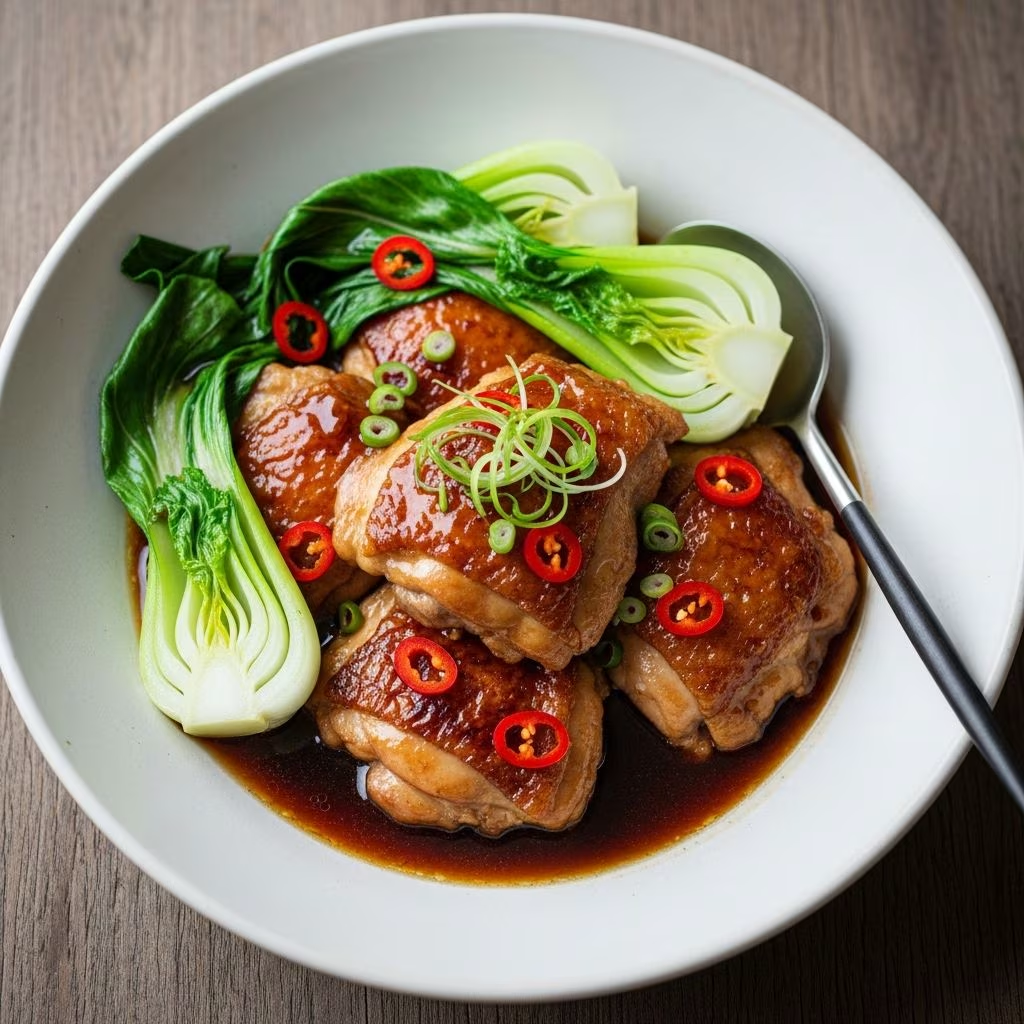
Oyster sauce chicken represents one of the most beloved preparations in Asian cuisine, combining tender poultry with a deeply savory and slightly sweet glaze that clings to every piece. This dish has earned its place at family dinner tables and restaurant menus alike due to its straightforward preparation and extraordinary flavor complexity. The appeal lies in how the oyster sauce creates an umami-rich coating that transforms simple chicken into something genuinely memorable, requiring only basic cooking techniques and readily available ingredients.
Understanding the Core Components
The foundation of exceptional oyster sauce chicken begins with selecting appropriate poultry cuts. Most traditional recipes call for bone-in, skin-on chicken thighs rather than white meat, as the darker meat maintains superior moisture throughout the cooking process and develops a richer flavor profile. The skin, when properly seared, creates a textured exterior that contrasts beautifully with the tender meat beneath. Some preparations utilize chicken leg quarters, drumsticks, or even whole chickens cut into manageable pieces, offering flexibility based on personal preference or serving requirements.
The aromatics form the flavor foundation, typically including fresh ginger, garlic, and green onions or scallions. These ingredients provide pungent, herbaceous notes that balance the umami intensity of the oyster sauce. Ginger contributes warmth and slight spiciness, garlic delivers savory depth, and green onions add freshness. The white portions of green onions are used during initial cooking to infuse the braising liquid, while the green sections are reserved as a finishing touch to brighten the final dish.
Essential Ingredients and Their Roles
| Ingredient | Typical Amount (4 servings) | Primary Function |
|---|---|---|
| Bone-in, skin-on chicken thighs | 8 pieces | Main protein; skin crisps for texture |
| Oyster sauce | 3 tablespoons | Creates savory, umami-rich glaze |
| Fresh ginger | 1 2-inch knob | Adds warmth and aromatic complexity |
| Garlic cloves | 6 cloves | Provides savory depth and pungency |
| Soy sauce | 1-2 tablespoons | Enhances saltiness and umami notes |
| Shaoxing rice wine | ¼ cup | Adds complexity; helps deglaze pan |
| Chicken broth | 1 cup | Creates braising liquid base |
| Green onions | 6 stalks | White parts flavor liquid; greens finish dish |
Shaoxing wine, a Chinese rice wine, serves multiple purposes in this preparation. It adds subtle sweetness and complexity while helping to deglaze the cooking surface after searing the chicken, capturing flavorful browned bits. Chicken broth provides the liquid medium for braising, allowing the chicken to cook gently and absorb surrounding flavors. The combination of oyster sauce, soy sauce, and Shaoxing wine creates the characteristic flavor profile that distinguishes this dish from other chicken preparations.
Step-by-Step Cooking Process
Initial Searing Phase
The cooking journey begins with properly searing the chicken skin. Heat a large pot or wok over high heat until the cooking surface is genuinely hot, then carefully place the chicken pieces skin-side down without crowding the pan. The goal is achieving a crispy, golden-brown exterior through direct contact with heat, typically requiring 4-5 minutes without moving the pieces. This initial searing accomplishes two critical objectives: it renders some of the subcutaneous fat, creating textural contrast, and it develops flavorful compounds through the Maillard reaction that enhance the final dish’s complexity. Once the skin reaches the desired golden color, transfer the chicken to a holding plate.
Aromatic Foundation Building
With the chicken temporarily removed, reduce the heat to medium-high and add the julienned or minced ginger, white portions of the chopped green onions, and minced garlic directly to the pot with remaining oil. Stir these aromatics continuously for approximately 3-4 minutes, allowing them to become fragrant and lightly golden without burning. This brief cooking window transforms raw aromatics into more mellow, integrated flavors that will permeate the braising liquid. The aroma released during this phase signals proper development and guides your timing.
Liquid Component Integration
Add the Shaoxing wine and allow it to cook for an additional 1-2 minutes, stirring occasionally. This brief cooking period helps evaporate the alcohol while concentrating the wine’s subtle flavors. The wine also helps dissolve any browned bits stuck to the pot’s surface, incorporating those flavor compounds into the eventual sauce. Next, pour in the chicken broth, soy sauce, and oyster sauce, stirring until everything combines into a unified liquid.
Braising and Reduction
Return the seared chicken pieces to the pot, arranging them so the braising liquid just covers them completely. Add additional broth or water if necessary to achieve proper coverage. Bring the entire contents to a boil over high heat, then reduce to low heat, cover with a lid, and maintain a gentle simmer for 15 minutes. This protected cooking allows the chicken to poach gently in the flavorful liquid, ensuring even cooking throughout.
After 15 minutes of covered simmering, remove the lid and increase the heat to medium-high. At this stage, the goal shifts to reducing the braising liquid until it transforms into a thicker, more concentrated glaze. This reduction process concentrates flavors and creates a sauce that adheres beautifully to the chicken pieces rather than pooling beneath them. The liquid should reduce until it noticeably thickens and begins to coat a spoon, typically requiring 3-5 additional minutes depending on the pot’s surface area and heat intensity.
Finishing Touches
Once the sauce reaches the desired consistency, stir in the reserved green portions of the green onions and cook for approximately 30 seconds. This brief cooking just wilts the green sections while preserving their fresh color and slightly crisp texture. The green onions provide a textural and flavor contrast to the rich, deep sauce and proteins.
Variations and Adaptations
Marinade-Based Approach
An alternative preparation method involves marinating the chicken before cooking. Combine oyster sauce with complementary ingredients like balsamic vinegar, brown sugar, minced garlic, grated ginger, and chili oil to create a marinade. Submerge the chicken in this mixture and refrigerate for at least 3 hours or overnight, allowing the flavors to penetrate the meat. This approach builds flavor intensity through extended contact time and requires less active cooking, though the basic braising technique remains largely unchanged.
Vegetable Integration
The basic oyster sauce chicken preparation pairs exceptionally well with incorporated vegetables. Mushrooms, particularly white button or shiitake varieties, add earthy umami notes that complement the oyster sauce beautifully. Spinach or other leafy greens provide textural contrast and nutritional balance. These vegetables are typically added during the final reduction phase, allowing them to absorb the concentrated sauce while maintaining some structural integrity.
Spice Enhancement
For those preferring heat, dried chilies or cayenne pepper can be incorporated into the braising liquid, or hot chili oil can replace a portion of the neutral cooking oil. White pepper, a common Asian seasoning, adds subtle heat without the fruity notes of black pepper and works harmoniously with the other components.
Frequently Asked Questions
Can boneless chicken be used instead of bone-in pieces?
While boneless chicken breast or thighs can technically be used, bone-in cuts are strongly preferred. The bones contribute gelatin and additional flavor compounds to the braising liquid, enriching the final sauce. Boneless cuts tend to overcook more quickly and produce drier results. If using boneless chicken, reduce the braising time from 15 minutes to approximately 8-10 minutes to avoid overcooking.
What can substitute Shaoxing wine?
Dry sherry or sake (Japanese rice wine) can replace Shaoxing wine in similar proportions. These alternatives provide comparable depth and subtle sweetness. In a pinch, dry white wine works, though the flavor profile shifts slightly. Avoid cooking wines that contain salt additions.
How should leftover oyster sauce chicken be stored?
Store cooled chicken with its sauce in an airtight container in the refrigerator for up to 4 days. The flavors actually develop further during storage. Reheat gently on the stovetop over low-to-medium heat, or microwave in short intervals, stirring occasionally to ensure even heating. The sauce may thicken when cold; add a small amount of broth or water if necessary when reheating.
Is this dish suitable for freezing?
Yes, oyster sauce chicken freezes well for up to 3 months. Cool completely before transferring to freezer-safe containers. When ready to use, thaw in the refrigerator overnight and reheat following standard procedures. Some slight sauce separation may occur upon thawing, but gentle reheating reintegrates it.
What rice or grain pairs best with oyster sauce chicken?
Jasmine rice is the traditional accompaniment, its subtle floral notes complementing the dish without competing. Steamed white rice, brown rice, or even basmati work well. The rice serves to balance the rich sauce and provide textural contrast.
Cooking Tips for Optimal Results
- Ensure the chicken is thoroughly patted dry before searing—moisture on the surface prevents proper crisping and browning
- Avoid crowding the pot during initial searing; work in batches if necessary to achieve proper golden coloring
- Use a meat thermometer to verify doneness; internal temperature should reach 165°F (74°C)
- Don’t skip the initial searing phase; it develops crucial flavor compounds and creates textural interest
- Monitor the sauce reduction carefully during the final phase to prevent it from becoming too thick or scorching
- Taste the sauce before serving and adjust seasoning if desired; add soy sauce for more saltiness or oyster sauce for deeper umami
- Reserve some sauce for drizzling over rice; it’s too delicious to waste
Conclusion
Oyster sauce chicken exemplifies how simple ingredients and basic techniques combine to create genuinely impressive home-cooked meals. The dish’s appeal transcends cultural boundaries, offering satisfying depth of flavor without demanding advanced culinary skills or unusual ingredients. Whether prepared as a straightforward weeknight dinner or presented to guests, this preparation demonstrates how understanding fundamental cooking methods—searing, aromatics development, braising, and reduction—elevates everyday chicken into something memorable. The flexibility to adapt proteins, incorporate preferred vegetables, or adjust spice levels ensures this recipe remains relevant across diverse palates and dietary preferences, solidifying its place as a reliable staple for home cooks seeking restaurant-quality results.
References
- Oyster Sauce Chicken — Onolicious Hawaiʻi. https://onolicioushawaii.com/oyster-sauce-chicken/
- Chicken in Oyster Sauce — Headbanger’s Kitchen. https://headbangerskitchen.com/chicken-in-oyster-sauce/
- Sticky Oyster Sauce Chicken — The Woks of Life. https://thewoksoflife.com/oyster-sauce-chicken/
- Oyster Sauce Chicken Thighs — Blue Kitchen. 2024-07-31. https://blue-kitchen.com/2024/07/31/oyster-sauce-chicken-thighs/
- Oyster Sauce Chicken (蚝油焖鸡) — Red House Spice. https://redhousespice.com/oyster-sauce-chicken/