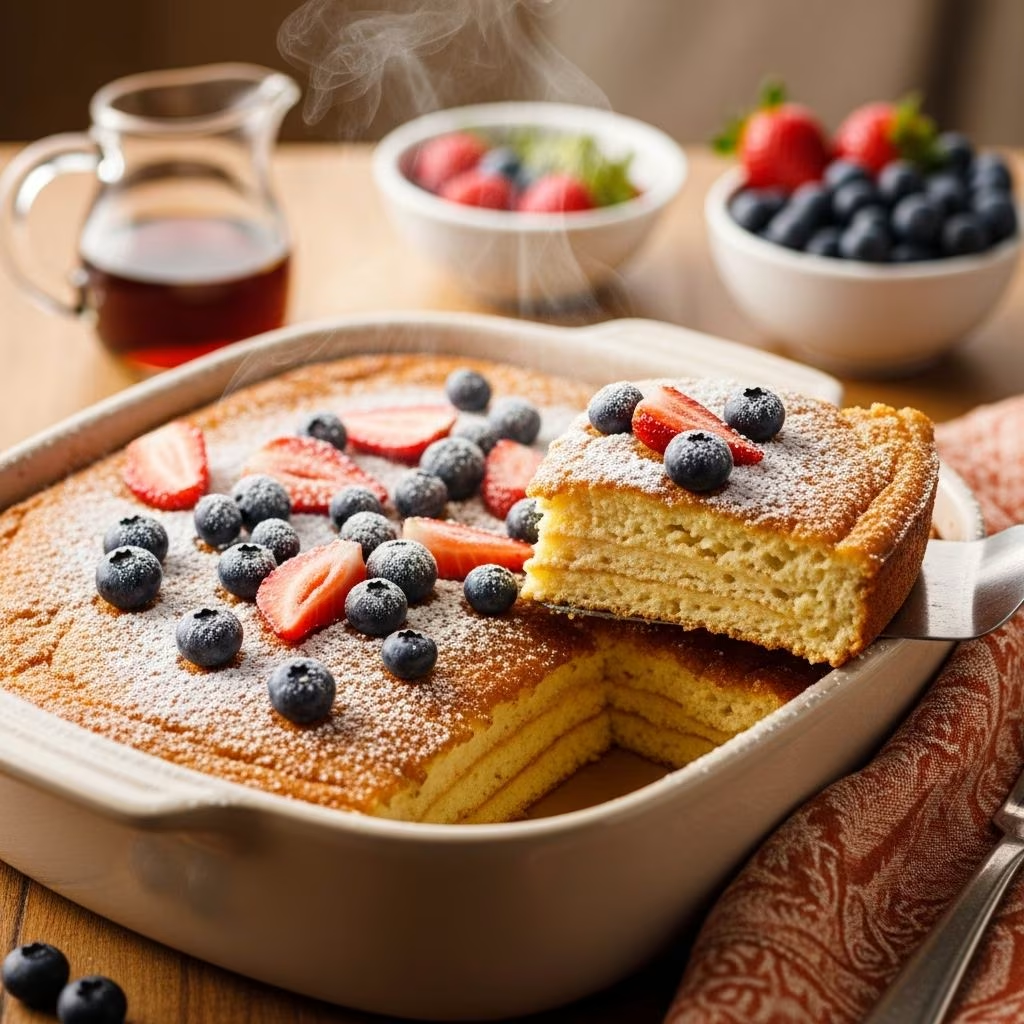
When hosting brunch or managing hectic weekday mornings, pancake casserole emerges as a game-changing solution that streamlines preparation while delivering restaurant-quality results. Unlike traditional stack-and-flip pancakes, this innovative approach transforms individual pancakes into a cohesive baked creation that absorbs a rich custard mixture overnight, resulting in a dish that rivals French toast in texture and sophistication.
Understanding the Pancake Casserole Concept
A pancake casserole represents a fundamental shift in breakfast preparation methodology. Rather than cooking pancakes individually on a griddle, this technique layers pre-cooked pancakes within a baking vessel and combines them with an egg and cream custard. The overnight refrigeration period allows the pancake layers to absorb the custard completely, creating a unified, cohesive structure that bakes into a golden, custardy masterpiece.
This approach offers several practical advantages for both home cooks and those planning larger meals. The dish accommodates preparation well in advance, eliminates morning cooking stress, and produces consistent results across multiple servings simultaneously rather than depending on sequential cooking skills.
Essential Ingredients for a Classic Preparation
Building a successful pancake casserole requires attention to both the pancake foundation and the custard base that binds everything together. Understanding each component’s role ensures optimal texture and flavor development.
The Pancake Foundation
The pancake layer requires approximately 18-26 pancakes, depending on the recipe variation and desired casserole density. These pancakes should measure roughly three inches in diameter, which translates to using approximately one-quarter cup of batter per pancake. Whether using homemade batter or a convenient mix, the pancakes should be fully cooked before assembly but still maintain enough structural integrity to layer without breaking apart.
The Custard Mixture
The custard component typically combines:
- Six large eggs, providing structure and richness
- Heavy cream or half-and-half (1.5 to 2.25 cups), contributing luxurious texture
- Whole milk (1 cup), balancing richness with volume
- Brown sugar (one-third to one-half cup), adding subtle sweetness without overwhelming the dish
- Vanilla extract (1-2 teaspoons), enhancing flavor complexity
- Cinnamon (quarter teaspoon), introducing warm spice notes
- Salt (quarter teaspoon), amplifying other flavors
This combination creates a custard that achieves the ideal balance between liquid absorption and structural support. The proportion of cream to milk determines richness, while sugar levels can be adjusted based on personal preference and any toppings planned for serving.
Step-by-Step Assembly and Preparation Process
Initial Setup
Begin by preparing a 9-by-13-inch baking dish with cooking spray, ensuring complete coverage of all interior surfaces to prevent sticking. This standard casserole size accommodates the typical ingredient proportions while providing optimal depth for custard absorption.
Layering the Pancakes
Arrange the pre-cooked pancakes in three rows within the prepared baking dish. Some recipes recommend cutting pancakes in half before arranging them cut-side down, which creates a more uniform appearance and facilitates even custard distribution. If using whole pancakes, arrange them overlapping slightly to ensure the casserole maintains structural integrity and achieves complete coverage across the baking dish surface.
Custard Creation and Application
In a separate large mixing bowl, combine eggs and milk products, whisking until the mixture becomes completely smooth with no visible egg streaks. Add sweetener, vanilla, and spices, continuing to whisk until fully integrated. Pour this custard mixture evenly across the pancake layers, distributing it systematically to ensure thorough absorption. Initial appearances may suggest excessive liquid, but the pancakes absorb this moisture throughout the refrigeration and cooking periods.
Refrigeration Phase
Cover the baking dish with plastic wrap or aluminum foil, then refrigerate for a minimum of eight hours, though overnight refrigeration (twelve hours or longer) produces superior results. Extended refrigeration allows complete custard penetration and develops deeper flavor integration between components.
Baking Techniques and Temperature Management
Oven Preparation
Remove the casserole from refrigeration approximately fifteen minutes before baking, allowing the mixture to reach partial room temperature for more even cooking throughout the dish. Preheat the oven to 350 degrees Fahrenheit, which provides gentle heat that prevents excessive browning while ensuring thorough cooking of the custard center.
Covered Baking Phase
Place the casserole covered with foil in the preheated oven for approximately twenty-five minutes. This initial covered phase traps steam, promoting even moisture distribution and preventing surface drying while the interior custard sets gradually.
Uncovered Finishing
Remove the foil covering and continue baking for an additional twenty-five minutes or until the casserole center reaches complete set status. The top should develop a light golden-brown color, indicating proper caramelization. Test doneness by inserting a knife near the center; the blade should emerge clean or with only minimal custard clinging to it.
Resting Period
Allow the finished casserole to rest undisturbed for five minutes after removal from the oven. This crucial resting phase permits the custard to firm completely while preventing excessive dryness, resulting in optimal texture upon serving.
Flavor Variations and Creative Adaptations
Chocolate Integration
Transform the basic casserole by incorporating chocolate chips directly into the pancake layer or sprinkling them between rows. A pecan and cinnamon streusel topping adds textural contrast and complements the chocolate elements effectively. This variation appeals particularly to guests with sweet preferences and creates an indulgent brunch centerpiece.
Fresh Fruit Additions
Blueberries represent the most popular fruit addition, offering tartness that balances the custard’s richness. Coat blueberries lightly with flour before distributing them across the casserole, which prevents settling to the bottom during cooking. Other berries, sliced peaches, or diced apples work equally well and introduce different flavor profiles.
Savory Interpretations
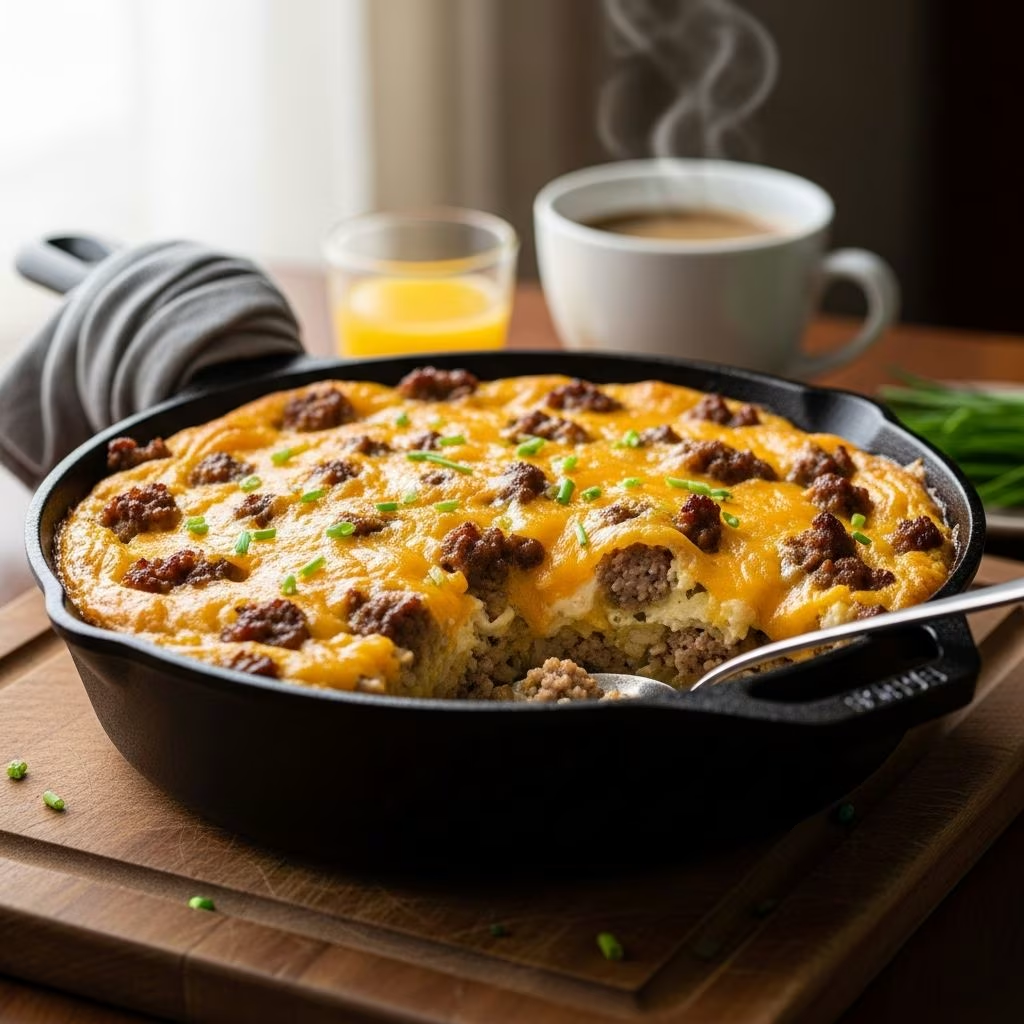
For non-traditional applications, incorporate crispy bacon, seasoned sausage, and shredded cheese into the casserole structure. Replace brown sugar with a smaller amount of granulated sugar or eliminate it entirely, adjusting the custard base with additional salt and mustard powder. These savory versions provide substantial, complete-meal options suitable for any daypart.
Practical Serving and Storage Considerations
Finishing Touches at Service
Enhance the finished casserole with small pats of butter placed directly on the warm surface, allowing them to melt into the crumb structure. Drizzle pure maple syrup generously over individual portions, providing the classic pancake accompaniment in concentrated form. Powdered sugar dusting adds visual elegance, particularly for presentation-focused entertaining occasions.
Portioning for Groups
A standard 9-by-13-inch casserole yields twelve to fifteen individual servings, making it ideally suited for family breakfasts or small gathering entertaining. For larger events, prepare multiple casseroles simultaneously, timing them appropriately so service occurs in staggered waves if necessary.
Refrigeration and Reheating
Leftover casserole reheats beautifully when covered and warmed in a 325-degree-Fahrenheit oven for approximately fifteen minutes until heated through completely. This reheating method maintains texture better than microwave approaches, which can create uneven heating or undesirable texture changes. Properly stored casserole maintains quality for three to four days under refrigeration.
Comparison Table: Casserole Variations
| Variation Type | Key Ingredients Added | Best Serving Occasion | Preparation Difficulty |
|---|---|---|---|
| Classic Plain | None; basic custard only | Everyday family breakfast | Very Easy |
| Chocolate Chip | Chocolate chips, pecan streusel | Brunch entertaining, special occasions | Easy |
| Berry Blueberry | Fresh or frozen blueberries | Spring and summer brunches | Easy |
| Savory Breakfast Meat | Bacon, sausage, cheese, mustard | Hearty weekend breakfast | Moderate |
Frequently Asked Questions
Can I prepare the casserole without overnight refrigeration?
While overnight refrigeration produces optimal results, refrigerating for a minimum of four to six hours can produce acceptable results. However, extended refrigeration allows superior custard absorption and more even flavor integration throughout all components.
What should I do if the center remains too wet after baking?
This situation typically indicates insufficient baking time or oven temperature that was too low. Return the casserole to the oven, uncovered, for an additional ten-to-fifteen minutes. If the issue persists, increase oven temperature by twenty-five degrees and monitor closely until the center achieves proper set consistency.
Can I freeze a prepared casserole before baking?
Yes, freezing uncooked casseroles after the custard application and refrigeration phase works effectively. Wrap the dish securely with plastic wrap followed by aluminum foil, then freeze for up to one month. Bake from frozen, adding fifteen to twenty minutes to the total baking time and monitoring doneness carefully.
Is it possible to use store-bought pancakes?
Absolutely. While homemade pancakes provide superior texture, quality store-bought pancakes or even frozen pancake products produce acceptable results. Ensure any pre-cooked pancakes are completely thawed before assembly, and check that they maintain adequate structural integrity for layering without excessive breaking.
What milk alternatives work for dietary accommodations?
Dairy-free alternatives like oat, almond, or cashew milk can substitute for regular milk, though they produce slightly different custard textures. Coconut cream provides a richer dairy-free substitute for heavy cream. Note that custard consistency may vary slightly with these alternatives, potentially requiring minor adjustments to ingredient proportions.
Equipment and Tools for Success
Successful casserole preparation requires minimal specialized equipment. A standard 9-by-13-inch baking dish serves as the foundation, while medium-sized mixing bowls facilitate custard preparation. A whisk ensures thorough ingredient incorporation without lumps, while measuring cups and spoons provide accurate proportioning. A simple knife test or instant-read thermometer confirms doneness, though visual inspection typically suffices for experienced cooks.
Conclusion: Simplifying Breakfast Service
Pancake casserole represents an elegant solution for streamlining breakfast preparation while delivering sophisticated results that impress guests or feed families efficiently. By understanding fundamental assembly principles and preparing components in advance, home cooks transform ordinary pancakes into an elegant baked creation that requires minimal morning effort. Whether serving eight family members or entertaining small groups, this versatile dish adapts readily to personal preferences while maintaining consistent quality across multiple servings. The overnight preparation process eliminates stress while the flexible variations accommodate diverse flavor preferences, making pancake casserole an invaluable addition to any cook’s breakfast repertoire.
References
- Overnight Pancake Casserole — All Things Mamma. Accessed April 2026. https://www.allthingsmamma.com/overnight-pancake-casserole/
- Chocolate Chip Pancake Casserole — Inspired by Charm. Accessed April 2026. https://inspiredbycharm.com/chocolate-chip-pancake-casserole/
- Pancake Casserole — Belly Full. Accessed April 2026. https://bellyfull.net/pancake-casserole/
- Blueberry Buttermilk Pancake Casserole — Celebrating Sweets. Accessed April 2026. https://celebratingsweets.com/blueberry-buttermilk-pancake-casserole/
- Puffed-Pancake Brunch Casserole Recipe — Betty Crocker. Accessed April 2026. https://www.bettycrocker.com/recipes/puffed-pancake-brunch-casserole/ccb23342-a6ef-45bb-93f4-766559022cb7