The culinary traditions of the Philippines offer a remarkable collection of dishes that showcase the region’s unique flavor profile. Among the most celebrated is adobo—a dish that has earned its place as a national treasure. While many home cooks are familiar with the stovetop preparation method, the technique of oven-roasting presents an exciting alternative that delivers deeper caramelization, more consistent results, and an impressive presentation worthy of special occasions.
This exploration into oven-roasted chicken adobo bridges the gap between traditional preparation methods and contemporary cooking approaches. By utilizing dry heat in the oven rather than relying solely on wet braising, cooks can achieve a remarkable textural contrast while maintaining the authentic flavors that make adobo so beloved across generations.
Understanding the Foundation of Adobo Cooking
Before diving into the specifics of oven preparation, it’s essential to understand what makes adobo such a cornerstone of Filipino cuisine. The dish’s character emerges from a careful balance of acidic, savory, and aromatic elements that work in concert to create something greater than the sum of their parts.
The acidic component typically comes from vinegar—traditionally calamansi or white vinegar—which not only flavors the dish but also serves as a preservative, allowing adobo to improve with time as flavors meld together. The savory depth arrives through soy sauce, which introduces umami and saltiness. These two elements create a marinade base that is both assertive and complex.
Aromatics including garlic, bay leaves, and often black pepper provide layering that prevents the dish from becoming one-dimensional. Some regional variations incorporate additional spices like star anise or ground coriander, though the classical preparation remains relatively minimal in its spice cabinet, allowing the core ingredients to shine.
Selecting Quality Ingredients for Superior Results
The beauty of adobo lies in its simplicity, which means ingredient quality becomes paramount. When working with fewer components, each one contributes significantly to the final outcome.
Choosing Your Protein
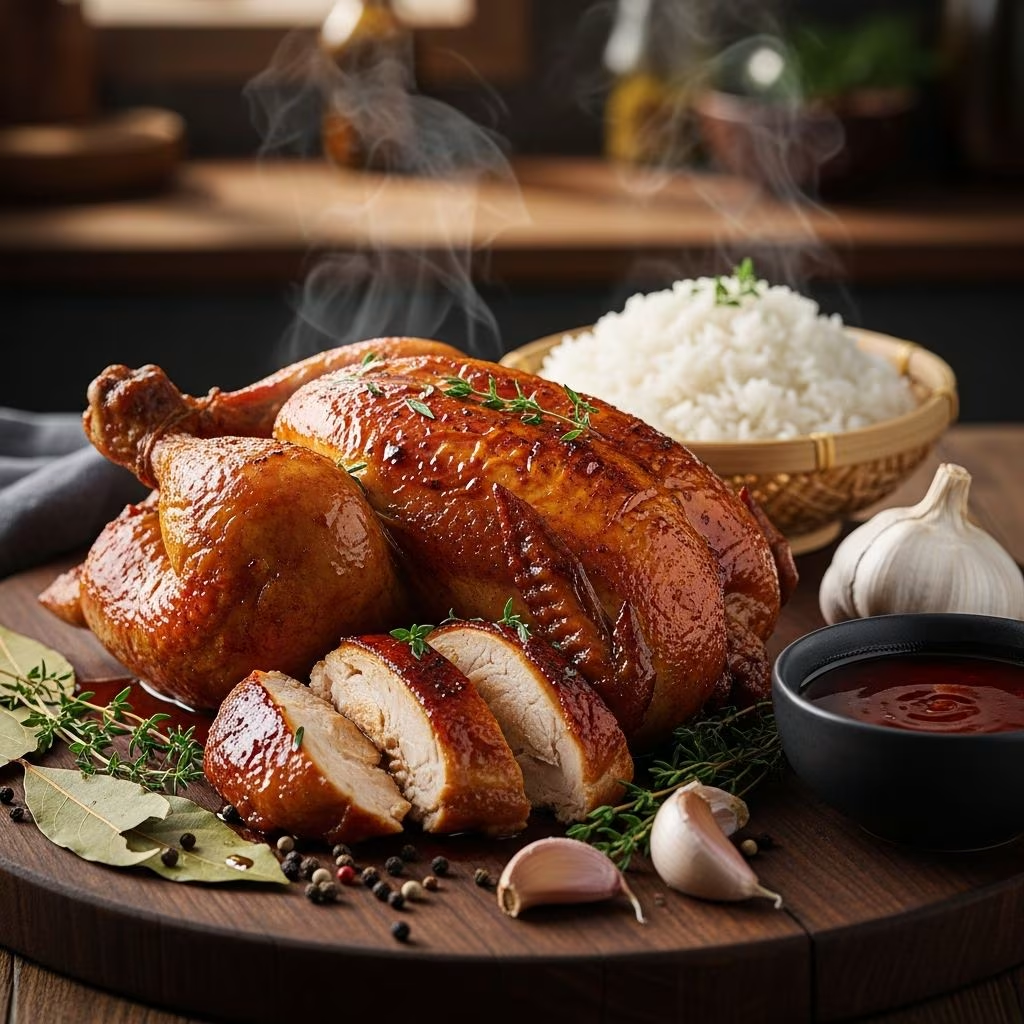
Chicken selection should prioritize flavor and texture. Bone-in, skin-on chicken pieces provide superior results compared to boneless options. The bones contribute gelatin that enriches the sauce through gentle cooking, while the skin becomes gloriously crisp in the oven’s dry heat—something that rarely occurs in traditional stovetop preparations. Thighs and drumsticks offer more forgiving cooking parameters than breast meat, remaining moist even with longer cooking times.
Vinegar Considerations
The type of vinegar significantly impacts the final dish’s character. While white vinegar provides straightforward acidity, apple cider vinegar introduces subtle fruity notes. In the Philippines, calamansi vinegar would be traditional, though it’s not always readily available internationally. For those seeking authenticity, white vinegar or a combination of white and apple cider vinegar creates a balanced acidic profile that doesn’t overpower the other ingredients.
Soy Sauce Selection
Not all soy sauces are created equal. Full-bodied, naturally fermented soy sauce provides more complexity than lighter, chemically-processed alternatives. Japanese-style soy sauce works well, though Filipino soy sauce (if available) offers distinctive characteristics that align with the dish’s cultural origins.
Aromatics and Seasonings
Fresh garlic cloves, preferably not pre-minced, ensure maximum flavor contribution. Bay leaves should be fresh enough that they still possess aromatic oils—dried bay leaves from the back of the cabinet for years lose potency. Black peppercorns, freshly cracked rather than pre-ground, maintain their volatile compounds that make them distinctive.
Preparing Your Ingredients: The Foundation for Success
Proper preparation before cooking creates a more seamless process and more predictable outcomes. Begin by patting chicken pieces completely dry with paper towels. Moisture on the surface inhibits browning and creates steam that prevents the skin from crisping properly.
Slice garlic cloves into thin fragments rather than mincing them finely. This approach prevents garlic from burning during the high-heat roasting phase while allowing it to soften and sweeten as it cooks within the braising liquid.
Combine vinegar, soy sauce, and water in a measuring vessel to ensure accurate proportions before mixing with the chicken. Many cooks find that adding about one-quarter to one-third cup of water to the vinegar-soy mixture creates the right sauce consistency, though this can be adjusted based on personal preference and the specific moisture content of the chicken pieces used.
The Oven-Roasting Technique: A Modern Approach
Initial Preparation and Seasoning
Place chicken pieces skin-side up in a roasting pan or heavy-bottomed baking dish. Season lightly with salt and black pepper, keeping in mind that soy sauce will contribute additional saltiness. Scatter sliced garlic cloves and bay leaves around the chicken pieces, distributing them evenly throughout the pan.
The Two-Phase Cooking Method
The recommended approach utilizes two distinct cooking phases. Begin by roasting the chicken at 425°F (approximately 220°C) for the first fifteen to twenty minutes. This high-temperature phase accomplishes critical objectives: it begins rendering fat from beneath the skin, promotes browning through the Maillard reaction, and creates textural contrast that distinguishes this preparation from traditional stovetop adobo.
After the initial high-temperature roasting, carefully pour the combined vinegar, soy sauce, and water mixture into the pan, positioning it to flow between chicken pieces rather than directly over the skin (which would compromise the browning that’s just begun). Reduce oven temperature to 350°F (approximately 175°C) and continue cooking for an additional thirty to forty minutes, depending on the size of the chicken pieces.
Monitoring Doneness
Rather than relying solely on timer guidelines, use a meat thermometer to verify doneness. Chicken is safely cooked when it reaches an internal temperature of 165°F (74°C) at the thickest part of the thigh, away from bone. Since bone conducts heat differently than flesh, checking temperature in multiple locations ensures accuracy.
Sauce Development and Flavor Concentration
During the braising phase, the liquid in the pan transforms through reduction and flavor concentration. The acidic vinegar mellows as it heats, becoming more integrated with the other components. The proteins in the soy sauce and chicken create deeper umami notes. The bay leaves and garlic infuse their essence into the surrounding liquid.
If the sauce appears too thin after cooking is complete, remove the chicken pieces to a serving platter (keeping them warm) and place the roasting pan directly over medium-high heat on the stovetop. Allowing the sauce to simmer for several minutes concentrates flavors and reduces excess liquid, creating a more cohesive coating that clings to the chicken.
Essential Cooking Guidelines and Timing
| Cooking Stage | Temperature | Duration | Purpose |
|---|---|---|---|
| Initial Roasting | 425°F (220°C) | 15-20 minutes | Browning and skin crisping |
| Braising Phase | 350°F (175°C) | 30-40 minutes | Flavor development and cooking through |
| Sauce Reduction (Optional) | Medium-High Stovetop | 3-5 minutes | Concentrating flavors and thickening |
Troubleshooting Common Challenges
Skin Doesn’t Crisp Properly
If the skin fails to achieve the desired crispness, ensure that chicken pieces are truly dry before cooking begins. Additionally, avoid covering the pan with foil during the initial roasting phase. If browning is occurring too quickly and the internal temperature hasn’t reached the target, reduce heat or move the pan to a lower oven rack where temperature is slightly more moderate.
Sauce Tastes Too Acidic
An overly vinegary taste indicates that the proportion of vinegar to other components needs adjustment in future preparations. Alternatively, adding a small amount of brown sugar or honey to the finished dish can balance excessive acidity, though this represents a modification to the traditional preparation.
Chicken Pieces Cook Unevenly
Ensure that all pieces are similar in size, or arrange larger pieces on the outer edges of the pan where heat is more intense, positioning smaller pieces toward the center. Rotating the pan halfway through cooking in the lower oven can promote even heat distribution.
Accompaniments and Serving Suggestions
Oven-roasted chicken adobo pairs beautifully with steamed white rice, which provides neutral contrast to the bold vinegar and soy flavors. For a more interesting presentation, consider serving over jasmine rice, which has subtle floral notes that complement the dish’s complexity.
Fresh vegetables can be added directly to the pan during the braising phase. Potatoes, which are traditional in many adobo preparations, become tender and absorb the flavorful sauce. Boiled eggs, halved and added just before serving, create visual appeal and textural interest.
Pickled vegetables offer bright acidity and crunch that balances the richness of the braised chicken. A simple salad of cucumber and tomato with a light vinaigrette provides freshness that refreshes the palate between bites.
Storage and Flavor Development Over Time
One of adobo’s remarkable characteristics is its ability to improve with time. The flavors continue melding and deepening over several days as the dish rests in the refrigerator. Store cooled adobo in an airtight container for up to four days, or freeze for up to three months.
When reheating, warm gently over low to medium heat, adding a small amount of water if the sauce has become too concentrated. The vinegar-based nature of the dish provides natural preservation properties, making it an ideal candidate for batch cooking and meal planning.
Frequently Asked Questions
Can I use boneless, skinless chicken breasts?
While technically possible, this substitution sacrifices much of what makes this preparation special. The skin renders into a flavorful fat layer, and bones contribute essential gelatin to the sauce. If breast meat is preferred, choose bone-in pieces and reduce cooking time, as they cook faster than thighs or drumsticks.
What if I don’t have bay leaves?
Bay leaves contribute subtle background notes but aren’t absolutely essential. The dish remains authentic and delicious without them. If you have star anise available, one or two pieces can add an interesting dimension, though this represents a variation rather than a traditional preparation.
Is it necessary to brown the chicken initially at high heat?
While the high-temperature initial phase creates superior browning and skin crisping, the dish can be prepared entirely at 350°F if preferred. This lower-temperature approach requires longer cooking time (approximately sixty to seventy minutes total) and produces less dramatic browning but still delivers authentic flavors.
How do I prevent the garlic from burning?
Slicing garlic into fragments rather than mincing finely prevents excessive browning during the high-heat phase. Additionally, scattering garlic pieces between chicken rather than directly on the skin surface shields them from the most intense heat. If garlic appears to be charring during the initial roasting, add the liquid component earlier than recommended.
Variations and Creative Adaptations
While respecting the traditional preparation, thoughtful variations can personalize the dish. Some cooks incorporate ginger slices for warmth and slight pungency. Others add a cinnamon stick during braising for subtle sweetness and aromatic complexity. Dried chiles can introduce gentle heat without overwhelming the core flavors.
Pork is equally traditional to chicken in Filipino adobo preparations. Shoulder or butt cuts, cut into chunks, develop wonderful texture in this preparation, though longer cooking times may be necessary due to their denser structure.
References
- Food Safety Basics: Safe Internal Temperatures — U.S. Department of Agriculture Food Safety and Inspection Service. https://www.fsis.usda.gov/food-safety/safe-food-handling-and-preparation/food-safety-basics/safe-internal-temperature-chart
- The Maillard Reaction in Food Chemistry — Journal of Agricultural and Food Chemistry, American Chemical Society. Published research on protein-carbohydrate reactions at elevated temperatures. https://pubs.acs.org/journal/jafcau
- Traditional Filipino Cuisine and Regional Cooking Methods — Cultural Heritage Documentation Project, University of the Philippines. Academic resource on authentic Filipino culinary practices. https://www.upd.edu.ph
- Fermentation and Soy Sauce Production Standards — International Organisation for Standardisation (ISO) and Food and Agriculture Organization of the United Nations. Technical specifications for fermented soy products. https://www.iso.org
- Gelatin Extraction and Collagen from Bone During Cooking — Food Research International, peer-reviewed journal. Studies on heat-induced protein changes in bone-based cooking. https://www.sciencedirect.com/journal/food-research-international