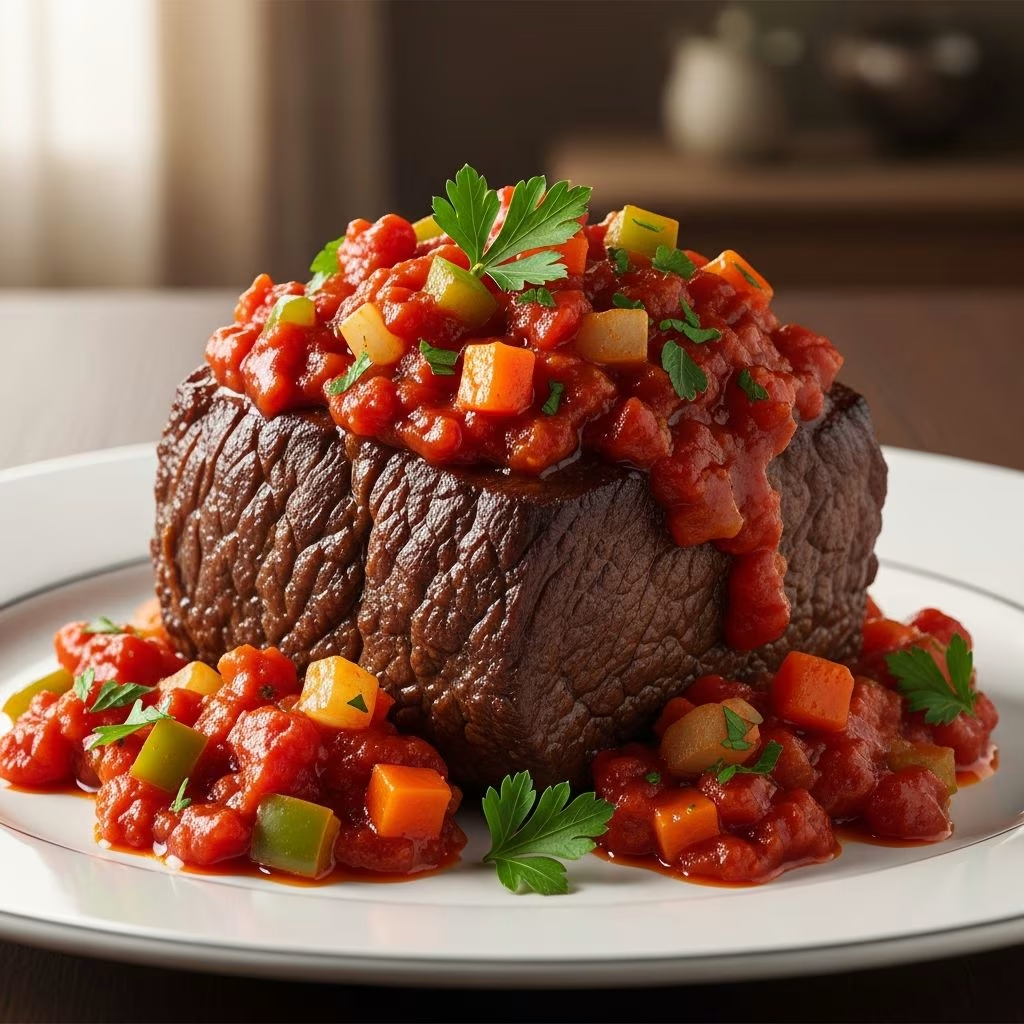
Swiss steak represents a timeless comfort dish where tough cuts of beef transform into melt-in-your-mouth tenderness through slow oven cooking. This method combines mechanical tenderizing, searing for flavor, and braising in a savory vegetable-packed sauce, yielding a meal that’s both nourishing and deeply satisfying. Rooted in American home cooking traditions, it turns economical round steak into a highlight of any dinner table.
Understanding the Essence of Swiss Steak
The term \”Swiss\” derives from the Swissing process, an old technique of pounding meat to break down fibers and enhance sauce absorption. Unlike grilling or pan-frying, oven-baking allows low, moist heat to gradually tenderize the beef while infusing it with aromatic vegetables and a robust gravy base. Typically made with top round or bottom round steak, this dish shines with its balance of lean protein and slow-simmered flavors from tomatoes, onions, carrots, and celery.
Key to success lies in selecting the right cut: a 3/4-inch thick round steak provides ideal texture. The baking process, often at 325-350°F for 1.5-2 hours, ensures the collagen in the meat converts to gelatin, creating that signature fork-tender quality. This approach minimizes active cooking time, making it perfect for busy weeknights or meal prepping.
Essential Ingredients for Authentic Flavor
Gathering quality components sets the foundation for exceptional Swiss steak. Focus on fresh produce and pantry staples to build layers of taste without complexity.
- Beef round steak: 1-1.5 pounds, about 3/4-inch thick, for 4 servings. Opt for grass-fed if possible for richer flavor.
- All-purpose flour: 1/4 cup for dredging, promoting browning via the Maillard reaction.
- Seasonings: Salt (1/2 tsp), black pepper (1/4 tsp), garlic powder for base flavor.
- Oil: 2-3 tbsp neutral oil like canola or olive for searing.
- Vegetables: 1 onion (sliced), 2 carrots (chopped), 2 celery stalks (diced), 1 bell pepper (optional strips), mushrooms (1 cup sliced) for sweetness and earthiness.
- Liquid base: 14-24 oz stewed tomatoes or tomato sauce, 1-1.75 cups beef broth, 1-2 tbsp Worcestershire or coconut aminos for umami depth.
- Thickeners: Optional cornstarch slurry for gravy consistency post-bake.
These elements create a harmonious profile: tangy tomatoes cut through beef richness, while vegetables add natural sweetness and texture contrast.
Step-by-Step Preparation Guide
Follow these precise steps to achieve professional results at home. Total active time is under 30 minutes, with the oven handling the rest.
- Tenderize the meat: Place steak between plastic wrap or parchment. Use a meat mallet or rolling pin to pound evenly to 1/4-1/2 inch thickness. This breaks tough fibers, allowing faster cooking and better sauce penetration.
- Season and coat: Mix flour, salt, and pepper in a shallow dish. Dredge both sides of steak, shaking off excess for even browning without clumping.
- Brown the steak: Heat oil in a large oven-safe skillet or Dutch oven over medium-high. Sear steak 2-3 minutes per side until golden crust forms. Remove to a plate, retaining pan drippings for sauce.
- Sauté vegetables: In the same skillet, add onions, carrots, celery, peppers, and mushrooms. Cook 4-5 minutes until softened. Deglaze with a splash of broth, scraping flavorful bits.
- Build the gravy: Stir in tomatoes, remaining broth, Worcestershire, and garlic. Simmer 2-3 minutes. For creamier texture, whisk in condensed mushroom soup (strained).
- Assemble and bake: Return steak to skillet, nestling under gravy. Cover tightly with foil or lid. Bake at 325-350°F for 1.5-2 hours, until beef shreds easily.
- Thicken if needed: Mix 1 tbsp cornstarch with 2 tbsp cold water. Stir into gravy, bake uncovered 15-30 more minutes for silky consistency.
Rest 10 minutes before serving to redistribute juices.
Ingredient Variations for Dietary Needs
Adapt Swiss steak to fit modern diets while preserving core appeal. Use this table for quick substitutions:
| Original | Variation | Benefit |
|---|---|---|
| Beef round steak | Grass-fed swiss steak or venison | Leaner, more nutrient-dense protein |
| All-purpose flour | Almond flour or gluten-free blend | Grain-free, lower carb option |
| Worcestershire sauce | Coconut aminos | Soy-free, lower sodium umami |
| Canola oil | Coconut or avocado oil | Healthier fats, higher smoke point |
| Stewed tomatoes | Crushed fire-roasted tomatoes | Smokier, intensified flavor |
These tweaks maintain tenderness and taste, accommodating paleo, keto, or gluten-sensitive eaters.
Perfect Pairings and Serving Ideas
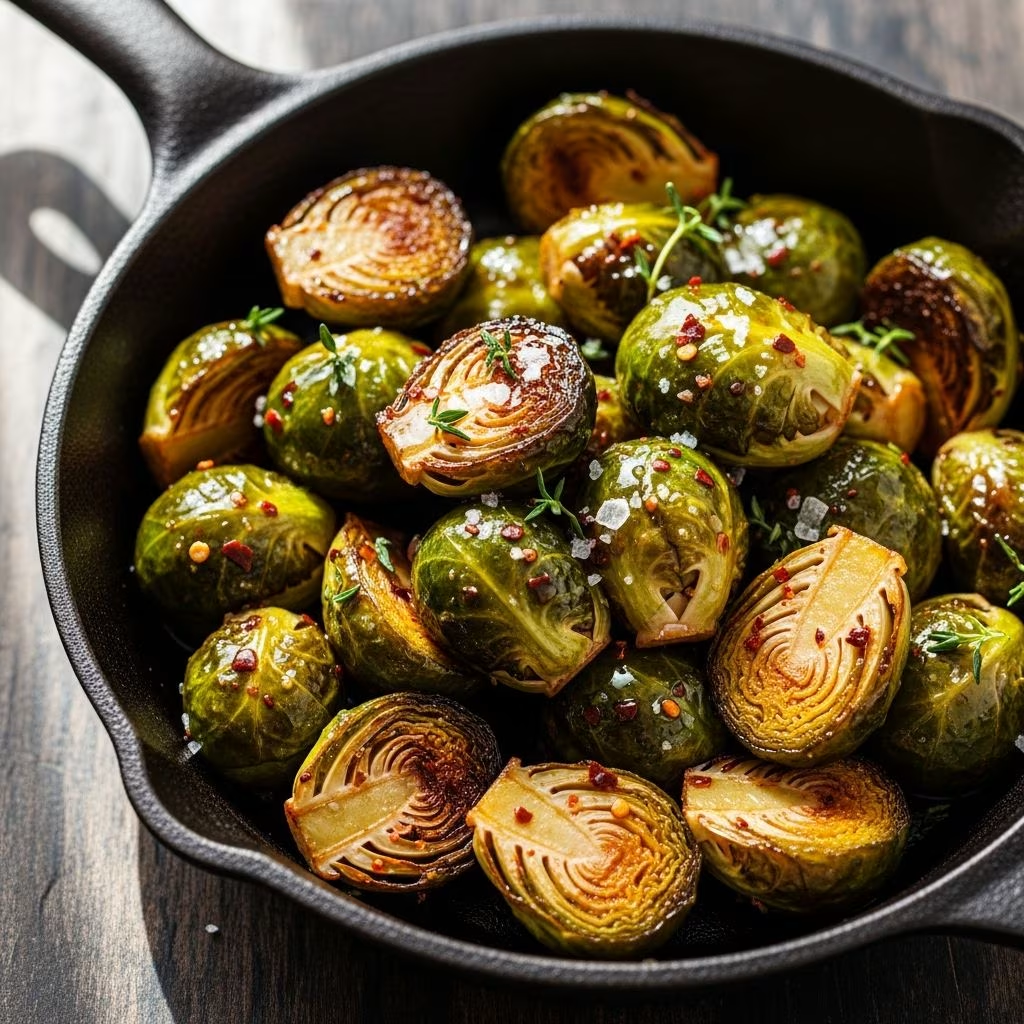
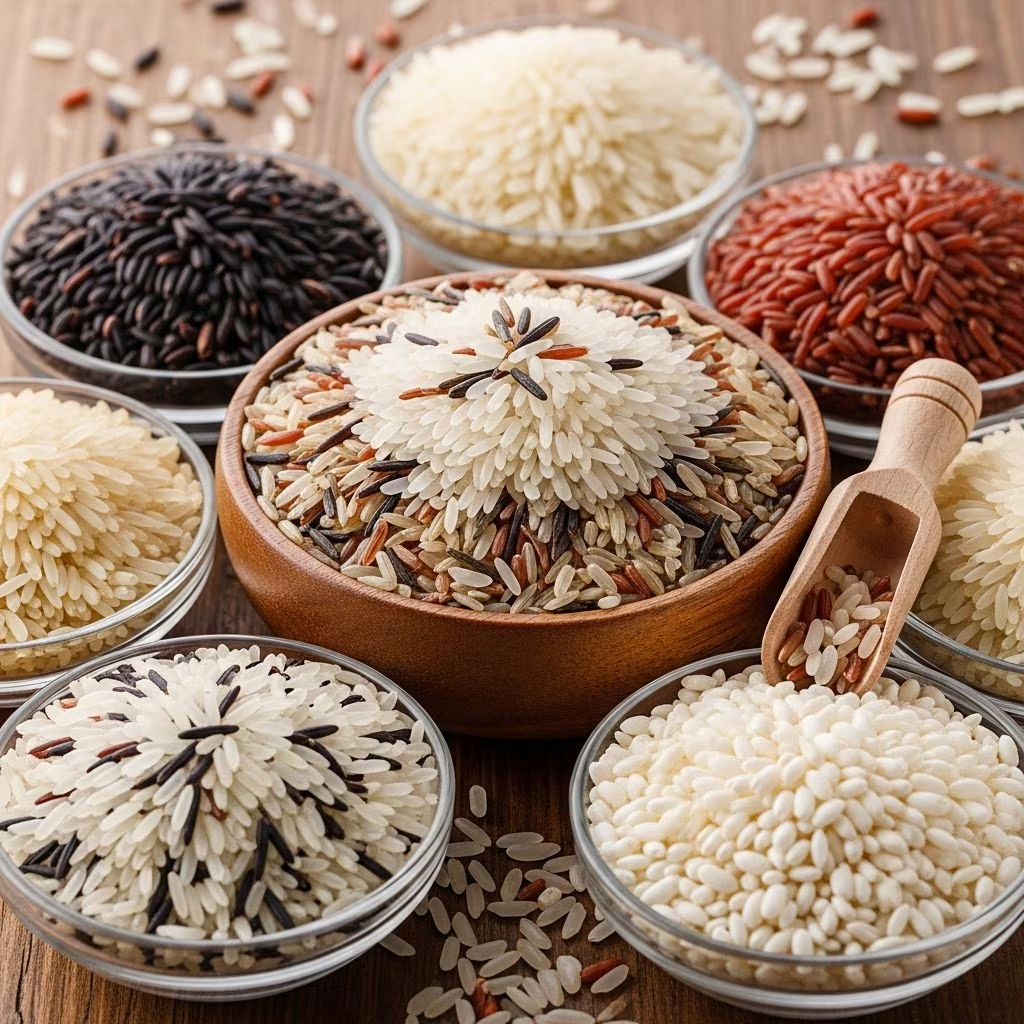
Elevate Swiss steak with sides that complement its hearty nature. Serve over creamy mashed potatoes to soak up gravy, buttered egg noodles for a classic touch, or fluffy rice for gluten-free appeal. Add a green vegetable like steamed broccoli or green beans for balance.
For beverages, pair with a medium-bodied red wine like Merlot or a crisp lager to cut richness. Leftovers reheat beautifully, storing in airtight containers for 3-4 days or freezing up to 3 months.
Troubleshooting Common Pitfalls
- Tough meat: Extend bake time by 30 minutes or ensure thorough tenderizing. Use a fork to test doneness.
- Thin gravy: Always add cornstarch slurry and uncovered bake at end.
- Over-browned veggies: Sauté gently; add broth early to prevent sticking.
- Bland flavor: Increase Worcestershire or add fresh herbs like thyme/rosemary during assembly.
Nutritional Profile and Health Benefits
A 4-oz serving delivers approximately 350 calories, 30g protein, 15g fat, and 20g carbs, rich in iron, zinc, and vitamin C from vegetables. The slow cooking preserves nutrients while breaking down proteins for easy digestion. According to USDA data on beef round, it’s a lean source providing 25% daily iron needs. Pairing with veggies boosts fiber intake, supporting heart health per Harvard nutrition studies.
Advanced Techniques for Home Chefs
Experiment with a slow cooker: After browning, transfer to crockpot on low 6-8 hours. For Instant Pot, pressure cook 35 minutes post-sauté. Infuse global twists like Italian herbs or smoky paprika for variety. Double the recipe for crowds, using a large roaster.
Pro tip: Pound steak uniformly to avoid uneven cooking. Invest in a cast-iron Dutch oven for superior heat retention.
Frequently Asked Questions (FAQs)
Can I make Swiss steak without pounding?
Pounding is ideal for tenderness, but slicing thin or using pre-tenderized cube steak works with longer bake times.
What’s the best oven temperature?
325°F for gentler cooking or 350°F for faster results; check internal temp reaches 195°F for shreddable texture.
Is it freezer-friendly?
Yes, portion with gravy in bags; thaw overnight and reheat at 300°F covered.
How do I thicken gravy naturally?
Mash some cooked veggies into the sauce or simmer uncovered longer.
Vegetarian version?
Substitute portobello mushrooms or seitan for beef, keeping the gravy base intact.
Why Oven-Baked Swiss Steak Endures
This dish’s appeal lies in its simplicity and transformative power, turning budget beef into gourmet fare. Generations have relied on it for its reliability and crowd-pleasing flavors. Master it once, and it becomes a repertoire staple.
References
- Nutrient Data Laboratory, Beef, round, top round steak — USDA. 2022-01-01. https://fdc.nal.usda.gov/fdc-app.html#/food-details/169483/nutrients
- Vegetables and Fruits for Heart Health — Harvard T.H. Chan School of Public Health. 2023-05-15. https://www.hsph.harvard.edu/nutritionsource/what-should-you-eat/vegetables-and-fruits/
- FoodData Central: Cooking Methods and Nutrient Retention — USDA Agricultural Research Service. 2024-02-20. https://fdc.nal.usda.gov/