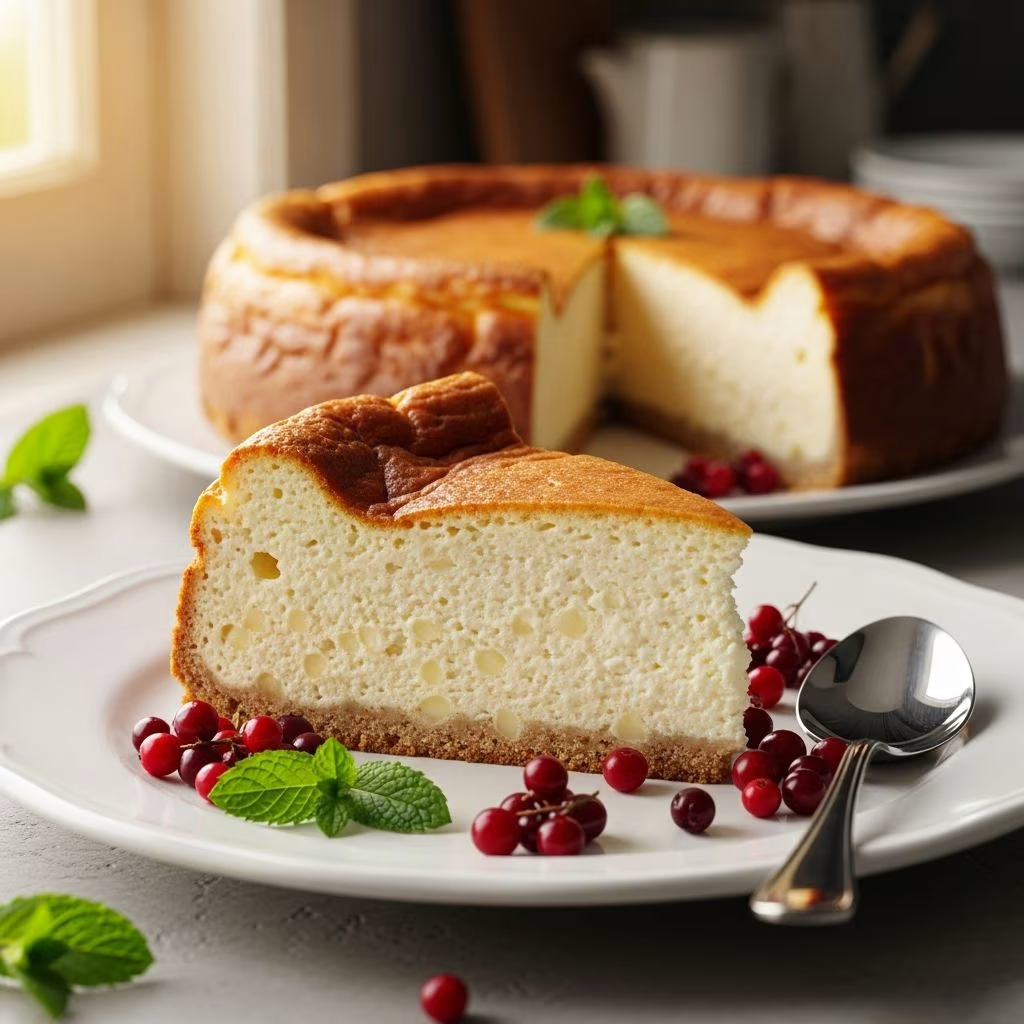
Ostkaka, known as Swedish cheesecake, stands out as a regional treasure from the Småland province in southern Sweden. Unlike dense New York-style cheesecakes, this crustless treat boasts a light, custardy texture enriched with cottage cheese, ground almonds, and subtle flavors. Traditionally savored during holidays like Midsummer or Christmas, it pairs beautifully with whipped cream, fruit preserves, or fresh berries, offering a refreshing end to any meal.
The Origins and Cultural Significance of Ostkaka
Ostkaka traces its roots to Småland, where it emerged centuries ago as a practical dessert using local dairy products. Historical accounts suggest it dates back to medieval times when fresh cheese curds were abundant from farmstead production. In Småland, families gathered for ostkaka-fester, festive events centered around this dish, fostering community bonds through shared baking and feasting.
This cheesecake embodies Swedish culinary simplicity: minimal ingredients transformed into something elegant. Its name, meaning “cheese cake,” reflects the use of mesost or fresh cheese curds, though modern adaptations often substitute cottage cheese for accessibility. Preserved in folklore and family recipes, Ostkaka remains a symbol of regional pride, celebrated at cultural festivals and home kitchens alike.
Key Ingredients That Define Ostkaka’s Flavor
The magic of Ostkaka lies in its straightforward pantry staples, balanced for tenderness and subtle nuttiness. Core components include:
- Cottage cheese: Provides creaminess and mild tang; full-fat versions yield the best moisture.
- Ground almonds or almond flour: Adds nutty depth and structure without overpowering.
- Eggs: Bind the batter, creating a fluffy, pudding-like rise during baking.
- Milk or cream: Ensures a smooth, pourable consistency; heavy cream enhances richness.
- Sugar: Sweetens gently, allowing accompaniments to shine.
Optional enhancements like lemon zest, almond extract, or cardamom introduce aromatic lifts, evoking Scandinavian forests and holidays. For authenticity, select high-quality, small-curd cottage cheese and blanch almonds for finer grinding.
Step-by-Step Guide to Baking Perfect Ostkaka
Preparing Ostkaka is straightforward, requiring about 15 minutes of active time and under an hour of baking. This beginner-friendly recipe serves 6-8 and uses readily available ingredients.
Ingredients (for an 8-inch dish):
| Ingredient | Quantity | Notes |
|---|---|---|
| Cottage cheese (full-fat) | 2 cups (450g) | Drain excess liquid; blend smooth if preferred |
| Almond flour or ground almonds | ½ cup (50g) | Blanched for finer texture |
| All-purpose flour or rice flour (gluten-free option) | ¼ cup (30g) | Lightens the batter |
| Eggs | 3 large | Room temperature for even mixing |
| Milk or heavy cream | 1¼ cups (300ml) | Whole milk for creaminess |
| Granulated sugar | ½ cup (100g) | Adjust to taste |
| Vanilla extract or lemon zest | 1 tsp | Optional flavor boost |
Baking Instructions:
Preheat oven to 390°F (200°C). Grease an 8×8-inch (20x20cm) baking dish or springform pan with butter. Line with parchment for easy release.
In a large bowl, mash or blend cottage cheese to desired smoothness—chunky for rustic texture, smooth for elegance.
Whisk in eggs, sugar, flour, milk/cream, and flavorings until lump-free. Fold in ground almonds gently to preserve airiness.
Pour batter into prepared dish. Bake 45-50 minutes until golden on top and set in the center (slight jiggle is ideal). If browning too quickly, tent with foil.
Cool 20 minutes in the pan, then chill or serve warm. The cake firms as it cools, developing its signature chew.
Pro tip: A water bath prevents cracks and ensures even cooking, mimicking traditional methods.
Traditional vs. Modern Variations
Classic Ostkaka relies on rennet-coagulated cheese curds for authenticity, a process involving warming milk, adding rennet, and draining whey. This yields a firmer, more elastic texture but demands time (1-2 hours coagulation).
Contemporary twists simplify with store-bought cottage cheese:
- Gluten-free: Swap all-purpose flour for rice or almond flour.
- Low-carb: Increase almond flour, reduce sugar with stevia.
- Flavor infusions: Cardamom, orange zest, or rum-soaked raisins.
- Mini versions: Use muffin tins for individual portions, bake 25-30 minutes.
For purists, homemade curds elevate the dish: Heat 1 gallon milk to 98°F, stir in rennet slurry, let set 1 hour, then drain.
Perfect Pairings and Serving Suggestions
Ostkaka shines unadorned but transforms with thoughtful toppings. Essential companions include:
- Whipped cream: Lightly sweetened with vanilla for cloud-like contrast.
- Berry preserves: Lingonberry or strawberry jam cuts richness.
- Fresh fruits: Strawberries, blueberries, or cloudberries for tartness.
- Crème fraîche or sour cream: Adds tangy depth.
Serve warm for pudding-like softness or chilled for firmer slices. In Sweden, it’s a Midsummer staple alongside pickled herring and aquavit, balancing savory feasts.
Troubleshooting Common Baking Issues
Even simple recipes can falter. Here’s how to fix mishaps:
| Problem | Cause | Solution |
|---|---|---|
| Cracks on surface | Oven too hot; rapid rise | Use water bath; lower temp to 350°F after 30 min |
| Soggy bottom | Excess whey in cheese | Strain cottage cheese 1 hour; pat dry |
| Grainy texture | Unblended curds | Food process batter smooth |
| Not setting | Underbaked | Bake until knife test clean; cool slowly |
Storage: Refrigerate up to 3 days in airtight container; freezes well for 1 month, thaw overnight.
Health Benefits and Nutritional Profile
Ostkaka offers a protein-packed alternative to heavier desserts. A slice (1/8th recipe) provides ~200 calories, 12g protein from cottage cheese and eggs, plus almonds’ healthy fats and vitamin E. Opt for low-fat dairy to reduce calories without sacrificing flavor. Its lower sugar content compared to cream cheese cakes makes it diabetic-friendly when portioned mindfully.
Why Ostkaka Deserves a Spot in Your Dessert Repertoire
This Swedish gem captivates with its effortless elegance, bridging old-world tradition and modern ease. Whether hosting a dinner party or craving hygge, Ostkaka delivers joy in every bite—light yet satisfying, versatile yet authentic.
Frequently Asked Questions (FAQs)
What is the difference between Ostkaka and American cheesecake?
Ostkaka is lighter, crustless, and uses cottage cheese for a custardy texture, while American versions are dense with cream cheese.
Can I make Ostkaka without cottage cheese?
Yes, homemade curds from milk and rennet replicate tradition, though cottage cheese is a convenient substitute.
Is Ostkaka gluten-free?
Easily made so with rice or almond flour instead of wheat.
How long does Ostkaka last?
3 days refrigerated; freeze for longer storage.
Best toppings for Ostkaka?
Whipped cream and jam are classic; try fresh berries or custard.
References
- Småland Ostkaka (Swedish Cheesecake) — Scandinavian Cookbook. 2023. https://scandinaviancookbook.com/smaland-ostkaka-swedish-cheesecake/
- How to make Ostkaka – Swedish Cheese Cake — Little Green Cheese. 2022-08. https://www.littlegreencheese.com/2022/08/how-to-make-ostkaka-swedish-cheese-cake.html
- Swedish cheesecake with strawberries (ostkaka) — Caroline’s Cooking. N/A. https://www.carolinescooking.com/swedish-cheesecake-strawberries-ostkaka/
- Ostkaka (Swedish cheese cake) — Semiswede. 2011-12-28. https://semiswede.com/2011/12/28/ostkaka-swedish-cheese-cake/
- Swedish Cheesecake – Ostkaka — Cinnamon Sugar and a Little Bit of Murder. N/A. https://cinnamonsugarandalittlebitofmurder.com/swedish-cheesecake/
- Swedish Cheesecake — Bake from Scratch Magazine. N/A. https://bakefromscratch.com/swedish-cheesecake/
- Easy Småland Ostkaka (Swedish Cheesecake) — YouTube (Scandinavian Cookbook). N/A. https://www.youtube.com/watch?v=LXUikFZm7vM