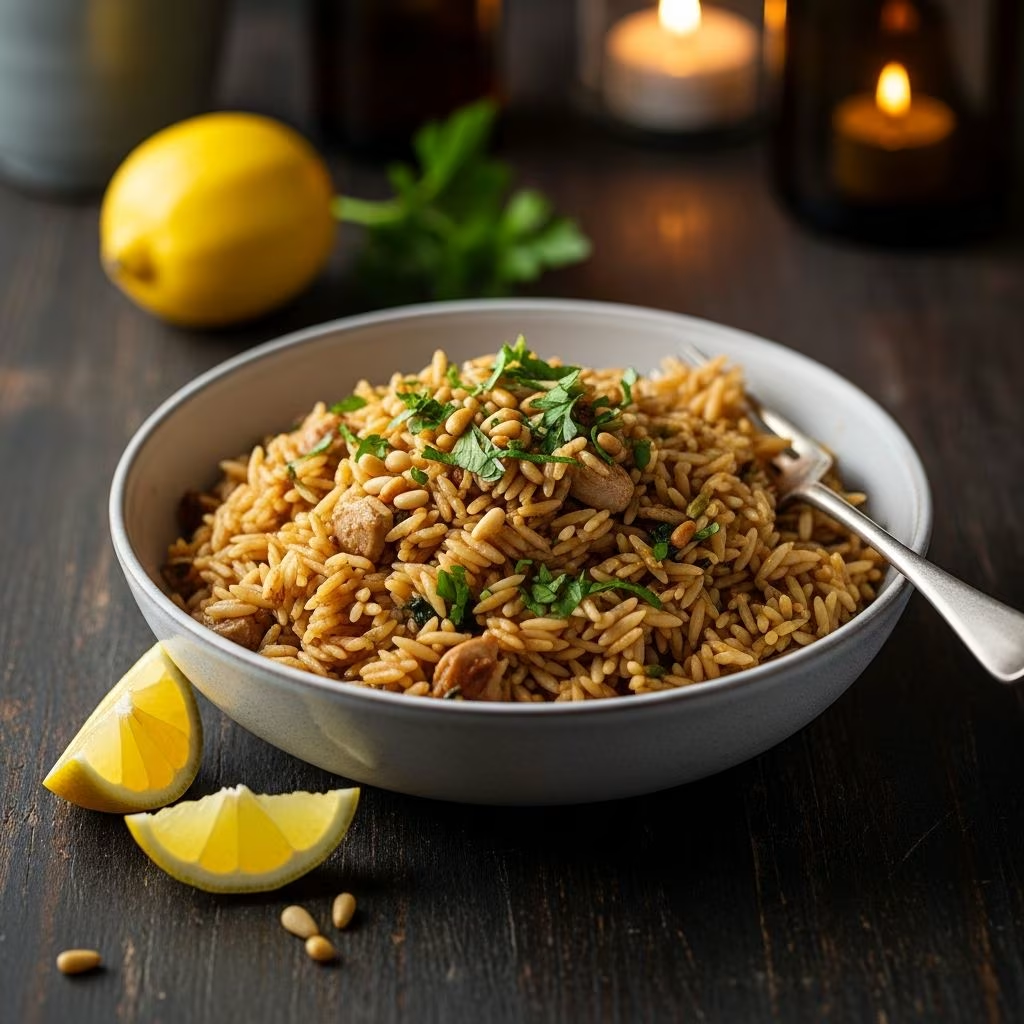
The kitchen holds countless opportunities to transform simple ingredients into memorable dishes that delight family and guests alike. One such culinary creation combines two humble grains into a sophisticated side dish that brings warmth, texture, and flavor to any plate. This exploration into grain-based comfort food reveals how the marriage of rice and pasta can elevate everyday dining experiences.
Understanding the Foundation: Why This Combination Works
The genius of combining orzo pasta with rice lies in the interplay of textures and flavors that each ingredient contributes. Rice provides a delicate, absorbent base that soaks up broths and seasonings, while orzo pasta—often called risoni—brings a subtle nutty undertone and slight chewiness that adds complexity to every bite. When toasted before cooking, the orzo develops deeper caramelized notes that distinguish this preparation from standard rice dishes.
This technique draws from classical pilaf methods where grains are toasted before being cooked in liquid, a practice that intensifies flavors and creates individual, separated grains rather than a mushy texture. The combination of two starches might seem redundant, yet each element plays a distinct role in creating a balanced final dish.
Ingredient Selection and Preparation
Creating this dish begins with understanding each component’s role. The foundation starts with quality butter—typically two tablespoons—which serves as both a cooking medium and flavor carrier. Butter’s emulsifying properties help distribute flavors evenly throughout the grains while contributing a subtle richness that elevates the entire dish.
The orzo pasta, measuring approximately half a cup in its dry form, undergoes a critical transformation through toasting. This dry-heat cooking method activates compounds within the pasta, creating a golden-brown exterior that signals flavor development. The process typically requires three to four minutes of constant stirring to ensure even browning without burning.
Aromatics form the flavor foundation. Half a cup of diced onion provides sweetness that develops through caramelization, while two minced garlic cloves introduce pungent, savory notes that permeate the dish. These vegetables are added sequentially—onion first to build a flavor base, followed by garlic to prevent burning its delicate compounds.
The rice selection matters considerably. Standard long-grain white rice works best, as its structure maintains integrity through cooking without becoming sticky or clumped. Half a cup of uncooked rice expands to roughly one and a half cups when fully cooked, creating a balanced ratio with the orzo.
Chicken broth—two cups total—provides the liquid environment for cooking and flavor delivery. Using quality broth, whether homemade or purchased, directly impacts the final taste profile. The broth should be unsalted or low-sodium to allow for proper seasoning control.
Step-by-Step Technique Breakdown
The Toasting Phase: Begin by melting butter in a heavy-bottomed skillet with a lid over medium-low heat. The lower temperature prevents butter from browning too quickly while the orzo toasts. Once melted, add the orzo and stir continuously for three to four minutes until the pasta turns a light golden-brown color. This step cannot be rushed or neglected, as it establishes the flavor foundation for the entire dish.
Building Aromatic Layers: Add the diced onion to the toasted orzo and continue cooking, stirring occasionally, for approximately three minutes until the onion becomes translucent. This indicates that the onion’s cell walls have broken down, releasing sugars that caramelize slightly. Immediately add the minced garlic and cook for just one minute, stirring constantly. This brief cooking time develops garlic’s flavor without allowing it to burn and become bitter.
Grain Introduction: Introduce the uncooked rice to the mixture, stirring to coat each grain with the butter and warm it through. This warming process, lasting about one minute, begins the grain’s preparation for absorbing liquid. Pour in the chicken broth, stirring gently to ensure even distribution of liquid.
Cooking Process: Increase the heat to high and bring the broth to a vigorous boil—this is crucial for proper grain expansion. Once boiling, reduce the heat to medium-low, place the lid on the skillet, and simmer without disturbing for 20 to 25 minutes. The covered environment creates steam that cooks the grains evenly while the liquid gradually absorbs.
The Rest Period: After removing from heat, leave the covered skillet undisturbed for five minutes. This resting period allows any remaining moisture to be absorbed and allows the grains to set, creating a fluffier final product.
Final Treatment: Using a fork rather than a spoon, gently fluff the pilaf by lifting and separating the grains. This action breaks up any clumping and incorporates air, creating a light, individual-grain texture. At this stage, season to taste with salt and freshly ground black pepper.
Variations and Creative Adaptations
While the classic preparation stands on its own merits, numerous variations allow for customization based on available ingredients and personal preferences. Vegetable broth can replace chicken broth for vegetarian preparations, with mushroom broth offering an umami-rich alternative. Different herbs—thyme, bay leaves, or parsley—can be added to the broth for additional aromatic complexity.
The vegetable component can be expanded beyond onions and garlic. Bell peppers, diced finely, add sweetness and color. Carrots contribute earthiness and slight sweetness. Celery introduces subtle herbal notes. These additions maintain the cooking method but expand the nutritional profile and visual appeal.
Protein integration is possible without compromising the dish’s identity as a side. Ground meat cooked with the aromatics before adding grains creates a more substantial preparation. Diced cooked chicken or seafood can be stirred in during the resting period to warm through without additional cooking.
Nuts—toasted almonds, pine nuts, or walnuts—can be scattered over the finished dish for textural contrast and flavor complexity. Dried fruits like raisins or cranberries add brightness and subtle sweetness that balances savory elements.
Pairing Suggestions and Serving Strategies
This pilaf’s versatility makes it an exceptional accompaniment to various proteins and cuisines. Roasted or grilled poultry benefits from the pilaf’s complementary flavors and textural contrast. Fish, particularly white varieties, pairs well with the light, grain-based preparation. Red meats are balanced by the pilaf’s subtle sweetness and aroma.
The dish transitions easily across cultural culinary traditions. Mediterranean-inspired meals featuring tomatoes, olives, and herbs gain textural interest from this preparation. Middle Eastern presentations incorporating spices like cumin or cinnamon integrate seamlessly. Asian adaptations using soy sauce, ginger, and sesame oil demonstrate the base recipe’s fundamental adaptability.
Serving size considerations suggest approximately one cup of finished pilaf per person as a standard side portion. For smaller appetites or multi-course meals, half-cup portions provide adequate starch components without overwhelming the plate.
Storage and Make-Ahead Strategies
Prepared pilaf can be refrigerated in airtight containers for up to four days, maintaining reasonable quality throughout storage. Reheating can be accomplished by adding a small amount of liquid—water or broth—and warming gently over medium heat or in a microwave, stirring occasionally to ensure even heat distribution.
The recipe can be partially prepared in advance. The orzo can be toasted and aromatics measured, then combined at cooking time for time efficiency without sacrificing quality. This approach proves valuable for meal planning in busy households.
Frequently Asked Questions
Can I use brown rice instead of white rice?
Brown rice requires approximately 40 to 45 minutes of cooking time rather than 20 to 25 minutes. Adjust liquid accordingly, as brown rice absorbs more moisture. The nutty flavor of brown rice complements the toasted orzo beautifully, though texture will be slightly chewier.
What if I don’t have orzo pasta available?
Small pasta shapes like ditalini or even broken angel hair pasta can substitute for orzo. Avoid very small shapes like couscous, which cook too quickly and may become mushy. The toasting and cooking method remains identical.
Is this dish suitable for dietary restrictions?
Vegetarians and vegans can modify the recipe by substituting vegetable broth for chicken broth and using olive oil or plant-based butter instead of dairy butter. The method and proportions remain unchanged. For gluten-free diets, use gluten-free pasta and ensure broth contains no gluten.
How can I prevent the pilaf from becoming mushy?
The key is maintaining the proper liquid-to-grain ratio and avoiding stirring during cooking. Excessive stirring releases starch, creating a mushy texture. Using medium-low heat after bringing to a boil ensures gentle, even cooking rather than vigorous boiling.
Can this be made in advance for entertaining?
Yes, prepare it up to four days ahead and refrigerate. Reheat gently with added broth to restore moisture. Alternatively, complete all prep work and cook fresh while other components are finishing—the 25-minute cook time fits most meal preparation timelines.
Mastering Consistent Results
Achieving consistent quality requires attention to several details beyond simple ingredient measurement. The skillet size affects heat distribution—use a skillet with approximately 10 to 12-inch diameter. The lid’s fit matters, as steam escape reduces cooking efficiency. A tight-fitting lid ensures proper moisture management.
Heat control represents perhaps the most critical variable. Truly medium-low heat during the initial cooking phase prevents burning the orzo while allowing proper toasting. Temperature consistency throughout cooking ensures even grain expansion. Most stovetops have hot spots, so positioning the skillet centrally helps manage temperature fluctuations.
Water quality subtly influences results. Hard water with high mineral content may slightly affect cooking time. Chlorinated water can introduce off-flavors in sensitive recipes, though most people won’t notice the difference. Using filtered or quality broth helps ensure pure flavors throughout.
Nutritional Considerations
This preparation provides substantial carbohydrates from the combined grains, making it an effective energy source. The butter contributes fat-soluble vitamins and flavor while providing satiety. Onion and garlic offer phytonutrients and compounds with potential health benefits. A single serving contains approximately 200 to 250 calories, varying with exact preparation method and portion size.
The dish’s glycemic impact can be modified by incorporating fiber-rich vegetables or using brown rice instead of white rice. These adaptations slow glucose absorption and increase nutritional density without compromising the fundamental cooking method or flavor profile.
Conclusion: A Timeless Preparation
This grain-based preparation bridges traditional cooking methods with contemporary palates, offering comfort and sophistication in a single dish. The combination of orzo and rice, elevated through proper technique and careful attention to detail, transforms basic ingredients into a memorable side dish worthy of any table. Whether served alongside simple weeknight proteins or elegant entertaining menus, this preparation provides reliable, delicious results that justify its place in any cook’s repertoire.
References
- The Science of Cooking Rice — University of California Division of Agriculture and Natural Resources. 2024. https://ucanr.edu/sites/anrstaff/files/215033.pdf
- Food Preparation Techniques for Whole Grains — United States Department of Agriculture. 2023. https://www.usda.gov/media/blog/2023/06/grain-cookery
- Pasta Cooking Methods and Starch Gelatinization — Institute of Food Technologists. 2022. https://www.ift.org/publications/scientific-journals