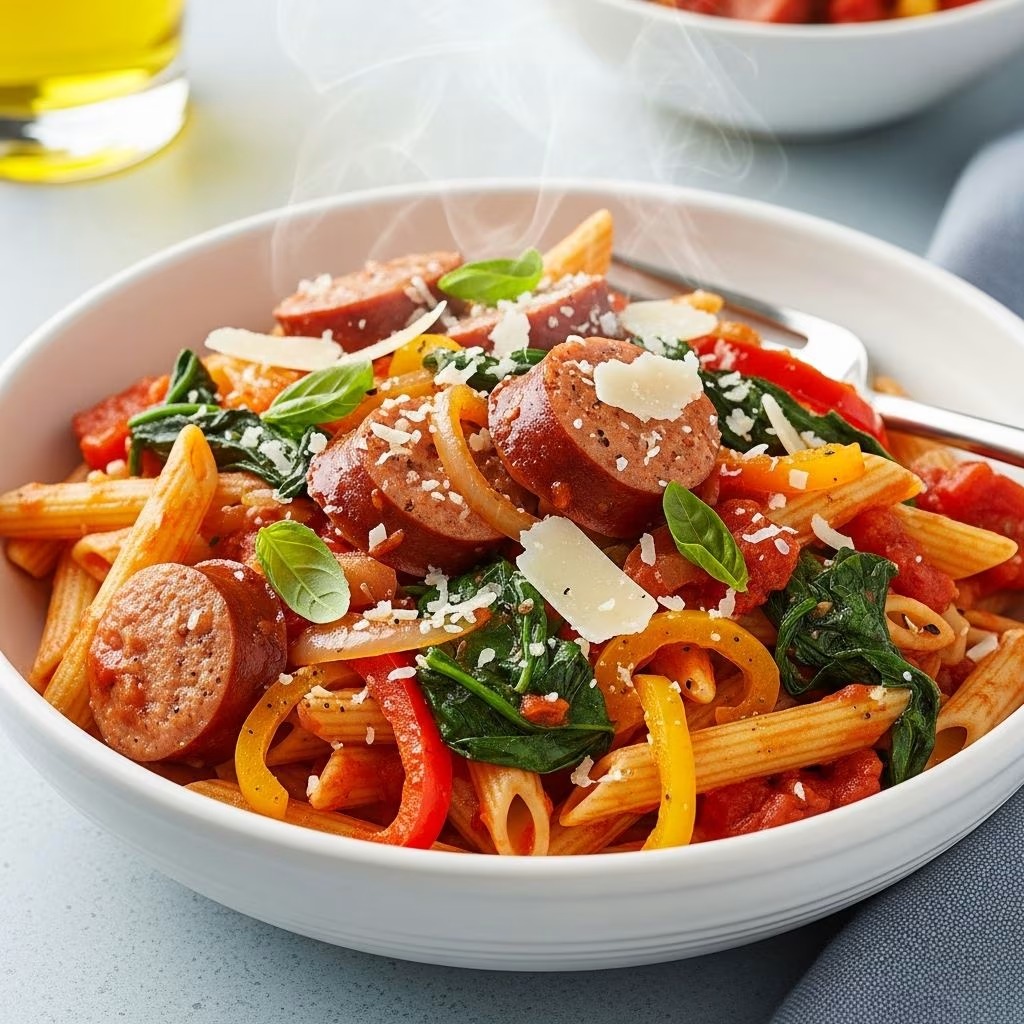
When time is limited but you still want to serve a satisfying, restaurant-quality meal, Italian sausage pasta becomes your secret weapon. This straightforward one-skillet approach transforms humble ingredients into a dish that feels indulgent yet requires minimal effort. Whether you’re feeding a family of four or preparing an impromptu weeknight dinner, mastering this technique ensures you’ll always have a reliable option in your cooking repertoire.
Why This Dish Works for Busy Schedules
The beauty of Italian sausage pasta lies in its efficiency. Unlike traditional pasta preparation that demands boiling water separately and managing multiple pots, this method consolidates everything into a single vessel. The sausage releases its oils and seasonings as it cooks, creating a flavor foundation that eliminates the need for complex spice blends or lengthy preparation steps.
The total cooking time breaks down into manageable phases. Your active preparation—gathering ingredients and initial browning—takes approximately five minutes. The main cooking process unfolds over another fifteen minutes, during which the pasta absorbs the savory sauce while you attend to other tasks. This combination makes the dish ideal for people juggling work, school, and family responsibilities.
Building Your Ingredient Foundation
Success begins with selecting quality components. Italian sausage, particularly the hot variety, provides the dish’s signature spiced character. Choose sausage links rather than ground to give yourself control over size and browning. The broken pieces brown more evenly than keeping them whole, creating multiple surfaces for flavor development.
The liquid base typically combines canned diced tomatoes with tomato sauce. This two-part approach offers both textural variety and concentrated umami flavor. The diced tomatoes maintain their form throughout cooking, providing bursts of acidity, while tomato sauce contributes body and richness. Together, they create a sauce complex enough to feel authentic without requiring hours of simmering.
Water serves as your cooking medium for the pasta. Rather than boiling pasta in a separate pot, you’re essentially creating a braise where the pasta absorbs the tomato-infused liquid while the heat works to soften it to al dente texture. This direct contact means the pasta itself becomes flavored rather than simply coated with sauce afterward.
Finishing touches include red pepper flakes for heat and fresh Parmesan for umami enhancement. Some preparations incorporate minced onion during the initial sausage browning to add sweetness and depth that balances the acidity of the tomatoes.
The Cooking Process Explained
Phase One: Sausage Preparation
Begin by heating a large skillet over medium-high heat. This temperature level allows the skillet to reach proper browning conditions without scorching delicate sauce components later. Once adequately heated, add your broken sausage pieces and minced onion simultaneously.
As the sausage cooks, continuously stir using a wooden spoon, breaking it into smaller, more uniform pieces. This action prevents large chunks from forming and ensures even cooking. The fat rendering from the sausage should coat the pan’s surface, creating a flavorful base for subsequent ingredients. This browning phase typically requires about five minutes.
Once the sausage loses its pink exterior and the onion becomes translucent, drain excess fat if needed. Some cooks prefer leaving behind one to two tablespoons of rendered sausage fat for added flavor, while others remove most of it for a lighter result. Both approaches work; your preference dictates the final outcome.
Phase Two: Sauce Integration and Pasta Addition
Add your undrained canned tomatoes, tomato sauce, water, and pasta to the skillet in one motion. The liquid should completely submerge the pasta. Stir thoroughly to ensure every piece comes into contact with the liquid and no dry pasta remains visible.
Red pepper flakes go in at this stage, distributing their heat throughout the liquid. Bring the entire mixture to a rolling boil over medium-high heat. Once boiling, cover the skillet with a lid or even a baking sheet if a lid isn’t available.
Phase Three: Hands-Off Cooking
Reduce the heat to low and maintain a gentle simmer for fifteen minutes. The lid traps steam, creating a pressure-like environment that cooks the pasta faster than traditional boiling. Check progress around the ten-minute mark, stirring occasionally to prevent sticking. If the mixture appears too dry, add small amounts of water.
The pasta is finished when it reaches al dente texture—tender enough to eat but still with slight resistance. Test a piece before committing to the full fifteen minutes, as pasta brands vary in cooking times. Once the pasta achieves the desired texture and most of the liquid has been absorbed, remove the skillet from heat.
Finishing and Serving
Crown your completed dish with generous quantities of freshly grated Parmesan cheese. Allow the residual heat to soften the cheese as you stir, helping it meld seamlessly into the sauce. The cheese adds saltiness and creates a luxurious mouthfeel that elevates the dish beyond its humble ingredient list.
Serve immediately while the dish maintains its heat and the pasta retains ideal texture. Traditional accompaniments include crusty bread for sauce absorption and a simple green salad to provide freshness and acidity that complements the rich, tomato-based elements.
Flavor Variations and Customizations
While the classic version delivers consistent satisfaction, variations accommodate different preferences and dietary needs. Those seeking additional vegetables can introduce sliced bell peppers, mushrooms, or fresh spinach. Add these during the sausage browning phase to ensure they cook thoroughly and release their flavors into the sauce.
A creamy version substitutes or supplements the tomato sauce with heavy cream or milk added during the final cooking phase. This approach yields a salmon-pink sauce with luxurious texture that appeals to those preferring milder flavors. Reduce the tomato components slightly when incorporating cream to maintain proper consistency.
Garlic lovers can increase minced garlic from the standard single clove to three or four cloves, added with the onion for mellow flavor or toward the end for more pronounced garlic presence. Fresh herbs like basil or oregano contribute Mediterranean authenticity when stirred in immediately before serving.
Nutritional Overview
A standard serving provides approximately 530 calories, with protein content around 24 grams from the sausage and cheese. Carbohydrates comprise roughly 51 grams, mostly from the pasta, while fat accounts for approximately 25 grams. The sodium level sits at approximately 1,100 milligrams per serving due to canned tomatoes, broth, and cheese, making portion control advisable for those monitoring sodium intake.
| Nutrient | Amount per Serving |
|---|---|
| Calories | 531 kcal |
| Carbohydrates | 51g |
| Protein | 24g |
| Fat | 25g |
| Saturated Fat | 8g |
| Sodium | 1,117mg |
| Fiber | 3g |
Equipment and Cookware Considerations
A large skillet serves as the essential tool for this recipe. Cast iron, stainless steel, or heavy-bottomed non-stick pans all perform adequately. The larger the skillet surface area, the better—this allows the sausage to brown properly without crowding. A skillet approximately twelve inches in diameter works optimally.
A tight-fitting lid is crucial for proper steam retention. If your skillet lacks a dedicated lid, aluminum foil works as an acceptable substitute, though it requires careful handling to avoid tipping when removing.
Make-Ahead and Storage Strategies
This dish tolerates refrigeration excellently, making it suitable for meal preparation. Cool completely before transferring to airtight containers, where it maintains quality for up to four days. Reheat gently on the stovetop with a splash of water or broth to restore sauce consistency.
Freezing is possible but may affect pasta texture slightly, as frozen pasta becomes softer upon thawing. If freezing, undercook the pasta slightly during initial preparation to account for additional softening during thawing and reheating.
Common Questions About Preparation
Can I use ground sausage instead of links?
Yes, ground sausage works perfectly and actually requires less initial preparation. Brown it the same way, using a spoon to break it into small pieces. The cooking time remains identical.
What pasta shapes work best?
Penne remains the classic choice due to its tube shape that captures sauce. Rigatoni, fusilli, and other medium-sized shapes work equally well. Avoid tiny pasta like ditalini or orzo, which may become overcooked.
How do I prevent the pasta from becoming mushy?
Monitor the liquid level and stir occasionally to prevent sticking. Taste a piece at the fifteen-minute mark to ensure you catch it at perfect doneness. If pasta appears close to done, remove from heat immediately.
Can I make this dairy-free?
Omit the Parmesan or substitute nutritional yeast for a similar umami boost. Ensure your sausage is dairy-free, as some brands contain fillers.
Scaling the Recipe for Larger Groups
This recipe doubles easily. Simply multiply all ingredients by two and use a larger skillet or cook in batches. Ensure adequate liquid remains; you may need slightly more water to prevent scorching when doubling quantities.
For parties or family gatherings, this dish transfers beautifully to a slow cooker for warming and serving. Prepare in batches using the stovetop method, then transfer to a slow cooker set on warm.
Pairing Suggestions
Serve alongside garlic bread for sauce absorption and textural contrast. A simple arugula salad dressed with lemon vinaigrette provides freshness and brightness that cuts through the dish’s richness. Red wine, particularly Italian varieties like Chianti or Barbera, complements the sausage and tomato flavors.
For a lighter meal, accompany with a substantial vegetable side rather than bread. Roasted broccoli or sautéed green beans add nutrients and balance the pasta’s heaviness.
References
- All Our Way – Italian Sausage Pasta Recipe — All Our Way. Accessed April 2026. https://allourway.com/italian-sausage-pasta/
- Dinners, Dishes and Desserts – One Pan Cheesy Sausage Pasta — Dinners, Dishes and Desserts. Accessed April 2026. https://dinnersdishesanddesserts.com/one-pan-cheesy-sausage-pasta/
- Eatwell101 – Sausage Pasta Skillet Recipe — Eatwell101. Accessed April 2026. https://www.eatwell101.com/sausage-pasta-skillet-recipe
- The Lazy Dish – 20 Minute Creamy Garlic Sausage & Spinach Pasta — The Lazy Dish. Accessed April 2026. https://www.thelazydish.com/quick-easy-creamy-sausage-pasta-dinner/