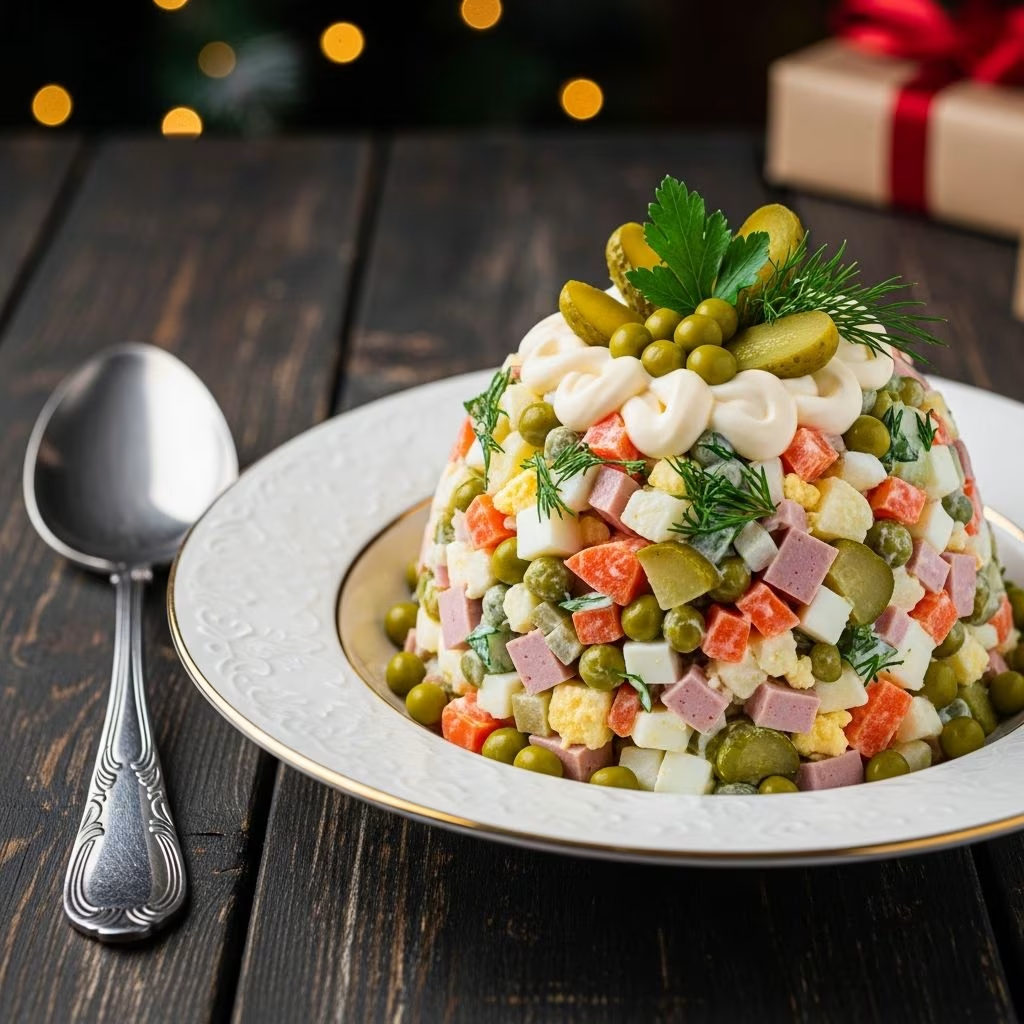
The Olivier salad stands as one of the most cherished dishes in Russian culinary tradition, gracing tables during New Year celebrations, family gatherings, and festive occasions throughout Eastern Europe and beyond. This beloved comfort food represents far more than just a combination of ingredients—it embodies generations of culinary heritage and the warmth of shared meals with loved ones. The salad’s enduring popularity across Russian-speaking communities worldwide speaks to its universal appeal and the emotional connections people maintain with traditional family recipes.
Understanding the Heritage and Significance of This Iconic Dish
The origins of Olivier salad trace back to the 19th century, created by Lucien Olivier, a celebrated chef who led the kitchen at the Hermitage, one of Moscow’s most prestigious dining establishments. What began as an elegant restaurant creation eventually transformed into a home staple, becoming synonymous with Russian hospitality and celebration. The transition from haute cuisine to everyday preparation reflects how truly exceptional dishes transcend their original context, becoming woven into the cultural fabric of nations.
This salad occupies a special place in Russian culture, particularly during the winter holiday season. Families gather around tables laden with platters of Olivier, recognizing it not merely as food but as a symbol of togetherness and tradition. Whether prepared by grandmothers passing down recipes to grandchildren or adapted by modern cooks incorporating personal touches, the dish remains recognizably authentic while allowing for individual expression.
Deconstructing the Components: What Makes This Salad Special
The beauty of Olivier salad lies in its deceptive simplicity—though containing numerous ingredients, each plays a crucial role in creating the harmonious final result. The foundation rests on boiled vegetables and proteins, all bound together by a generous coating of creamy mayonnaise that serves as the unifying element.
The Vegetable Foundation
Potatoes form the base of this salad, providing substance and subtle earthiness. Medium-sized potatoes work best, as they cook evenly and achieve the proper texture when diced. Carrots contribute natural sweetness and vibrant color, balancing the richness of the mayonnaise dressing. Both vegetables require boiling until tender enough to pierce easily with a fork, typically requiring 15 to 30 minutes depending on size.
Sweet peas add pops of color and a delicate sweetness that complements the savory elements. Whether using canned or frozen peas, proper draining prevents excess moisture from diluting the dressing. Dill pickles provide acidic brightness and textural contrast, cutting through the creaminess while adding complexity to each bite.
Proteins and Supporting Ingredients
Traditional recipes incorporate bologna or ham, though chicken presents an excellent alternative for those seeking lighter preparations. Hard-boiled eggs, typically three to eight depending on serving size, contribute richness and create visual appeal when the salad is plated. The key to properly cooked hard-boiled eggs involves bringing salted water to a boil, then removing from heat and allowing them to sit covered for approximately 15 minutes before cooling in cold water.
Optional ingredients such as finely minced onions or fresh green onions provide aromatic complexity, though many home cooks prefer omitting raw onions in favor of milder alternatives like fresh chives. This flexibility demonstrates how traditional recipes accommodate personal preferences while maintaining their essential character.
Preparation Methodology: Achieving Perfect Results
Initial Cooking Stage
Begin by placing unpeeled potatoes and carrots in a pot filled with cold water, ensuring adequate coverage. Bringing them to a boil then reducing heat to a gentle simmer prevents vegetables from becoming mushy while ensuring thorough cooking. Simultaneously, hard-boil eggs in a separate pot of salted water. This staggered cooking allows you to manage multiple components efficiently.
Once cooked, cool all components thoroughly before processing. This crucial step ensures that warm ingredients don’t prematurely soften when combined and allows proper temperature control during assembly. Many experienced cooks recommend peeling vegetables after cooking rather than before, as this method preserves valuable nutrients and maintains better structural integrity.
The Dicing Technique
Uniform cutting represents perhaps the most critical technical skill for preparing this salad properly. Each ingredient must be diced into consistently sized pieces, typically described as pea-sized or quarter-inch cubes. This uniformity serves practical purposes beyond mere aesthetics—it ensures that each forkful contains balanced proportions of all components, creating harmonious flavor profiles with every bite.
Begin with cooled potatoes, using a sharp knife to cut them into precise cubes. Follow with carrots, eggs, pickles, and any protein components, maintaining consistent sizing throughout. This methodical approach, though requiring patience, transforms the final presentation and eating experience significantly.
The Assembly and Dressing
Combine all diced vegetables, proteins, and drained peas in a large mixing bowl. Some recipes suggest setting aside a portion of mayonnaise to add just before serving, while others prefer thorough mixing in advance. The quantity of mayonnaise varies according to personal preference and desired consistency—typically ranging from 0.75 to 1.5 cups for a standard recipe. Mix gently but thoroughly, ensuring every component becomes coated in the creamy dressing.
At this stage, taste the mixture and adjust seasonings with salt and pepper as needed. Some variations incorporate mustard or vinegar for additional depth, while others maintain the classic simple approach. Allow the assembled salad to rest in the refrigerator for several hours or overnight, permitting flavors to meld and develop complexity.
Essential Equipment and Preparation Timeline
| Stage | Time Required | Key Equipment |
|---|---|---|
| Vegetable Cooking | 30 minutes | Large pot, sharp knife |
| Cooling Period | 15-20 minutes | Cold water bath |
| Preparation and Dicing | 25-30 minutes | Cutting board, chef’s knife |
| Assembly and Mixing | 10 minutes | Large mixing bowl |
| Refrigeration | 2+ hours (optional overnight) | Refrigerator |
Variations and Modern Adaptations
Vegetarian Approaches
Contemporary preparations often accommodate dietary preferences by substituting traditional meat components. Omitting bologna or ham entirely while maintaining generous portions of vegetables creates satisfying vegetarian versions that capture the essential character of the dish. Some cooks incorporate mushrooms or additional vegetables to add substance and umami depth without animal proteins.
Dressing Modifications
While mayonnaise remains the traditional base, creative variations exist. Half-and-half combinations of mayonnaise and sour cream produce lighter, more tangy versions that reduce heaviness while adding complexity. Incorporating mustard, vinegar, or fresh herbs adapts the profile to contemporary palates while respecting the dish’s fundamental structure.
Protein Alternatives
Chicken breast represents an excellent substitution for bologna, offering leaner protein without sacrificing satisfaction. Turkey, beef, or even seafood preparations emerge in regional adaptations, demonstrating the recipe’s flexibility while maintaining recognizable identity.
Storage and Make-Ahead Preparation
Olivier salad stores exceptionally well in refrigerated conditions, maintaining quality for approximately five to seven days when properly covered. This characteristic makes it ideal for advance preparation, allowing cooks to focus on other dishes during busy holiday periods. Many experienced home cooks prepare the salad one or two days before serving, allowing adequate time for flavors to develop and meld.
For optimal results, store components separately until final assembly, particularly when incorporating mayonnaise-based dressings. This approach prevents vegetables from becoming overly saturated and maintains textural contrasts that define the dish. Some cooks reserve a portion of dressing to add fresh brightness immediately before serving.
Serving Suggestions and Presentation
Traditional presentation often includes garnishes of fresh dill or parsley, adding aromatic appeal and visual sophistication. The salad serves effectively as a substantial side dish alongside grilled meats or roasted proteins, though many households enjoy it as a standalone offering at festive gatherings. Chilled serving temperatures enhance the refreshing quality and allow flavors to shine without the dulling effect of warmth.
For entertaining, consider plating individual portions in small bowls or on lettuce leaves, creating elegant presentations that elevate the homey comfort food into refined offerings suitable for sophisticated gatherings. This approach also facilitates portion control and adds visual interest to buffet-style service.
Frequently Asked Questions
Can I prepare this salad in advance?
Yes, absolutely. In fact, many cooks recommend preparing it one to two days ahead, allowing flavors to develop and meld thoroughly. Store covered in the refrigerator for up to seven days, though optimal quality typically remains within the first five days.
What if I don’t enjoy mayonnaise-heavy dishes?
Consider using a combination of mayonnaise and sour cream, which reduces richness while adding pleasant tanginess. Alternatively, reduce mayonnaise quantities and incorporate mustard or vinegar for brightness without overwhelming creaminess.
Are there suitable meat substitutes?
Chicken breast works excellently as a leaner alternative to bologna or ham. Vegetarian preparations simply omit meat entirely, compensating with additional vegetables or mushrooms for substance and satisfaction.
How do I achieve uniform dicing?
Use a sharp chef’s knife and take your time, aiming for consistent sizes typically described as pea-sized or quarter-inch cubes. Many cooks find that maintaining patience during this stage significantly improves final results and eating experience.
What’s the best way to hard-boil eggs?
Place eggs in salted cold water, bring to a boil, then immediately remove from heat and cover. Let sit for approximately 15 minutes before transferring to cold water. This method consistently produces properly cooked eggs without green rings around yolks.
Conclusion
Olivier salad transcends simple categorization as merely a recipe—it represents culinary tradition, cultural identity, and the universal human desire to gather around tables laden with beloved foods. Whether prepared following strict traditional methods or adapted to accommodate modern preferences and dietary needs, this iconic dish continues captivating palates across generations and geographic boundaries. The combination of carefully prepared vegetables, eggs, and creamy dressing creates something greater than the sum of its components, offering both nourishment and emotional satisfaction that define truly memorable meals.
References
- Russian Olivier Salad — Olga’s Flavor Factory. Accessed April 2026. https://www.olgasflavorfactory.com/autumn-favorites/russian-salad-olivie/
- Olivier Salad – Traditional Russian Salad Recipe — Avocado Pesto. Accessed April 2026. https://avocadopesto.com/russian-olivie-salad/
- Vegetarian Russian Olivier Salad — At the Immigrant’s Table. Accessed April 2026. https://immigrantstable.com/vegetarian-olivier-salad-salada-russa/
- Olivier Potato Salad (Салат Оливье) — Mom’s Dish. Accessed April 2026. https://momsdish.com/recipe/189/olivier-potato-salad
- Olivye – Ukrainian Potato Salad — Natasha’s Kitchen. Accessed April 2026. https://natashaskitchen.com/olivye-ukrainian-potato-salad/