The Old Fashioned stands as one of the most enduring cocktails in bartending history, a simple yet profound blend of whiskey, sugar, bitters, and citrus that captures the essence of classic mixology. This drink’s appeal lies in its balance of bold flavors and straightforward preparation, making it accessible for beginners while rewarding those who refine their technique.
The Origins and Evolution of the Old Fashioned
Emerging in the early 19th century, the Old Fashioned traces its roots to the whiskey highball, a rudimentary mix of spirit, water, sugar, and bitters popularized in American taverns. By the 1880s, it earned its name as a backlash against the era’s overly garnished cocktails, with patrons requesting drinks made ‘the old-fashioned way.’ This return to basics solidified its place in cocktail culture.
Through the 20th century, the recipe evolved. Prohibition-era bootleg whiskey prompted adaptations, while mid-century muddling of fruit introduced sweeter profiles. Today, bartenders honor its heritage while experimenting with rye versus bourbon and innovative bitters, ensuring its relevance in modern bars worldwide.
Essential Ingredients for Authenticity
At its core, the Old Fashioned requires four key components, each selected for quality to achieve harmony.
- Whiskey: Bourbon offers caramel sweetness; rye brings spice. Opt for 100-proof for robustness without overpowering.
- Sugar: A demerara cube or raw cane sugar dissolves slowly, adding depth over white sugar’s neutrality.
- Bitters: Angostura provides aromatic complexity with clove and cinnamon notes; orange bitters enhance citrus layers.
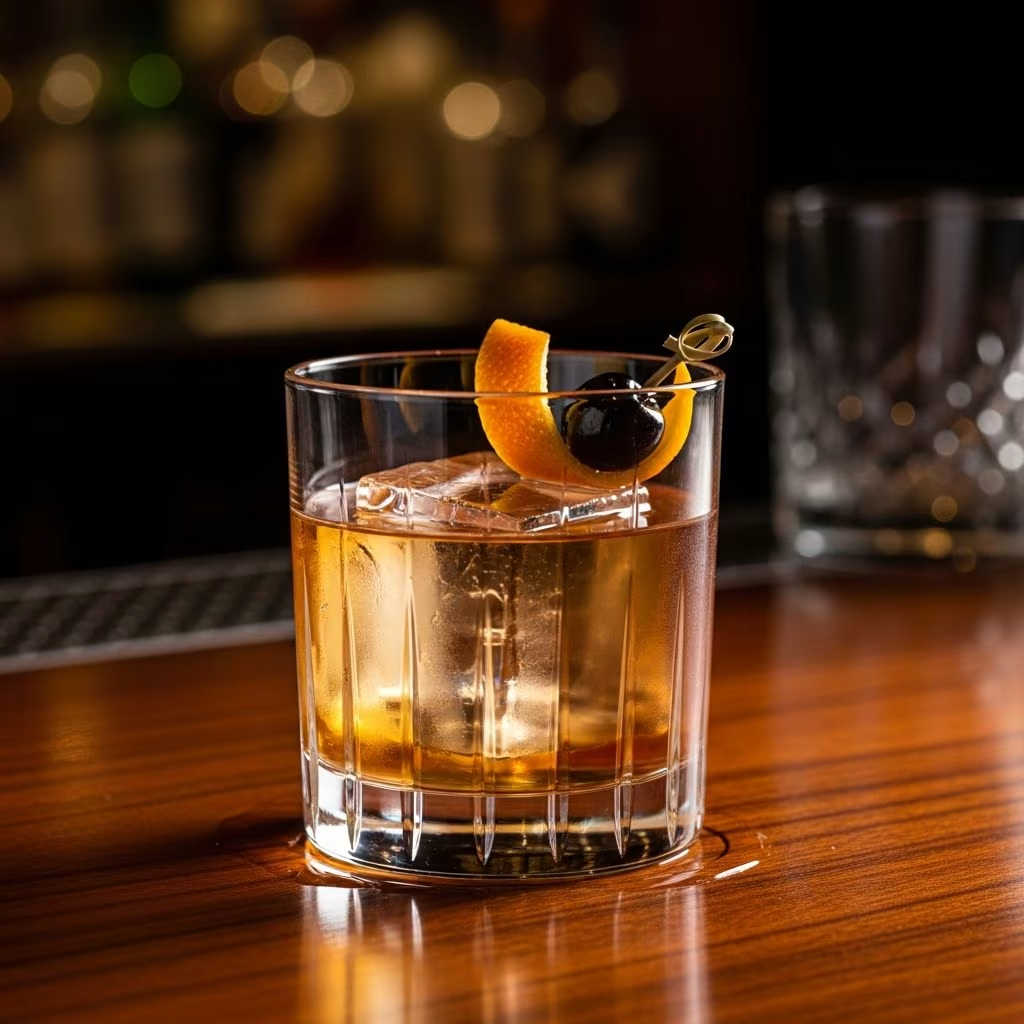
- Water and Citrus: A splash of filtered water opens the whiskey; an orange twist expresses oils for aroma.
Garnishes like Luxardo cherries elevate the finish, avoiding neon maraschinos for authenticity.
Step-by-Step Guide to Building the Perfect Old Fashioned
Precision in assembly preserves flavors. Use a rocks glass chilled in the freezer for 10 minutes.
- Muddle a sugar cube with 2-3 dashes Angostura bitters and a teaspoon water until dissolved.
- Add a large ice cube to minimize dilution.
- Pour 2 ounces whiskey slowly over ice, stirring 20-30 times with a bar spoon for integration.
- Express orange peel oils over the drink by twisting, then rim the glass. Add peel and optional cherry.
This build-in-glass method, favored by purists, allows flavors to meld without shaker aggression.
| Ingredient | Amount |
|---|---|
| Whiskey (Bourbon or Rye) | 2 oz |
| Sugar Cube | 1 |
| Angostura Bitters | 2-3 dashes |
| Water | 1 tsp |
| Orange Peel | 1 strip |
Common Mistakes and How to Avoid Them
Novices often over-muddle fruit, introducing pulp bitterness. Stick to sugar and bitters alone. Small ice causes rapid melt; king cubes maintain chill. Over-stirring dilutes; time your rotations precisely. Poor whiskey muddles the profile—invest in mid-shelf bottles like Buffalo Trace or Rittenhouse Rye.
Variations to Suit Every Paler
Adapt the classic for diversity:
- Rye Old Fashioned: Swap bourbon for rye; add Peychaud’s bitters for herbal nuance.
- Mezcal Old Fashioned: Use mezcal for smokiness, paired with chocolate bitters.
- Fruit-Forward Twist: Infuse whiskey with cherries or plums beforehand.
- Low-ABV Version: Blend with amaro for lighter sipping.
These keep the spirit while innovating.
Pairing the Old Fashioned with Food
Its bold profile complements charred meats like steak or ribs, cutting richness. Cheese boards with aged cheddar or blue veining harmonize with whiskey’s depth. Dark chocolate desserts amplify sweetness. Avoid light salads; focus on robust flavors.
Tools Every Home Bartender Needs
Equip your station minimally:
- Double old-fashioned glass
- Bar spoon
- Jigger
- Large ice cube tray
- Channel knife for peels
Quality tools ensure consistency.
Seasonal Twists for Year-Round Enjoyment
Summer: Use lemon peel and soda splash. Fall: Maple syrup replaces sugar. Winter: Fig-infused whiskey. Spring: Rhubarb bitters. These nod to tradition while embracing freshness.
Health Considerations and Moderation
At 2-3 oz alcohol per serving, enjoy responsibly. Hydrate alongside; its low sugar suits mindful drinking. Non-alcoholic versions with whiskey alternatives maintain ritual.
FAQ
What whiskey is best for an Old Fashioned?
Bourbon for smoothness, rye for spice. High-rye bourbons like Old Forester balance both.
Should I muddle the orange peel?
No—express oils only to avoid bitterness.
Can I batch Old Fashioneds for parties?
Yes: Mix base without ice, portion into bottles, add ice per glass upon serving.
What’s the difference between bourbon and rye in this drink?
Bourbon’s corn sweetness vs. rye’s peppery rye grain bite.
How do I make large ice cubes?
Use silicone molds; freeze distilled water twice for clarity.
Advanced Techniques for Pros
Clarify fat-washed bourbon for silkiness. Smoke glass with oak chips pre-build. Use clarified lime juice for transparent versions. These elevate without straying.
Mastering the Old Fashioned transforms casual sipping into craft. Practice yields perfection.
References
- International Bartenders Association Official Cocktails — IBA. 2020-01-01. https://iba-world.com/
- USDA Dietary Guidelines for Americans — U.S. Department of Agriculture. 2025-01-01. https://www.dietaryguidelines.gov/
- Death & Co: Modern Classic Cocktails — Death & Co. (book excerpt via publisher). 2023-10-15. https://www.penguinrandomhouse.com/
- Angostura Bitters Production Standards — House of Angostura. 2024-05-20. https://angosturabitters.com/
- Whisky Advocate Buying Guide — Whisky Advocate Magazine. 2025-03-01. https://whiskyadvocate.com/