Understanding the Essence of Ochazuke
Ochazuke represents one of Japan’s most elegant yet straightforward culinary traditions. At its foundation, this dish transforms humble cooked rice into a sophisticated comfort meal by introducing carefully selected toppings and aromatic tea or broth. The beauty of ochazuke lies in its architectural simplicity: when hot liquid meets cool rice, the grains absorb the flavors while maintaining their individual character, creating a texture that sits somewhere between porridge and a traditional soup.
The name itself reveals the cooking method. “Ocha” refers to tea in Japanese, while “zuke” means to pour or soak. This straightforward nomenclature perfectly captures the essence of preparation, yet the resulting dish carries profound cultural significance in Japanese dining traditions. Whether enjoyed as a light midnight snack, a recovery meal after social outings, or a quick weekday lunch, ochazuke has earned its place as a beloved staple across Japanese households and restaurants.
Selecting Quality Ingredients for Maximum Flavor
Creating exceptional ochazuke begins with understanding each component’s role. The rice serves as the foundation, requiring specific characteristics to achieve optimal results. Japanese short-grain rice varieties work best, as their higher starch content creates a subtle creaminess when combined with hot liquid. Many traditional recipes call for day-old rice, which has developed a firmer texture that resists becoming mushy when the liquid pours over it.
The tea or broth choice significantly influences the final flavor profile. Green tea varieties offer different characteristics depending on the type selected. Genmaicha, blended with roasted rice kernels, provides an earthy warmth complemented by nutty undertones. Sencha delivers a more delicate, grassy flavor. For those preferring non-tea options, dashi—a traditional Japanese soup stock made from kombu seaweed and bonito flakes—creates a umami-rich base that appeals to different palates.
Protein and Topping Combinations
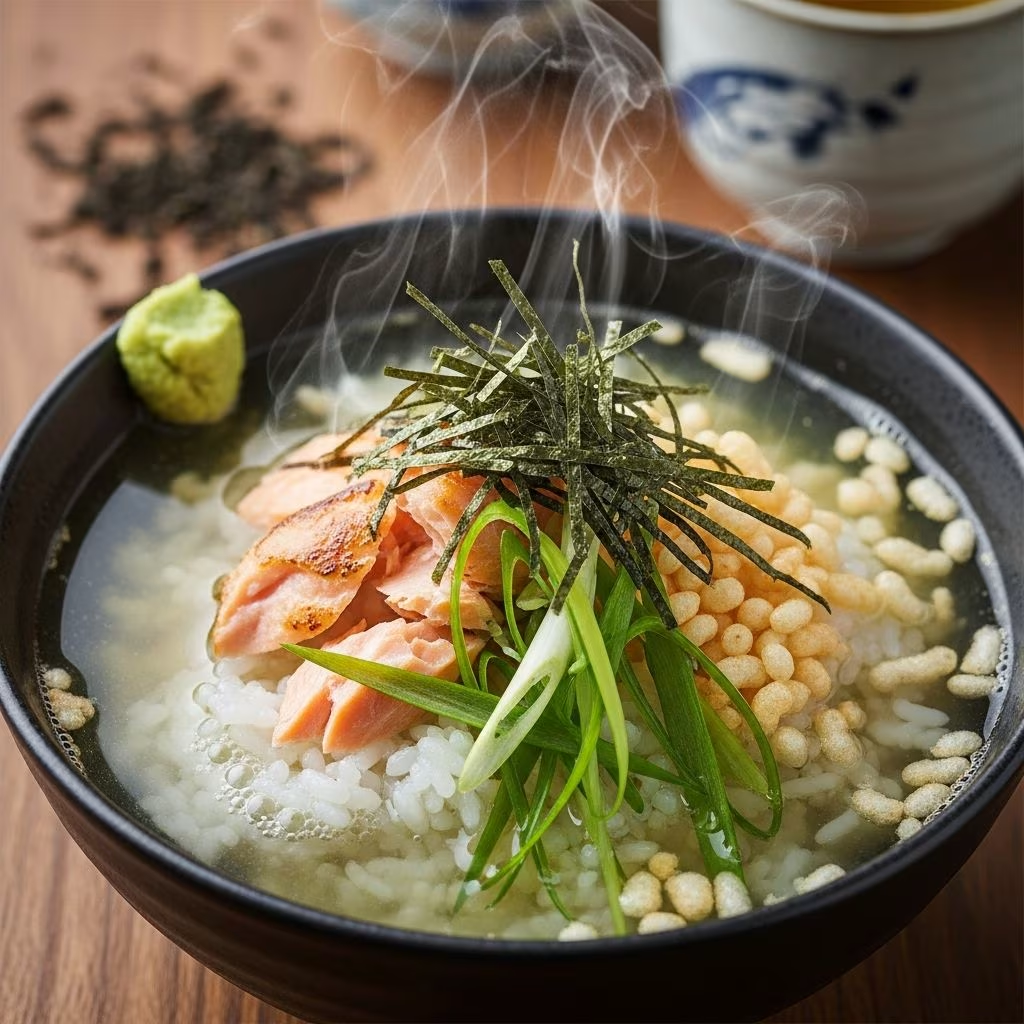
Toppings transform ochazuke from a simple rice dish into a complete meal. Salted salmon stands as the most iconic protein choice, its briny notes cutting through the subtle sweetness of the tea. The salmon should be broken into delicate flakes, distributed evenly across the rice surface. Alternative proteins include poached eggs, grilled fish, or leftover cooked proteins from previous meals, making ochazuke an excellent vehicle for culinary resourcefulness.
Supporting toppings add textural complexity and visual interest. Nori seaweed, sliced into thin ribbons, contributes subtle brininess and umami depth. Bubu arare—crispy puffed rice pellets—provide satisfying crunch that contrasts with the soft rice beneath. Toasted sesame seeds scatter across the surface, offering toasty aromatics and nutritional value. Fresh herbs like mitsuba (Japanese parsley) or thinly sliced scallions introduce brightness and herbaceous notes that balance richer components.
Mastering the Brewing Techniques
Preparing Green Tea Broth
Proper tea preparation determines whether your ochazuke achieves nuanced flavor or becomes overwrought. The water temperature proves critical—different tea varieties require different heat levels. Generally, green tea brews best between 160–175°F, allowing the delicate compounds to extract without becoming bitter. Boiling water directly poured over green tea creates harsh, astringent flavors that undermine the dish’s refined character.
Measure approximately one teaspoon of dried tea leaves per half-cup of water, allowing the leaves to steep for one to two minutes before straining. This timing prevents over-extraction while ensuring sufficient flavor development. For convenience, pre-packaged tea sachets eliminate the straining step, though loose-leaf varieties typically offer superior flavor complexity.
Creating Flavorful Dashi
When dashi becomes your broth of choice, combining it with tea creates layered umami depth. Heat dashi gently without boiling, preserving the delicate flavor compounds. Many recipes incorporate mirin—a sweet rice wine—lending subtle sweetness that balances savory elements. A modest quantity of soy sauce deepens the umami profile without overpowering other flavors. Some preparations include sake, which adds complexity and slight alcohol warmth that dissipates during heating.
The proportion of these flavor-building ingredients matters tremendously. A single teaspoon each of mirin and soy sauce per cup of dashi provides guidance, though personal preference should ultimately guide adjustments. Transfer the finished broth to a teapot to maintain warmth until serving, ensuring each bowl receives properly heated liquid.
Step-by-Step Preparation Method
Assembly Process
Begin by placing cooked Japanese short-grain rice—approximately one cup—into an individual serving bowl. This quantity typically serves a single person, though bowl sizes may vary. Arrange your selected protein across the rice surface, creating an appealing visual composition. The protein should be distributed sufficiently to integrate throughout eating without requiring every spoonful to contain a piece.
Layer on the crispy elements next—bubu arare and toasted sesame seeds. These should be added immediately before pouring the hot liquid to maintain their textural integrity. The contrast between crispness and the softening rice creates the satisfying mouthfeel that defines exceptional ochazuke.
Finishing Touches
Pour the heated tea or broth until the liquid reaches approximately halfway up the rice, creating a balanced ratio of grain to broth. The rice should be substantially submerged yet retain some structure rather than becoming a complete porridge. Immediately after pouring, arrange fresh mitsuba sprigs and nori ribbons on top, allowing the residual heat to gently warm but not completely wilt the delicate herbs.
A small dollop of wasabi can be added according to personal heat preference, providing sharp, sinus-clearing spice that invigorates the palate. For tea-based versions, a modest splash of additional soy sauce may be drizzled over the surface just before consuming, though this remains entirely optional and depends on individual salt preferences.
Exploring Flavor Variations and Customization
Vegetarian and Vegan Adaptations
Ochazuke’s flexibility accommodates various dietary preferences without sacrificing satisfaction. Omitting the salmon and increasing the quantity of vegetables creates a plant-based version equally worthy of the traditional name. Mushrooms—particularly shiitake or enoki varieties—introduce umami compounds similar to seafood proteins. Edamame adds bright color and slight sweetness, while sheets of cucumber provide refreshing crispness.
For vegans avoiding all animal products, vegetable-based dashi replaces traditional fish stock. Kombu seaweed alone, simmered with shiitake mushrooms, creates deeply flavorful umami broth comparable to conventional dashi. This adaptation honors the dish’s vegetarian origins while meeting modern dietary requirements.
Tea Variety Exploration
While green tea dominates traditional ochazuke preparation, experimenting with alternative tea varieties opens creative possibilities. Hojicha—roasted green tea—contributes deeper, toasty flavors that pair beautifully with smoked salmon. Mugicha, a barley tea, offers earthier undertones complementing mushroom-based preparations. Kukicha, made from tea plant stems rather than leaves, provides lighter flavor suitable for delicate toppings.
The fundamental principle remains consistent: select toppings and proteins that harmonize with your chosen broth’s flavor profile. Lighter, more delicate tea varieties pair well with subtle seafood, while robust roasted teas complement stronger-flavored proteins and vegetables.
Nutritional Considerations and Health Benefits
Beyond its culinary appeal, ochazuke offers nutritional advantages supporting overall wellness. Green tea contains antioxidants including catechins, compounds linked to various health benefits in scientific research. The gentle cooking method preserves tea’s beneficial compounds better than extended boiling. Japanese short-grain rice provides complex carbohydrates and essential minerals including magnesium and manganese.
Protein-rich toppings—whether salmon or plant-based alternatives—contribute amino acids necessary for tissue maintenance and repair. The light broth-based preparation method creates a meal that feels satisfying despite remaining relatively low in calories, making ochazuke suitable for various dietary approaches and wellness goals. The balanced combination of starches, proteins, and vegetables creates meals meeting nutritional completeness standards.
When and How to Serve Ochazuke
Ideal Occasions for Serving
Ochazuke’s versatility makes it appropriate for numerous dining scenarios. In Japanese tradition, it represents the perfect late-night meal following social gatherings or entertaining. The gentle, easily digestible nature makes it suitable for recovery meals when the digestive system requires tender treatment. Many Japanese households prepare ochazuke on busy weeknights when time constraints prevent elaborate cooking without sacrificing nutritional quality or satisfaction.
Temperature considerations guide optimal serving times. Most commonly served piping hot to maximize the contrast between warm broth and room-temperature toppings, ochazuke can also be adapted into chilled versions during warm months. This flexibility extends its appeal across seasonal variations and changing appetites.
Accompaniments and Side Dishes
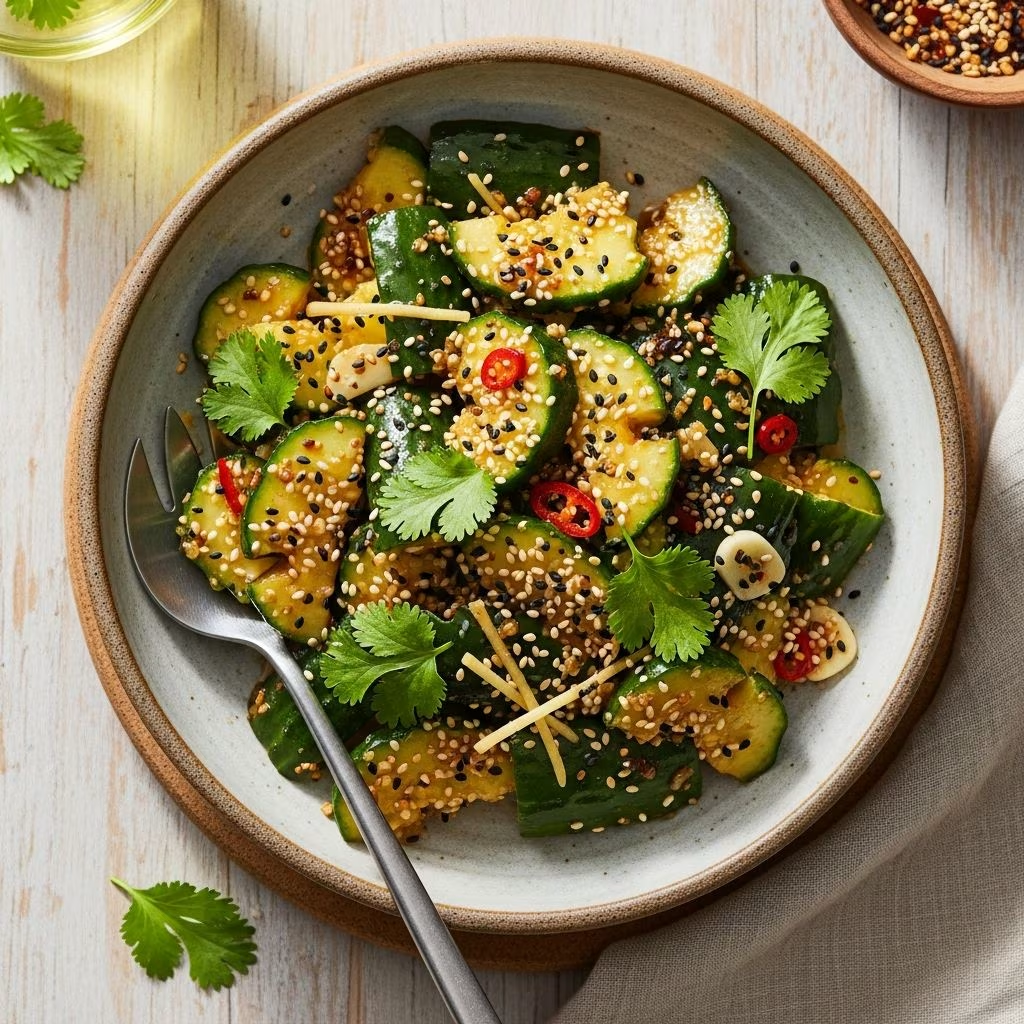
Tsukemono—pickled vegetables—traditionally accompany ochazuke, their acidic brightness providing palate cleansing properties that enhance appreciation of the main dish. Quick-pickled cucumber, shredded carrots, or traditional umeboshi plums offer varying flavor intensities and textural contributions. These pickled components refresh the palate between spoonfuls, creating a more complex eating experience.
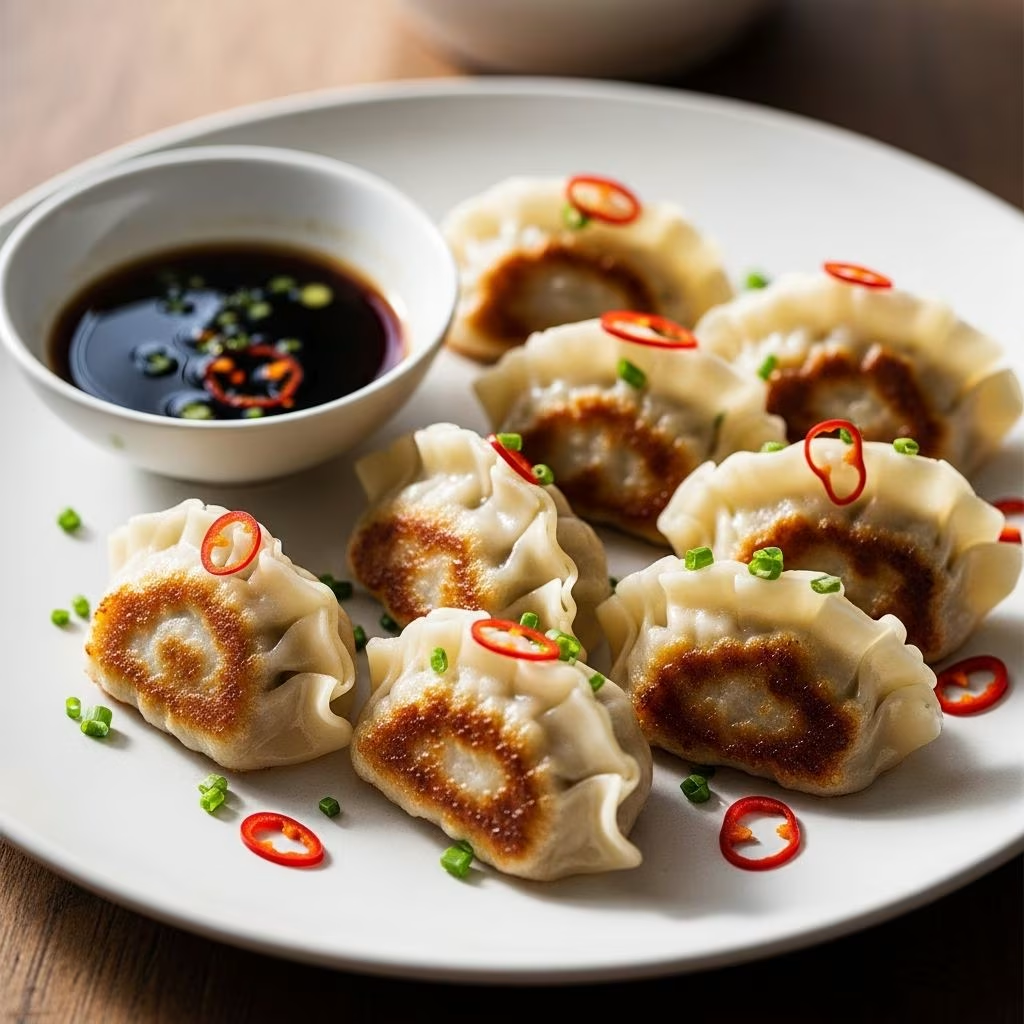
Japanese side dishes featuring light, fresh flavors work particularly well alongside ochazuke. Agedashi tofu, gyoza, or grilled vegetables complement without overwhelming. The goal remains highlighting the main dish’s delicate flavors rather than competing with assertive side dishes.
Frequently Asked Questions About Ochazuke
Can ochazuke be prepared in advance?
Prepare individual components separately and assemble immediately before serving. Cook rice ahead and refrigerate if necessary, reheating gently with minimal water addition. Prepare toppings in advance and store in airtight containers. The broth should be freshly prepared and kept warm, ensuring optimal temperature when poured over the rice.
What’s the best rice type for authentic ochazuke?
Japanese short-grain varieties including Koshihikari, Hitomebore, or Sasanishiki work best. Their higher starch content and sticky texture create superior results compared to long-grain varieties. Day-old rice provides better texture, though freshly cooked rice works acceptably with proper technique.
How do you prevent the rice from becoming mushy?
Pour the broth to approximately the halfway point rather than completely submerging the rice. Use day-old rice when possible, as it maintains firmer structure. Serve immediately after pouring to minimize extended soaking time. Select crispy toppings strategically to maintain textural interest throughout consumption.
Is ochazuke appropriate for people with dietary restrictions?
Ochazuke’s adaptability accommodates numerous dietary approaches. Vegetarian versions omit salmon; vegan preparations use vegetable dashi. Gluten-free versions substitute tamari for regular soy sauce. Low-sodium preparations reduce salt-based seasonings. Consult with healthcare providers regarding personal dietary requirements and adjust components accordingly.
What distinguishes ochazuke from other rice dishes?
Unlike other rice soups requiring extended cooking, ochazuke remains essentially a cold or room-temperature rice dish transformed through broth addition just before serving. The contrast between rice temperature and broth heat, combined with carefully selected crispy toppings, distinguishes it from traditional congee or okayu preparations.
Mastering Ochazuke at Home
Creating exceptional ochazuke requires attention to fundamentals rather than complicated technique. Understanding how individual components interact, respecting ingredient quality, and timing the assembly correctly elevate simple preparation into refined cuisine. The forgiving nature of the basic formula encourages experimentation with personal flavor preferences while maintaining the dish’s essential character.
Begin with traditional preparations using quality green tea, fresh salmon, and carefully selected toppings. As comfort with the fundamental method develops, explore variations incorporating different proteins, vegetables, and broth types. The true skill lies not in complex procedure but in recognizing how components combine to create harmonious, satisfying meals. Ochazuke ultimately celebrates the philosophy that exceptional food doesn’t require elaborate techniques—merely thoughtful ingredient selection and respectful preparation.
References
- Just One Cookbook – Ochazuke (Green Tea Over Rice) — Just One Cookbook. Accessed 2026. https://www.justonecookbook.com/ochazuke/
- Guide to Ochazuke — Tea Curious. Accessed 2026. https://www.teacurious.com/guide-to-ochazuke
- How To Make Ochazuke (Japanese Rice Tea Soup Recipe) — Japanese Taste. Accessed 2026. https://japanesetaste.co.uk/blogs/japanese-taste-recipes/how-to-make-ochazuke-japanese-rice-tea-soup
- Ochazuke – The Japanese Pantry — The Japanese Pantry. Accessed 2026. https://thejapanesepantry.com/blogs/recipes-stories/ochazuke
- Ochazuke: Rice Soup with Tea Broth — Terrasana Positive Eating. Accessed 2026. https://www.terrasana.com/recipe/ochazuke-rice-soup-with-tea-broth/