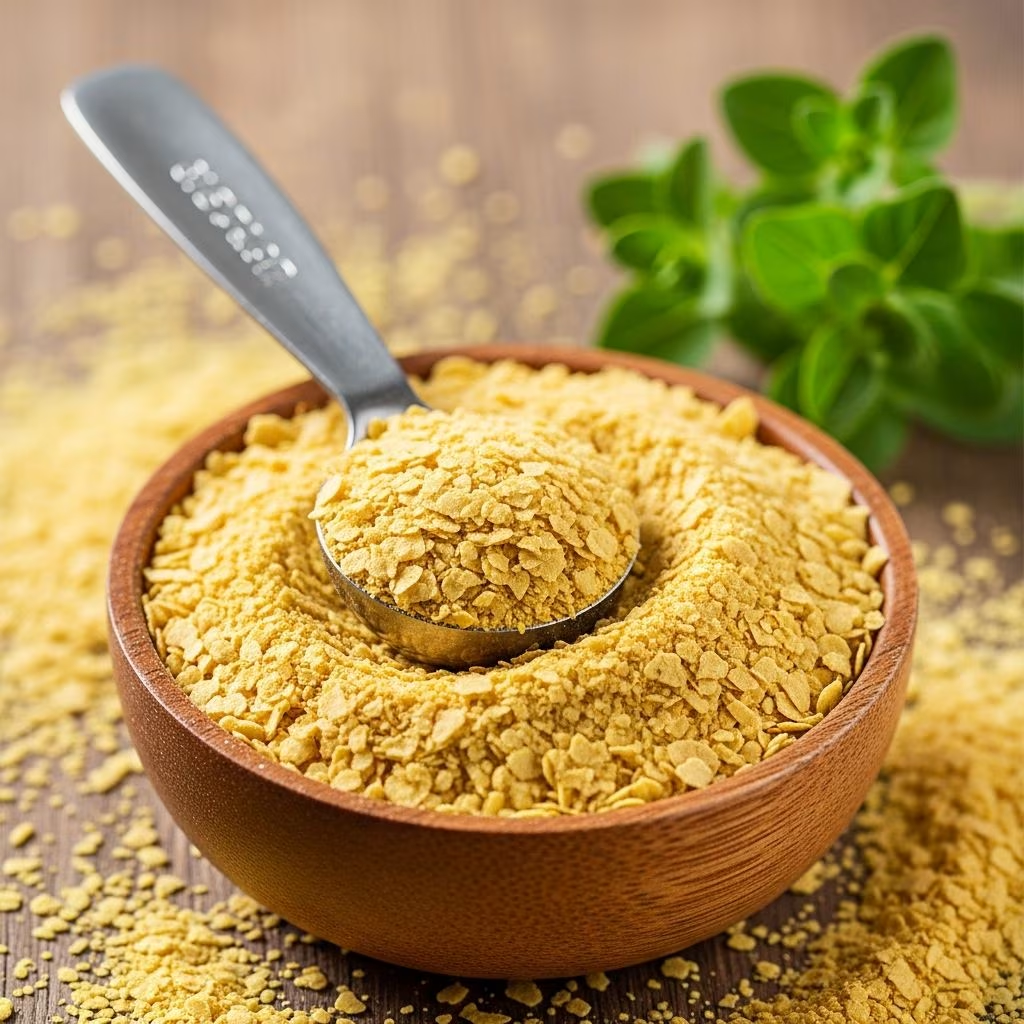
This powerhouse ingredient has surged in popularity among health enthusiasts, vegans, and anyone seeking flavorful, nutrient-dense additions to their meals. Derived from a unique cultivation process, it delivers a cheesy, nutty taste without dairy, making it a staple in plant-based kitchens worldwide.
Origins and Production Process
Nutritional yeast comes from Saccharomyces cerevisiae, a species of yeast naturally present in the environment. Unlike brewing or baking yeasts that continue fermenting, this variety undergoes deactivation through heat, rendering it safe and shelf-stable for direct consumption.
The manufacturing begins with growing the yeast in a nutrient-rich medium, often molasses or glucose. Once it reaches optimal growth, it’s pasteurized to halt activity, then dried into yellow flakes, powder, or granules. Some brands fortify it with B vitamins, enhancing its nutritional value, while unfortified versions retain natural compounds.
Globally produced, it’s available in health food sections of supermarkets or online, with labels indicating fortification status and gluten-free certification for those with sensitivities.
Nutritional Breakdown
A modest 2-tablespoon serving packs significant nutrition without excess calories. Here’s a detailed profile based on fortified varieties:
| Nutrient | Amount per 2 Tbsp (approx. 15g) | % Daily Value* |
|---|---|---|
| Calories | 40-60 | 2-3% |
| Protein | 5-8g | 10-16% |
| Fiber | 2-4g | 8-16% |
| Carbohydrates | 3-5g | 1-2% |
| Sodium | 20mg | 1% |
| Vitamin B12 (fortified) | 300%+ DV | 300%+ |
| Other B Vitamins | High in B1, B2, B3, B6, Folate | 50-200% DV |
*Based on a 2,000-calorie diet. Values vary by brand; always check labels.
It’s fat-free, low-glycemic, and contains all nine essential amino acids, qualifying as a complete protein comparable to eggs or meat—ideal for plant-based diets.
Key Health Advantages
Backed by research, nutritional yeast offers multiple benefits, particularly for those avoiding animal products.
Superior Plant Protein for Muscle and Bone Health
Providing 5g protein per serving, it supports muscle repair, bone density, and satiety. As a complete protein, it aids tissue maintenance and weight management.
Energy Enhancement via B Vitamins
Fortified types deliver over 300% DV of B12, crucial for red blood cell formation, neurological function, and combating fatigue—especially vital for vegans at deficiency risk. Other B vitamins like niacin, riboflavin, and folate convert carbs to energy, support metabolism, and promote skin, heart, and mood health.
Cardiovascular Protection
Beta-glucan and alpha-mannan fibers lower LDL cholesterol, stabilize blood sugar via chromium, and reduce diabetes/heart disease risk. Studies link beta-glucan to immune boosts and antitumor potential.
Immune System Reinforcement
Beta-glucan activates immune cells, with one study showing 25% fewer colds among consumers. Antioxidants like polyphenols, glutathione, zinc, and selenomethionine combat oxidative stress, potentially lowering chronic disease risks including cancer and Alzheimer’s.
Athletic Recovery and Digestion Aid
Athletes report less fatigue and better moods post-exercise due to white blood cell restoration and zinc for muscle repair. Fiber (4g per serving) promotes gut health but consume moderately to avoid bloating.
Versatile Culinary Applications
Its umami, cheesy flavor mimics parmesan, perfect for vegan dishes. Sprinkle on popcorn, pasta, or salads; stir into soups, sauces, or dressings.
- Vegan Cheese Sauce: Blend with plant milk, garlic, and mustard for nachos or mac.
- Savory Topping: Dust over roasted veggies, avocado toast, or scrambled tofu.
- Baking Boost: Add to bread dough for nutty depth or mix into energy balls.
- Dips and Spreads: Incorporate into hummus, cashew cream, or bean dips.
Start with 1-2 tablespoons daily; its potency means a little goes far.
Selection and Storage Tips
Opt for reputable brands listing S. cerevisiae, fortification details, and non-GMO status. Flakes offer texture, powder blends smoothly. Store in airtight containers in cool, dark places for up to 2 years.
Potential Drawbacks and Precautions
Generally safe, but those with yeast allergies, Crohn’s, or migraines should consult doctors. High fiber may cause initial gas; unfortified lacks B12. Excess (over 4 tbsp) risks niacin flush.
FAQs
Is nutritional yeast keto-friendly?
Yes, low-carb (3-5g per serving) and high-protein fits keto parameters.
Does it expire?
Deactivated yeast lasts 1-2 years stored properly; check for off odors.
Can pets eat it?
Dogs may benefit from B vitamins, but vet approval needed; avoid in cats.
Gluten-free?
Typically yes, but verify labels for processing contaminants.
Raw or cooked?
Fully safe raw; heat doesn’t diminish nutrients significantly.
Incorporate nutritional yeast to elevate flavor and nutrition effortlessly. From boosting vegan protein intake to fortifying immunity, its profile makes it indispensable for modern diets.
References
- Nutritional yeast – Cleveland Clinic Health Essentials — Cleveland Clinic. 2025-07-29. https://health.clevelandclinic.org/nutritional-yeast
- Nutritional Yeast: Is It Good for You? — WebMD. n.d. https://www.webmd.com/diet/nutritional-yeast-good-for-you
- Top 5 nutritional yeast benefits and how to use it — Medical News Today. n.d. https://www.medicalnewstoday.com/articles/323245
- Meyer-Jax talks Nutritional Yeast with Parade — Northwest Health Sciences University. n.d. https://www.nwhealth.edu/news/meyer-jax-talks-nutritional-yeast-with-parade/
- Nutritional Yeast: Nutrients, Health Benefits, and Uses — Healthline. n.d. https://www.healthline.com/nutrition/nutritional-yeast
- Nutritional yeast: Does this savory, vegan seasoning pack a nutritional punch — Harvard Health. n.d. https://www.health.harvard.edu/diet-and-nutrition/nutritional-yeast-does-this-savory-vegan-seasoning-pack-a-nutritional-punch