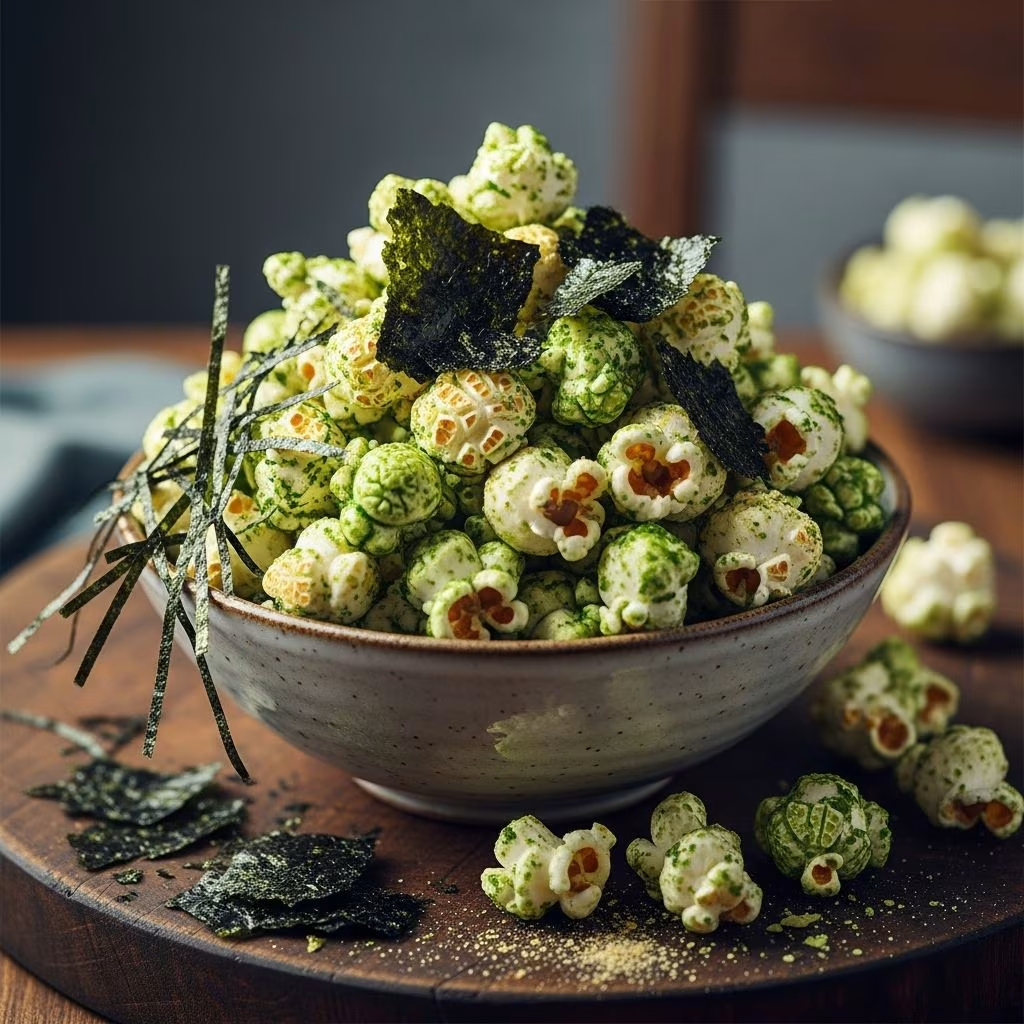
Popcorn gets a sophisticated upgrade with the oceanic depth of nori seaweed, the comforting sweetness of caramel, and the earthy pop of sesame seeds. This snack masterfully balances sweet, salty, and savory notes, making it impossible to stop at just one handful. Inspired by global fusion trends, it’s a versatile treat suitable for movie marathons, cocktail parties, or everyday indulgence.
Why Nori Popcorn Captivates Every Palate
The magic lies in **umami**, the fifth taste sensation derived from nori’s natural glutamates, which amplify flavors without overpowering them. Combined with caramel’s richness and sesame’s nuttiness, this popcorn creates a symphony of textures and tastes. Unlike plain buttered kernels, this version offers complexity that keeps guests reaching for more.
Health-conscious eaters appreciate nori’s nutrient profile, including iodine vital for thyroid function and antioxidants that combat oxidative stress. While the caramel adds indulgence, portion control keeps it balanced. Studies from nutritional bodies highlight seaweed’s role in diverse diets, supporting its use in modern snacks.
Essential Ingredients for Success
Gathering the right components ensures flawless results. Here’s a breakdown:
- Popcorn kernels: 1/3 to 1/2 cup unpopped yields 8-12 cups popped for generous servings.
- Nori sheets: 4-6 sheets, torn and processed into flakes for even distribution.
- Sesame seeds: 2-3 tablespoons, white or black, toasted for maximum flavor.
- Brown sugar: 3/4 cup provides deep molasses notes in the caramel.
- Butter or oil: 5-7 tablespoons; use plant-based for vegan versions.
- Salt: 1-2 teaspoons, kosher or sea salt enhances savoriness.
- Oil for popping: Neutral like avocado or sesame for subtle aroma.
- Optional spices: Togarashi or chili flakes for a gentle heat kick.
These ingredients are pantry staples with Asian market accessibility, keeping costs low while delivering high impact.
Step-by-Step Preparation Guide
Master this recipe in about 45 minutes. Patience with the caramel stage is key to achieving that glossy, clingy coating.
- Pop the base: Heat 1-2 tablespoons oil in a large pot over medium-high. Add kernels, cover, and shake until popping slows to 2-3 seconds between bursts. Dump into a massive bowl, removing unpopped kernels.
- Toast sesame: Spread seeds on a baking sheet at 350°F (175°C) for 5-7 minutes until fragrant and golden. Set aside.
- Prep nori: Stack sheets, snip into pieces, and pulse in a blender or food processor to coarse flakes. Avoid over-processing to retain texture.
- Make caramel: In the popcorn pot (wiped clean), melt butter with brown sugar, salt, and a splash of water or corn syrup. Stir to 240°F (115°C) or until bubbly and thickened, about 5-6 minutes. Off heat, stir in sesame oil, vanilla, or baking soda for lightness.
- Coat evenly: Pour half the popcorn back into the pot, drizzle caramel, toss vigorously. Add remaining popcorn, nori flakes, and sesame. Stir until mostly coated—clusters are charming.
- Bake to perfection: Spread on parchment-lined sheets. Bake at 250°F (120°C) for 20-30 minutes, stirring halfway. Cool completely for crunch.
Pro tip: Work quickly post-caramel to prevent hardening. Yields 10-12 cups, perfect for sharing.
Flavor Variations to Explore
Customize for moods or diets with these tweaks:
| Variation | Key Additions | Best For |
|---|---|---|
| Spicy Kick | 1 tsp togarashi, 1/2 tsp chili powder | Adventurous eaters |
| Vegan Glow | Coconut oil, plant butter | Plant-based diets |
| Nutty Boost | Chopped peanuts or almonds | Crunch lovers |
| Herbal Twist | Fresh cilantro, lime zest | Summer parties |
| Cheesy Umami | Nutritional yeast (2 tbsp) | Comfort seekers |
These adaptations maintain the core sweet-salty-umami profile while introducing novelty.
Storage and Make-Ahead Strategies
Fresh is best, but properly stored, it lasts 3-5 days in airtight containers at room temperature. For longer, freeze in zip bags up to a month—thaw and recrisp in a low oven. Avoid humidity to preserve crispness. Prep components ahead: toast sesame and flake nori days in advance.
Nutritional Insights and Pairings
Per 1-cup serving (approximate): 150 calories, 8g fat, 20g carbs, 2g protein. Nori contributes iodine (150mcg/sheet, meeting daily needs) and fiber. Pair with chilled sake, green tea, or craft beer to complement umami. For meals, serve alongside sushi rolls or as a salad topper.
Frequently Asked Questions
Can I make this without a candy thermometer?
Yes—cook caramel until it turns amber and drops from a spoon in a soft ball when tested in cold water.
Is nori popcorn gluten-free?
Absolutely, using plain kernels and checking spices.
How do I avoid sticky popcorn?
Bake thoroughly and cool fully on trays before bagging.
Can I use microwave popcorn?
Better with stovetop for volume and control, but plain microwave works in a pinch.
What’s the best oil for popping?
Sesame adds aroma; avocado withstands high heat neutrally.
Perfect Occasions for Serving
This popcorn shines at game nights, where its shareable nature fosters fun. Elevate brunches with a mimosa pairing, or gift in tins for holidays. Kids love the flavors sans spice, introducing seaweed sneakily.
Experimenting with ratios personalizes it—more nori for ocean intensity, extra sugar for candy-like bliss. It’s more than a snack; it’s a conversation starter bridging cultures through flavor.
References
- Seaweed, other sea vegetables key to health benefits — National Institutes of Health (NIH). 2023-05-15. https://ods.od.nih.gov/factsheets/Iodine-HealthProfessional/
- Dietary Guidelines for Americans: Seaweed and Iodine — U.S. Department of Agriculture (USDA). 2020-12-01. https://www.dietaryguidelines.gov/sites/default/files/2020-12/Dietary_Guidelines_for_Americans_2020-2025.pdf
- Umami and Flavor Enhancement in Foods — Journal of Food Science (Wiley). 2022-08-10. https://doi.org/10.1111/1750-3841.16250
- Popcorn Nutritional Profile — Whole Grains Council. 2024-02-20. https://wholegrainscouncil.org/whole-grains-101/whole-grains-popcorn
- Global Seaweed Consumption Trends — Food and Agriculture Organization (FAO). 2023-11-05. http://www.fao.org/3/cc9250en/cc9250en.pdf