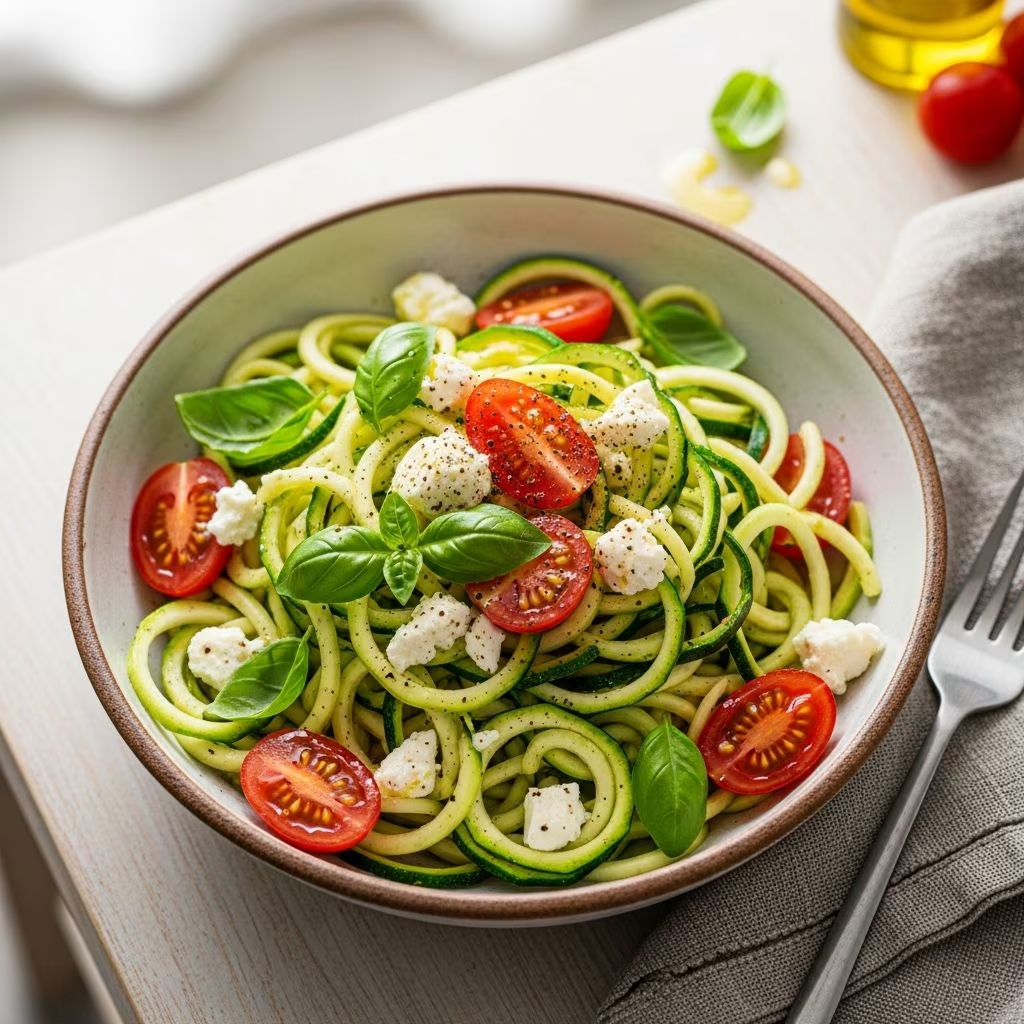
Summer vegetables offer endless culinary possibilities, and zucchini stands among the most versatile. Rather than relegating this abundant squash to stir-fries or grilled preparations, consider transforming it into a silky, uncooked sauce that clings beautifully to pasta. This approach celebrates the vegetable’s natural delicate flavor while requiring minimal kitchen effort. The technique involves salt-drawing to concentrate the zucchini’s essence, creating a surprisingly creamy topping for your favorite pasta shapes.
Understanding the No-Cook Method
The foundation of an uncooked zucchini sauce lies in a simple principle: moisture management. Fresh zucchini contains substantial water content that, if not properly extracted, results in a watery, thin sauce. The salt-drawing technique utilizes osmosis to pull moisture from the vegetable cells, intensifying flavors while creating a more concentrated base. This process requires patience but minimal active cooking time, making it ideal for warm weather when turning on the stove feels unnecessary.
The beauty of this approach extends beyond convenience. Uncooked sauces preserve the bright, fresh characteristics of seasonal produce that prolonged heat can diminish. Garlic, herbs, and citrus remain vivid and pronounced, offering a palate-cleansing quality perfect for summer meals. Additionally, the method accommodates various dietary preferences, from vegetarian to vegan adaptations, without requiring specialized equipment or techniques.
Selecting and Preparing Your Zucchini
Quality ingredients form the cornerstone of any successful no-cook preparation. Choose zucchini that feel firm with unblemished skin, avoiding oversized specimens that may contain excessive seeds and water. Medium to large zucchini work equally well for this recipe; the key lies in consistent slicing.
The slicing technique significantly impacts your final sauce texture. Thin, even cuts—approximately one-eighth inch thick—create the ideal surface area for salt penetration and moisture release. You can accomplish this with a sharp chef’s knife using deliberate, controlled strokes. For those possessing a mandoline slicer, this tool ensures uniformity and reduces preparation time considerably.
Begin by trimming the stem ends from your zucchini and rinsing thoroughly under cool water. Pat dry with paper towels to remove surface moisture. Cut each zucchini lengthwise into two halves, then slice each half into half-moon shapes. As you work, place the slices into a large mixing bowl. The quantity should yield approximately seven cups of prepared zucchini, though slight variations prove inconsequential.
The Critical Salt-Drawing Phase
Once your zucchini is sliced, the transformation begins with salt. Sprinkle kosher salt—approximately one tablespoon of Diamond Crystal brand or one and three-quarter teaspoons of Morton brand—across your vegetable slices. Using your hands, massage the salt into the zucchini with gentle but firm motions, encouraging the salt crystals to penetrate the cellular structure. You’ll notice the zucchini begin to soften and break down slightly; this indicates the osmotic process is functioning correctly.
Transfer the salted zucchini to a fine-mesh colander positioned over the same bowl you used for mixing. This setup allows the extracted liquid to collect below while the zucchini drains. Allow this process to proceed undisturbed at room temperature for thirty minutes. Patience during this phase proves essential; attempting to rush the process results in excess moisture remaining in your sauce.
After the initial resting period, take handfuls of the zucchini and firmly squeeze them over the colander, expressing as much liquid as possible. This manual extraction removes considerably more moisture than passive draining alone. Discard the accumulated liquid in the bowl and return your squeezed zucchini to the now-empty bowl, ready for the next stage of flavoring.
Building Layers of Flavor
The concentrated zucchini now becomes the canvas for aromatic and acidic components that define the sauce character. Combine your drained zucchini with freshly grated garlic—approximately seven cloves processed through a microplane grater—which distributes the pungent allium throughout more evenly than mincing.
Fresh basil, coarsely chopped to preserve its delicate oils, contributes the herbaceous note essential to Mediterranean preparations. Half a cup of lightly packed basil provides sufficient flavor without overwhelming the zucchini’s subtle taste. Combine this with high-quality extra-virgin olive oil, which acts as both flavoring agent and emulsifier, helping the final sauce coat the pasta strands.
Lemon becomes the crucial brightness element: both the zest—approximately two tablespoons finely grated—and juice—roughly one-quarter cup—contribute citrus character at different intensity levels. The zest provides concentrated flavor and pleasant bitter notes, while the juice offers fresh acidity that prevents the sauce from becoming cloying.
Red pepper flakes introduce gentle heat, ranging from subtle warmth to pronounced spice depending on your preference and the flakes’ quality. One to two teaspoons proves sufficient for most palates. Freshly ground black pepper adds another layer of complexity. Finally, incorporate an additional teaspoon of kosher salt, tasting as you proceed and adjusting according to your preference.
Once all components are combined, resist the urge to immediately dress your pasta. Allowing the sauce to rest at room temperature for fifteen to sixty minutes permits flavors to meld and intensify. The zucchini continues releasing subtle amounts of moisture, which distributes the seasonings more evenly.
Selecting Your Pasta Shape
The choice of pasta shape influences how the sauce adheres and presents. Small tubular shapes like ditalini, tubetti, or small penne work exceptionally well, as their interior channels trap sauce particles and distribute creamy elements throughout. Short curly shapes such as fusilli or rotini similarly perform admirably. Conversely, thin pasta varieties like angel hair or spaghetti work but provide less sauce surface area per bite.
Approximately one pound of dried pasta accommodates the sauce quantity generated by two pounds of zucchini, serving four to six people depending on portion expectations and accompanying dishes. Cook your pasta according to package directions in generously salted water, which seasons the pasta itself and contributes starch to the final sauce consistency.
Creating the Final Creamy Sauce
The most crucial moment arrives immediately after draining your cooked pasta. While the noodles remain hot and steaming, add cold cream cheese cut into half-inch cubes and unsalted butter similarly portioned. The residual heat melts these dairy components, creating a rich, emulsified base. Stir vigorously, ensuring complete melting and distribution.
Next, introduce your prepared zucchini mixture—including all accumulated liquid at the bowl’s bottom—along with finely grated Parmesan cheese, approximately four ounces depending on your taste preferences. Toss continuously, allowing the cheese to melt gradually and incorporate throughout.
If the sauce appears too thick, gradually add reserved pasta cooking water one tablespoon at a time. This starchy liquid thins the sauce while simultaneously improving its cling to the pasta strands. Continue this process until the sauce achieves a smooth, creamy consistency that coats each piece of pasta without pooling excessively at the bowl’s bottom.
Finishing and Serving Recommendations
Taste your finished dish and adjust seasoning with additional salt if necessary. Some cooks prefer a more pronounced lemon flavor and choose to add supplementary juice. Others appreciate additional fresh basil leaves scattered across the finished dish for color and herbaceous brightness.
Serve immediately while the pasta retains optimal temperature and the sauce demonstrates ideal consistency. A final shower of freshly grated Parmesan cheese provides textural contrast and reinforces the savory umami notes. Some presentations benefit from a drizzle of excellent extra-virgin olive oil or a sprinkle of toasted breadcrumbs for added dimension.
Storage and Make-Ahead Considerations
While this sauce achieves its finest quality when served immediately, components can be prepared in advance. The salt-drawn zucchini, properly stored in an airtight container, maintains quality for up to two days refrigerated. The aromatics and seasonings can be combined hours before cooking, allowing flavors to deepen. Combine only immediately before tossing with hot pasta, as the zucchini’s delicate texture deteriorates if exposed to prolonged heat after assembly.
Adaptations and Variations
The fundamental technique accommodates numerous interpretations. Those preferring heartier sauces might supplement the zucchini with complementary vegetables such as finely grated yellow squash or thinly sliced summer vegetables like snap peas. Protein additions might include grilled chicken, pan-seared shrimp, or crispy pancetta for non-vegetarian preparations.
Different herb combinations transform the sauce’s character: mint substitutes for basil, offering brighter, more refreshing notes; oregano provides Mediterranean complexity; dill introduces unexpected herbaceous earthiness. Nuts such as pine nuts or walnuts, lightly toasted and pulsed coarsely, add textural interest without requiring cooking.
Frequently Asked Questions
Can I prepare this sauce ahead of time?
The salt-drawn zucchini stores well for one to two days refrigerated. However, combine with pasta immediately before serving for optimal texture and flavor. You can prepare individual components hours in advance, then assemble quickly.
What if my sauce seems too watery?
Ensure you’re thoroughly squeezing the zucchini after the salt-drawing phase. If still too thin, add reserved pasta water gradually rather than all at once, and increase the reserved cooking water additions to achieve desired consistency.
Does this recipe work with yellow squash?
Yes, yellow squash performs identically to zucchini in this preparation. Many cooks appreciate the color variation that combining both varieties provides. Use a combination of the two to achieve visual appeal.
How do I make this vegan?
Substitute the cream cheese and butter with vegan alternatives, and use nutritional yeast instead of Parmesan, or select a plant-based Parmesan option. The sauce remains creamy and delicious with these substitutions.
Why This Technique Works
The uncooked method preserves zucchini’s delicate nutritional profile while celebrating its subtle flavor. Heat-free preparation means water-soluble vitamins remain intact, and the bright characteristics of fresh herbs and citrus don’t diminish through cooking. This approach proves particularly appealing during summer months when fresh produce peaks and kitchen temperatures already feel elevated.
The cream cheese and butter components, added to hot pasta rather than cooked directly, create a silky emulsion without breaking or curdling. This technique ensures consistent, luxurious texture without requiring cream, which many cooks prefer to avoid or reserve for special occasions.
References
- The Pasta Water Secret: How to Make Restaurant-Quality Sauces at Home — America’s Test Kitchen. 2023-06-15. https://www.americastestkitchen.com/articles/2172-the-pasta-water-secret
- Salt Drawing and Osmosis in Vegetable Preparation — Culinary Institute of America. 2022-03-20. https://www.ciachef.edu/cooking-techniques
- Summer Squash Varieties and Culinary Applications — University of California Cooperative Extension. 2024-05-10. https://ucanr.edu/sites/anrstaff/files/387635.pdf
- Emulsification in Pasta Sauces: Science and Practice — Journal of Culinary Science & Technology. 2023-09-14. https://www.tandfonline.com/doi/full/10.1080/15428052.2023.2234567