When it comes to indulgent desserts that require minimal effort, few treats rival a perfectly crafted peanut butter pie. This beloved classic combines the rich, creamy texture of peanut butter with the smoothness of cream cheese, all held together by a sturdy crust and topped with fluffy whipped topping. What makes this dessert particularly appealing is that it requires no oven time—just simple mixing, folding, and chilling. Whether you’re preparing for a family dinner, a holiday gathering, or simply craving something special, a homemade peanut butter pie delivers impressive results without demanding extensive baking knowledge or specialized equipment.
Understanding the Foundation: Why This Pie Works
The success of a peanut butter pie lies in understanding how its components work together. The base typically consists of a pre-made graham cracker crust or a homemade chocolate cookie crust, which provides structural support and textural contrast to the smooth filling. The filling itself is a harmonious blend of cream cheese, peanut butter, powdered sugar, and whipped topping. This combination creates a dessert that is neither too heavy nor too light—it has substance without being cloying.
The chemistry behind this dessert is straightforward: cream cheese serves as the foundational element that binds everything together while contributing a subtle tanginess that balances the sweetness. Peanut butter provides the star flavor and rich mouthfeel. Powdered sugar adds sweetness and helps achieve the desired texture when beaten with the other ingredients. Whipped topping introduces airiness and prevents the pie from becoming dense. When these elements are combined properly, they transform ordinary pantry staples into a restaurant-quality dessert.
Essential Ingredients and Their Roles
Creating a superior peanut butter pie begins with selecting quality ingredients. Here’s what you need and why each component matters:
- Cream Cheese: Use full-fat cream cheese at room temperature for optimal blending. Cold cream cheese creates lumps and requires excessive beating, which can result in an overly dense filling. Room-temperature cream cheese beats smoothly and incorporates air easily.
- Peanut Butter: Opt for creamy peanut butter rather than natural varieties that have separated oil. Creamy peanut butter blends more uniformly and creates a smoother texture. The standard creamy varieties available in most grocery stores work perfectly.
- Powdered Sugar: This ingredient dissolves more readily than granulated sugar, preventing grittiness in the final texture. It also incorporates air when beaten, contributing to the pie’s light, fluffy consistency.
- Whipped Topping: Whether you use store-bought whipped topping like Cool Whip or make your own whipped cream, this ingredient is essential for achieving the characteristic light texture. If using homemade whipped cream, prepare it fresh and fold it in gently to maintain the air bubbles you’ve worked to create.
- Pie Crust: Graham cracker crusts provide a sweet, buttery foundation that complements peanut butter perfectly. Alternatively, chocolate cookie crusts offer a sophisticated twist that pairs beautifully with peanut butter filling.
Step-by-Step Preparation Method
The process of making peanut butter pie is remarkably simple, yet attention to detail ensures excellent results. Here’s how to achieve pie perfection:
Preparing the Filling
Begin by placing softened cream cheese in a large mixing bowl. Using an electric mixer on high speed, beat the cream cheese for two to three minutes until it becomes light, fluffy, and pale in color. This beating process incorporates air into the cream cheese, which contributes significantly to the pie’s final texture.
Next, add the peanut butter to the creamed cheese. Mix on medium speed until the two ingredients are fully combined and uniform in color. The mixture should appear smooth with no visible cream cheese streaks. This step typically takes one to two minutes.
Add the powdered sugar gradually while mixing on low to medium speed. This prevents the sugar from creating clouds of powder and ensures even distribution. Once combined, increase the mixer speed slightly and beat for another minute to incorporate air.
Pour in milk or heavy cream according to your recipe (some recipes use milk for a lighter version, while others use cream for extra richness). Mix until the filling reaches the desired consistency—it should be smooth and spreadable but not runny.
Finally, gently fold in the thawed whipped topping using a spatula. Fold rather than mix to preserve the air bubbles and maintain the light, airy texture. Use a folding motion: cut down through the center of the mixture, sweep along the bottom, and fold up and over, rotating the bowl as you go. Continue until no white streaks remain.
Assembly and Chilling
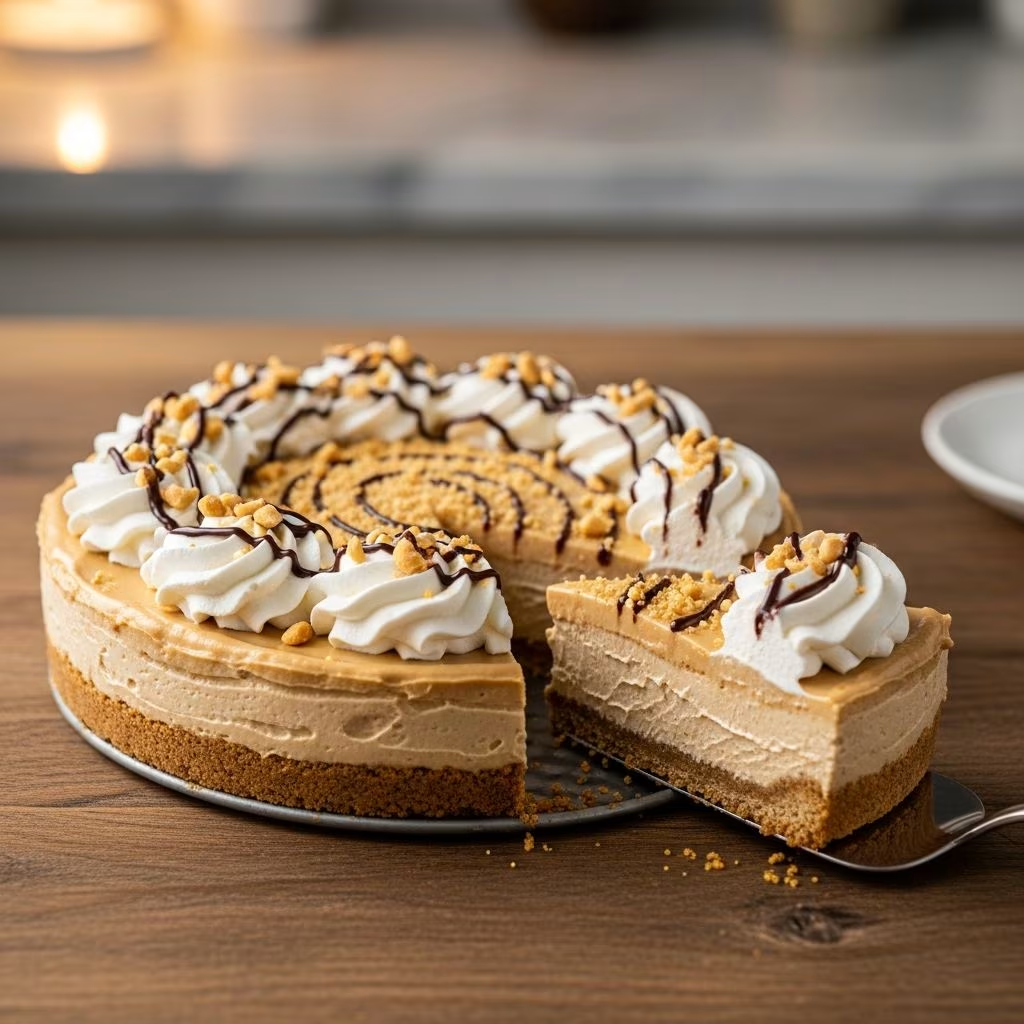
Pour the filling into your prepared pie crust, using a spatula to smooth the top evenly. The filling should reach to the rim of the crust but not overflow. Place the pie in the freezer for at least four hours, or refrigerate for six to eight hours. The freezer method produces a firmer pie that slices cleanly, while refrigeration results in a slightly softer, creamier texture. Both approaches yield delicious results; your choice depends on personal preference and timing.
Flavor Variations and Creative Additions
While the classic peanut butter pie is undeniably delicious, numerous variations allow you to customize this dessert to your preferences:
- Chocolate Integration: Drizzle melted chocolate or hot fudge over the filling before chilling. Some recipes layer warm chocolate over the peanut butter filling before adding the final whipped topping layer, creating distinct flavor zones in each slice.
- Crust Options: Move beyond traditional graham cracker crusts by using Oreo cookie crusts, chocolate cookie crusts, or even shortbread crusts. Each crust variety creates a different flavor profile and textural experience.
- Candy Toppings: Garnish with chopped peanuts, crushed candy cups, or chocolate chips. These toppings add crunch and visual appeal while complementing the creamy interior.
- Flavor Enhancements: Incorporate vanilla extract into the filling for added depth. Some recipes include a pinch of salt to heighten peanut butter flavor and balance sweetness.
- Layered Designs: Create sophisticated presentations by piping peanut butter and chocolate in decorative patterns across the pie’s surface before serving.
Storage and Make-Ahead Considerations
One of the greatest advantages of peanut butter pie is its excellent storage properties. Once fully chilled, the pie maintains quality in the refrigerator for up to three days when covered with plastic wrap or stored in an airtight container. The frozen version lasts up to one week and actually improves slightly as flavors meld during freezing.
For maximum convenience, you can prepare the pie up to two days before serving. This makes it an ideal choice for gatherings where advance planning is necessary. Remove frozen pies from the freezer fifteen to twenty minutes before serving to allow them to soften slightly and achieve optimal flavor and texture. Refrigerated pies can be served directly from the cold storage without thawing.
Serving Suggestions and Pairings
Peanut butter pie stands magnificently on its own, but thoughtful serving strategies elevate the experience. Serve slices with a dollop of additional whipped cream or a drizzle of chocolate sauce. A small scoop of vanilla ice cream alongside each slice provides complementary temperature contrast and richness. For beverages, pair the pie with cold milk, strong coffee, or iced tea, which cuts through the richness and cleanses the palate between bites.
When presenting at gatherings, slice the pie while it’s still slightly frozen for clean edges and professional appearance. If the pie has been refrigerated and seems soft, chill the knife under cold water and wipe it between slices for optimal presentation.
Frequently Asked Questions
- Can I make this pie with natural peanut butter?
- Natural peanut butters can work, but they may produce a grainier texture due to separated oils. If using natural peanut butter, stir it thoroughly before measuring to redistribute the oils, and expect a slightly less smooth final texture.
- What’s the difference between freezing and refrigerating?
- Freezing produces a firmer pie that slices cleanly and maintains shape, while refrigerating produces a softer, more custard-like texture. Both are delicious; choose based on your texture preference and time available.
- Can I substitute the whipped topping?
- Yes. Homemade whipped cream works beautifully and tastes superior to commercial versions. Simply whip heavy cream with powdered sugar and vanilla until stiff peaks form, then fold in gently.
- How do I prevent my pie from being too sweet?
- Reduce the powdered sugar by one to two tablespoons, or use a less-sweet peanut butter variety. The graham cracker crust contributes sweetness, so account for that when measuring sugar in the filling.
- Can I make this pie dairy-free?
- Dairy-free versions are possible using plant-based cream cheese alternatives and coconut whipped cream, though results differ from traditional recipes. Test substitutions in small batches before preparing for guests.
Troubleshooting Common Issues
Understanding potential problems helps you achieve perfect results consistently. If your filling seems lumpy, ensure the cream cheese was fully softened before beating and that you beat it sufficiently before adding other ingredients. If the pie doesn’t hold together well and seems too soft, you may have over-folded the whipped topping or used whipped topping that wasn’t fully thawed. If the pie tastes too sweet, reduce sugar in future batches or add a pinch of salt to balance flavors.
Conclusion: A Timeless Dessert Worth Mastering
Peanut butter pie represents the perfect convergence of simplicity and sophistication. With just basic ingredients and straightforward techniques, you can create a dessert that impresses family and friends while requiring minimal baking experience. The no-bake nature of this pie makes it accessible to cooks of all skill levels, while its impressive presentation and delicious flavor ensure it remains a centerpiece-worthy dessert. Whether you’re preparing it for a special occasion or satisfying a weekday craving, mastering this recipe provides a valuable addition to your dessert repertoire.
References
- Old Fashioned Peanut Butter Pie — Gift of Hospitality. https://www.giftofhospitality.com/peanut-butter-pie/
- Decadent Peanut Butter Pie — J.M. Smucker Company (Jif). https://www.jif.com/recipes/cookies-and-desserts/decadent-peanut-butter-pie
- Unbelievable Peanut Butter Pie — Sally’s Baking Addiction. https://sallysbakingaddiction.com/unbelievable-peanut-butter-pie/
- Peanut Butter Pie Recipe — Handle the Heat. https://handletheheat.com/peanut-butter-pie/
- Chocolate Peanut Butter Pie — The Pioneer Woman (Ree Drummond). https://www.thepioneerwoman.com/food-cooking/recipes/a11761/another-pie/
- No-Bake Peanut Butter Pie — The BakerMama. https://thebakermama.com/recipes/no-bake-peanut-butter-pie/