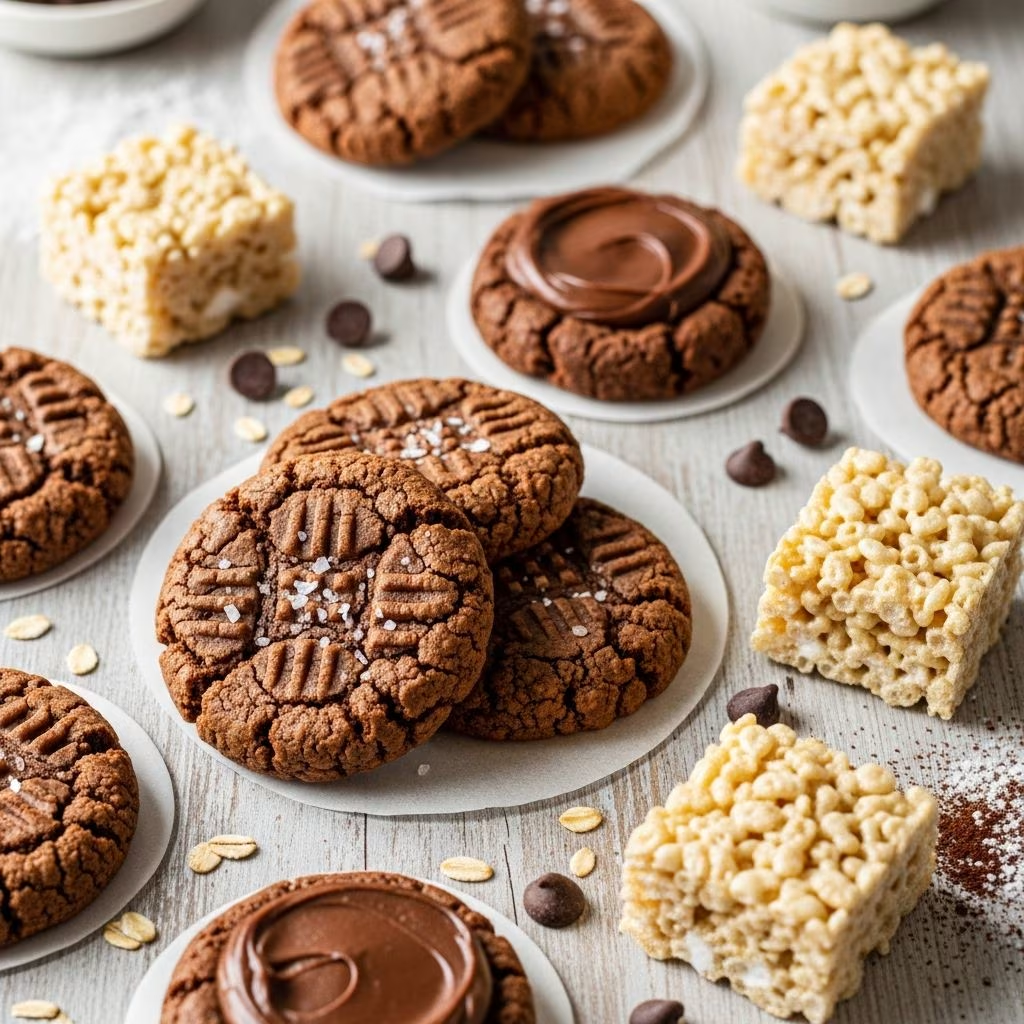
When summer heat makes turning on the oven unbearable or you need a quick dessert without extensive preparation, no-bake cookies emerge as an ideal solution. These treats combine simplicity with satisfying flavor, requiring only a handful of common pantry staples and minimal cooking time. Whether you’re an experienced baker or a kitchen novice, mastering this category of confections opens up countless flavor possibilities while keeping your kitchen cool and stress-free.
Understanding the No-Bake Cookie Category
No-bake cookies represent a distinct approach to cookie-making that bypasses traditional oven baking entirely. Instead, these treats rely on a combination of heat, cooling, and setting time to achieve their final texture. The fundamental concept involves heating certain ingredients to specific temperatures, then allowing the mixture to cool and solidify at room temperature. This method produces cookies with unique characteristics—typically chewier and denser than their baked counterparts, with flavors that often feel more intensified due to minimal cooking time.
The appeal extends beyond convenience. These cookies maintain their texture better in warm climates where humidity might compromise traditionally baked goods. Additionally, they require less attention during preparation, making them accessible to busy individuals and families seeking homemade treats without extensive effort.
Essential Ingredients for Traditional Formulations
Most classic no-bake cookie recipes revolve around a surprisingly short ingredient list. The foundation typically includes butter, sugar, cocoa powder, milk, oats, and peanut butter. Understanding each component’s role helps explain why these specific ingredients work together so effectively.
Butter serves as the fat component, contributing richness and helping bind ingredients together. Salted butter works particularly well in these recipes, though unsalted butter with added salt provides equal results. The butter must fully melt during the heating process to ensure smooth, evenly combined mixtures.
Sugar provides sweetness while also serving a crucial structural purpose. As the mixture heats, sugar crystals dissolve and eventually contribute to the cookies’ setting process. Many recipes employ a combination of granulated and brown sugar, with brown sugar adding moisture and subtle caramel notes.
Cocoa powder delivers the signature chocolate flavor. Both natural and Dutch-process varieties work successfully, though Dutch-process cocoa creates a slightly richer, darker chocolate character. The cocoa powder must be unsweetened, allowing the recipe’s sugar content to control overall sweetness levels.
Milk acts as a binder and helps achieve the proper consistency. Whole milk produces the most reliable results, though two-percent milk, evaporated milk, and even plant-based alternatives like almond milk have proven successful. The milk’s fat content matters significantly—skim or nonfat varieties may cause cookies to fall apart during setting.
Oats provide texture and substance, preventing the cookies from becoming overly fudgy or collapsing. Quick-cooking oats work best, offering finer texture than steel-cut varieties while still providing structural integrity.
Peanut butter contributes creamy texture and distinctive flavor, offsetting the cocoa’s bitterness. No-stir creamy varieties produce the smoothest final product, though crunchy peanut butter can add textural interest for those who prefer it.
The Heating and Boiling Process
The preparation technique separates successful no-bake cookies from disappointing results. Temperature control proves absolutely critical throughout this stage. Begin by combining butter, sugar, cocoa powder, and milk in a medium saucepan over medium heat. The key principle involves allowing these ingredients to combine gradually rather than rushing the process with high heat.
Stir occasionally as the butter melts completely, ensuring sugar begins dissolving into the liquid. This gradual approach prevents the sugar from crystallizing unevenly or the mixture from becoming overly hot before all components fully combine. Once the mixture reaches a rolling boil, timing becomes essential. Boil for exactly one minute while stirring occasionally, then immediately remove from heat.
Weather conditions surprisingly affect this step. On humid or rainy days, many experienced bakers extend the boiling time slightly to ensure proper sugar saturation and optimal setting behavior. This adjustment prevents cookies from remaining too soft or refusing to firm up entirely.
Temperature matters tremendously because it affects the mixture’s ability to set properly. Insufficient heating prevents the sugar from reaching the concentration necessary for solidification, while excessive heating can cause uneven texture and burning.
Combining Remaining Ingredients and Cooling
Immediately after removing the mixture from heat, add oats, peanut butter, and vanilla extract. Using a silicone spatula, stir vigorously until the peanut butter fully incorporates with no streaks remaining. This step requires some effort but ensures consistent texture throughout the final product.
Working quickly at this stage proves important. The mixture begins setting as it cools, and you want it to remain workable when dropping onto parchment-lined baking sheets. Using a cookie scoop ensures uniform sizes and presentation, though spoons work adequately for casual preparation.
After placing dollops of mixture onto parchment paper, allow them to cool completely at room temperature for twenty to thirty minutes before consuming. Patience during this stage determines whether cookies achieve the ideal chewy texture or remain sticky. Refrigeration can accelerate setting but isn’t necessary for proper results.
Creative Flavor Variations and Adaptations
While the classic chocolate-peanut-oatmeal combination remains beloved, numerous variations expand this recipe’s possibilities. Understanding ingredient substitutions allows home bakers to customize these treats to personal preferences.
Chocolate enhancements might include chocolate-hazelnut spread alongside or instead of pure cocoa powder, creating richer, more luxurious flavor. Some recipes incorporate both cocoa and melted chocolate for intensified chocolate character without requiring additional oven time.
Nut alternatives extend the recipe beyond peanut butter’s classic presence. Almond butter, cashew butter, or sunflower seed butter provide different flavor profiles while maintaining the creamy texture essential to the recipe’s structure. Nut allergies or preferences might necessitate these substitutions.
Sweetener modifications accommodate various dietary preferences. Honey, maple syrup, agave nectar, or other liquid sweeteners can replace granulated sugar, though adjustments to liquid content might prove necessary. These options introduce subtle flavor notes while maintaining the recipe’s fundamental character.
Mix-in possibilities are virtually limitless. Dried fruits like cranberries or raisins, chopped nuts, white or dark chocolate chips, coconut flakes, or even espresso powder transform basic recipes into personalized creations. These additions should be stirred in during the final mixing stage.
Ingredient Substitutions for Dietary Needs
People with specific dietary requirements or ingredient preferences need not miss out on these treats. Several thoughtful substitutions maintain recipe integrity while accommodating various needs.
For those unable to consume oats due to celiac disease or sensitivity, almond flour provides similar structure and texture while adding subtle nutty notes. The substitution works on a one-to-one basis, though the final texture may be slightly different—often slightly grainier but equally enjoyable.
Dairy-free preparations require attention to the milk component. Full-fat coconut milk, oat milk, or cashew milk work successfully, though the fat content matters significantly. Skim alternatives may compromise the cookies’ ability to set properly.
For individuals following vegan diets, plant-based butter and non-dairy milk perfectly replace their conventional counterparts. Vegan peanut butter, naturally free from animal products, substitutes seamlessly.
Those managing blood sugar levels might experiment with sugar substitutes, though results require careful attention. Some alternatives affect setting behavior or final texture, necessitating small-batch testing before larger preparations.
Storage and Shelf-Life Considerations
Properly stored no-bake cookies maintain quality for extended periods. At room temperature in an airtight container, these treats remain fresh for approximately one week. The parchment paper separating layers prevents sticking during storage.
Refrigeration extends shelf-life to two weeks, though cookies may firm up considerably in cool temperatures. Freezing provides the longest-term storage option, with cookies remaining acceptable for up to three months in a freezer-safe container. Thawing at room temperature restores original texture without requiring any additional preparation.
Common Challenges and Solutions
Cookies that won’t set: This typically results from insufficient boiling time or low-fat milk. Ensure the mixture reaches a true rolling boil for the full minute, and verify your milk contains adequate fat content.
Gritty texture: Sugar crystals that didn’t fully dissolve create this unpleasant sensation. Avoid high heat initially, allowing sugar time to dissolve gradually. On humid days, extend boiling time slightly.
Peanut butter streaks: Thorough stirring during the final mixing stage prevents this issue. Continue mixing until the peanut butter completely integrates with no visible streaks.
Overly soft cookies: These result from insufficient cooling time or high ambient humidity. Allow the full thirty-minute cooling period and store in airtight containers to prevent moisture absorption.
Frequently Asked Questions
Can I use crunchy peanut butter instead of creamy?
Yes, crunchy peanut butter works perfectly in no-bake cookies. It simply adds textural variation with peanut pieces throughout the final product. Some people prefer this version for additional crunch.
What type of oats should I use?
Quick-cooking oats produce the best results, offering fine texture while maintaining structural integrity. Steel-cut oats create a coarser, chewier final product. Rolled oats work but may produce a slightly softer cookie.
How do I prevent my cookies from spreading too much?
Ensure you boil the mixture for exactly one minute and use whole milk with adequate fat content. These factors control the setting behavior. Cooling completely before removing from parchment also prevents spreading.
Can I double this recipe?
Yes, doubling works perfectly as long as your saucepan is large enough. The boiling time remains the same at one minute regardless of batch size.
Are these cookies actually “no-bake” if I use an oven?
Traditional no-bake cookies never enter the oven. They set entirely through cooling at room temperature. If baking occurs, they transition to a different category of treats.
How should I store these cookies long-term?
Freezing provides excellent long-term storage for up to three months. Use airtight, freezer-safe containers and thaw at room temperature before serving.
Final Thoughts on No-Bake Cookie Success
No-bake cookies represent an accessible entry point into homemade treat preparation. Their simplicity belies the satisfaction of creating delicious, personalized confections without extensive equipment or technique mastery. By understanding the role of each ingredient and respecting the careful timing and temperature control required, anyone can produce professional-quality treats in their home kitchen.
The versatility of this recipe encourages experimentation and personalization. Whether following the classic formula exactly or adapting it to accommodate preferences and dietary needs, no-bake cookies deliver consistent results that please both experienced bakers and kitchen newcomers. The combination of speed, simplicity, and flexibility explains why these treats remain beloved across generations and continue gaining new enthusiasts each year.
References
- No-Bake Cookies Recipe with Flavor Variations — Bigger Bolder Baking. 2026. https://www.biggerbolderbaking.com/crazy-no-bake-cookies-recipe/
- Classic No-Bake Cookies — Live Well Bake Often. 2026. https://www.livewellbakeoften.com/classic-no-bake-cookies/
- Super Easy No-Bake Cookies — Preppy Kitchen. 2026. https://preppykitchen.com/no-bake-cookies/
- No-Bake Cookie Recipes — The Pioneer Woman. 2026. https://www.thepioneerwoman.com/food-cooking/meals-menus/g46043549/no-bake-cookies/
- No Bake Cookies Recipe — Sugar Spun Run. 2026. https://sugarspunrun.com/no-bake-cookies/