When temperatures soar and the thought of heating your kitchen becomes unbearable, no-bake desserts become your culinary salvation. Among the simplest yet most satisfying options, chocolate coconut cookies stand out as a versatile choice that combines indulgence with practicality. These delightful confections require minimal preparation, straightforward ingredients, and virtually no specialized equipment, making them accessible to cooks of all skill levels.
Understanding the Foundation: Why These Cookies Excel
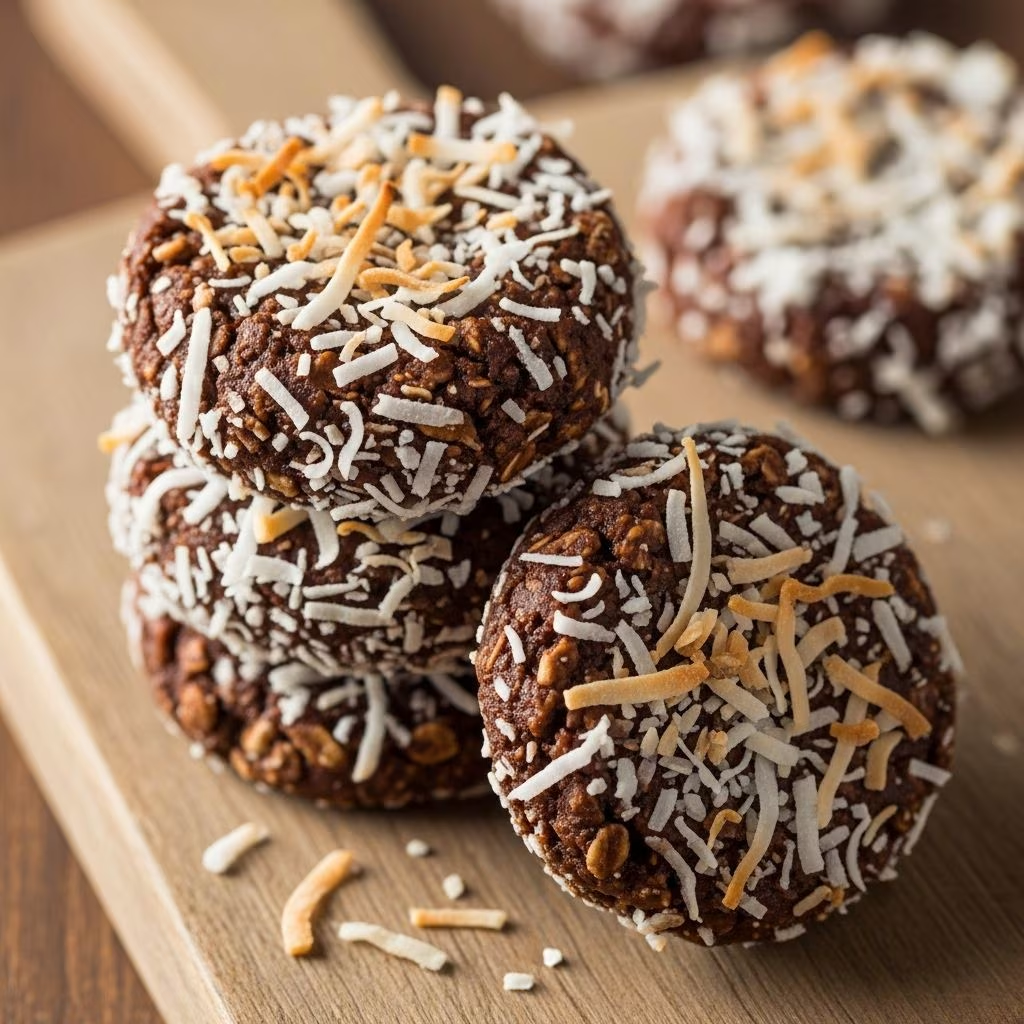
No-bake chocolate coconut cookies represent a departure from traditional oven-baked desserts while maintaining the comfort and satisfaction we expect from homemade treats. The beauty of this approach lies in its efficiency and adaptability. Unlike conventional cookies that demand precise temperatures and careful timing, these mounds of chocolatey goodness come together through simple mixing and refrigeration. The combination of chocolate and coconut creates a flavor profile reminiscent of popular candy bars, yet the preparation method eliminates the complexity typically associated with such indulgent flavors.
The fundamental principle behind these cookies involves combining melted chocolate components with binders and flavorful additions, then allowing them to set at cool temperatures. This method preserves the structural integrity of delicate ingredients like coconut while developing rich chocolate notes without the risk of burning or uneven baking.
Ingredient Selection and Customization Options
The versatility of no-bake chocolate coconut cookies begins with ingredient choices. Each component serves a specific purpose while offering room for personal preference.
Chocolate and Fat Base
The chocolate component forms the structural foundation of your cookies. Semi-sweet chocolate chips provide a balanced sweetness that complements coconut’s tropical character, though dark chocolate offers a more sophisticated flavor for those preferring reduced sugar intensity. Milk chocolate serves those who desire sweeter, creamier results. Beyond chocolate chips, cocoa powder mixed with sweeteners and fats creates an alternative base, particularly useful for recipes emphasizing rich chocolate depth.
Coconut oil acts as a complementary fat that aids melting and adds subtle coconut undertones. Refined coconut oil works well when you prefer a subtle coconut presence, allowing other flavors to dominate. Unrefined varieties intensify coconut flavor, perfect for enthusiasts seeking pronounced tropical notes. Traditional butter offers richness and stability in recipes that exclude coconut oil.
Textural Elements
Rolled oats provide structural support and pleasant texture variation, creating a cookie that’s neither entirely soft nor rigid. Quick oats integrate more seamlessly into the mixture, producing denser cookies, while old-fashioned varieties create a more rustic texture with visible oat pieces. Steel-cut oats prove too coarse and don’t achieve proper binding in no-bake applications.
Shredded coconut flakes deliver authentic tropical flavor and textural contrast. Sweetened varieties contribute additional sugar and more pronounced coconut taste, while unsweetened options offer flexibility for those managing sugar intake. The choice between these affects both sweetness levels and overall flavor intensity.
Flavor Enhancers
Peanut butter introduces creaminess and umami depth in many variations, creating a more complex flavor profile reminiscent of sophisticated candy bar combinations. Vanilla extract brightens chocolate notes and adds aromatic complexity. Some recipes incorporate almond butter or almond extract for variations that echo popular commercial candies.
The Science Behind Proper Melting and Combination
Success in no-bake cookie preparation hinges on careful heat management during the melting phase. Chocolate and fat components require low, gentle heat to melt uniformly without burning or becoming grainy. The process demands attention and patience—rushing this step with high heat damages chocolate’s delicate structure and creates unpleasant bitter flavors.
Once fully melted, the mixture must reach the proper consistency for combining with dry ingredients. The chocolate base should coat a spoon smoothly without running off immediately. Adding dry components to overly warm mixtures risks partially cooking coconut and oats, altering their texture and flavor. Conversely, allowing chocolate to cool slightly before combining ensures proper binding and prevents the mixture from becoming stiff and difficult to work with.
The stirring process itself contributes to cookie quality. Thorough incorporation ensures even distribution of chocolate throughout oats and coconut, preventing pockets of unsweetened oats or undiluted coconut. However, overstirring can develop gluten-like networks in some ingredients, making cookies tough rather than tender.
Shaping and Presentation Techniques
Unlike traditional baked cookies that spread and flow during cooking, no-bake versions maintain whatever shape you create. This characteristic demands intentionality in the shaping process. Using a small cookie scoop ensures consistent sizing and professional appearance, though spoons and fingers work equally well for more rustic presentations.
Proper spacing on parchment paper allows cookies to firm up without sticking together, though contact isn’t problematic since they don’t spread. Optional toppings like additional coconut flakes pressed gently into warm mixture add visual appeal and enhance coconut flavor. Some recipes incorporate a final drizzle of chocolate or a sprinkle of sea salt, elevating presentation and complexity.
Refrigeration and Storage Considerations
The setting phase proves crucial to achieving the desired texture. Refrigeration typically requires 30 minutes to an hour, depending on cookie size and room temperature. Freezer storage accelerates this process to 15-20 minutes for those seeking quicker gratification. Cookies set in the refrigerator develop a slightly chewier texture, while freezer-set varieties become firmer and require less careful handling.
Long-term storage demands attention to coconut oil’s temperature sensitivity. Since coconut oil solidifies below approximately 75°F and liquefies above this temperature, sealed container storage in the refrigerator extends shelf life substantially. Room temperature storage risks melting and structural collapse, while freezer storage preserves cookies for several weeks without textural degradation.
Recipe Variations and Creative Interpretations
| Variation Type | Key Modifications | Flavor Profile | Best For |
|---|---|---|---|
| Traditional Base | Chocolate, coconut oil, oats, coconut flakes | Pure chocolate-coconut | Purists seeking simplicity |
| Peanut Butter Enhanced | Added peanut butter in melted phase | Rich, candy-bar inspired | Those enjoying nut flavors |
| Sugar Reduced | Coconut oil base, minimal sweeteners | Sophisticated, less sweet | Health-conscious bakers |
| Almond Variation | Almond butter replaces peanut butter; almond extract added | Tropical-nut fusion | Almond enthusiasts |
| Dark Chocolate Intense | Cocoa powder emphasized, dark chocolate chips | Deep, sophisticated chocolate | Serious chocolate lovers |
Addressing Common Preparation Challenges
Mixture Too Soft
If your chocolate mixture remains too soft after combining dry ingredients, allowing several additional minutes of cooling before shaping often solves the problem. Alternatively, refrigerating the mixture for 10-15 minutes before spooning creates firmer portions easier to handle. Adding slightly more oats or coconut can absorb excess moisture, though this shifts the cookie-to-filling ratio.
Cookies Not Holding Together
Inadequate binder—whether chocolate, coconut oil, or peanut butter—creates crumbly cookies that fall apart. Adding small amounts of additional melted chocolate or peanut butter, one tablespoon at a time, restores cohesion. Conversely, ensure you’re using the correct oat variety, as some steel-cut or instant varieties don’t bind effectively.
Grainy Chocolate Texture
Overheating chocolate during melting introduces graininess that persists through the final cookie. Prevention proves far easier than correction—maintain low heat throughout melting. If graininess occurs, straining the mixture through fine mesh before combining with dry ingredients removes particles, though this extra step isn’t typically necessary with careful heat management.
Nutritional Considerations and Dietary Adaptations
These cookies naturally avoid refined flour, making them naturally gluten-free when using certified gluten-free oats. The coconut oil base provides easily digestible fats that support satiety, while oats contribute fiber and micronutrients. Recipes emphasizing cocoa powder deliver antioxidants associated with dark chocolate consumption.
For those managing sugar intake, recipes relying primarily on natural sweeteners in coconut oil combinations or incorporating cocoa powder without added sweeteners create satisfying options with reduced sugar content. Using unsweetened coconut flakes and minimizing additional sweetening agents produces cookies suitable for various dietary approaches.
Frequently Asked Questions
Can these cookies be made vegan?
Yes, by using coconut oil as the fat base and ensuring all chocolate is dairy-free, these cookies become naturally vegan-friendly. Coconut milk can replace dairy milk in recipes incorporating this ingredient.
How long do no-bake cookies last?
Properly refrigerated cookies maintain quality for approximately two weeks, while freezer storage extends viability to several months without significant quality loss.
What’s the ideal chocolate type for optimal results?
This depends on personal preference. Semi-sweet chocolate provides balanced flavor, while dark chocolate suits those preferring deeper, less sweet profiles. Milk chocolate appeals to those favoring sweeter treats.
Can I substitute the coconut oil with regular butter?
Yes, unsalted butter works as a direct replacement, though this eliminates coconut oil’s subtle coconut contribution and reduces the recipe’s versatility regarding storage temperatures.
Why did my cookies separate into layers?
Incomplete mixing of chocolate with dry ingredients creates separation. Ensure thorough stirring before shaping, incorporating all coconut and oat particles evenly throughout the chocolate base.
Conclusion: The Accessibility of Homemade Indulgence
No-bake chocolate coconut cookies represent more than just convenient desserts—they democratize indulgent treat-making by removing technical barriers and specialized knowledge. Whether preparing these for casual family gatherings, gifting to friends, or satisfying personal cravings on oppressively hot days, their simplicity empowers home cooks to create professional-quality confections without culinary expertise or specialized equipment. The combination of chocolate’s universal appeal with coconut’s tropical elegance, bound by humble oats and stabilized by coconut oil, produces treats that transcend their unpretentious preparation method. By understanding ingredient roles and mastering basic techniques, anyone can consistently produce delicious results worthy of premium confectionery.
References
- No Bake Chocolate Coconut Cookies — The Whole Cook. Accessed April 2026. https://thewholecook.com/no-bake-chocolate-coconut-cookies/
- No Bake Chocolate Coconut Oil Cookies – Vegan Gluten Free — The Honour System. Accessed April 2026. https://thehonoursystem.com/no-bake-chocolate-coconut-oil-cookies-vegan-gluten-free/