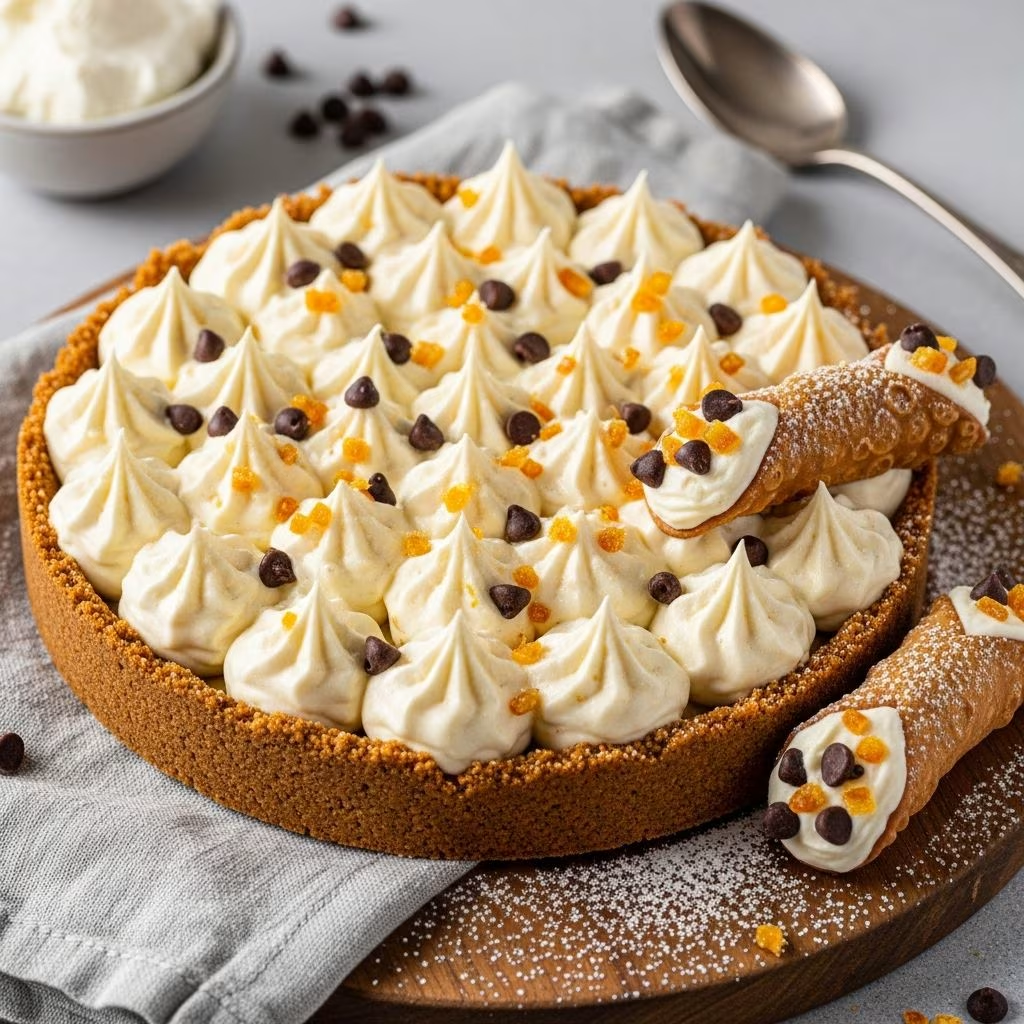
When it comes to creating impressive desserts that require minimal effort, few options rival the elegance and flavor profile of a no-bake cannoli pie. This Italian-inspired creation captures all the essence of traditional cannoli—the delicate sweetness, the texture contrasts, and the authentic taste—without the complexity and time investment typically associated with deep-frying individual pastries. Whether you’re planning a dinner party, preparing for a holiday gathering, or simply craving something extraordinary on an ordinary Tuesday evening, this remarkable dessert delivers restaurant-quality results from your home kitchen.
Understanding the Classic Cannoli Heritage
Before diving into the preparation of this no-bake version, it’s worth understanding the traditional cannoli that inspired it. Cannoli originated in Sicily, Italy, and represent centuries of culinary tradition. The classic composition features a fried pastry tube shell filled with sweetened ricotta cheese, candied fruits, and chocolate pieces. The contrast between the crispy, crunchy exterior and the creamy, decadent interior has made cannoli a beloved treat worldwide. Our no-bake interpretation honors this heritage by maintaining the essential flavor components—ricotta, mascarpone, chocolate, and citrus notes—while transforming the delivery method into something more accessible for home bakers.
Deconstructing the Components: A Layer-by-Layer Analysis
Understanding each component of this pie helps you appreciate how traditional cannoli flavors translate into a pie format.
The Foundation: Building Your Crust
The crust serves as your flavor foundation and textural anchor. Rather than attempting to fry pastry tubes, this recipe employs a combination of vanilla wafers and crushed pistachios bound with melted butter. This approach creates a sophisticated base that mimics the crispness of traditional cannoli shells while remaining completely no-bake. The vanilla wafers provide sweetness and structure, while pistachios contribute an earthy, nutty undertone that complements the filling beautifully. Together, these components create a crust with remarkable depth and complexity.
To construct this crust properly, pulse your vanilla wafers and pistachios in a food processor until they reach a consistency resembling coarse sand. This texture ensures proper distribution of binding ingredients and prevents the crust from becoming overly dense. Add melted butter gradually, pulsing between additions until the mixture just holds together when pressed. Press this mixture firmly into your pie plate using the bottom of a measuring cup—this technique prevents air pockets and ensures an even, professional-looking foundation.
The Heart: Crafting the Creamy Filling
The filling represents the soul of this dessert, where traditional cannoli flavors truly shine. This component combines several key ingredients that work in harmony:
- Ricotta cheese: Provides the authentic cannoli flavor base with its mild, slightly sweet character
- Mascarpone cheese: Adds luxurious creaminess and contributes to the velvety mouthfeel
- Heavy whipping cream: When whipped to stiff peaks, creates airiness and reduces density
- Powdered sugar: Sweetens the filling while dissolving smoothly into cheese components
- Orange zest: Brings brightness and complexity, a subtle nod to traditional cannoli preparations
- Mini chocolate chips: Provide textural contrast and authentic cannoli character
The technique for combining these ingredients matters significantly. Begin by whipping heavy cream to stiff peaks—this step is crucial for creating the light, airy texture that distinguishes this pie from dense, heavy cheese pies. Remove the whipped cream and set it aside. In your now-empty bowl, combine mascarpone, powdered sugar, and orange zest, beating until the mixture achieves a light, fluffy consistency. This typically requires about two minutes of mixing at medium speed. Add the ricotta gradually, mixing gently to avoid overworking the cheese, which can result in a grainy texture.
The final integration step requires particular care: fold approximately one-third of the whipped cream into the cheese mixture using a rubber spatula. This preliminary combination lightens the dense cheese base, making it easier to incorporate the remaining whipped cream. Gently fold in the remaining whipped cream, using minimal strokes to preserve the airiness you’ve carefully built. The goal is a filling that appears light yet maintains its structural integrity.
Preparation Methodology: Step-by-Step Assembly
Proper preparation ensures your cannoli pie achieves its intended texture and flavor profile.
- Prepare your crust using the methodology described above, then place it in the freezer while you prepare the filling. This chilling period prevents the crust from becoming soft when the wet filling is added.
- Whip your heavy cream until stiff peaks form, ensuring you use a clean, cold bowl and beaters for optimal results.
- Combine mascarpone, powdered sugar, orange zest, and a pinch of salt in your mixing bowl, beating until smooth.
- Add ricotta to the mascarpone mixture, beating on low speed until well integrated.
- Fold in one-third of the whipped cream using a rubber spatula and hand-folding techniques.
- Add the remaining whipped cream, folding gently until no white streaks remain.
- Transfer the filling to your prepared crust, using a spatula to smooth the top into an even layer.
- Refrigerate for a minimum of four hours, though overnight chilling is strongly recommended for optimal texture development and flavor melding.
- Immediately before serving, garnish with mini chocolate chips and a light dusting of powdered sugar for visual appeal and authentic cannoli authenticity.
Strategic Ingredient Selection and Quality Considerations
The quality of your finished pie depends significantly on ingredient selection. When choosing ricotta cheese, select whole milk varieties from reputable producers, as they offer superior flavor and texture compared to part-skim alternatives. Fresh ricotta offers exceptional results if available in your area. Mascarpone should be genuine Italian mascarpone when possible, as domestic alternatives sometimes contain additives that affect the final texture.
For heavy whipping cream, select products with minimal additives and a fat content of at least 36%. Cream with higher fat content whips to stiffer peaks more reliably. Orange zest should come from organic oranges when possible, as conventional citrus may carry pesticide residues that affect flavor. Consider zesting your oranges immediately before use rather than relying on pre-packaged zest, which loses aromatic compounds over time.
Timing and Make-Ahead Advantages
One of the most appealing aspects of this dessert is its exceptional make-ahead potential. You can prepare the complete pie up to three or four days in advance, storing it covered in the refrigerator. This characteristic makes cannoli pie ideal for entertaining, as it eliminates last-minute dessert preparation stress. Some bakers find that flavor actually improves with one to two days of refrigeration, as ingredients meld and intensify.
If space in your refrigerator is limited, the prepared crust can be stored separately for up to one week, and the filling can be assembled in advance and held for up to two days before being transferred to the crust. This flexibility allows you to stage your preparation across multiple days if desired.
Customization Options and Flavor Variations
While the classic preparation described above represents the traditional approach, several modifications allow you to adapt the recipe to personal preferences or dietary requirements:
| Variation | Modification | Result |
|---|---|---|
| Pistachio Enhancement | Add 1/4 cup pistachio butter to the ricotta mixture | Intensifies nutty flavor and adds depth |
| Cinnamon Integration | Replace orange zest with 1/2 teaspoon cinnamon | Creates warmer, spice-forward profile |
| Candied Fruit Addition | Fold in 1/2 cup diced candied cherries and citrus peel | Echoes traditional cannoli more closely |
| Dark Chocolate Variation | Replace mini chocolate chips with chopped dark chocolate | Adds sophistication and less sweetness |
| Reduced Sugar Version | Use stevia or monk fruit sweetener instead of powdered sugar | Accommodates dietary restrictions |
Serving Recommendations and Presentation Strategies
Cannoli pie deserves presentation that honors its elegance. Serve individual slices on chilled dessert plates immediately after removing from the refrigerator, as this prevents the filling from becoming overly soft. A light dusting of powdered sugar adds visual appeal and reinforces the traditional cannoli aesthetic. A small scoop of vanilla gelato alongside each slice creates an authentic Italian dessert experience.
For dramatic presentation, cut slices using a hot, wet knife—this prevents the filling from dragging and creates clean, professional-looking portions. Allow the knife to cool and rewet between each cut for optimal results. Chocolate shavings, whole pistachios, or candied orange peel provide sophisticated garnishes that elevate the visual presentation.
Frequently Asked Questions About No-Bake Cannoli Pie
Can I freeze this pie for extended storage?
Yes, this pie freezes remarkably well for up to six weeks. Wrap the complete pie tightly in plastic wrap and aluminum foil before freezing. Thaw in the refrigerator for several hours or overnight before serving. The texture remains consistent after freezing and thawing.
What if my whipped cream deflates while folding?
If this occurs, gently whip the cream again to restore stiffness, then continue folding. Work quickly and use minimal mixing strokes to prevent future deflation. Consider using a rubber spatula rather than a whisk or spoon, as this technique disturbs the cream structure less.
Can I use store-bought whipped cream instead of making my own?
While convenient, commercial whipped cream contains stabilizers and additives that produce a less desirable texture in this application. Homemade whipped cream, while requiring minimal effort, creates superior results. Fresh whipped cream also integrates more seamlessly with the cheese components.
How should I store leftover pie?
Cover leftover pie tightly with plastic wrap or aluminum foil and refrigerate for up to four days. The texture and flavor remain excellent throughout this period. Avoid storing uncovered pie, as it absorbs refrigerator odors quickly.
Is it necessary to chill the crust before adding filling?
Yes, this step is important. A chilled crust remains firm and structurally sound when the filling is added. A warm crust may become soft and difficult to handle, potentially compromising the final presentation.
Nutritional Considerations and Serving Portions
This recipe yields approximately eight to ten servings, depending on slice size. Each serving contains approximately 420–510 calories, with macronutrient distribution weighted toward fat (from cheese and cream) and carbohydrates (from sugar and crust components). The pie provides meaningful calcium and protein through cheese components, making it a more nutrient-dense dessert than many alternatives. Individuals following specific dietary protocols should adjust recipe components according to their requirements.
Conclusion: Bridging Tradition and Convenience
No-bake cannoli pie represents a brilliant culinary innovation—it honors Italian dessert traditions while embracing modern convenience. By eliminating the need for specialized equipment, temperamental frying techniques, and extended cooking times, this recipe makes authentic cannoli flavors accessible to home bakers of all skill levels. The result is a dessert that impresses guests, satisfies cravings, and simplifies entertaining logistics. Whether you’re seeking a show-stopping dinner party finale or a personal treat prepared during a quiet afternoon, this no-bake cannoli pie delivers exceptional flavor, remarkable ease of preparation, and the lasting satisfaction that comes from creating something genuinely extraordinary from simple, quality ingredients.
References
- Cannoli: Italian Pastry Heritage and Preparation Methods — Encyclopædia Britannica. 2024. https://www.britannica.com/food/cannoli
- Food Science: Whipping Cream and Stabilization Techniques — McGee, Harold. Wiley-Blackwell. 2004. https://doi.org/10.1016/B978-0-12-385521-8.00003-9
- Ricotta Cheese Production and Quality Standards — U.S. Department of Agriculture (USDA) Dairy Standards. 2023. https://www.fsis.usda.gov
- Citrus Zest: Flavor Compounds and Culinary Applications — International Journal of Gastronomy and Food Science. 2023. https://www.sciencedirect.com/journal/international-journal-of-gastronomy-and-food-science
- No-Bake Dessert Techniques and Food Safety — U.S. Food and Drug Administration (FDA) Safe Food Handling Guidelines. 2024. https://www.fda.gov/food/food-safety-modernization-act-fsma