The New York Sour stands as one of the most visually striking and flavor-balanced cocktails in the spirits world. This elegant drink represents a bridge between traditional whiskey sour craftsmanship and the sophisticated addition of wine layering that defines modern mixology. What makes this drink exceptional is not merely its historical significance but its remarkable ability to transform simple ingredients into a multi-dimensional drinking experience.
At its core, the New York Sour is a pre-Prohibition cocktail that has remained remarkably consistent throughout its long history. The drink has evolved little over more than a century, with bartenders and home enthusiasts continuously returning to its fundamental formula: quality whiskey, fresh citrus, balanced sweetness, and a carefully executed wine float that creates both visual drama and flavor complexity. This stability speaks to the fundamental soundness of the recipe itself.
Understanding the Historical Development
The New York Sour emerges from an era when American bartending was establishing its identity as a distinct craft. During the pre-Prohibition years, mixologists in major cities were experimenting with combinations of spirits, wines, and other ingredients to create drinks that reflected both sophistication and regional character. The New York Sour, as its name suggests, became associated with the cosmopolitan character of New York City.
The drink’s core innovation was its approach to layering. Rather than simply mixing wine with whiskey, the New York Sour employs a specific technique to create distinct visual layers that appeal to both the eye and the palate. This method of floating wine on top of the whiskey mixture represented an advancement in bartending technique, showcasing the precision that professional and home bartenders could achieve.
What distinguishes the New York Sour from countless other whiskey sour variations is this deliberate wine component. While many sour variations stopped at the basic formula of spirit, citrus, and sweetness, the New York Sour specifically incorporated red wine as an essential element rather than an optional garnish. This addition transformed the drinking experience entirely.
Core Ingredient Components and Their Functions
The Spirit Foundation: Rye or Bourbon
The whiskey selection forms the backbone of the New York Sour. Traditionally, rye whiskey serves as the preferred choice, though bourbon has become equally accepted in modern variations. The distinction matters because rye whiskey brings a spicier, more herbaceous character to the drink, while bourbon contributes notes of vanilla, caramel, and oak.
Most recipes call for 2 ounces of whiskey as the standard pour, though some variations use quantities ranging from 1.75 to 2.25 ounces depending on the intended strength and balance. The quality of the whiskey influences the entire character of the finished drink. Using high-quality spirits designed for sipping ensures that the whiskey’s character enhances rather than disappears into the mixture.
The Acid Component: Fresh Lemon Juice
Fresh lemon juice serves as the critical acidic element that brightens the drink and provides balance against the sweetness and richness of the other ingredients. The standards vary slightly across recipes, ranging from 0.75 ounces to 1 ounce of fresh juice. The consistency is that bartenders emphasize fresh-squeezed juice exclusively, never bottled or concentrated lemon juice.
The acidity from lemon juice performs multiple functions simultaneously. It cuts through the richness of the whiskey, balances the sweetness of the syrup, and provides the characteristic tartness that makes the New York Sour refreshing rather than cloying. The timing of when lemon juice is introduced into the preparation process can influence the final texture and mouthfeel of the drink.
The Sweetening Agent: Simple Syrup or Maple
The sweetening component typically consists of either simple syrup or maple syrup, with each choice creating a subtly different final product. Simple syrup, made from equal parts sugar and water, provides clean sweetness without additional flavor complexity. Maple syrup contributes roasted, warm notes that complement the whiskey’s natural characteristics.
The quantity of sweetener ranges from 0.5 ounces to 0.75 ounces, with the choice depending on both the recipe version and personal preference. Some bartenders prefer working with fine sugar that is stirred together with lemon juice before adding other ingredients, while others use prepared simple syrup for convenience and consistency.
The Textural Element: Egg White
Some New York Sour variations include egg white, which serves as an optional but increasingly popular ingredient that dramatically affects the drink’s texture. When included, typically just the white of one egg (sometimes specified as a single drop or a modest pour), the egg white creates a silky mouthfeel and a distinctive foam or crema on top of the finished drink.
The egg white requires a specific preparation technique called dry shaking, where the egg white and other ingredients are shaken vigorously without ice to create proper emulsification. This technique has become standard in professional bartending and is strongly recommended for home bartenders seeking authentic results.
The Wine Float: Dry Red Wine
The defining characteristic of the New York Sour is the carefully placed layer of dry red wine that sits atop the completed drink. This wine layer, typically 0.5 to 0.75 ounces in quantity, creates both the visual signature and adds complexity to each sip. The wine selection matters considerably, with recommendations favoring wines that possess fruity and spicy characteristics.
Malbec and Shiraz emerge as common choices in professional bartending contexts because these varieties offer the depth and flavor profile that complement the whiskey sour base without overwhelming it. The wine should be poured slowly over the back of a bar spoon to achieve the desired float effect.
Step-by-Step Preparation Methods
The Traditional Dry Shake Technique
For recipes that include egg white, the process begins with a dry shake phase. All ingredients except the red wine are added to a cocktail shaker and shaken vigorously for approximately 20 seconds without any ice. This initial shaking phase aerates the egg white and creates the emulsification necessary for proper texture development.
After the dry shake completes, ice is added to the shaker and the mixture is shaken again for approximately 30 seconds until the drink achieves proper chill and dilution. The total shaking time from both phases creates the right balance of coldness and water integration.
The Simple Shake Preparation
Recipes without egg white simplify the preparation process. Ice is added to the cocktail shaker at the outset, followed by the whiskey, lemon juice, and simple syrup (or sugar if using the stirred sugar method). The mixture is shaken for 15 seconds until properly chilled.
Some bartenders advocate for stirring the sugar and lemon juice together briefly before adding ice and whiskey, arguing this creates better integration of flavors. Others prefer the direct shaking method for its simplicity.
Straining and Glassware Considerations
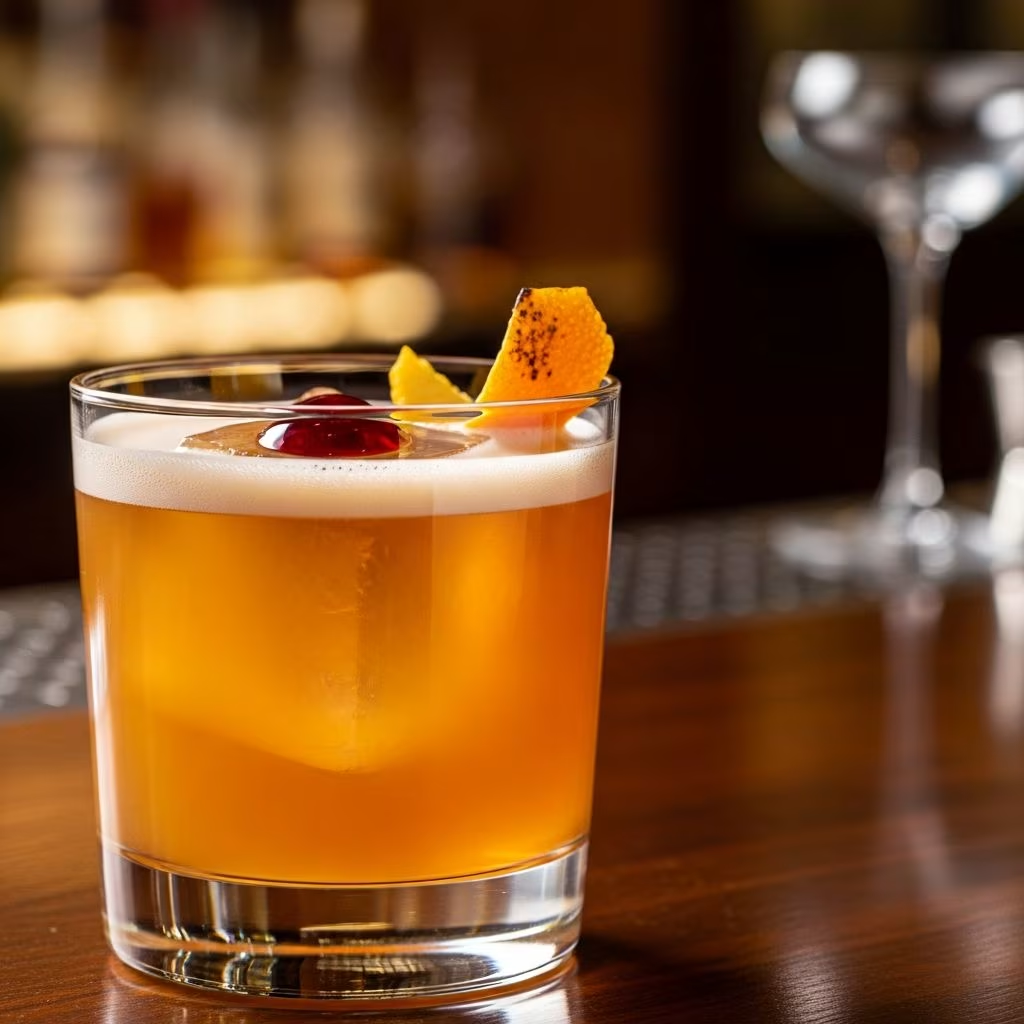
The strained mixture is poured into a rocks glass (also called an old fashioned glass) that has been filled with fresh ice. The quantity of ice matters because it affects the dilution rate and temperature maintenance throughout the drinking experience. The drink should fill the glass almost to the rim, leaving approximately half an inch of space at the top.
The Wine Float Execution
The final step requires precision and care. A bar spoon is placed upside-down just above the surface of the drink. Red wine is poured slowly over the back of the spoon, allowing the wine to cascade gently onto the surface of the drink where it floats above the whiskey mixture. This technique creates the visual distinction between the layers and affects how the drink is experienced throughout consumption.
Variations and Contemporary Interpretations
The Egg White Addition
Adding egg white transforms the New York Sour from a smooth drink into one with silky texture and prominent foam. This variation suits drinkers who appreciate the mouthfeel contribution that egg white provides. The technique requires proper shaking and familiarity with emulsification processes.
Maple Syrup Substitution
Replacing simple syrup with pure maple syrup creates a warmer, more complex version of the drink. This variation appeals to those seeking additional flavor dimension and a slight departure from the classic formula.
Wine Selection Experimentation
While dry red wine remains the standard, bartenders and home enthusiasts continue experimenting with different wine varieties. The choice of wine significantly affects the final flavor profile, allowing customization based on personal preferences and available options.
Flavor Profile and Drinking Experience
The New York Sour achieves a remarkable balance of opposing flavor elements. The sweetness from syrup works against the tartness of fresh lemon juice, while the whiskey’s warmth and complexity interact with the wine’s fruity and spicy characteristics. This equilibrium creates a cocktail that satisfies multiple sensory expectations simultaneously.
Each sip delivers different flavor combinations as the drinker progresses through the drink. Early sips might emphasize the whiskey and citrus, while later sips incorporate more of the wine layer, creating an evolving tasting experience.
Essential Equipment and Setup
- Cocktail shaker with proper sealing capability
- Bar spoon for wine floating technique
- Measuring glass for accurate ingredient proportions
- Rocks or double old fashioned glasses
- Fresh ice for both shaker and serving glass
- Lemon for twist garnish preparation
Professional Standards and IBA Recognition
The International Bartenders Association recognizes the New York Sour as a legitimate classic cocktail with an established formula. The IBA specifications call for 60 ml rye whiskey or bourbon, 22.5 ml simple syrup, 30 ml fresh lemon juice, few drops of egg white, and 15 ml dry red wine such as Shiraz or Malbec. These standardized measurements ensure consistency across professional establishments worldwide.
Frequently Asked Questions
Can I Use Bottled Lemon Juice?
No. Fresh lemon juice is essential to the drink’s character. Bottled juice lacks the brightness and complexity that fresh juice provides, resulting in a significantly diminished final product.
What Red Wine Works Best?
Dry red wines with fruity and spicy characteristics perform best. Malbec, Shiraz, and similar varieties are excellent choices. Avoid overly expensive wines since the small quantity used means the investment in premium options provides minimal return.
Is Egg White Necessary?
Egg white is optional but recommended for enhanced texture. The drink remains excellent without it, though the addition creates a more luxurious mouthfeel and visual presentation.
Can I Make This Drink Without a Cocktail Shaker?
A proper cocktail shaker is strongly recommended for achieving the correct temperature and dilution. Attempting to mix this drink without proper equipment will compromise the final result significantly.
How Should I Garnish This Cocktail?
A lemon twist provides the classic garnish, expressed over the drink’s surface before serving. Some bartenders prefer a cherry, while others keep the drink ungarished to showcase the visual layers.
References
- New York Sour Cocktail Recipe — International Bartenders Association (IBA). Accessed April 2026. https://iba-world.com/iba-cocktail/new-york-sour/
- How to Make a New York Sour — Liquor.com. https://www.liquor.com/recipes/new-york-sour-2/
- New York Sour Recipe — Imbibe Magazine. https://imbibemagazine.com/recipe/new-york-sour-recipe/
- Cocktail Tales: New York Sour — Whiskey Tango Globetrot. https://www.whiskeytangoglobetrot.com/blog/cocktail-tales-new-york-sour
- New York Sour Cocktail Recipe — Zestful Kitchen. https://zestfulkitchen.com/new-york-sour-cocktail-recipe/