The transition into a fresh calendar year represents more than the passage of time—it embodies renewal, hope, and the perfect opportunity to gather loved ones around the table. Whether you’re hosting an intimate dinner party or a bustling open house, the food you serve becomes the centerpiece of the evening, creating lasting memories and setting the tone for meaningful connections. Thoughtfully selected recipes can elevate your celebration from ordinary to extraordinary, transforming your home into a welcoming sanctuary where guests feel appreciated and cherished.
The Foundation of Festive Entertaining: Strategic Planning and Preparation
Successful holiday entertaining begins well before guests arrive at your door. The key to a stress-free celebration lies in thoughtful advance preparation and menu curation that balances visual appeal with manageable execution. When selecting recipes for your New Year’s gathering, consider dishes that offer flexibility in timing—items that can be prepared partially or entirely ahead of time allow you to spend less time in the kitchen and more time enjoying your guests’ company.
Creating a cohesive menu requires attention to variety across multiple dimensions. Consider the balance of flavors (rich and decadent balanced against fresh and bright), textures (crispy against creamy, soft against crunchy), and temperatures (warm dishes complemented by cool options). A well-rounded menu prevents palate fatigue and keeps guests engaged throughout the evening, whether your celebration spans a few hours or extends into the night.
Elevated Appetizers That Impress Without Overwhelming Your Schedule
The appetizer course sets the sophisticated tone for your celebration, offering guests their first impression of your culinary efforts. Modern entertaining wisdom suggests that many impressive appetizers can be assembled largely from high-quality store-purchased components, allowing you to invest your time and creativity where it matters most.
Building a Sophisticated Spread with Minimal Effort
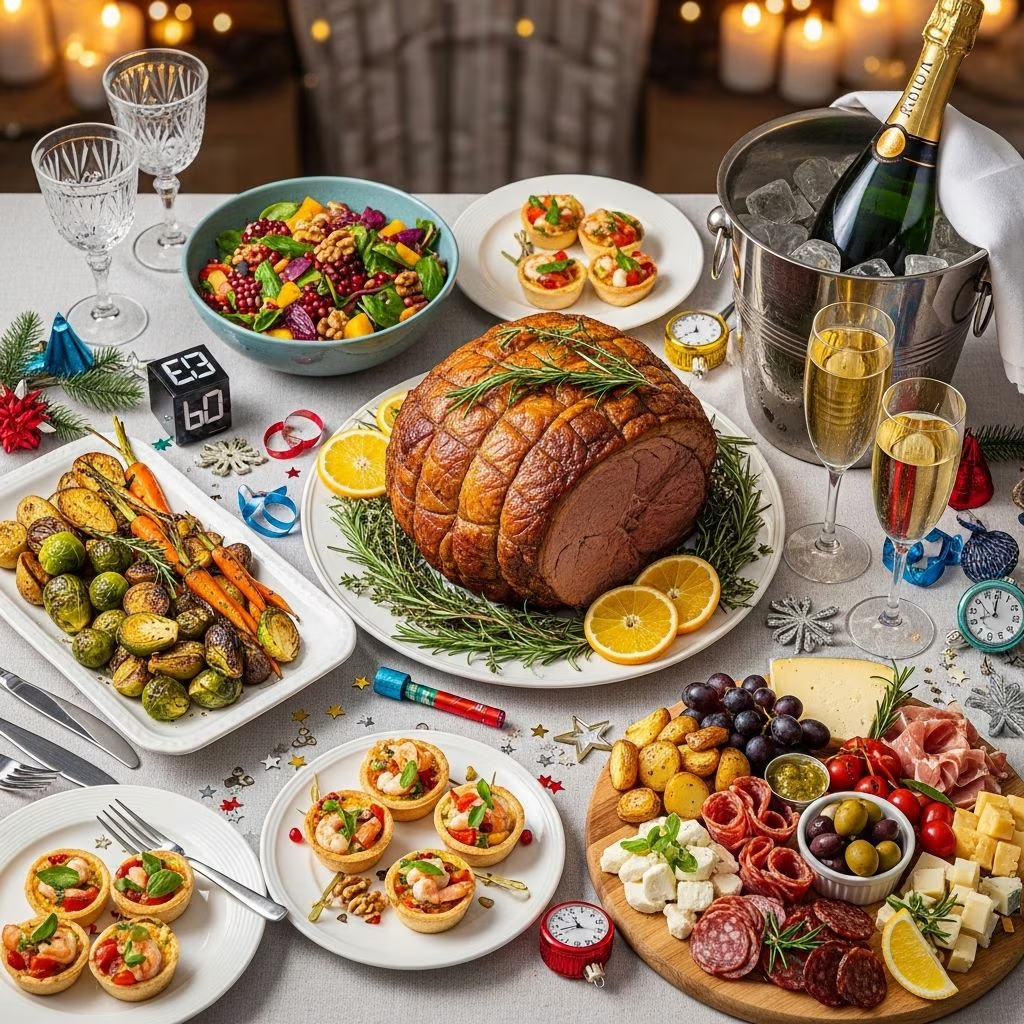
Consider assembling a visually stunning array featuring premium cheeses—particularly aged varieties with complex flavors—paired with artisanal crackers that provide interesting textures and tastes. Fresh and dried fruits create natural visual contrast while offering palate-cleansing options between savory bites. Toasted nuts, including almonds and hazelnuts, add crucial textural contrast and nutritional substance.
From your grocer’s specialty section, source pre-cooked cocktail shrimp, smoked salmon, and cured meats like prosciutto or soppressata. These proteins require no cooking and minimal assembly, yet deliver the impression of considerable effort. Marinated vegetables—particularly olives and mushrooms—contribute depth and visual interest while providing vegetarian-friendly options.
Strategic Dip and Sauce Applications
Creamy dips serve as flavor anchors and texture bridges across your spread. Whether prepared from scratch or elevated store-bought varieties, dips deserve prime real estate on your entertaining surface. Warm dips create an inviting focal point and encourage guests to gather around your presentation. Consider offering both warm and room-temperature options to provide contrast and accommodate different preferences.
Main Course Options for Various Entertaining Styles
The entrée choice dramatically influences your evening’s rhythm and your personal stress level. Some hosts prefer elegant plated dinners that structure the evening into distinct courses, while others favor family-style service that encourages casual conversation and communal sharing.
Make-Ahead Dishes That Develop Flavor Overnight
Braised preparations represent the entertainer’s secret weapon—they actually improve when made a day or two in advance, as flavors deepen and meld. Slow-cooked meats become increasingly tender, and the braising liquid reduces to an elegant sauce requiring minimal last-minute attention. These dishes transition seamlessly from stovetop to elegant serving vessel, allowing you to present restaurant-quality cuisine with surprising ease.
Pasta and Grain-Based Elegance
Thoughtfully prepared pasta dishes offer sophistication without demanding excessive attention during your gathering. Rich sauces based on quality olive oil, fresh herbs, and premium proteins create satisfying yet elegant plates. Grain-based accompaniments provide lighter alternatives while adding visual interest and nutritional balance to your menu.
Traditional Elements with Modern Interpretations
Many cultures maintain specific culinary traditions believed to encourage prosperity, abundance, and good fortune in the year ahead. Rather than relegating these practices to historical curiosity, contemporary entertaining embraces these traditions through modern recipe development and presentation.
Symbolism Through Ingredients and Presentation
Circular foods—from artfully arranged vegetables to perfectly formed dumplings—represent completeness and unity in many traditions. Incorporate these shapes intentionally into your menu for both culinary and symbolic reasons. Green vegetables symbolize prosperity and abundance, making verdant salads, herb-based dishes, and vegetable preparations not merely nutritious but culturally significant elements of your celebration.
Legume-based dishes carry particular significance in many culinary traditions, representing coins and monetary blessing. Rather than serving these humble ingredients in basic preparations, elevate them through creative seasoning, interesting accompaniments, and attractive plating that honors both their symbolic importance and nutritional value.
Beverage Programming and Pairing Strategies
Beverages deserve equal consideration in your menu planning, as they set the celebratory mood and complement your food offerings. Signature cocktails provide memorable touches while managing your workload more efficiently than individually crafted drinks. Prepare components in advance—fresh citrus juices, homemade syrups, prepared garnishes—and batch cocktails can be assembled quickly in pitchers for efficient service.
Non-alcoholic options deserve prominence equal to cocktails and wine. Sparkling beverages, fresh juices, and interesting non-alcoholic punches ensure all guests feel celebrated and accommodated. Consider the visual appeal of your beverage offerings—colorful layers, floating fruit, and creative glassware transform drinks from mere refreshment into sophisticated elements of your table design.
Dessert Presentations That End on Elevated Notes
Final courses offer the last opportunity to impress your guests and leave them satisfied and delighted. Desserts need not demand hours of preparation or require advanced pastry training to deliver memorable experiences. Individual portions offer elegant presentation while managing serving logistics seamlessly.
Store-Bought Elements Elevated Through Assembly
Premium commercial pastries, when artfully combined and garnished, create sophisticated dessert presentations. Chocolate-covered treats, miniature pastries, and bakery-quality cookies become entirely acceptable entertaining components when thoughtfully arranged and presented with intention. Fresh berries, candied citrus, and edible flowers transform simple store-bought elements into restaurant-quality presentations.
Make-Ahead Desserts That Develop Complexity
Certain desserts actually benefit from advance preparation, as flavors meld and textures set to optimal states. Frozen preparations offer the advantage of serving cold at the end of a warm meal, providing palate-refreshing contrast. Mousses, terrines, and layered desserts develop more sophisticated textures when allowed time to set properly, and they require no last-minute attention, leaving you free to enjoy your gathering.
Table Presentation and Serving Logistics
How you present and serve your carefully prepared food significantly influences guests’ enjoyment and your entertainment success. Visual appeal generates excitement before anyone tastes anything, making presentation strategy essential to event success.
Buffet and Self-Service Arrangements
Strategically organized serving surfaces encourage guest movement and conversation flow while preventing bottlenecks around your kitchen. Arrange dishes from one end to the other, encouraging logical progression and preventing confusion. Group complementary items together—proteins, vegetables, and starches form intuitive clusters—and provide clear serving utensils and plates at strategic intervals.
Small Plate and Passed Service Formats
Alternative service styles create different entertainment dynamics. Passed appetizers encourage mingling and conversation, while individuals can graze at their preferred pace. Small plated servings allow you to control portion sizes and create uniform presentations, enhancing the overall visual and culinary experience.
Frequently Asked Questions About New Year’s Entertainment
How far in advance can I prepare New Year’s recipes?
Most braised dishes, soups, and casseroles improve when made one to two days ahead, as flavors develop and deepen. Appetizer components can be prepped several days in advance with final assembly occurring just before service. Desserts requiring setting time should be prepared at least six hours ahead, with some improving after overnight refrigeration.
What if I have guests with dietary restrictions?
Advance communication about dietary needs allows thoughtful menu planning that accommodates all guests without creating complicated separate meals. Offer vegetarian proteins alongside meat options, provide grain-free or lower-carbohydrate alternatives, and clearly label potential allergens in plated presentations.
How can I manage timing so all dishes are ready simultaneously?
Strategic selection of recipes with different preparation times and cooking methods prevents crowding in your cooking space. Utilize slow cookers, oven space, and stovetop burners efficiently. Create a detailed timeline working backward from your desired serving hour, noting when each component requires attention.
Should I serve traditional New Year’s foods?
While traditional dishes carry cultural significance and celebratory meaning, your menu should ultimately reflect your preferences and your guests’ tastes. You can honor tradition through individual elements rather than entire themed menus, incorporating symbolic ingredients while maintaining culinary creativity.
Creating Memorable Experiences Through Thoughtful Culinary Choices
Successful New Year’s entertaining transcends recipe execution—it encompasses creating welcoming environments where guests feel valued and celebrated. Thoughtfully selected menus, strategically timed preparations, and intentional presentations transform ordinary gatherings into meaningful celebrations. By balancing ambition with realistic execution and combining quality store-purchased elements with homemade preparations, you create events that satisfy both guests’ palates and your personal need for manageable, stress-free hosting. The recipes you choose become less important than the connections they facilitate, the conversations they encourage, and the memories they help create as you gather to celebrate fresh beginnings together.
References
- Culinary Arts and Professional Food Preparation Standards — The Culinary Institute of America. 2024. https://www.ciachef.edu
- Entertaining and Event Planning Guidelines — International Association of Culinary Professionals. 2025. https://www.iacp.com
- Food Safety and Make-Ahead Meal Preparation — U.S. Food and Drug Administration. 2024. https://www.fda.gov/food
- Cultural Traditions and Celebratory Food Practices — Smithsonian Institution. 2024. https://www.si.edu