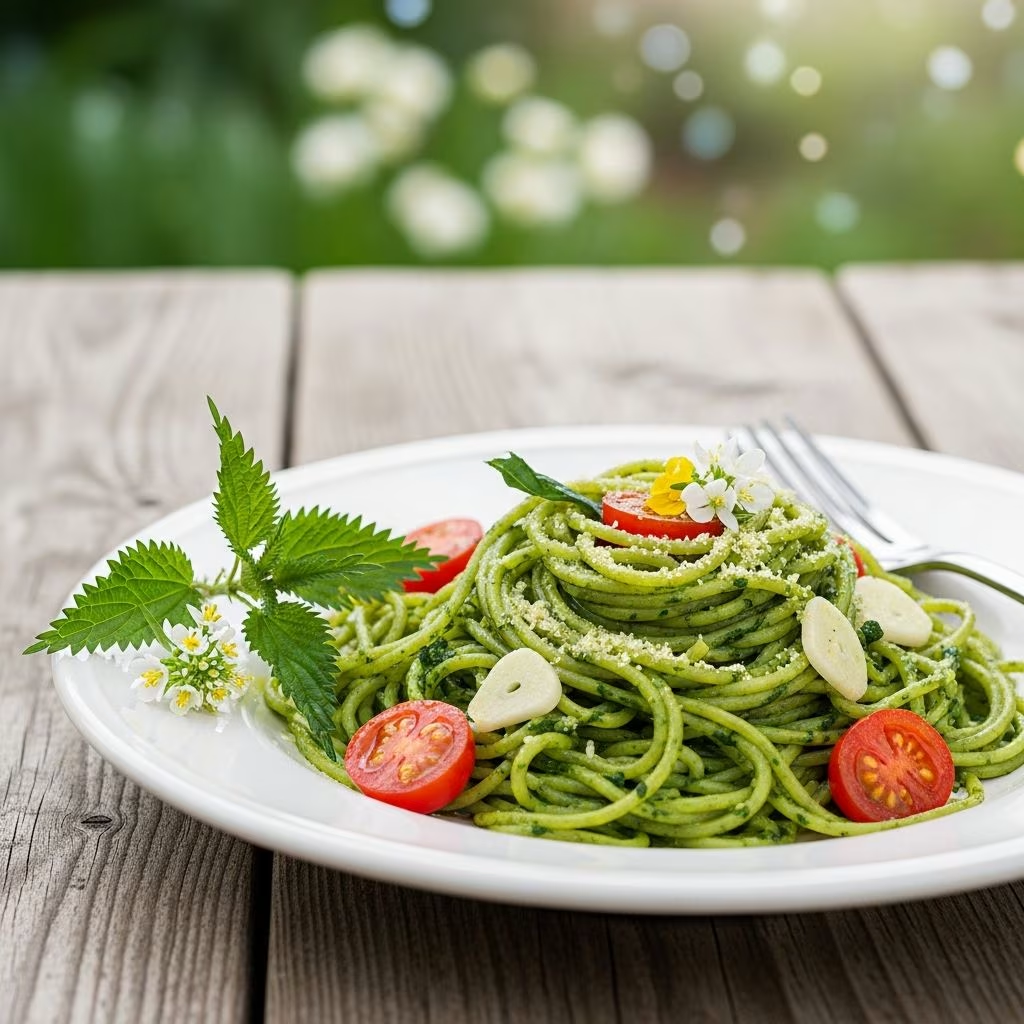
When spring arrives and gardens come alive with new growth, a remarkable ingredient often goes unnoticed by most home cooks: the stinging nettle. What many consider an unwanted garden pest is actually a culinary treasure in many European traditions, particularly throughout Italy. Transforming these vibrant green leaves into fresh pasta represents one of the most rewarding ways to incorporate foraged ingredients into your kitchen repertoire. This guide explores everything you need to know about creating exceptional nettle pasta from harvest to table.
Understanding Stinging Nettles as a Culinary Ingredient
Stinging nettles have occupied a unique position in European cuisine for centuries, prized for both their distinctive flavor and impressive nutritional profile. These plants belong to the Urticaceae family and have been utilized in traditional cooking across Scandinavia, Germany, Italy, and the British Isles for generations. Their culinary application transformed a botanical irritant into a sought-after ingredient that signals the arrival of spring.
The nutritional density of nettles deserves particular attention. These wild greens contain substantial amounts of iron, vitamins A and C at levels exceeding many commonly consumed fruits, and provide notable protein content compared to other leafy vegetables. The plant also functions as a natural spring tonic in culinary traditions, helping reset digestive systems after months of heavier winter fare. Beyond nutrition, nettles offer a complex flavor profile—earthy yet slightly sweet, with grassy undertones that become more refined during cooking.
Harvesting considerations significantly impact the final dish. Younger nettle tips gathered in early spring possess superior tenderness and minimal sting compared to mature plants. The most tender portions appear at the very top of the plant, typically the first four to six inches of growth. These youthful leaves contain higher concentrations of beneficial compounds while maintaining a delicate texture ideal for pasta production.
Selecting and Harvesting Nettles Safely
Successful nettle cookery begins long before the pasta-making process. Proper identification and harvesting techniques determine not only your safety but also the quality of your final product. Stinging nettles are relatively easy to identify once you learn their distinctive characteristics: opposite leaves with deeply serrated edges, square stems, and those famous stinging hairs that cover the plant’s entire surface.
When harvesting, always wear protective gloves. The microscopic hairs covering nettles contain formic acid that triggers the characteristic sting upon contact with bare skin. Even experienced foragers exercise caution during collection. Select only the youngest growth from the top of each plant, as these tender tips will cook faster and blend more smoothly into your pasta dough.
Timing matters considerably in the foraging calendar. The ideal harvesting window occurs in mid to late spring when plants have sufficient growth but haven’t yet flowered or toughened with age. Plants harvested too early in the season may lack substance, while those collected after flowering often develop a slightly bitter or overly mineral taste. A half-pound of fresh nettles represents an ample quantity for a successful pasta batch, yielding enough finished product for four to six servings.
If fresh nettles prove unavailable in your location, young spinach offers an acceptable substitute, though the distinctive nettle character will diminish. Some cooks incorporate nettle powder or dried nettles when fresh varieties cannot be sourced, though reconstitution requires careful attention to moisture balance in the pasta dough.
Preparing Nettles for Pasta Incorporation
The transformation from raw nettle to pasta-ready ingredient involves several critical steps. This preparation process not only neutralizes the sting—making the leaves safe to handle with bare hands—but also concentrates flavors and improves texture for seamless incorporation into the dough.
The initial blanching stage represents the foundation of proper nettle preparation. Bring several inches of water to a rolling boil in your pasta-cooking vessel, then submerge the nettle leaves for approximately one minute. This brief cooking window proves crucial: too little time and the nettles retain their sting, while extended cooking begins breaking down the vibrant green color and delicate flavor. Once the minute elapses, immediately transfer the nettles to a prepared ice bath to halt the cooking process and preserve their bright green hue.
After cooling completely, drain the nettles thoroughly and begin the crucial moisture-removal stage. This step cannot be overlooked, as excess water will compromise your pasta dough’s consistency. One effective technique involves spreading the blanched nettles across a clean kitchen towel, rolling it lengthwise, then twisting the towel with two people holding opposite ends. This wringing action expels liquid remarkably efficiently. When you unroll the towel, the nettles should appear nearly bone dry. Some cooks prefer using several layers of paper towels, pressing firmly to extract every drop of moisture.
The final preparation stage involves finely mincing the dried nettles. This can be accomplished using a sharp knife on a cutting board, though a food processor accelerates the work. If using a processor, pulse the nettles until they achieve a fine, relatively smooth consistency without becoming completely pureed. The goal is to create texture uniform enough that the pasta dough contains no visible streaks or uneven green distribution, which would result in an undesirable appearance in the finished noodles.
The Pasta Dough Foundation
Creating the foundation dough represents the most critical element of successful nettle pasta production. This base must maintain enough structure to hold the fragile nettle particles while achieving the proper elasticity for rolling and cutting.
Essential Ingredients
Traditional nettle pasta dough requires surprisingly few components. The classic formulation includes approximately one-and-a-half cups of all-purpose unbleached flour combined with one cup of semolina flour, which provides the structure and textural quality prized in fresh Italian pasta. Two eggs supply both binding power and richness, enriching the dough beyond what flour and water alone could achieve. A pinch of sea salt and freshly ground pepper round out the base ingredients before incorporating the prepared nettles.
The flour combination merits explanation: all-purpose flour provides workability and extensibility, while semolina contributes the characteristic slightly rough texture and strength necessary for hand-rolling or passing through a pasta machine. Some recipes adjust this ratio depending on local flour availability and humidity conditions. The semolina percentage can decrease to half a cup if the resulting dough proves too stiff to manage comfortably.
Dough Construction Method
Begin by whisking together your flour blend and salt in a large mixing bowl, creating a well in the center. This traditional well method provides control over hydration: the eggs and processed nettles enter this center cavity where they can be gradually incorporated rather than immediately overwhelming all the flour.
Using a fork, beat the eggs and nettles together in the well, then begin pulling flour from the walls gradually, mixing steadily. This measured approach prevents lumps from forming and allows you to feel precisely when the mixture reaches optimal consistency. As the dough begins to come together, transition from fork to hand mixing, bringing everything into a shaggy mass.
Transfer the mass to a lightly floured work surface and knead for approximately ten minutes. The dough initially may feel slightly sticky—this is normal and will resolve as gluten develops. Knead until the texture becomes smooth, supple, and elastic. The finished dough should feel distinctly less sticky than bread dough but maintain enough softness to spring back slowly when poked with a finger.
Rolling and Shaping Techniques
Once your dough reaches optimal consistency, allowing it to rest for thirty minutes covered with a towel helps relax the gluten, making subsequent rolling far easier. This resting period represents time well invested, as it dramatically improves the dough’s extensibility.
For hand-rolling, divide the rested dough into manageable portions. Working on a semolina-dusted surface, roll each piece to approximately one-sixteenth-inch thickness using a rolling pin. This precise thinness proves essential: too thick and the pasta feels doughy and dense, too thin and it tears during cooking or becomes fragile during handling.
Those with access to a pasta machine find the process considerably accelerated. Pass each dough portion through the widest setting repeatedly, folding the dough in half after each pass, until it becomes smooth and uniform. Gradually decrease the machine setting with each pass until achieving the thinnest setting possible without creating tears. This gradual reduction maintains dough integrity far better than attempting to jump directly to thin settings.
Once rolled to proper thinness, cut the sheets into narrow ribbons approximately one-quarter inch wide. These narrow strands give the pasta its traditional name—strettine, meaning “narrow” in Italian. Dust the cut pasta generously with semolina flour to prevent sticking, then arrange loosely on a clean, dry surface to rest before cooking.
Storage and Make-Ahead Considerations
One significant advantage of nettle pasta involves its storage longevity compared to typical fresh pasta. The drying process allows strettine to keep for several days without refrigeration, making advance preparation feasible. Place the rested, cut pasta on a drying rack or clean surface, allowing several hours for adequate drying. Once thoroughly dry, store in an airtight container in a cool location for up to three days.
For longer storage extending beyond three days, freezing works exceptionally well. Arrange the cut pasta on a baking sheet in a single layer and freeze until solid, then transfer to freezer bags for storage up to three months. This frozen pasta requires no thawing before cooking—simply add directly to boiling water, allowing a minute or two of additional cooking time compared to fresh pasta.
Cooking Methods and Serving Approaches
Fresh nettle pasta cooks remarkably quickly due to its thin profile and tender components. Bring a large pot of generously salted water to a rolling boil—this salted water season the pasta from within as it cooks. Add the strettine and cook for just two to three minutes, testing for doneness by tasting a strand. The cooked pasta should offer slight resistance to the tooth, remaining tender yet structurally intact.
The versatility of nettle pasta accommodates numerous finishing approaches. A simple preparation highlighting the ingredients’ natural qualities involves tossing the hot pasta with quality extra-virgin olive oil, toasted pine nuts, and fresh lemon zest. This brightness complements the earthy nettle character perfectly. Alternatively, incorporate the hot pasta directly into a prepared sauce, whether a light tomato-based preparation, creamy reduction, or even simple garlic oil infused with additional fresh herbs.
For a more substantial presentation, combine cooked nettle pasta with crumbled feta cheese, toasted almonds, and sesame seeds for textural contrast and complementary flavors. The tangy creaminess of feta proves particularly harmonious with nettles’ grassy character. Onion sprouts add a fresh, peppery note that cuts through richness beautifully.
Nutritional Benefits and Health Considerations
Incorporating nettle pasta into your dietary routine provides substantial nutritional advantages beyond conventional pasta preparations. The vitamin and mineral density of stinging nettles significantly elevates the nutritional profile compared to traditional spinach or standard egg pasta formulations. These greens provide meaningful quantities of iron, supporting healthy oxygen transport throughout the body, along with vitamins A and C that support immune function and antioxidant protection.
The protein content of nettles, while not matching dedicated protein sources, makes a notable contribution within a plant-based matrix, particularly when combined with eggs in the pasta dough. This nutritional combination creates a more complete amino acid profile than flour and water alone could provide. The spring tonic properties attributed to nettles in traditional European wellness practices align with their nutrient density—consuming these greens after months of winter eating reintroduces fresh, mineral-rich foods that support digestive health and overall vitality.
Frequently Asked Questions
Can I substitute spinach for stinging nettles if I cannot find the latter?
Yes, young spinach works as a capable substitute, though the final pasta will lack the distinctive earthy, slightly mineral complexity that nettles provide. Use approximately the same quantity of fresh spinach, blanching and processing it identically to the nettle preparation method. Many regional recipes that predate widespread spinach availability originally called for nettles specifically, but adaptation to available ingredients remains entirely valid.
How do I know when nettles are safe to harvest and use?
Young nettle tips harvested in spring offer optimal tenderness and flavor. Older nettles develop more pronounced stinging properties and tougher texture. After brief blanching in boiling water—approximately one minute—the sting is completely neutralized, rendering the leaves safe to handle with bare hands. Always wear gloves during the harvesting and initial handling stages before cooking.
What is the difference between fresh and dried nettle pasta?
Fresh nettle pasta offers superior texture and more vibrant flavor, cooking in just minutes. Dried pasta keeps substantially longer and travels better but requires slightly extended cooking time. Both varieties employ identical dough formulations; the difference lies in moisture content and storage duration. Dried pasta remains stable for several days at room temperature, while fresh pasta benefits from refrigeration and should be consumed within twenty-four hours unless frozen.
Can I make nettle pasta without a pasta machine?
Absolutely. Hand-rolling with a rolling pin requires more effort and yields less uniform thickness, but produces entirely satisfactory results. The key involves achieving consistent thinness—approximately one-sixteenth inch—which requires patience and practice. Many traditional home cooks crafted exceptional fresh pasta for centuries using only a rolling pin and hand-cutting techniques before mechanical pasta machines became standard.
How far in advance can I prepare nettle pasta?
Properly dried strettine keeps for three days in an airtight container at room temperature. Frozen pasta stores successfully for three months without quality degradation. If preparing pasta same-day for immediate cooking, resting on a clean surface for thirty minutes to an hour after cutting suffices. Avoid leaving cut pasta exposed to air for extended periods, as the edges begin hardening and drying excessively.
References
- Strettine (Stinging Nettle Pasta) — Edible Madison. Accessed 2026-04-09. https://ediblemadison.com/recipes/strettine-stinging-nettle-pasta
- Vegan Pasta with Stinging Nettles — Don’t Waste Your Taste. Accessed 2026-04-09. https://dontwasteyourtaste.com/en/vegan-pasta-with-stinging-nettles/
- Strettine: Nettle Pasta — Mill City Farmers Market. Accessed 2026-04-09. https://www.millcityfarmersmarket.org/recipes/strettine/
- Spring Pasta with Nettle Pesto — Feasting At Home. Accessed 2026-04-09. https://www.feastingathome.com/linguini-with-nettle-pesto/
- Nettle Pasta Recipe — 101 Cookbooks. Accessed 2026-04-09. https://www.101cookbooks.com/archives/nettle-pasta-recipe.html
- Stinging Nettle Fettuccine — Flavor of Italy Podcast. Accessed 2026-04-09. https://flavorofitaly.com/fi-recipes/stinging-nettle-fettuccine/
- Nettle Pasta Recipe – How to Make Pasta with Nettles — Hank Shaw, Honest Food. Accessed 2026-04-09. https://honest-food.net/nettle-pasta/