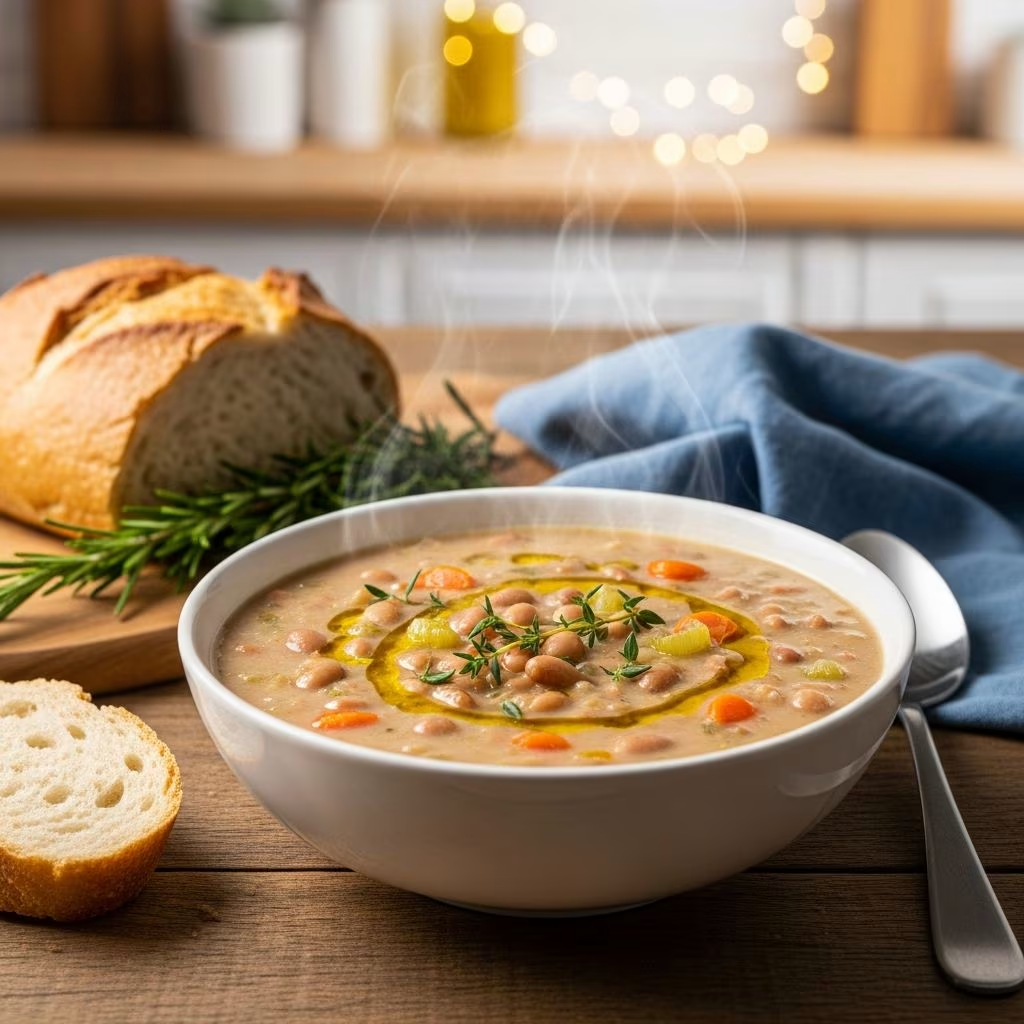
Navy bean soup stands as one of the most beloved comfort dishes across American kitchens, valued for its simplicity, affordability, and remarkable ability to transform humble ingredients into a deeply satisfying meal. This traditional preparation brings together small white beans with savory aromatics and often a smoked meat component, creating layers of flavor that develop throughout the cooking process. Whether you’re seeking a weeknight dinner solution or a nourishing dish for cooler months, navy bean soup offers versatility and genuine comfort in every spoonful.
Understanding Navy Beans and Their Culinary Properties
Navy beans, named for their historical use in naval rations, are small oval legumes with a mild, slightly earthy flavor and creamy texture when properly cooked. These beans absorb the flavors of ingredients they cook alongside remarkably well, making them an ideal base for soups and stews. The nutritional profile of navy beans includes substantial amounts of fiber, plant-based protein, and essential minerals, contributing both to satiety and overall wellness benefits.
The cooking time and texture of navy beans depend significantly on whether you begin with dried or canned varieties. Dried beans require advance preparation through soaking and longer cooking times but yield superior texture and more economical results. Canned beans offer convenience for busy schedules while maintaining nutritional integrity, though with slightly softer texture and higher sodium content unless specifically selected as low-sodium options.
Selecting and Preparing Your Base Ingredients
A successful navy bean soup begins with thoughtful ingredient selection. The foundation typically includes dried navy beans—approximately one pound serves as a standard portion for most recipes—along with aromatic vegetables that provide the flavor base. Essential aromatics include onions, which contribute sweetness when sautéed, and garlic, which adds pungent depth. Many preparations incorporate additional vegetables such as carrots for natural sweetness and celery for subtle herbal notes that complement the beans.
For those selecting a protein component, smoked ham bones or ham hocks provide authentic flavor development through prolonged simmering. These meat selections offer the dual benefit of contributing collagen and gelatin that enrich the broth while infusing it with smoky, savory character. Turkey legs offer a lighter alternative while maintaining similar depth of flavor, whereas fully vegetarian preparations rely on quality stock and aromatic vegetables to establish their taste foundation.
Dried Bean Preparation Process
- Rinse dried beans thoroughly under cold running water to remove dust and debris
- Soak beans overnight in a bowl with cold water, using approximately three parts water to one part beans
- Alternatively, employ the quick-soak method by bringing beans and water to a boil for two minutes, then allowing them to rest for one hour before draining
- Drain soaking water completely and rinse beans again before adding to the soup pot
- Soaking reduces cooking time and helps beans cook more evenly while reducing digestive discomfort for some individuals
Building Flavor Through Layered Cooking Techniques
The development of complex flavor in navy bean soup relies on a progression of cooking stages that build upon one another. The initial stage involves sautéing aromatic vegetables in fat—typically olive oil—over medium heat until the onions become translucent and begin releasing their natural sugars. This foundational step, known as blooming aromatics, creates a flavor base that permeates the entire soup.
Following the aromatic preparation, many recipes incorporate spice blooming, where dried herbs and spices toast briefly in the hot fat before the addition of beans and liquid. This technique awakens the volatile oils present in dried seasonings, intensifying their contribution to the final dish. Common aromatic choices include bay leaves for subtle herbal notes, dried thyme for earthy complexity, rosemary for piney undertones, and smoked paprika for depth and color.
The extended simmering phase—typically lasting sixty to ninety minutes—allows flavors to meld while beans gradually soften and eventually begin breaking down slightly, creating natural creaminess in the broth. Occasional stirring throughout this process prevents sticking while allowing beans to cook evenly.
Cooking Methods and Equipment Considerations
Traditional stovetop preparation offers direct heat control and visual monitoring of the cooking process. A large Dutch oven or heavy-bottomed soup pot distributes heat evenly and accommodates the volume of ingredients while retaining moisture through its weighted lid. Bringing the mixture to an initial boil before reducing heat to a gentle simmer prevents beans from bursting while ensuring even cooking throughout.
Slow cooker methodology provides hands-off convenience for those preferring extended, gentle cooking. This method typically requires a quick parboil of dried beans for approximately ten minutes before combining with other ingredients in the slow cooker vessel. Cooking on low settings for six to eight hours produces exceptionally tender beans while allowing flavors to develop gradually. The slow cooker’s gentle, consistent heat proves particularly advantageous for infusing broth with meat-based flavors without risk of over-reduction.
Pressure cooker methods significantly reduce total cooking time, with properly soaked beans becoming tender within twenty to thirty minutes at high pressure. This approach particularly benefits those seeking weeknight meal solutions while maintaining traditional flavor development.
Ingredient Variations and Customization Options
| Component | Traditional Option | Alternative Choices |
|---|---|---|
| Protein Element | Ham bone or ham hock | Turkey leg, bacon, vegetable broth alternative |
| Aromatics | Onion, garlic, celery | Leeks, shallots, or increased garlic quantity |
| Additional Vegetables | Carrots | Diced tomatoes, bell peppers, or leafy greens |
| Herbs and Spices | Bay leaf, thyme, rosemary | Cumin, crushed red pepper, oregano, smoked paprika |
| Liquid Base | Water or chicken broth | Vegetable broth, beef stock, or combination |
Spice selections significantly influence the final character of your navy bean soup. Ground cumin introduces warm earthiness reminiscent of Southwestern preparations, while crushed red pepper adds subtle heat that builds throughout consumption. Fresh thyme leaves provide brighter flavor than dried varieties, though dried thyme remains a pantry staple requiring no advance preparation. Smoked paprika contributes both color and subtle smokiness that complements cured meat components beautifully.
Vegetable additions beyond the basic trio of onion, carrot, and celery personalize the soup according to preference and seasonal availability. Diced tomatoes add acidity and brightness, particularly when using fresh varieties during peak season. Finely chopped leafy greens such as kale or spinach contribute nutritional density and subtle complexity when stirred in during the final cooking minutes.
Achieving Optimal Texture and Consistency
The final texture of navy bean soup varies based on personal preference and cooking duration. Soups where beans remain largely intact yet tender appeal to those preferring distinct legume texture and visual presence. Extended cooking causes beans to gradually soften and partially disintegrate, creating natural creaminess as starch releases into the broth—a characteristic that defines many traditional versions.
For those desiring enhanced creaminess without cream or dairy products, partial blending offers an effective technique. Removing approximately half the soup mixture to a blender and pureeing thoroughly, then recombining with the whole bean portion, creates a luxuriously textured result while maintaining structural interest. Greek yogurt stirred in toward the end of cooking provides tangy richness and creaminess while contributing beneficial probiotics.
If soup becomes excessively thick during cooking, gradual addition of warm broth or water restores desired consistency. Conversely, extended simmering without the lid naturally reduces liquid content and concentrates flavors for those preferring thicker preparations.
Seasoning and Final Adjustments
Proper seasoning requires tasting throughout the cooking process rather than adding all salt at the beginning. Smoked ham components contribute considerable sodium, necessitating cautious salt addition to prevent over-salting. Adding salt during the final minutes of cooking, after beans have fully softened, allows for better distribution and more accurate seasoning assessment.
Black pepper, freshly ground for maximum flavor, provides welcome bite against the soup’s richness. Additional fresh herbs including parsley or chives added immediately before serving contribute brightness and visual appeal that complements the earthy bean base.
Storage and Make-Ahead Considerations
Navy bean soup improves with time as flavors continue melding during refrigeration. Properly stored in airtight containers, homemade navy bean soup maintains quality for four to five days in the refrigerator. For extended storage, freezing in portion-sized containers preserves the soup for up to three months, with most varieties thawing beautifully without texture degradation.
The make-ahead friendliness of navy bean soup makes it ideal for meal preparation endeavors. Preparing a large batch during weekend cooking sessions provides convenient lunch or dinner components throughout the following week.
Frequently Asked Questions About Navy Bean Soup
Can I use canned navy beans instead of dried beans?
Yes, canned navy beans offer convenient substitution for dried varieties. Use approximately four to five cans of beans (drained and rinsed) in place of one pound of dried beans. Add canned beans partway through cooking rather than from the beginning, as they require less time to become tender than dried beans. Select low-sodium varieties to maintain control over final salt content.
Why do my navy beans remain hard after cooking?
Hard beans typically result from insufficient cooking time, cooking in excessively hard water, or adding salt too early in the process, which can interfere with proper bean hydration and softening. Ensure adequate simmering time—typically a minimum of ninety minutes for dried beans—and avoid adding salt until beans have already softened considerably.
Is it necessary to soak dried beans overnight?
While soaking historically aimed to reduce cooking time and digestive considerations, modern dried beans cook relatively quickly even without soaking. However, soaking promotes more even cooking and allows better monitoring of the process. The quick-boil method provides a faster soaking alternative when overnight preparation isn’t feasible.
Can navy bean soup be made vegetarian?
Absolutely. Omit ham components and use vegetable broth instead of chicken broth. Increase sautéed aromatics and consider adding additional vegetables or intensifying spice selections to compensate for the savory depth traditionally provided by cured meat. Nutritional yeast or miso paste can contribute umami depth to vegetarian versions.
What serving suggestions complement navy bean soup?
Crusty bread provides excellent accompaniment for dipping, while simple green salads offer refreshing contrast. Cornbread appeals to Southern preparation traditions, whereas hearty grains such as rice or quinoa transform soup into a complete meal. Cheese-laden biscuits or simple croutons add textural contrast and satisfaction.
Conclusion: Embracing the Timeless Appeal of Navy Bean Soup
Navy bean soup represents more than a simple recipe—it embodies generations of culinary tradition rooted in resourcefulness and genuine comfort. The beauty of this classic preparation lies in its flexibility, forgiving nature, and ability to nourish both body and spirit through wholesome ingredients transformed into something greater than their individual components. Whether you follow traditional methods precisely or adapt the recipe according to available ingredients and personal preferences, navy bean soup delivers consistent satisfaction that justifies its enduring place in home cooking traditions.
References
- Navy Bean Soup with Ham — A Spicy Perspective. 2024. https://www.aspicyperspective.com/nanas-epic-navy-bean-ham-bone-soup/
- Creamy Navy Bean Soup Recipe — Budget Bytes. 2024. https://www.budgetbytes.com/navy-bean-soup/
- Navy Bean Soup — Kenneth Temple. 2024. https://kennethtemple.com/new-orleans-navy-bean-soup/
- Slow Cooker Navy Bean Soup Recipe — Happy Mothering. 2024. https://www.happy-mothering.com/slow-cooker-navy-bean-soup/
- Navy Bean Soup — My Own Sweet Thyme. 2013. https://myownsweetthyme.com/2013/11/navy-bean-soup/