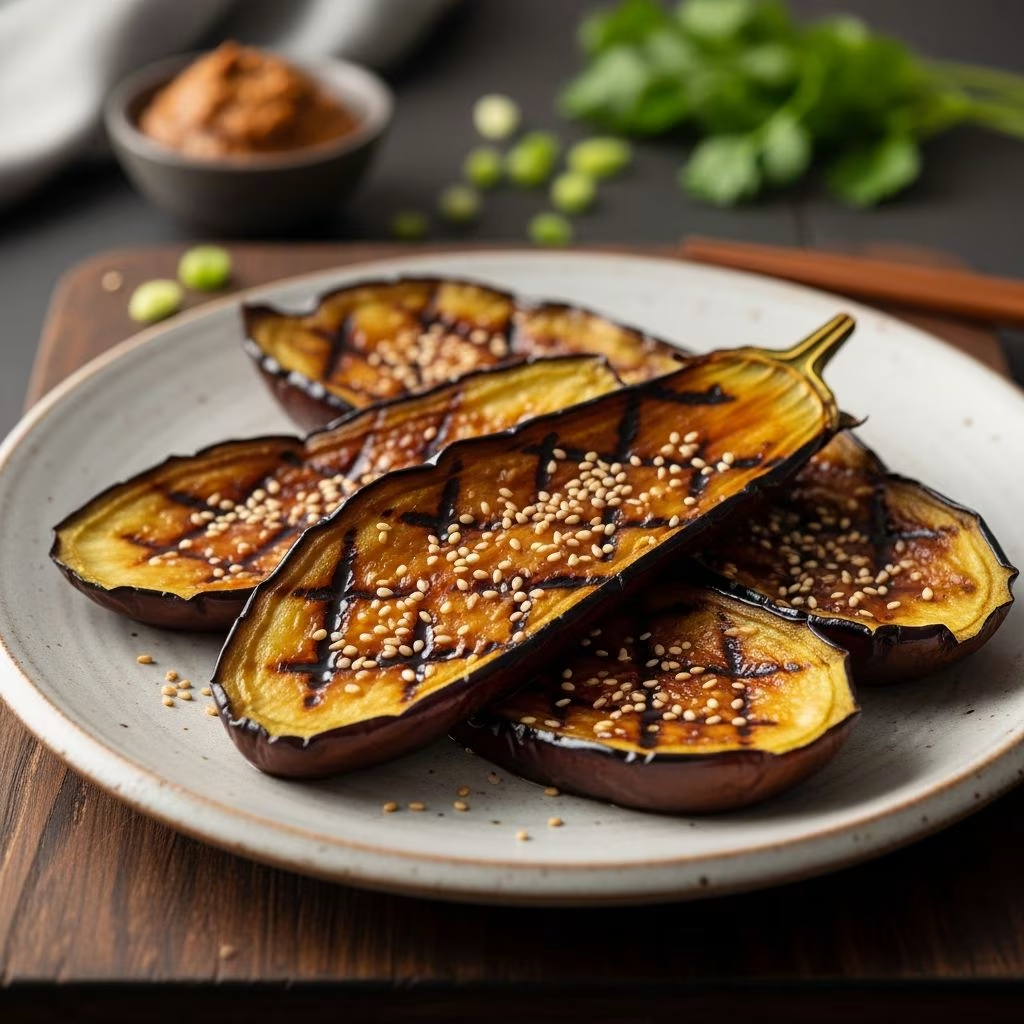
Japanese eggplant, slender and vibrant purple, transforms into a culinary delight when coated in a rich miso glaze. Known as Nasu Dengaku, this dish combines the creamy tenderness of roasted eggplant with the deep umami of fermented miso paste, balanced by sweet mirin and nutty sesame. It’s a staple in Japanese cuisine, offering a perfect balance of flavors that’s both vegan-friendly and incredibly versatile.
Why Choose Japanese Eggplant for This Dish
Japanese eggplants stand out due to their thin skin and minimal seeds, which allow them to absorb flavors without bitterness. Unlike larger globe varieties, they cook evenly and quickly, developing a silky texture when roasted or broiled. This makes them ideal for high-heat methods that caramelize the miso topping into a glossy, addictive crust.
Selecting the right eggplants is key: look for firm, glossy skins without blemishes. Their smaller size—about 6-8 inches long—ensures uniform cooking. If unavailable, Chinese eggplants serve as a close substitute, but avoid thick-skinned Western types that require salting to draw out moisture.
Essential Ingredients for Authentic Flavor
The magic lies in the glaze, a harmonious blend of pantry staples rooted in Japanese cooking traditions. Here’s a breakdown:
- Japanese eggplants: 4-6 medium (about 1-1.5 lbs), halved lengthwise for maximum glaze coverage.
- Miso paste: 3-4 tbsp white or red; white offers milder sweetness, red brings bolder umami.
- Mirin: 2-3 tbsp, for subtle sweetness and shine.
- Sake: 1-2 tbsp, to mellow the miso and add depth.
- Sugar: 1-2 tbsp (or maple syrup for vegan twist), enhancing caramelization.
- Sesame oil: 2 tbsp, for nutty aroma during roasting.
- Ginger and garlic: Freshly grated, 1 tsp each, for aromatic lift.
- Garnishes: Sesame seeds, chopped green onions, for crunch and freshness.
These components create a glaze that’s sweet, salty, and savory—quintessential to dengaku-style preparations dating back centuries.
Step-by-Step Guide to Perfection
Preparation takes about 15 minutes, with cooking around 25-30 minutes. Follow these steps for foolproof results.
Prepare the eggplant: Wash and pat dry. Slice lengthwise, then score the flesh in a diamond pattern (about 1/4-inch deep). This allows the glaze to seep in and promotes even cooking. Optionally, soak in salted water for 5 minutes to prevent oxidation, then drain.
Pre-cook the eggplant: Brush cut sides with sesame or neutral oil. Roast cut-side down at 400°F (200°C) for 15-20 minutes until softened, or pan-sear flesh-side down over medium-high heat for 3-4 minutes until golden.
Whisk the glaze: In a bowl, combine miso, mirin, sake, sugar, grated ginger, and garlic. Stir until smooth—no lumps. Taste and adjust sweetness or saltiness. For heat, add a pinch of chili flakes.
Apply and finish: Spread glaze generously over the eggplant. Broil on high for 3-5 minutes until bubbly and caramelized. Watch closely to avoid burning—the sugars in mirin and sugar create that signature char.
Garnish and serve: Sprinkle with sesame seeds and green onions. Serve hot as a side or over steamed rice.
| Method | Time | Best For |
|---|---|---|
| Roasting | 30-40 min | Hands-off, even cooking |
| Pan-Searing + Broil | 20-25 min | Quick stovetop start, crispy edges |
| Full Broil | 15 min | Fastest, intense char |
Variations to Suit Your Palette
Customize Nasu Dengaku for different tastes:
- Spicy version: Incorporate gochujang or sriracha into the glaze for Korean-Japanese fusion.
- Sweetener swaps: Use honey, agave, or brown sugar based on dietary needs.
- Gluten-free: Ensure tamari replaces soy sauce if needed, and choose certified GF miso.
- Stovetop only: Sauté eggplant sticks in the glaze until thickened, no oven required.
- Air fryer: 375°F for 10 minutes after glazing, for oil-free crispiness.
These tweaks maintain the dish’s essence while broadening appeal.
Nutritional Profile and Health Benefits
One serving (2 halves) delivers approximately 150-200 calories, rich in fiber, antioxidants, and vitamins A and C from eggplant. Miso provides probiotics and protein, supporting gut health. Low in fat when oil is minimized, it’s heart-friendly and diabetic-appropriate due to moderate glycemic impact.
- Fiber: Aids digestion and satiety.
- Antioxidants: Nasunin in eggplant skin fights oxidative stress.
- Umami boost: Enhances nutrient absorption without excess salt.
Pairing Suggestions for Complete Meals
Nasu Dengaku shines as a side to grilled fish, tofu, or teriyaki chicken. Pair with:
- Steamed white rice or quinoa to soak up the glaze.
- Fresh salads with cucumber and sesame dressing.
- Soups like miso or clear dashi for a full Japanese izakaya spread.
- Stir-fried greens or shiitake mushrooms for vegan feasts.
For wine, opt for crisp Riesling or sake; beer lovers enjoy light lagers.
Storage, Freezing, and Reheating Tips
Store leftovers in an airtight container for up to 3 days in the fridge. Reheat under the broiler to recrisp the glaze—microwaving softens it. Freezing works for unglazed cooked eggplant up to 1 month; thaw and glaze fresh. Avoid freezing the full glazed dish, as miso glaze may separate.
Common Mistakes and Pro Tips
Avoid these pitfalls:
- Overcrowding the pan/oven: Leads to steaming instead of browning.
- Skipping the score: Glaze won’t penetrate.
- Burning the glaze: Broil in short bursts, top rack only.
Pro tips:
- Use room-temperature glaze for even spreading.
- Double glaze midway through broiling for layers of flavor.
- Experiment with black or Hatcho miso for smokier notes.
Frequently Asked Questions
Can I use regular eggplant?
Yes, but salt and drain first to remove bitterness. Cooking time increases by 5-10 minutes.
White vs. red miso—which is better?
White for milder, sweeter profiles; red for intense umami. Mix for balance.
Is this recipe vegan?
Fully vegan with plant-based sweeteners. Traditional sake/mirin are vegan.
How do I make it oil-free?
Air fry or steam eggplant first, then glaze and broil.
What’s the origin of Nasu Dengaku?
From 16th-century Japan, “dengaku” refers to skewered grilled items topped with miso, originally tofu or veggies.
Conclusion: Elevate Your Table with Nasu Dengaku
This miso glazed Japanese eggplant captures authentic flavors with minimal effort. Whether for weeknight dinners or impressing guests, its caramelized allure never disappoints. Experiment confidently—your kitchen will thank you.
References
- Miso Roasted Japanese Eggplant (Nasu Dengaku) — Cooking the Globe. 2023. https://cookingtheglobe.com/miso-roasted-japanese-eggplant/
- Nasu Dengaku – Miso Glazed Eggplant — Pickled Plum. 2022-10-15. https://pickledplum.com/nasu-dengaku-recipe/
- Miso Glazed Eggplant — Cooking on the Weekends. 2024. https://cookingontheweekends.com/spicy-miso-eggplant-recipe/
- Miso Glazed Eggplant 茄子の味噌焼き — Just One Cookbook. 2023-05-20. https://www.justonecookbook.com/miso-glazed-eggplant/
- Miso Eggplant Recipe – Nobu Style — Sip and Feast. 2024. https://www.sipandfeast.com/miso-glazed-eggplant/