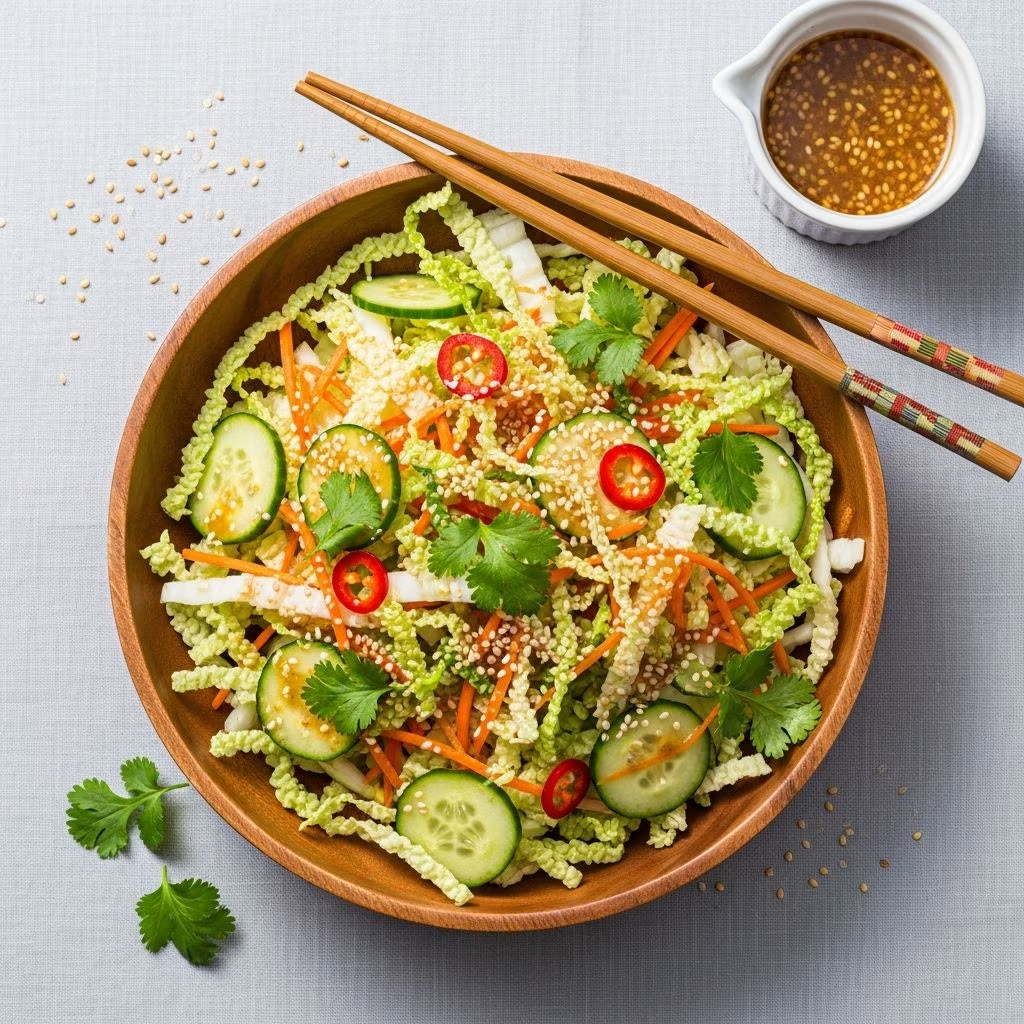
Napa cabbage salad has become a beloved staple at dinner tables, potlucks, and Asian restaurants worldwide. This versatile dish combines the delicate crunch of fresh vegetables with deeply flavored dressings that range from savory-sesame to peanut-based preparations. What makes this salad particularly appealing is its simplicity—requiring minimal cooking skills while delivering restaurant-quality results that impress both family members and guests.
Understanding Napa Cabbage: The Star Ingredient
Napa cabbage, also known as Chinese cabbage, serves as the foundation for this dish. Unlike traditional green or red cabbage varieties, napa cabbage offers a milder, slightly sweet flavor profile with a tender texture that becomes even more delicate when finely shredded. The leaves contain natural moisture that allows them to absorb flavors from dressings remarkably well, creating a cohesive dish rather than merely coating the vegetables.
When selecting napa cabbage at your local market, look for heads that feel firm and heavy for their size, with crisp, unblemished leaves. The outer leaves should display a pale green to cream color, indicating freshness. A single large head typically yields approximately 8-10 cups of shredded cabbage, sufficient for serving 4-6 people as a side dish.
Essential Vegetable Components
While napa cabbage forms the foundation, complementary vegetables create textural contrast and nutritional balance. The most common additions include:
- Carrots: Provide natural sweetness and vibrant color; shred them for consistency with the cabbage texture
- Scallions (green onions): Contribute a mild onion flavor; both white and light green portions work well
- Fresh cilantro: Adds herbaceous brightness that distinguishes Asian-style salads from Western versions
- Cucumbers: Introduce additional crunch and cooling effect, particularly valuable in warmer months
- Red bell peppers: Offer sweetness and visual appeal while adding vitamin C content
- Red onions: Provide sharpness and color variation when sliced thinly
The combination of these vegetables creates a rainbow of flavors and colors, transforming what might otherwise be a simple cabbage salad into a visually striking dish that appeals to multiple senses.
Crafting Flavor-Forward Dressings
The dressing represents the most critical element in transforming raw vegetables into a memorable dish. Asian napa cabbage salads typically employ dressings that balance four primary flavor components: savory, sweet, tangy, and sometimes spicy.
Classic Sesame-Garlic Dressing
This widely-used dressing technique involves creating an infused oil component. Begin by layering raw ingredients in a small bowl: sesame seeds form the base layer, followed by chili flakes for heat, grated fresh ginger for warmth and complexity, and finally minced garlic positioned on top. Heat neutral-flavored oil in a small saucepan until it reaches a shimmering state—approximately 2-3 minutes on medium-high heat. Immediately pour this hot oil over the prepared ingredients, allowing it to sizzle and bloom the flavors. This technique, known as tempering, activates volatile oils in the garlic and ginger while toasting the sesame seeds, creating exceptional depth.
After allowing the mixture to cool slightly, whisk in complementary liquid components: soy sauce provides umami saltiness, rice vinegar delivers tang, and a touch of agave or maple syrup balances the flavors with subtle sweetness.
Peanut-Based Dressing
For those preferring earthier, more substantial flavors, peanut dressing offers remarkable versatility. Combine natural peanut butter or ground roasted peanuts with fresh lime juice, minced garlic, grated ginger, soy sauce, and a neutral oil. The peanut component creates a creamy texture without requiring dairy products, making this dressing inherently vegan-friendly. This style particularly complements the addition of chopped roasted peanuts and sesame seeds as finishing garnishes, creating layered nutty flavors throughout the salad.
Tamari-Sesame Variation
For those seeking gluten-free options or preferring deeper soy flavors, tamari—a wheat-free soy sauce alternative—creates an exceptional dressing base. Whisk tamari with rice vinegar, sesame oil, and maple syrup or agave nectar to create a dressing that tastes slightly sweeter than traditional soy-based versions while maintaining authentic Asian flavor profiles.
Step-by-Step Preparation Method
Preparation Phase: Begin by thoroughly washing and drying the napa cabbage, as excess moisture can dilute dressings and create a soggy final product. Using a sharp knife or mandoline slicer, cut the cabbage into thin ribbons approximately 1/4-inch wide. Transfer the shredded cabbage to a large serving bowl, then add thinly sliced scallions, shredded carrots, and any additional raw vegetables you’ve selected.
Dressing Preparation: In a separate small bowl, combine all dressing components according to your chosen flavor profile. If using the tempering technique, prepare the dry ingredients first, then add hot oil. Allow the dressing to cool for 2-3 minutes before whisking in acidic and liquid components.
Assembly and Finishing: Drizzle the prepared dressing over the vegetable mixture and toss thoroughly using two large utensils or your hands (clean hands often provide better control). Sprinkle fresh herbs, toasted nuts, sesame seeds, or crispy ramen noodles over the top immediately before serving. This timing ensures textural contrast—soft vegetables contrasting with crunchy toppings—remains optimal.
Texture Enhancement Through Strategic Toppings
While the vegetables and dressing form the salad’s foundation, carefully chosen toppings elevate the eating experience significantly. Common additions include:
| Topping Option | Flavor Profile | Best Used For |
|---|---|---|
| Roasted peanuts | Nutty, earthy | Peanut dressing variations |
| Sesame seeds | Toasty, subtle nutty | All Asian-style versions |
| Slivered almonds | Mild, buttery | Lighter, more delicate dressings |
| Crispy ramen noodles | Savory, crunchy | Party and potluck servings |
| Edamame | Nutty, proteinaceous | Vegetarian protein boost |
Timing and Storage Considerations
Napa cabbage salad reaches peak quality when consumed within 2-3 hours of assembly. The vegetables gradually release moisture, and the dressing becomes increasingly diluted over time. However, the individual components maintain freshness for longer periods when stored separately. Shredded cabbage and other raw vegetables remain crisp for 3-4 days when refrigerated in airtight containers with paper towels to absorb excess moisture. Dressings maintain optimal flavor for 5-7 days when refrigerated in sealed jars.
For events requiring advance preparation, assemble the salad components separately, then combine everything 30-45 minutes before serving. This approach balances convenience with optimal texture and flavor delivery.
Nutritional Benefits and Dietary Adaptations
Napa cabbage provides substantial nutritional value, containing vitamins C and K, dietary fiber, and various phytonutrients. The raw vegetables retain all heat-sensitive nutrients, making this salad an excellent choice for those prioritizing nutritional density. For those following specific dietary patterns, this dish adapts readily:
- Vegan: All component ingredients are naturally plant-based; verify soy sauce to ensure it contains no animal products
- Gluten-free: Substitute tamari for regular soy sauce and ensure any purchased dressings lack gluten-containing additives
- Lower-sodium: Reduce soy sauce quantities or select low-sodium varieties; lime juice and vinegar can compensate for reduced saltiness
- Nut-free: Eliminate peanuts and tree nuts; substitute sesame seeds or crispy chickpeas for crunch
Creative Serving Variations
While this salad excels as a standalone side dish, it also functions excellently as a component within larger meals. Serve it alongside grilled proteins, fold it into grain bowls, or present it as a fresh topping for tacos or rice dishes. The versatility extends to occasion-based modifications—reduce portion sizes for appetizer servings at cocktail parties, prepare larger quantities for family dinners or potlucks, or transform it into lettuce wraps by using napa cabbage leaves as edible containers filled with the salad mixture.
Frequently Asked Questions
How far in advance can I prepare napa cabbage salad?
Prepare vegetables up to 4 days ahead and store separately. Combine with dressing 30-45 minutes before serving for optimal texture and flavor.
What substitutes work if I cannot find napa cabbage?
Regular green cabbage, bok choy, or even mixed salad greens work as alternatives, though texture and mild flavor will differ slightly from traditional napa cabbage.
Can I make the dressing without soy sauce?
Yes—miso paste, fish sauce (for non-vegetarian versions), or increased vinegar plus salt can replicate the savory umami elements soy sauce provides.
Does this salad require any cooking?
Most components are raw; however, some versions toast nuts separately or crisp ramen noodles in oil. The optional tempering technique involves heating oil but not cooking vegetables.
How do I prevent the salad from becoming soggy?
Keep vegetables and dressing separate until shortly before serving. Use paper towels to absorb excess moisture from shredded cabbage before combining.
Mastering the Basics for Consistent Success
Creating exceptional napa cabbage salad consistently requires understanding a few fundamental principles. First, balance remains essential—salty, sweet, tangy, and spicy elements should complement rather than overwhelm each other. Second, texture contrast between soft vegetables and crunchy toppings creates satisfying eating experiences. Finally, timing matters; combining components immediately before service preserves the qualities that make this salad distinctive.
Whether you’re preparing this salad for the first time or refining family recipes passed down through generations, this comprehensive guide provides the foundation for success. The beauty of napa cabbage salad lies in its flexibility—traditional components provide a reliable starting point, while creative adaptations allow personal expression and accommodation of ingredient preferences or dietary needs.
References
- Nutrition Data: Napa Cabbage (Brassica rapa subsp. pekinensis) — United States Department of Agriculture (USDA) FoodData Central. 2024. https://fdc.nal.usda.gov
- Cruciferous Vegetables and Health: What Does the Evidence Show? — Harvard T.H. Chan School of Public Health, Department of Nutrition. 2023. https://www.hsph.harvard.edu/nutritionsource/
- Food Safety Guidelines: Produce Safety — U.S. Food and Drug Administration (FDA). 2025. https://www.fda.gov/food
- Umami Compounds and Flavor Enhancement in Asian Cuisines — International Journal of Gastronomy and Food Science, Elsevier. 2024. https://doi.org/10.1016/j.ijgfs.2024.100822
- Vegetable Preparation and Nutrient Retention — Journal of Food Science and Nutrition Education. University of California Cooperative Extension. 2023. https://ucanr.edu