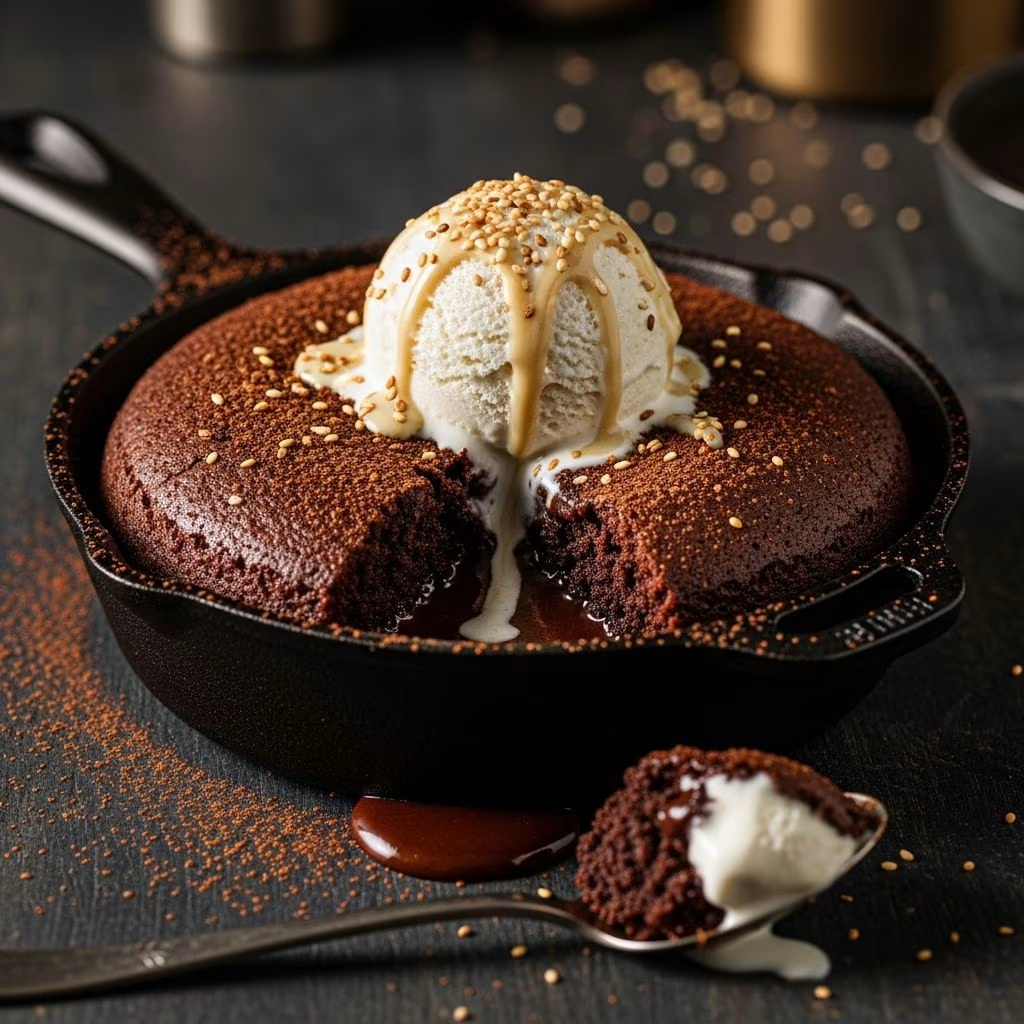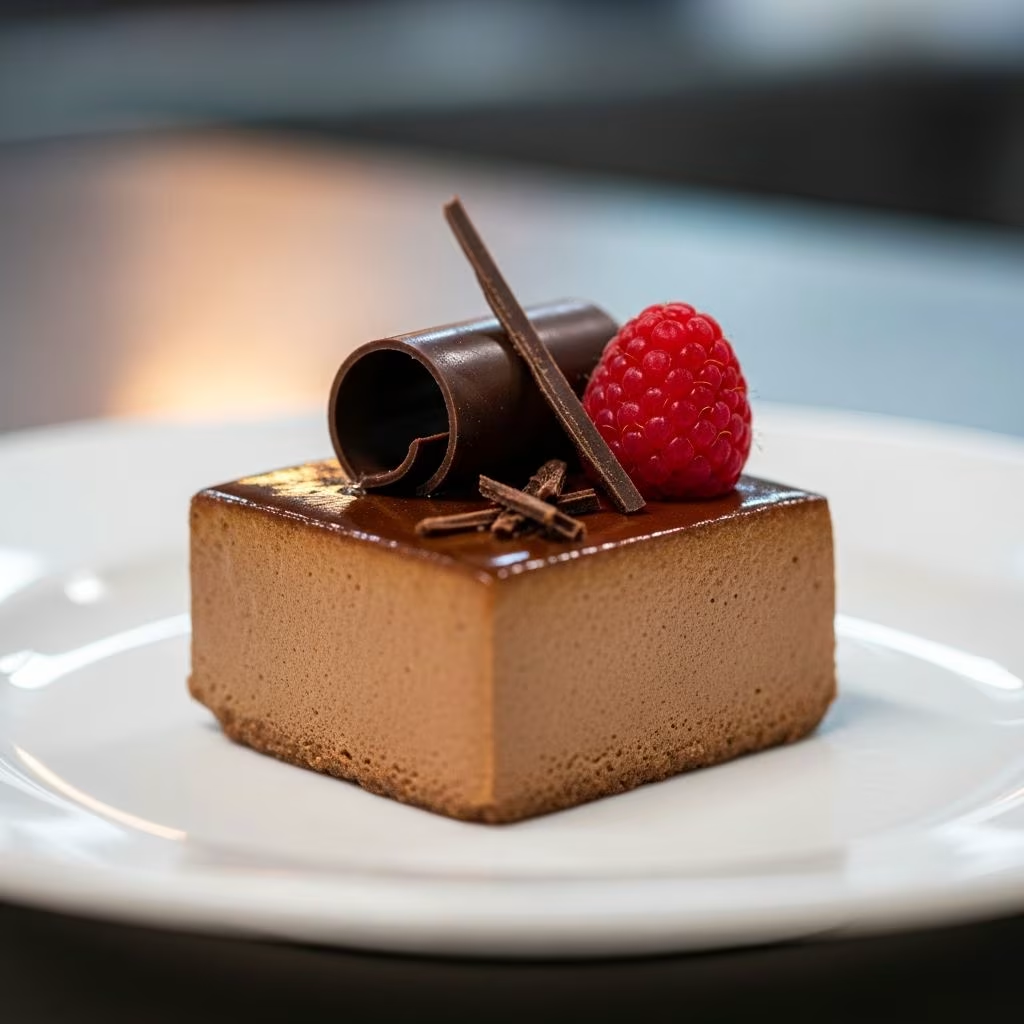
Namelaka stands out as a transformative element in modern pastry, offering an exceptionally smooth, light chocolate cream that bridges the gap between ganache and mousse. This Japanese-inspired creation, meaning ‘ultra-creamy’ or ‘smooth,’ delivers a melt-in-your-mouth experience ideal for fillings, frostings, and decorations.
The Roots and Rise of Namelaka in Pastry Arts
Originating from the innovative kitchens of L’École Valrhona, namelaka emerged as a sophisticated alternative to traditional chocolate preparations. Unlike denser ganaches, namelaka incorporates milk and gelatin for a lighter profile, making it a favorite among professional pâtissiers for its stability and elegance.
The term ‘namelaka’ draws from Japanese, evoking a sense of supreme creaminess that perfectly captures its texture. Developed to provide intense chocolate flavor without heaviness, it quickly gained traction in high-end desserts worldwide. Its invention reflects a fusion of precise French techniques and subtle Japanese aesthetics, resulting in a product that’s both versatile and refined.
Pastry chefs prize namelaka for its ability to hold shape while remaining airy, setting it apart in an era where texture is paramount. From entremets to plated desserts, it adds a luxurious layer that’s neither overly sweet nor cloying.
Key Ingredients for Authentic Namelaka
Crafting namelaka requires high-quality components to achieve its signature silkiness. Core elements include couverture chocolate, whole milk, heavy cream, and gelatin, with optional glucose for added smoothness.
- Couverture Chocolate: Opt for 60-70% dark for bold notes or white for buttery delicacy; its cocoa butter crystallizes for perfect structure.
- Whole Milk: Provides a light base; full-fat ensures optimal emulsion without dilution.
- Heavy Cream (30%+ fat): Whipped lightly post-emulsion for airy volume.
- Gelatin or Agar-Agar: Sets the cream gently; use powdered gelatin bloomed in water or plant-based agar for vegans.
- Glucose Syrup (optional): Enhances shine and flexibility, preventing sugar crystallization.
Proportions matter: a typical ratio might be 200g chocolate to 180ml milk, 360ml cream, and 4g gelatin, scalable for batches. Always use room-temperature ingredients to avoid seizing.
Mastering the Namelaka Preparation Process
Creating namelaka is a straightforward 10-15 minute process, followed by 10-12 hours of chilling for cocoa butter crystallization.
- Bloom Gelatin: Sprinkle 4g gelatin powder over 1 tbsp cold water; let sit 5-10 minutes until hydrated.
- Heat Milk Base: Warm 180ml whole milk with 30g glucose to a simmer; stir in bloomed gelatin until dissolved.
- Melt Chocolate: Chop 200g dark couverture; pour hot milk over it, letting it sit 2 minutes before stirring into a glossy emulsion.
- Incorporate Cream: Cool mixture to 35-40°C (95-104°F), then fold in 360ml cold heavy cream. Blend smoothly with an immersion blender.
- Chill and Whip: Refrigerate 12 hours; whip lightly to medium peaks before use for mousse-like texture.
Temperature control is crucial—overheating breaks the emulsion, while under-cooling hinders melting. Strain if needed for ultra-smoothness.
How Namelaka Differs from Ganache and Mousse
Namelaka occupies a unique niche: lighter than ganache, more stable than mousse.
| Feature | Namelaka | Ganache | Mousse |
|---|---|---|---|
| Texture | Silky, airy, shape-holding | Dense, fudgy | Light, foamy |
| Key Ingredients | Chocolate, milk, cream, gelatin | Chocolate, cream, butter/sugar | Chocolate, eggs, whipped cream |
| Sweetness | Chocolate-dependent, balanced | Sweeter, richer | Varies, often egg-forward |
| Best Uses | Fillings, piping, glazing | Truffles, frostings | Layered desserts |
Ganache relies on butter for luxury but feels heavy; namelaka’s milk lightens it without sacrificing flavor. No eggs make it safer and quicker than mousse.
Flavor Variations to Elevate Your Namelaka
Customize namelaka by infusing the milk phase with bold accents.
- Citrus Twist: Zest orange or yuzu into milk for bright contrast.
- Nutty Depth: Stir in pistachio paste or hazelnut praliné post-emulsion.
- Exotic Notes: Infuse with passionfruit puree, coffee, or matcha.
- Spiced Elegance: Add cardamom pods or cinnamon sticks during heating.
- Berry Burst: Swirl in raspberry coulis after whipping for marbled effect.
White chocolate namelaka shines with tropical fruits, while dark pairs with nuts for crunch.
Practical Applications in Desserts and Pastries
Namelaka’s pipeable consistency suits myriad uses, from everyday cakes to gourmet showstoppers.
Cakes and Torte: Fill layers or frost exteriors for a glossy, stable finish that slices cleanly.
Pastry Fillings: Pipe into éclairs, profiteroles, or tarts; its lightness complements choux.
Modern Entremets: Layer in multi-texture desserts with crunch elements like feuilletine.
Handheld Treats: Core brownies or sandwich cookies for indulgent centers.
Pair with contrasting textures: toasted nuts for crunch, fresh berries for tartness, or coconut for tropics.
Troubleshooting Common Namelaka Pitfalls
Even pros encounter issues; here’s how to fix them:
- Grainy Texture: Overstirred emulsion—use gentle circular motions and a spatula.
- Too Loose: Insufficient chilling or low-fat dairy; allow full 12 hours.
- Seized Chocolate: Milk too hot—aim for simmer, not boil.
- Dull Finish: Skip glucose or poor chocolate; opt for couverture.
Store in piping bags up to 3 days refrigerated; avoid freezing to preserve creaminess.
Storage, Shelf Life, and Scaling Tips
Fresh namelaka lasts 3-4 days in the fridge at 4°C (39°F). Scale recipes by maintaining ratios: double chocolate and liquids proportionally. For large batches, prepare in stages to control temperature.
FAQs: Your Namelaka Questions Answered
Can I make vegan namelaka?
Yes, swap gelatin for agar-agar (3g per 4g gelatin) and use plant-based milk/cream.
Is namelaka gluten-free?
Absolutely, as it contains no flour or grains—ideal for dietary needs.
How do I achieve perfect piping?
Chill fully, whip to soft peaks, and use a chilled bag for clean lines.
What’s the best chocolate brand?
Valrhona or Callebaut couverture for superior emulsion and flavor.
Can namelaka be colored?
Gel colors post-whipping; avoid liquids to maintain structure.
Advanced Techniques for Pastry Pros
Experiment with tempered namelaka for glazes or spheres using spherical molds. Combine with mirrors for entremets or aerate further for cloud-like inserts. Infuse with teas or liqueurs for seasonal twists.
Incorporate into molecular gastronomy: spherify namelaka bursts or foam it for avant-garde plates. Its neutral base accepts bold pairings like miso or sesame for fusion desserts.
References
- Namelaka – A Baking Journey — A Baking Journey. 2023-05-15. https://www.abakingjourney.com/namelaka/
- What is a Namelaka? — Ilaria Marzullo. 2022-11-10. https://www.ilariamarzullo.com/pastry-journal/what-is-the-namelaka
- What Is Namelaka And What Makes It Different From Ganache? — Food Republic. 2024-03-20. https://www.foodrepublic.com/1554803/what-is-namelaka-ganache-difference/
- Namelaka — Time To Cook Online. 2017-01-30. https://timetocookonline.com/2017/01/30/namelaka/
- Namelaka – SECRET of the Pastry Chefs! — YouTube (Pastry Workshop). 2023-08-12. https://www.youtube.com/watch?v=VMFIKvKFYvo
- NAMELAKA A Creation by L’École Valrhona — Valrhona Essentials. 2023-01-01. https://essentials.valrhona.com/essential/46