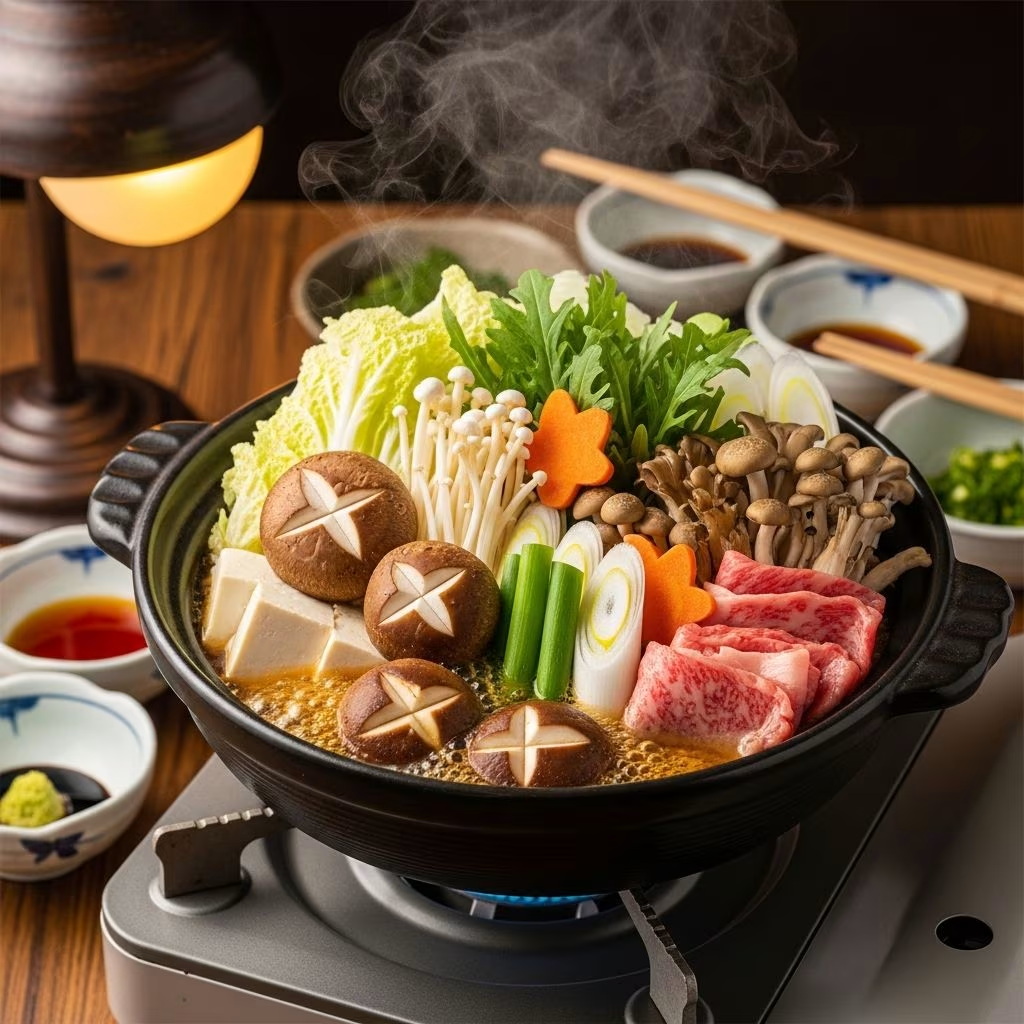
Japanese cuisine has long celebrated the concept of one-pot cooking as both a practical and deeply satisfying approach to meal preparation. Among the most beloved iterations of this tradition stands nabe, a communal dining experience that transforms humble ingredients into a symphony of flavors and textures. What makes this particular preparation remarkable is its foundation: a rich, aromatic broth built from the umami-packed essence of dried mushrooms and sea vegetables. Rather than viewing nabe as a rigid formula, contemporary cooks increasingly embrace it as an opportunity to explore seasonal availability and household inventory, turning the occasional challenge of leftover produce into an advantage.
Understanding the Foundation: The Role of Dashi in Japanese Cooking
Dashi represents one of the cornerstone techniques in Japanese culinary tradition, serving as the flavorful backbone for countless dishes. While many Western cooks associate dashi exclusively with bonito flakes and kelp, the umami-rich world of vegetable-based dashi opens entirely new possibilities. The mushroom variant, in particular, offers a deep, earthy complexity that requires minimal active cooking time, making it ideal for both experienced practitioners and those new to Japanese techniques.
The preparation method for mushroom dashi differs fundamentally from heat-based broths. Instead of boiling or simmering, this approach relies on cold-water infusion, a technique that allows delicate flavors to develop gradually without the harshness that heat can sometimes introduce. This cold-steeping method preserves the subtle aromatic compounds within dried shiitake mushrooms and kombu seaweed, resulting in a broth with remarkable clarity and balanced depth.
Selecting and Preparing Your Dashi Components
Success in nabe preparation begins with thoughtful ingredient selection. Dried shiitake mushrooms form the flavor foundation, their concentrated umami compounds creating the savory essence that defines the entire dish. When shopping for these mushrooms, look for specimens with a rich dark color and visible texture rather than flat, uniform pieces. The caps should feel substantial when held, indicating good moisture content and proper drying.
Kombu seaweed contributes another layer of umami through its natural glutamates, while also providing subtle mineral notes that round out the overall flavor profile. A piece measuring approximately three to four inches works perfectly for the standard recipe proportions. The quality of kombu affects the final result noticeably, so sourcing from reputable purveyors ensures better outcomes than budget options from unfamiliar suppliers.
To prepare these components, simply combine them in a clean glass jar with cold water. The ratio matters less than the principle: sufficient water to submerge all solids with an inch or two of coverage overhead. Cover the jar and transfer to the refrigerator, where the transformation happens gradually over hours. An overnight resting period represents the ideal timeline, allowing the water to absorb color, aroma, and flavor compounds thoroughly. The resulting liquid should display a beautiful golden hue, indicating successful extraction of the mushrooms’ pigments and flavors.
The Noodle Element: Choosing Your Starch
Noodles serve as the textural and structural anchor for your nabe experience. Japanese cuisine offers numerous options, each contributing different characteristics to the finished dish. Udon noodles bring substantial chewiness and neutral flavor, making them excellent for showcasing the broth. Soba noodles, made from buckwheat, offer earthier tones and a slightly firmer bite. Ramen noodles provide yet another dimension, their wavy texture catching and holding broth beautifully.
For those following gluten-free diets, buckwheat soba prepared without wheat additives presents a valid option, though careful ingredient verification becomes essential. The cooking process for any noodle variety remains consistent: prepare according to package directions, drain thoroughly, and rinse under cool water to stop the cooking process and remove excess starch. This step prevents the noodles from absorbing liquid and becoming mushy during the final assembly stage.
Building the Broth: Seasoning and Flavor Balance
Once your mushroom dashi has completed its infusion period, strain it carefully through a fine-mesh sieve, reserving the solids for potential future use in vegetable stocks or composting. The strained liquid becomes the canvas for flavor development.
To this precious broth, introduce mirin—a sweetened Japanese rice wine that adds subtle sweetness and glossy richness without cloying effect. A tablespoon per batch provides appropriate seasoning. Soy sauce enters next, contributing saltiness and additional savory depth. Begin with approximately one teaspoon and adjust according to personal preference and the salinity of your other components.
Kosher salt, added judiciously, allows you to dial in the final seasoning precisely. The goal involves creating a broth that tastes flavorful and complete on its own, as it will mingle with vegetable juices and tofu moisture during cooking, potentially diluting the initial seasoning.
Transfer the seasoned dashi to your cooking vessel—traditionally a donabe earthenware pot, though a standard saucepan works perfectly well. Bring the mixture to a gentle simmer over medium heat, being careful not to boil vigorously, as this can cloud the broth and diminish its refined character.
The Protein and Vegetable Components
Unlike many Western soups, nabe celebrates the interplay between broth and carefully selected solid ingredients arranged in the pot rather than fully dissolved into the liquid. This presentation style allows diners to experience distinct flavors and textures while still benefiting from the aromatic broth.
Tofu Selection and Preparation
Firm tofu works best for nabe applications, holding its shape and providing creamy textural contrast. Cut the tofu into half-inch thick slices, allowing it to absorb broth flavor while maintaining structural integrity. Some cooks prefer to press tofu before slicing, removing excess moisture that might prevent proper flavor absorption. Others embrace the extra moisture, appreciating the resulting delicate, silky quality. Either approach proves valid depending on personal preference.
Vegetable Possibilities
This is where nabe truly shines as a flexible format accommodating whatever vegetables currently inhabit your refrigerator. Butternut squash, peeled and thinly sliced or cut into bite-sized pieces, adds subtle sweetness and silky texture. Swiss chard stems, blanched beforehand to tenderize them, contribute earthiness and visual appeal. Shiitake mushrooms, sliced thinly with stems removed, amplify the umami character established by the broth.
Beyond these examples, consider carrots cut into thin half-moons, bok choy separated into individual leaves and stems, leafy greens like spinach or kale torn into manageable pieces, napa cabbage cut into rough chunks, and even root vegetables like daikon radish cut into thin batons. The principle remains consistent: prepare vegetables into pieces sized for comfortable eating while maintaining enough volume to make textural impact.
Assembly and Serving Method
Arrange your cooked noodles in serving bowls, then artfully arrange the prepared vegetables, tofu, and mushrooms directly in the bowl or in the hot broth if using a communal cooking vessel. Pour the simmering broth over everything, allowing heat to continue cooking the vegetables slightly while they soften and absorb the aromatic essence.
Garnish with scallion pieces, distributing white and pale-green sections throughout the broth and reserving dark-green portions for visual finishing. A drizzle of toasted sesame oil adds nutty aromatics and rich mouthfeel. For those who enjoy heat and complexity, shichimi togarashi—a seven-spice Japanese seasoning blend—provides peppery notes and textural interest with its toasted sesame seeds and seaweed components.
Dietary Considerations and Adaptations
The nabe format naturally accommodates various dietary preferences without requiring significant modification. The recipe contains no animal products beyond the optional dashi ingredients, making it inherently suitable for vegan diets. By substituting tamari for regular soy sauce, the dish becomes gluten-free friendly. These adaptations require no compromise in flavor or satisfaction.
Individuals avoiding specific vegetables can substitute alternatives with similar cooking times and textures. Those preferring additional protein might add sheets of nori seaweed, tempeh strips, or additional tofu varieties. The flexibility of the format means each cook can create a version perfectly suited to their circumstances and preferences.
Common Questions About Nabe Preparation
How far in advance can I prepare the dashi?
Mushroom dashi actually improves over time as flavors continue developing. Prepare it up to three days ahead, storing it covered in the refrigerator. This advance preparation makes nabe an excellent choice for busy schedules, as the most time-consuming element happens automatically.
Can I use fresh mushrooms instead of dried?
While fresh mushrooms can create acceptable broths, the concentrated umami compounds in dried mushrooms prove difficult to replicate. If using fresh mushrooms exclusively, you’ll need significantly larger quantities and the dashi will lack the depth that characterizes this preparation. A compromise approach involves using some dried mushrooms for depth combined with fresh mushrooms for additional volume.
What temperature should the broth maintain during serving?
A gentle simmer allows vegetables to cook through while preventing the broth from becoming bitter or concentrated through excessive evaporation. Avoid rolling boils, which can toughen tofu and diminish the broth’s refined character.
Can I prepare nabe in a slow cooker?
While slow cookers can technically cook nabe, the gentle heating of this vessel doesn’t provide the control necessary for optimal results. The controlled temperature of stovetop cooking allows better timing for adding ingredients and achieving the proper cooking progression.
How do I store leftover nabe?
Store noodles and solids separately from broth for up to three days. The separate storage prevents noodles from absorbing excess liquid and becoming mushy. When reheating, gently warm the broth and add fresh noodles and vegetables for best results, though reheating the original components together remains acceptable for casual meals.
Expanding Your Nabe Repertoire
Once comfortable with the basic mushroom dashi formula, cooks naturally explore variations. Creating dashi with additional seaweed varieties introduces new flavor dimensions. Incorporating aromatic elements like ginger slices, garlic, or lemongrass creates distinct interpretations. Some preparations include miso paste stirred into the broth for added complexity. Each variation builds on the foundational technique while creating entirely different eating experiences.
Nabe ultimately represents more than a single recipe—it embodies a cooking philosophy emphasizing simplicity, flexibility, and the celebration of quality ingredients prepared with intention. Whether you approach it as a practical solution for vegetable inventory management or a meditation on Japanese culinary traditions, this one-pot dish rewards attention and celebrates the remarkable flavors that emerge when fundamental components meet with care and respect.
References
- Japanese Cooking: A Simple Art — Shizuo Tsuji. Kodansha International, 1980. https://www.kodansha.com/
- Umami: The Fifth Taste and Its Role in Culinary Arts — International Glutamate Information Service. Updated 2024. https://www.glutamate.org/
- Traditional Japanese Dashi Stocks: Preparation Methods and Nutritional Value — Journal of Culinary Science & Technology. 2023. https://www.tandfonline.com/toc/rcst/current