Moroccan cuisine is renowned for its complex flavor profiles that combine warm spices, aromatic herbs, and techniques refined over centuries. One standout preparation that exemplifies this culinary tradition is a creamy, spice-infused potato dish that brings the warmth of North African cooking to the dinner table. This versatile side dish transforms simple tubers into something memorable through the strategic use of warm spices and careful preparation methods.
Understanding the Foundation: Why Potatoes Matter in This Dish
The success of this dish begins with selecting the right potato variety. Starchy potatoes, particularly russet or other floury cultivars, create the ideal texture for this preparation. These varieties break down more readily when cooked, yielding a smoother, more cohesive mash compared to waxy potatoes, which tend to remain firm and resist thorough incorporation.
The preparation begins with peeling the potatoes before cooking. This step reduces the fiber content significantly, making the dish more easily digestible for those with sensitive digestive systems. However, leaving the skin on is equally valid for those seeking additional nutritional benefits and a rustic texture. The choice depends entirely on personal preference and dietary needs.
The Spice Profile: Building Layers of Flavor
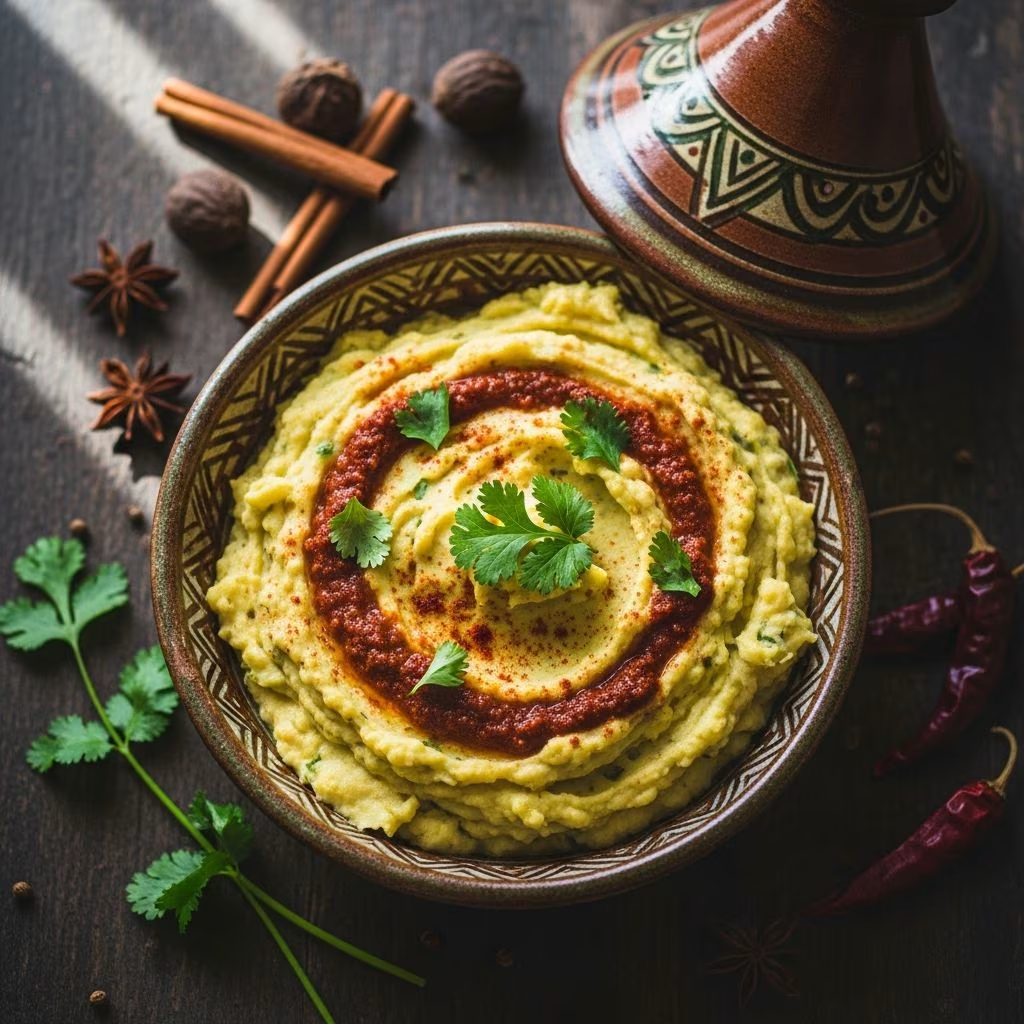
What distinguishes this preparation from standard mashed potatoes is the carefully balanced spice combination that defines Moroccan cooking. The primary warm spices used include:
- Turmeric — This golden spice provides earthy undertones and a subtle peppery quality while contributing an appealing golden hue to the finished dish
- Cumin — Adds nutty, slightly warm notes that complement the potatoes without overpowering them
- Black pepper — Contributes subtle heat and sharpness that enhances overall depth
- Nutmeg — Just a whisper of this spice adds a hint of warmth and complexity to the background flavors
These spices work synergistically rather than competing for attention. The turmeric and cumin form the backbone of the flavor profile, while black pepper and nutmeg act as supporting players that add nuance and prevent the dish from tasting one-dimensional.
The Role of Caramelized Onions
Beyond the spices themselves, caramelized onions contribute significantly to the overall flavor development. When onions are cooked slowly over medium-high heat, their natural sugars break down and develop complex, sweet, and slightly savory notes. This process, which typically takes five to ten minutes, creates a flavor base that adds richness and depth to the potato mixture.
The onions should be diced into small, uniform pieces to ensure even cooking and easy incorporation into the mashed potatoes. As they cook, they soften and become translucent, eventually taking on a light golden-brown color. This transformation is crucial—it’s what elevates this dish from merely seasoned potatoes to something genuinely special.
Step-by-Step Preparation Guide
Initial Potato Preparation
Begin by washing your potatoes thoroughly under running water to remove any dirt. If you’ve decided to peel them, do so with a vegetable peeler or sharp knife, working carefully to avoid waste. Cut the peeled potatoes into evenly sized chunks—approximately two inches—to ensure uniform cooking. Uneven pieces will result in some being undercooked while others become mushy.
Boiling Process
Place the cut potatoes in a large pot and cover them generously with cold water—approximately one inch above the potato level. Bring the water to a rolling boil over high heat. Once boiling, reduce the heat to medium and maintain a gentle boil rather than a vigorous one. The cooking process typically requires fifteen to twenty minutes, though timing varies based on potato size and altitude.
Test for doneness by inserting a fork into the largest piece. It should slide through with minimal resistance. Overcooked potatoes become waterlogged and will result in a gluey texture rather than a fluffy mash, so monitor carefully in the final minutes of cooking.
Draining and Initial Mashing
Once the potatoes reach the proper tenderness, carefully pour them into a colander, allowing all excess water to drain completely. Return the warm drained potatoes to the original pot or a large mixing bowl. While still warm, begin mashing them using a hand masher, ricer, or whisk. Warm potatoes respond better to mashing than cooled ones and create a creamier final texture.
Incorporating the Aromatics and Spices
While the potatoes cook, prepare your aromatics. Heat the oil in a skillet over medium-high heat. Add the diced onions and cook, stirring occasionally, until they become soft and develop light golden-brown edges—approximately six minutes. At this point, add the mashed potatoes to the skillet or add the cooked onions to the mashed potatoes.
Mix the spices together in a small bowl before adding them to the potato mixture. This pre-combination ensures even distribution rather than creating pockets of concentrated spice. Gently fold the spice mixture into the mashed potatoes, stirring until the color becomes uniform and golden throughout.
Texture Considerations and Personal Preferences
The final texture of this dish can be adjusted based on preference. Some prefer a completely smooth, luxurious consistency, while others enjoy some rustic texture with small potato pieces remaining visible. The mashing tool you select influences this outcome—a ricer creates very smooth results, while a hand masher or fork produces a chunkier texture.
The oil content also affects the final consistency. Using the full recommended amount creates a richer, more cohesive dish, while reducing the oil produces a lighter preparation. For those seeking additional creaminess without adding fat, incorporating Greek yogurt or sour cream during the mashing process is an excellent alternative that maintains authentic flavor while reducing caloric content.
Serving Suggestions and Pairing Options
This Moroccan-style preparation pairs excellently with roasted or grilled meats, particularly lamb, which is traditional in North African cuisine. It also complements vegetable-based mains and provides an unexpected twist when served alongside Mediterranean dishes. The warm spice profile makes it particularly suitable for autumn and winter menus when comforting, warming side dishes are most appreciated.
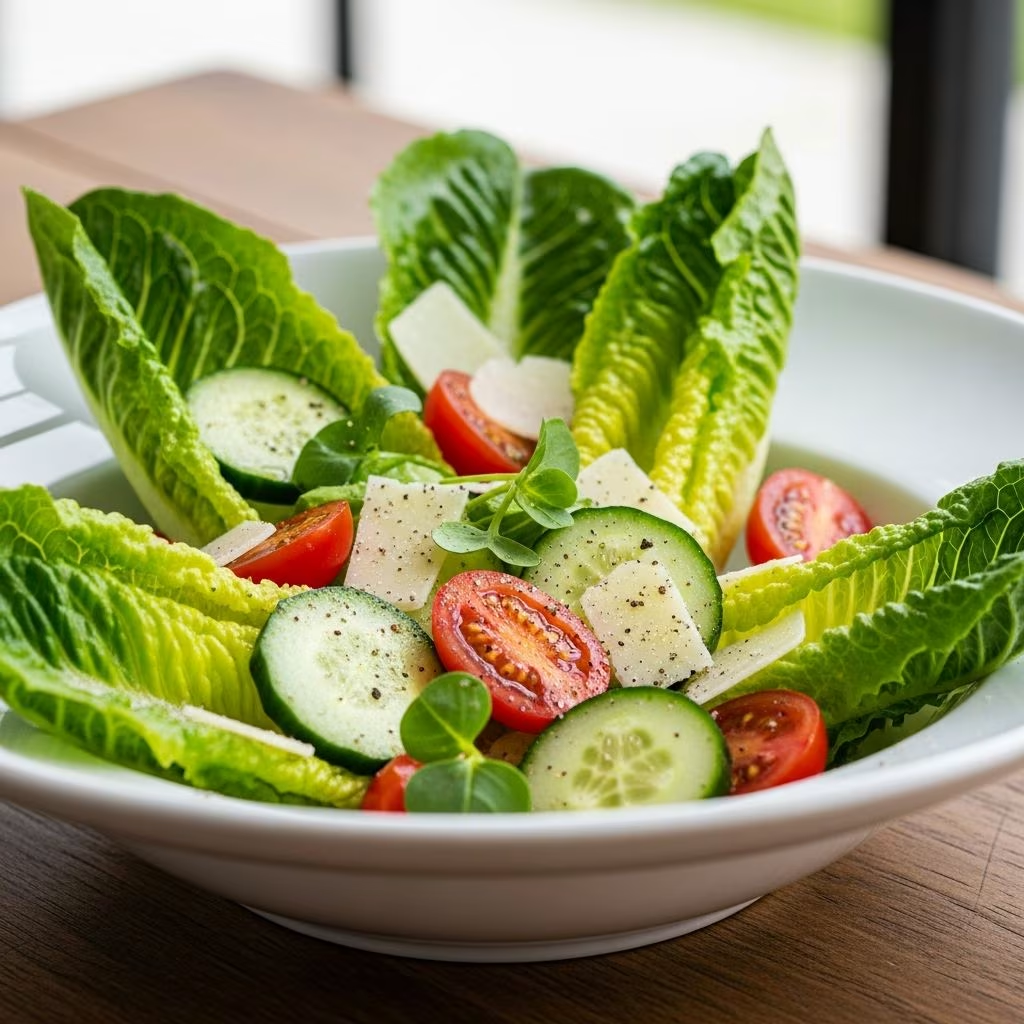
For a complete Moroccan-inspired meal, serve alongside grilled chicken marinated in lemon and garlic, fresh green salads with preserved lemon dressing, or roasted root vegetables. The bright, warm spices in the potatoes create an appealing contrast with acidic components and fresh herbs.
Nutritional Considerations
Potatoes provide complex carbohydrates, vitamin C, potassium, and B vitamins. The addition of onions contributes quercetin and other beneficial compounds. The spices used—particularly turmeric—contain curcumin and other compounds studied for various health properties. When prepared with minimal oil or with Greek yogurt substitution, this dish becomes a relatively light side option that maintains nutritional integrity while delivering significant flavor satisfaction.
Variations and Adaptations
While the classic preparation uses russet or similar starchy potatoes, this recipe can be adapted using sweet potatoes for a different flavor profile and natural sweetness that complements the warm spices beautifully. Some cooks incorporate fresh herbs like cilantro or parsley during the final mixing stages for added brightness. Others add minced garlic for additional depth, though this should be cooked with the onions rather than added raw.
For those following specific dietary protocols, this dish adapts well to Passover menus when using appropriate ingredients and methods, and similarly works within various dietary frameworks due to its naturally vegetarian base.
Storage and Make-Ahead Strategies
This dish can be prepared up to two days in advance and stored in an airtight container in the refrigerator. Reheat gently in a saucepan over low to medium heat, stirring occasionally and adding a splash of milk or broth if the mixture seems dry. Alternatively, reheat in the oven covered with foil at 325°F for approximately fifteen to twenty minutes. The flavor actually deepens slightly after a day, as the spices continue to meld and develop.
Frequently Asked Questions
Can I prepare this dish ahead for a dinner party?
Yes, this preparation is ideal for entertaining. Prepare it up to two hours before serving and keep it warm in a slow cooker on the lowest setting. If making it further ahead, refrigerate and reheat gently before serving. The flavor profile actually benefits from the spices having time to meld together.
What oil is best for this preparation?
Extra virgin olive oil provides excellent flavor and is traditional in North African cooking. Avocado oil, with its high smoke point and neutral flavor, is also suitable. Vegetable or canola oil works functionally but contributes less flavor dimension.
How can I make this dish lighter without sacrificing flavor?
Substitute Greek yogurt for approximately half the oil content. The yogurt provides richness and creaminess while reducing overall fat content. This adaptation doesn’t compromise the spice profile or overall satisfaction factor.
Is this appropriate for vegetarian and vegan diets?
This preparation is naturally vegetarian. For vegan adaptation, substitute plant-based butter or additional oil for dairy components if used, though the traditional version contains neither dairy nor eggs, making it vegan-friendly as written.
Conclusion
This Moroccan-inspired mashed potato preparation represents a simple yet sophisticated approach to a familiar side dish. Through thoughtful spice selection, careful preparation of aromatics, and attention to texture, ordinary potatoes transform into something memorable. Whether served at a casual family dinner or an elegant gathering, this dish brings warmth, flavor, and a taste of North African culinary tradition to the table. The beauty of this preparation lies in its flexibility—it can be adapted to various preferences and dietary needs while maintaining its essential character and appeal.
References
- Moroccan Mashed Potatoes Recipe — Eat Well Crohn’s Colitis. 2024. https://eatwellcrohnscolitis.com/recipes/moroccan-mashed-potatoes/
- Crispy Roasted Moroccan Potatoes — Peter’s Food Adventures. 2024. https://petersfoodadventures.com/moroccan-roasted-potatoes/
- Moroccan Mashed Potato Casserole for Passover (Batata bil Firan) — Poppy and Prune. 2018. https://www.poppyandprune.com/2018/03/15/moroccan-mashed-potato-casserole-passover-batata-bil-firan/
- Mashed Sweet Potatoes with Moroccan Spices — Andrea’s Recipes. 2024. https://andreasrecipes.com/good-bite-easy-holiday-entertaining-with-betty-crocker-mashed-sweet-potatoes-with-moroccan-spices/
- Maakouda – Moroccan Potato Fritters — My Moorish Plate. 2024. https://mymoorishplate.com/maakouda-moroccan-potato-fritters/