Moroccan cuisine represents one of the world’s most sophisticated and layered culinary traditions, blending aromatic spices, tender meats, and vegetables into harmonious dishes. Among these treasures, the lamb tagine stands as a cornerstone of home cooking throughout North Africa. This slow-cooked preparation, traditionally cooked in a distinctive conical vessel called a tagine, transforms humble ingredients into restaurant-quality meals that warm both body and soul.
The preparation of a lamb tagine with potatoes and peas showcases the essence of Moroccan cooking philosophy: patience, quality ingredients, and respect for traditional methods. Whether you’re a seasoned cook or exploring North African flavors for the first time, understanding this dish opens doors to a broader appreciation of global culinary heritage.
The Essence of Tagine Cooking: Understanding This Timeless Technique
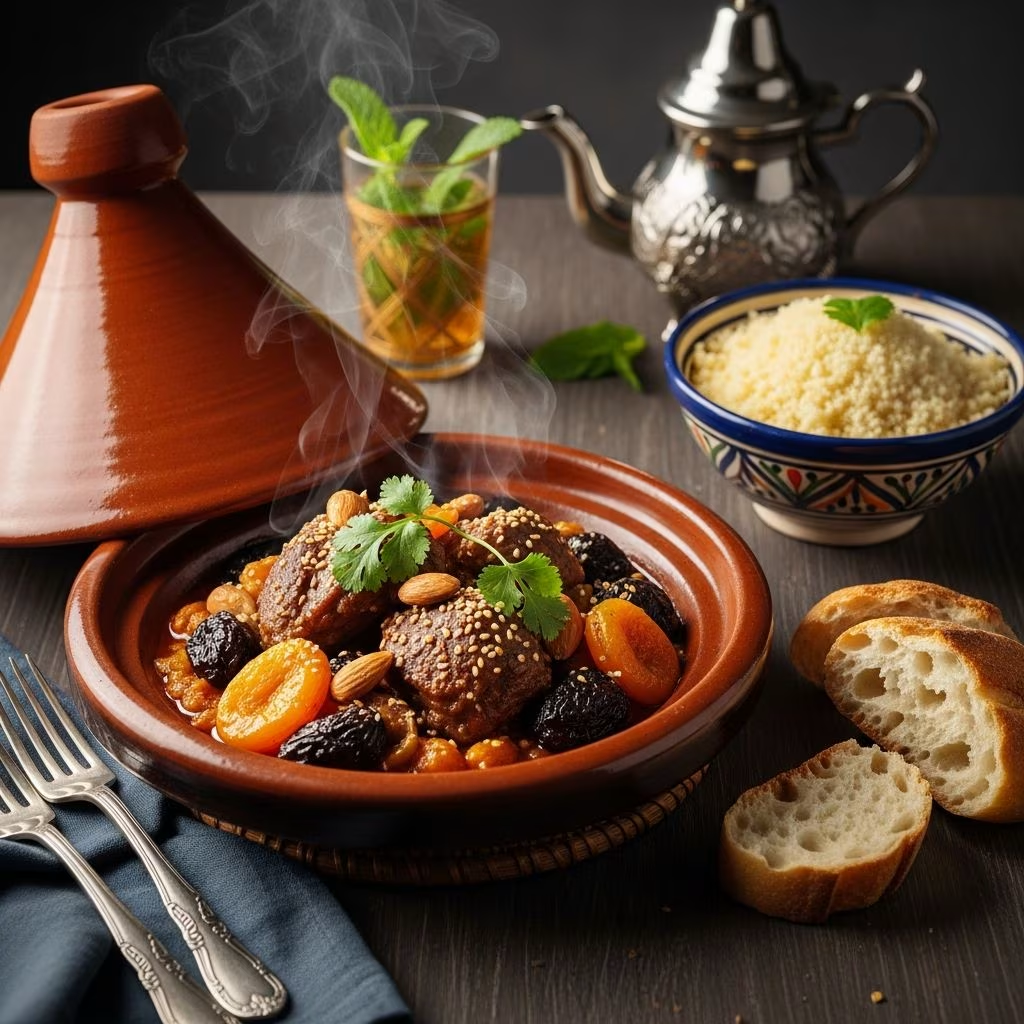
A tagine represents far more than just a cooking vessel; it embodies a philosophy of slow cooking that has sustained families and communities for centuries. The conical shape of the traditional clay pot creates a unique cooking environment where steam circulates continuously, basting ingredients in their own moisture while concentrating flavors.
This cooking method differs fundamentally from Western braising or stewing. Rather than rapid boiling, tagines employ gentle heat that allows proteins to become fork-tender while vegetables maintain their structural integrity. The low-and-slow approach ensures that spices penetrate every component of the dish, creating layers of flavor that develop and intensify throughout the cooking process.
Modern cooks can achieve authentic tagine results using Dutch ovens, heavy-bottomed casserole dishes, or specialized tagine cookers designed for stovetop use. The key lies not in possessing the traditional vessel but in understanding and applying the underlying cooking principles.
Essential Ingredients: Building Blocks of Authentic Flavor
Creating an authentic Moroccan lamb tagine begins with selecting quality ingredients that form the foundation of this dish’s distinctive character.
Selecting and Preparing the Lamb
Lamb shanks represent the traditional choice for tagine preparation, offering marbled meat that becomes incredibly tender through slow cooking. Alternatively, lamb chops or chunks work well, though cooking times may require adjustment. The fat content in lamb proves essential, as it renders during cooking and carries flavor throughout the dish.
Preparation involves trimming excessive external fat while preserving the intramuscular marbling. Meat should be cut into uniform sizes if not using whole shanks, ensuring even cooking and consistent texture throughout the finished dish.
Aromatic Foundations
The aromatic base of onions and garlic provides the fundamental flavor platform. Onions should be cut into thin wedges or diced, depending on your preferred texture in the finished dish. Fresh garlic, finely chopped, imparts its characteristic pungency and depth.
The Spice Profile: Morocco’s Aromatic Signature
Moroccan tagines derive their distinctive character from a carefully balanced spice combination:
- Paprika – Contributes warmth and color without excessive heat
- Cumin – Offers earthiness and subtle sweetness
- Ground ginger – Provides peppery warmth and aids in meat digestion
- Saffron threads – Impart luxury, distinctive floral notes, and golden hue
- Black pepper – Enhances overall spice complexity
These spices work synergistically rather than competing for prominence. The interplay between warming cumin, bright paprika, and delicate saffron creates the unmistakable Moroccan flavor profile that distinguishes this cuisine globally.
Fresh Herbs and Vegetables
Flat-leaf parsley and fresh coriander add bright, herbaceous notes that balance the dish’s richness. New potatoes provide subtle sweetness and creamy texture, while petits pois contribute color contrast and fresh vegetable character.
The Cooking Process: Transforming Ingredients Into Magic
Initiating the Tagine: Building the Flavor Foundation
The cooking process begins by combining lamb shanks, onions, garlic, and all spices in your cooking vessel. Water is added to barely cover the ingredients—this measured approach prevents diluting flavors while ensuring adequate moisture for the slow-cooking process.
Bringing the mixture to a boil over medium-high heat initiates the protein denaturation process, beginning the transformation of raw lamb into tender morsels. This initial high heat also helps develop fond on the pot’s bottom, which contributes deeper, more complex flavors to the cooking liquid.
The First Phase: Establishing Tenderness
After adding olive oil, heat reduces to medium-low, and the pot is covered. The first thirty-minute period allows the meat to begin its transformation while the spice profile develops. At the thirty-minute mark, lamb shanks should be turned over in the sauce, ensuring even exposure to the cooking liquid and developing flavors.
Two additional fifteen-minute cooking periods follow, with meat rotation after each interval. This staged approach allows cooks to monitor progress and assess meat tenderness. Quality lamb typically reaches desired tenderness within one hour total; tougher cuts or larger pieces may require additional cooking time.
The Second Phase: Incorporating Vegetables
Once meat achieves fork-tender consistency, fresh herbs are stirred into the sauce, and potatoes are added to the pot. These sturdy vegetables require approximately fifteen minutes to reach tender consistency. Stirring occasionally ensures even cooking and prevents sticking.
The Final Phase: Finishing Touches
Petits pois are added in the final minutes of cooking, preserving their bright color and fresh taste. Uncovered cooking during this stage allows excess moisture to evaporate, concentrating sauce flavors and achieving the desired consistency. If sauce remains thin after vegetables finish cooking, allowing it to bubble gently uncovered for several minutes achieves proper thickness.
Flavor Development: Understanding the Chemistry
The extended cooking time in a tagine serves multiple purposes beyond simply softening meat. Collagen in lamb transforms into gelatin, contributing richness and body to the cooking liquid. Aromatics become increasingly potent as their volatile compounds disperse throughout the pot. Spices release their essential oils, creating an increasingly complex flavor profile.
This gradual flavor development cannot be rushed. Higher heat or shorter cooking times may produce edible results but miss the profound flavors that justify the traditional tagine’s reputation. The patience required represents part of the cooking method’s appeal and cultural significance.
Serving and Presentation: Honoring the Tradition
Traditionally, lamb tagine is transferred to serving dishes and garnished with reserved fresh coriander, providing fresh herbal contrast to the rich, cooked flavors. The dish is served extremely hot, allowing diners to experience the full aromatic intensity.
Moroccan bread serves as the traditional accompaniment, used to scoop sauce and tender meat. Couscous offers an alternative starch base, while some preparations pair tagine with rice. Yogurt and fresh mint provide cooling contrast to the dish’s warming spices.
Nutritional Considerations and Health Benefits
Lamb tagine with potatoes and peas provides substantial nutritional value. Lamb offers high-quality protein essential for muscle maintenance and repair. The extended cooking process makes this protein highly bioavailable for human digestion.
Potatoes contribute complex carbohydrates, fiber, and essential minerals including potassium. Peas provide additional protein, fiber, and vital micronutrients. The olive oil used in preparation offers heart-healthy monounsaturated fats, while the spice profile contributes beneficial compounds with antioxidant properties.
This one-pot meal delivers sustained energy without the blood sugar spikes associated with refined carbohydrates, making it suitable for various dietary approaches and lifestyle goals.
Ingredient Variations: Personalizing Your Tagine
| Component | Traditional Option | Alternative Selections | Effect on Dish |
|---|---|---|---|
| Protein | Lamb shanks | Lamb chops, chunks, or chicken | Cooking time may decrease; flavor profile shifts |
| Potatoes | New potatoes | Red potatoes, waxy varieties | Different texture; all maintain structural integrity |
| Legumes | Petits pois | Fava beans, chickpeas, green beans | Flavor adjusts; chickpeas add earthiness |
| Vegetables | Base aromatics | Add tomatoes, preserved lemons, olives | Increases complexity; adds traditional flavor dimensions |
| Spices | Standard blend | Cinnamon, turmeric, coriander seeds | Shifts flavor profile toward sweeter or earthier notes |
Common Questions About Tagine Preparation
Can I make tagine without a traditional vessel?
Yes. Dutch ovens, heavy casserole dishes, and regular pots produce excellent results. The specific vessel matters less than maintaining consistent, gentle heat and allowing adequate cooking time for flavor development. Specialty tagine cookers designed for stovetop use also work effectively.
How do I know when the lamb is sufficiently tender?
Properly cooked lamb in tagine should be fork-tender, separating easily from the bone with minimal pressure. The meat should yield completely to gentle prodding but should not yet be falling from the bone, which indicates slight overcooking.
Can I prepare tagine in advance?
Tagine often improves with time, as flavors continue developing. Prepare the complete dish, cool it, and refrigerate for up to three days. Reheat gently over medium-low heat to prevent breaking down vegetables further. Some cooks prepare the meat component alone and add fresh vegetables just before serving for optimal freshness.
What if my sauce remains too thin?
Uncover the pot during the final cooking stage and allow the sauce to simmer, reducing and concentrating. Alternatively, create a beurre manié by mixing softened butter with flour, whisking it into the hot sauce to achieve desired thickness instantly.
Are preserved lemons necessary?
While preserved lemons add authentic complexity, they aren’t essential. Fresh lemon zest provides similar brightness, though with different character. Some recipes omit citrus entirely, allowing other spices to dominate the flavor profile.
Storing and Reheating Your Tagine
Proper storage extends this dish’s usefulness throughout the week. Cool the tagine completely before transferring to airtight containers, storing in the refrigerator for up to four days. Freeze in portion-sized containers for up to three months.
When reheating, thaw frozen tagine overnight in the refrigerator, then warm gently over medium-low heat, stirring occasionally to distribute heat evenly. Add small amounts of water if sauce has reduced significantly during storage. Avoid rapid temperature changes, which can cause meat to become tough.
The Cultural Significance of Moroccan Tagine
Beyond its gastronomic appeal, the lamb tagine embodies generations of Moroccan culinary wisdom and cultural values. This dish reflects the region’s historical trade routes, incorporating spices from distant lands while maintaining distinctly local character.
The tradition of slow cooking in communal vessels encouraged family gathering and shared meals, reinforcing social bonds. Today, preparing tagine represents a connection to this heritage, allowing cooks worldwide to participate in a culinary tradition spanning centuries.
Final Reflections: Why Tagine Endures
The Moroccan lamb tagine persists in global cuisine because it delivers on multiple levels: exceptional flavor, nutritional substance, and cultural authenticity. The cooking method respects ingredients while transforming them into something greater than their individual components.
Whether you’re exploring North African cuisine for the first time or deepening your appreciation for established favorites, the lamb tagine with potatoes and peas offers a gateway into understanding how tradition, technique, and quality ingredients converge to create lasting culinary satisfaction.
References
- Lamb Tagine with Potatoes and Peas (L’Ham Bel B’Tata Wa Jeblana) — Patient.info. Accessed 2026. https://patient.info/recipes/high-protein-recipes/lamb-tagine-with-potatoes-and-peas-lham-bel-btata-wa-jeblana
- Lamb, Potato and Pea Tagine Recipe — Strayed from the Table. Accessed 2026. https://www.strayedtable.com/lamb-potato-and-pea-tagine-recipe/
- Lamb Tagine with Potatoes and Peas — MarocMama. Accessed 2026. https://marocmama.com/lamb-tajine-with-peas-and-potatoes/
- Lamb Tagine — RecipeTin Eats. Accessed 2026. https://www.recipetineats.com/lamb-tagine/