Understanding Moroccan Culinary Traditions
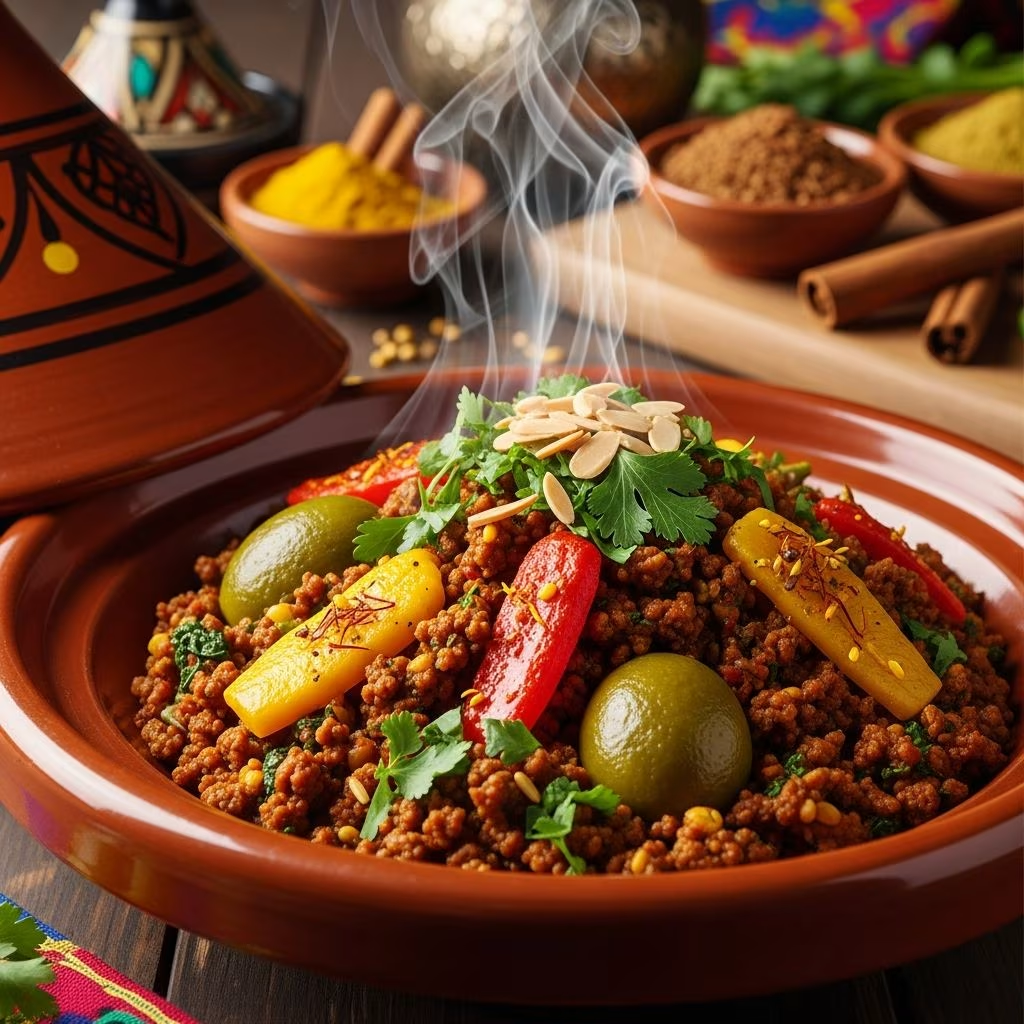
Moroccan cuisine represents one of the world’s most distinctive culinary traditions, characterized by the masterful combination of warm spices, fresh vegetables, and protein-based dishes that have been perfected over centuries. The foundation of Moroccan cooking rests on a philosophy of balancing bold, aromatic spices with fresh ingredients to create dishes that are both complex and deeply satisfying. Ground beef preparations in Moroccan cooking showcase this balance beautifully, offering home cooks an accessible entry point into this rich culinary heritage without requiring specialized equipment or hard-to-find ingredients.
The appeal of Moroccan ground beef dishes lies in their versatility and relative simplicity. Unlike traditional tagines that require hours of slow cooking with whole cuts of meat, ground beef versions deliver the same authentic flavors in a fraction of the time, making them ideal for contemporary home cooks seeking restaurant-quality meals on weeknights.
Essential Spice Components and Flavor Profiles
The distinctive character of Moroccan ground beef dishes emerges from a carefully calibrated spice blend that creates layers of warmth, earthiness, and subtle sweetness. These spice combinations form the backbone of the dish, transforming simple ground beef into something extraordinary.
The primary spices typically include:
- Ground cinnamon — provides warm sweetness and depth, typically using 1 tablespoon for a full recipe
- Ground cumin — contributes earthy, nutty undertones that ground the flavor profile
- Paprika — adds gentle smokiness and a subtle peppery note without excessive heat
- Ground coriander — introduces lemony, slightly floral characteristics that brighten the overall composition
- Turmeric — brings earthiness and mild bitterness that balances sweeter elements
- Ground ginger — delivers warmth and subtle spiciness that complements cinnamon
- Crushed red pepper — provides controlled heat and complexity, used judiciously to avoid overwhelming other flavors
When combining these spices, the key principle involves toasting them briefly after the beef has browned, which releases their essential oils and intensifies their aromatic qualities. This technique, common across North African cooking, ensures that spices distribute evenly throughout the dish rather than remaining as isolated flavor notes.
Ingredient Selection and Preparation Strategies
Success in preparing Moroccan ground beef depends significantly on thoughtful ingredient selection and proper preparation. The quality of each component directly influences the final dish’s character and satisfaction level.
For the beef itself, lean ground beef works excellently, allowing the spices to take center stage without excessive fat obscuring the flavor profile. When selecting ground beef, look for meat that appears bright red rather than brown, indicating freshness. A ratio of 80/20 (meat to fat) provides sufficient richness without greasiness.
Vegetables form the aromatic base that supports and elevates the spice blend. Medium onions, peeled and diced into quarter-inch pieces, provide sweetness that develops through cooking and acts as a foundation for other flavors. Carrots, sliced into half-moons, contribute natural sugars and textural interest. Fresh garlic, minced rather than pressed, offers pungent depth that becomes mellow during cooking. These aromatics should be added in stages — onions first to build flavor, followed by carrots and garlic once the beef has browned.
Optional yet traditional ingredients include kalamata olives, which provide briny contrast to warm spices, dried fruit such as apricots or raisins that introduce sweetness and chewy texture, and tomato paste that adds umami depth and helps bind flavors together. Fresh cilantro, stirred in just before serving, brightens the finished dish with herbaceous freshness.
Cooking Methods: Pressure Cooker Versus Stovetop
Moroccan ground beef can be prepared using two primary methods, each offering distinct advantages depending on time availability and cooking preferences.
Pressure Cooker Method
The pressure cooker approach delivers results in approximately 15 minutes of cooking time after pressurization, making it ideal for rushed weeknights. Begin by setting the pressure cooker to sauté function and preheating with olive oil. Add the ground beef along with a portion of the spice mixture, breaking the meat apart as it browns over medium-high heat. Once cooked through, remove the beef temporarily and sauté the onions and carrots until softened, about 4-5 minutes. Return the beef to the pot, add remaining spices, tomato paste, and broth (typically 1 cup for pressure cooking), and stir thoroughly to combine. Lock the lid, ensure the valve is positioned to sealing, and cook on high pressure for 15 minutes. Allow natural pressure release for 5 minutes before manually venting remaining pressure.
Stovetop Method
The traditional stovetop approach requires longer cooking time but allows better control over texture and flavor development. In a large, heavy-bottomed saucepan, heat olive oil over medium heat and brown the ground beef, breaking it into bite-sized pieces as it cooks. Once browned, set the beef aside temporarily. In the same pot, sauté onions and carrots until the onions become translucent, approximately 5 minutes. Add garlic and spices, cooking for 1-2 minutes until fragrant. Return the beef to the pot along with tomato paste, broth (increase to 2 cups for stovetop cooking), and optional ingredients like olives or dried fruit. Bring the mixture to a gentle boil, then reduce heat to low, cover, and simmer for 30-40 minutes, stirring occasionally. This longer cooking allows flavors to meld more completely and vegetables to become tender.
Versatile Serving Suggestions and Adaptations
The beauty of Moroccan ground beef extends beyond the dish itself to its remarkable adaptability to various serving formats and dietary preferences. This flexibility makes it an excellent choice for families with different tastes and dietary requirements.
| Serving Format | Preparation Notes | Best Accompaniments |
| Over couscous | Serve warm beef mixture spooned over fluffy couscous prepared with vegetable or chicken broth | Yogurt sauce, fresh herbs, toasted almonds |
| Rice bowls | Layer the beef mixture over fragrant jasmine or brown rice for a complete meal | Cucumber slices, lemon wedges, fresh mint |
| Taco filling | Reduce liquid content slightly to create a thicker consistency suitable for taco shells | Shredded lettuce, diced tomatoes, crumbled feta |
| Stuffed vegetables | Use as filling for halved zucchini boats, bell pepper halves, or tomato shells | Topped with breadcrumbs and baked until vegetables are tender |
| Creamy potato base | Serve over or mixed with creamy mashed potatoes for comfort food appeal | Fresh cilantro, lemon juice, sour cream |
Dietary Modifications and Ingredient Swaps
Moroccan ground beef recipes adapt remarkably well to various dietary needs without sacrificing authentic flavor characteristics. For plant-based preparations, substitute the pound of ground beef with two cans of chickpeas (drained and rinsed) or one-half cup of cooked lentils. These legumes provide similar protein content and texture while absorbing the spice blend beautifully. The cooking time remains essentially unchanged, though you may need to reduce the broth slightly since legumes release less liquid than beef.
For those preferring alternative proteins, ground lamb delivers a richer, more traditional Moroccan flavor that pairs exceptionally well with the warm spice blend. Use the same quantity as ground beef but reduce initial cooking time by 2-3 minutes, as lamb contains more fat and browns more quickly. Ground turkey offers a lighter alternative with less fat content; compensate by adding an extra tablespoon of olive oil during cooking to prevent drying.
Vegetable substitutions allow customization based on seasonal availability and personal preference. Cauliflower florets can replace or supplement carrots, providing a heartier texture. Diced bell peppers, added near the end of cooking, introduce sweetness and color. Mushrooms, particularly cremini or shiitake varieties, contribute umami depth that complements the spice profile.
Flavor Development and Timing Considerations
Understanding how flavors develop during cooking helps optimize results and avoid common pitfalls. The sequence of ingredient addition significantly impacts the final dish’s character and balance.
Browning the ground beef thoroughly during the initial stage creates fond — those flavorful browned bits on the pot’s bottom — that becomes the foundation for deeper flavor. Never rush this step; allow at least 7-10 minutes for complete browning with proper color development. When deglazing the pot with broth after vegetables have been sautéed, use a wooden spoon to scrape these flavorful bits into the liquid, ensuring they incorporate throughout the dish.
Spice timing deserves particular attention. Adding ground spices to the warm beef and fat allows them to bloom, releasing volatile compounds that would otherwise remain dormant. Adding spices too early in cooking, particularly before liquid is added, can lead to burning and unpleasant bitter flavors. Conversely, adding spices too late results in grainy texture and flavors that don’t integrate smoothly with other components.
The final addition of fresh herbs — typically cilantro or parsley — should occur just before serving. This preserves their bright, fresh character and prevents them from becoming dark and diminished through prolonged cooking.
Frequently Asked Questions
How can I make this dish less spicy for heat-sensitive palates?
Reduce or eliminate crushed red pepper entirely, and use smoked paprika instead of regular paprika for gentler flavor. The remaining spices — cinnamon, cumin, coriander, and turmeric — provide authentic Moroccan character without significant heat. You can also increase the proportion of sweet elements like raisins or dried apricots to balance any remaining spiciness.
Can this recipe be prepared in advance?
Yes, Moroccan ground beef actually improves when made 1-2 days ahead, as flavors continue melding during storage. Prepare the complete recipe, cool to room temperature, and refrigerate in an airtight container. Reheat gently on the stovetop over medium-low heat, adding a splash of broth if needed to restore desired consistency. This advance preparation makes it ideal for meal planning.
What broth works best for this dish?
Beef broth delivers deeper flavor that complements the spice profile, though vegetable or chicken broth works perfectly well for lighter results. For vegetarian versions, vegetable broth paired with additional tomato paste compensates for the umami traditionally provided by beef. Homemade broth intensifies flavors compared to commercial varieties.
How should leftovers be stored and reheated?
Transfer cooled leftovers to an airtight container and refrigerate for up to 4 days. The mixture also freezes beautifully for up to 3 months, making it excellent for batch cooking. When reheating, thaw frozen portions overnight in the refrigerator, then warm gently on the stovetop, stirring occasionally and adding broth as needed to achieve desired consistency.
What side dishes pair well with Moroccan ground beef?
Beyond the serving suggestions mentioned earlier, consider crusty bread for soaking up flavorful sauce, simple green salads with lemon vinaigrette for freshness, or roasted root vegetables like sweet potatoes or parsnips for earthiness. Steamed broccoli or roasted Brussels sprouts provide textural contrast and additional nutrition.
Nutritional Considerations and Serving Portions
A typical Moroccan ground beef recipe yields approximately four generous servings as a main course, though portions can be adjusted based on accompanying sides and appetites. Each serving provides substantial protein from the ground beef and legumes, carbohydrates from vegetables and grains, and healthy fats from olive oil and optional nuts.
The dish naturally accommodates various nutritional approaches, from balanced omnivorous eating to vegetarian or vegan adaptations. Those monitoring sodium intake should control salt additions, particularly when using broth already containing salt. The high vegetable content contributes fiber and micronutrients while keeping calorie density moderate.
Conclusion: Mastering Moroccan Ground Beef at Home
Moroccan ground beef dishes represent accessible entry points into North African cooking, combining authentic flavors with contemporary convenience. Whether prepared via pressure cooker for weeknight efficiency or slow-cooked on the stovetop for deeper flavor development, these recipes deliver satisfying meals that transport diners to Morocco’s aromatic souks and bustling markets. By understanding the foundational spice blend, respecting ingredient preparation techniques, and adapting recipes to personal preferences, home cooks can confidently master these dishes and expand their culinary repertoires. The versatility of ground beef preparations ensures these recipes become reliable standbys for everyday meals, special occasions, and everything between.
References
- Moroccan Inspired Ground Beef Stew — My Life In An Apron. Accessed April 2026. https://mylifeinanaprn.com/moroccan-inspired-ground-beef-stew/
- 20 Minute Moroccan Ground Beef Recipe — Dos Olivos Markets. Accessed April 2026. https://dosolivosmarkets.com/blogs/news/20-minute-moroccan-ground-beef-recipe
- Moroccan Beef Tagine — Closet Cooking. Accessed April 2026. https://www.closetcooking.com/moroccan-beef-tagine/
- Moroccan Spiced Beef and Creamy Potatoes — Sarah Pflugradt. Accessed April 2026. https://sarahpflugradt.com/2020/04/moroccan-spiced-beef-and-creamy-potatoes/
- Moroccan Spiced Beef and Cauliflower Bowls — Natalie Cooks. Accessed April 2026. https://nataliecooks.com/recipes/moroccan-spiced-beef-and-cauliflower-bowls/