Understanding This Iconic Canadian Cocktail
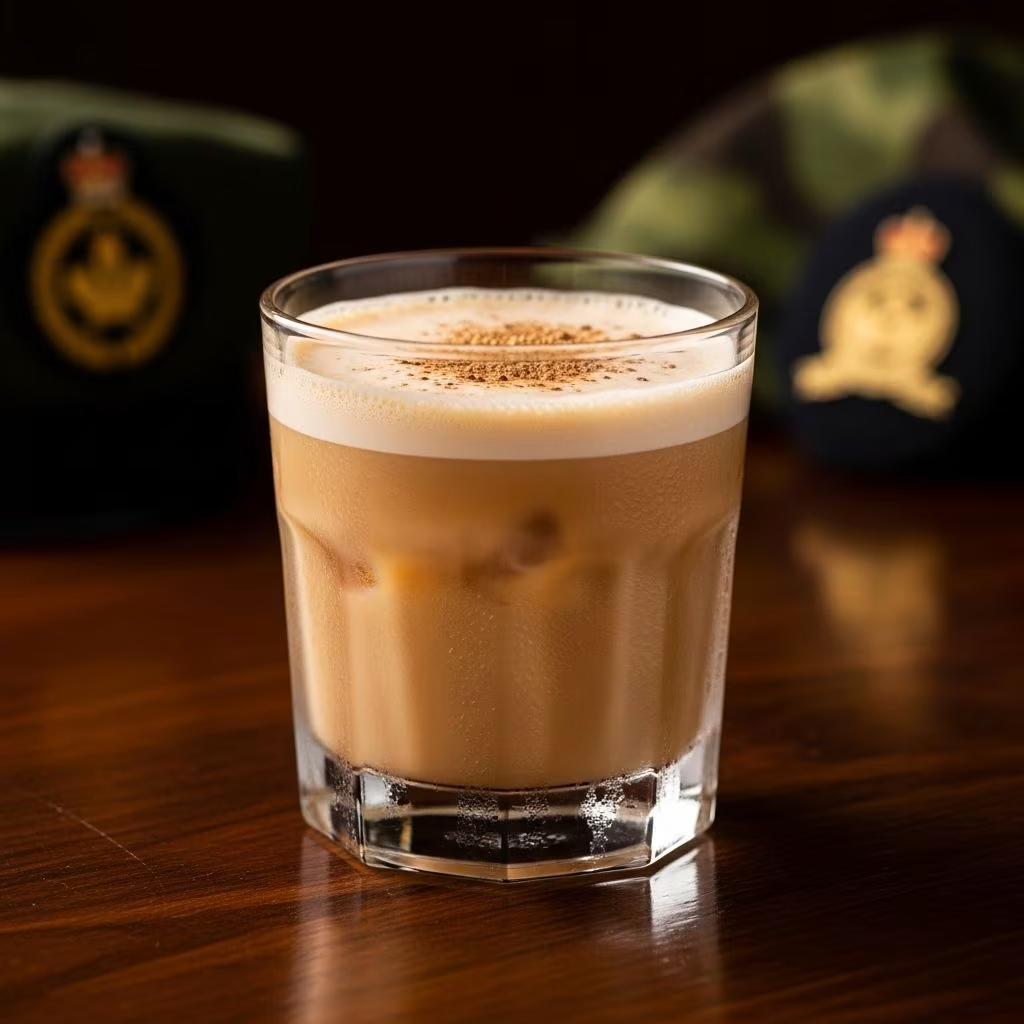
Moose Milk represents far more than a simple mixed drink; it embodies a cherished tradition within Canadian military culture that spans generations. This creamy, indulgent beverage combines the warmth of spirits with the comfort of dairy, creating a dessert-like experience that warms from the inside out during Canada’s harsh winters. The drink occupies a special place in military ceremonies, holiday celebrations, and casual gatherings among service members and civilians alike.
The essence of Moose Milk lies in its combination of hard liquor, cream or ice cream, and aromatic spices that create a luxurious mouthfeel and sophisticated flavor profile. Unlike standard cocktails that emphasize clarity and balance, this drink prioritizes richness and indulgence, making it a departure from conventional mixing practices. Its popularity has transcended military circles, becoming a sought-after recipe among holiday entertaining enthusiasts and cocktail experimenters across North America.
The Military Heritage and Historical Origins
The exact genealogy of Moose Milk remains somewhat mysterious, with multiple branches of Canada’s armed forces claiming creation rights. The Royal Canadian Navy, Royal Canadian Air Force, and Canadian Army have all been credited with developing this distinctive cocktail, though pinpointing the true originator proves difficult given the drink’s organic evolution within military culture. Some accounts trace the drink’s inception to World War II, when Canadian soldiers created warming beverages during their service overseas, while other narratives extend the tradition further back to World War I.
According to military folklore, Flight Sergeant Jack “Pony” Moore, an officer in the Canadian Forces, is credited with initially formulating Moose Milk as an appropriate beverage for mixed company gatherings. This detail reflects the drink’s role in social settings beyond purely military functions, suggesting it evolved to meet specific social needs within the service community. The drink’s reputation as a “closely held secret” with closely guarded recipes speaks to its significance within military culture and the pride unit members take in their particular versions.
The necessity that drove Moose Milk’s creation reflects practical military circumstances. During extended deployments and harsh weather conditions, soldiers needed warming beverages that provided caloric sustenance and morale-boosting properties. The combination of cream or ice cream with spirits created a drink that satisfied hunger while providing warmth and a sense of celebration during difficult times.
Core Ingredients and Essential Components
Despite the drink’s storied history, its fundamental formula remains surprisingly consistent across variations. The four basic components that define any authentic Moose Milk include hard liquor, cream or dairy products, eggs or egg-based mixers, and warming spices. Understanding these core elements helps anyone create a recognizable version regardless of which specific recipe they follow.
Spirits and Alcohol Selection
The alcoholic foundation of Moose Milk traditionally relies on whiskey, though modern versions demonstrate considerable flexibility. When whiskey supplies proved limited during military service, rum became an acceptable substitute, and this adaptability has evolved into an intentional variation strategy. Contemporary recipes frequently incorporate multiple spirits simultaneously—a blend of rum, vodka, and whiskey—to create layered flavor complexity. Coffee liqueurs like Kahlua have also become standard additions, contributing both alcohol content and flavor sophistication that complements the dairy base.
The alcohol quantity varies significantly depending on the batch size and intended consumption context. Single-serving versions typically contain between 0.5 to 2 ounces of combined spirits, while large-scale military preparations can include multiple liters of rum or whiskey mixed into gallon-sized batches. The ratio of alcohol to other ingredients remains flexible, allowing drinkers to customize potency according to preference and occasion.
Dairy and Frozen Components
Vanilla ice cream serves as the cornerstone dairy ingredient in most contemporary recipes, providing natural sweetness, body, and richness that defines the drink’s luxurious character. The ice cream’s fat content creates the signature creamy texture that distinguishes Moose Milk from standard cream liqueurs. Some recipes employ soft-serve ice cream specifically, as its consistency facilitates easier blending without excessive melting.
Complementing the ice cream, whole milk, half-and-half, or cream rounds out the dairy composition. Some variations substitute eggnog entirely for milk, creating an even richer flavor profile with vanilla and spice notes that naturally align with Moose Milk’s character. The proportion of ice cream to liquid typically maintains roughly a 1:1 ratio, ensuring the drink achieves a milkshake-like consistency while remaining pourable and suitable for punch bowls.
Eggs and Spice Elements
Traditional recipes often incorporate beaten egg yolks combined with sugar, though modern versions frequently substitute liquid eggnog to achieve food safety while maintaining the creamy, custard-like qualities that eggs provide. The egg component adds richness and creates the distinctive frothy layer that forms during the mixing process.
Warming spices—particularly nutmeg and cinnamon—provide aromatic complexity and a gentle heat sensation that complements the drink’s creamy base. Some recipes incorporate dark chocolate shavings as an alternative or additional garnish, adding visual appeal and subtle cocoa notes that pair beautifully with coffee liqueurs and rum.
Recipe Variations and Customization Approaches
Single-Serving Individual Cocktails
For intimate occasions or smaller gatherings, individual serving recipes provide elegant portions that showcase the cocktail’s complexity. These versions typically combine one cup cold coffee, one cup half-and-half or cream, 1.5 cups vanilla ice cream, and 0.25 to 0.5 cups combined spirits (rum, whiskey, vodka, and coffee liqueur in varying proportions). The ingredients blend together in a large bowl or shaker, creating a frothy mixture that pours into chilled glasses and receives a final dusting of nutmeg or chocolate shavings.
Large-Scale Batch Preparations
Military and festive gatherings often call for substantial quantities that serve numerous people from a central punch bowl. These batch recipes scale up to impressive volumes, combining two liters of vanilla ice cream, four liters of eggnog, two liters of rum in various styles, and tablespoons of nutmeg. The simplicity of batch preparation—merely mixing all ingredients in a large serving vessel—makes large-scale production practical while maintaining quality and consistency across numerous servings.
Flavor Innovation and Contemporary Twists
Modern bartenders and home mixologists have expanded the Moose Milk concept beyond its traditional boundaries while respecting its foundational character. Substituting coffee liqueur with Baileys Irish Cream creates a sweeter, more dessert-forward variation, while switching vodka to additional rum or whiskey emphasizes the drink’s warming, spirit-forward characteristics. Some recipes incorporate maple syrup or brown sugar to enhance the Canadian identity and create deeper, more complex sweetness.
| Recipe Variation | Key Differences | Best For |
|---|---|---|
| Coffee-Forward Version | Emphasizes cold coffee and Kahlua | Dessert-focused occasions |
| Eggnog-Based Variation | Replaces milk with eggnog entirely | Holiday seasons and festive gatherings |
| Spirit-Forward Blend | Multiple liquors combined (rum, whiskey, vodka) | Military traditions and cold weather |
| Baileys-Enhanced Version | Substitutes liqueurs for added creaminess | Those preferring sweeter profiles |
Step-by-Step Preparation Methods
Individual Cocktail Assembly
Creating a personal serving of Moose Milk requires minimal equipment and straightforward technique. Begin by pouring all liquid ingredients—cold coffee, cream, and spirits—into a large mixing bowl or cocktail shaker. Add the vanilla ice cream, which should remain relatively firm rather than completely melted. Using a whisk or cocktail shaker, blend the ingredients vigorously until a notable froth forms on the surface, indicating proper emulsification of the cream and spirits. The blending process typically requires 30 seconds to one minute of enthusiastic mixing. Transfer the finished cocktail into a chilled glass and garnish immediately with a sprinkle of nutmeg or dark chocolate shavings. The drink should be consumed shortly after preparation to maintain optimal texture and temperature.
Batch Punch Bowl Production
Preparing larger quantities for gatherings follows similar principles but accommodates larger volumes and group timing considerations. Combine ice cream and liquid ingredients directly in a large punch bowl, using a sturdy wooden spoon or punch ladle to fold and blend rather than vigorous whisking. The mixing process creates a substantial frothy layer as the ingredients incorporate. Some preparers create an ice ring by freezing water in a bundt pan and floating this in the punch bowl, maintaining temperature throughout the event without diluting the drink through melting ice. This method allows guests to serve themselves while the beverage maintains consistency and temperature for extended periods.
Customization and Serving Suggestions
Adjusting Alcohol Content
The beauty of Moose Milk lies in its flexibility regarding alcohol levels. Those seeking a milder experience can reduce the spirit quantities by half, while military personnel recreating traditional recipes may double the alcohol portions to approach authentic potency levels. The deceptive smoothness of cream-based cocktails can mask alcohol content, making careful portion consideration important for responsible consumption.
Flavor Profile Modifications
Adding maple syrup introduces a distinctly Canadian element while enhancing natural sweetness. Substituting vanilla extract-infused cream for standard cream provides additional flavor depth. Cold brew coffee concentrate instead of standard cold coffee intensifies the coffee character, particularly appealing to those who enjoy bold flavors. Experimenting with different rum styles—dark, spiced, or white—creates notably different drinking experiences while maintaining the drink’s fundamental character.
Frequently Asked Questions
Why is this drink called “Moose Milk”?
The exact etymology remains unclear, though the name likely emerged from the drink’s thick, creamy consistency and its association with Canada’s northern wilderness and indigenous animals. The whimsical name distinguishes this uniquely Canadian beverage from conventional cocktails and reinforces its military heritage.
Can Moose Milk be made without alcohol?
While technically possible to create a non-alcoholic version using similar ingredients, this would fundamentally alter the drink’s character and deviate from its defining tradition. However, reducing alcohol content significantly creates a more approachable version suitable for younger guests or those preferring lighter drinks.
How long can Moose Milk be stored?
Moose Milk is best consumed immediately after preparation to maintain optimal texture and temperature. However, prepared batches can remain in a refrigerated punch bowl for several hours if kept cold via ice rings or regular ice additions. The drink’s dairy content necessitates avoiding extended room-temperature storage.
What occasions warrant serving Moose Milk?
Beyond military functions and formal dinners where this tradition holds particular significance, Moose Milk suits holiday gatherings, winter celebrations, Christmas parties, and New Year’s Eve events. The warming, festive nature of the drink makes it particularly appropriate for cold-weather entertaining.
Are there non-dairy alternatives for dietary restrictions?
Modern dietary considerations have prompted experimentation with coconut cream, oat milk, and cashew-based alternatives in place of traditional dairy. However, these substitutions noticeably alter the drink’s traditional character and flavor profile, moving away from authentic preparations.
Perfect Occasions for Serving Moose Milk
Moose Milk transitions seamlessly between formal military events and casual holiday entertaining. Military appreciation events, regimental dinners, and veterans’ gatherings provide contexts where this drink carries deep cultural significance. Holiday office parties, Christmas open houses, New Year’s Eve celebrations, and winter-themed gatherings all benefit from Moose Milk’s festive, warming qualities.
The drink’s substantial, filling nature makes it particularly suitable for events serving food rather than standing cocktail receptions. Offering Moose Milk at dessert service creates elegant, memorable finales to holiday meals. Its conversation-starting reputation and distinctive flavor profile naturally generate interest among guests unfamiliar with Canadian military traditions.
Conclusion
Moose Milk represents a fascinating convergence of practical military necessity, cultural tradition, and contemporary cocktail culture. This creamy, spirit-infused beverage transcends simple mixology to embody Canadian heritage and martial camaraderie. Whether prepared as an individual serving for intimate gatherings or as a large-scale batch for celebrations, Moose Milk continues honoring its military roots while welcoming new generations of enthusiasts into a tradition stretching back generations. The drink’s flexibility permits endless personalization while maintaining essential characteristics that define its character and charm.
References
- Moose Milk – Sidney Museum — Sidney Museum. Accessed April 2026. https://sidneymuseum.ca/edible-artefacts/moose-milk/
- A Canadian Military Tradition: Moose Milk — With Love From Bex. https://www.withlovefrombex.com/canadian-military-tradition-moose-milk/
- Creamy Moose Milk Cocktail — The Simple Celebration. https://thesimplecelebration.com/2013/12/creamy-moose-milk-cocktail/
- Meet ‘Moose Milk,’ the Wintry Cocktail of the Canadian Military — Atlas Obscura. https://www.atlasobscura.com/articles/what-is-moose-milk-canadian-holiday-cocktail
- Moose Milk Recipe – The Happier Homemaker — The Happier Homemaker. https://thehappierhomemaker.com/moose-milk-spiked-ice-cream-cocktail/
- How To Make The Moose Milk Cocktail — Booze On The Rocks. https://www.youtube.com/watch?v=_AI0gLo2iXI