Few desserts capture the elegance and drama of a molten chocolate lava cake. When you cut into its dark exterior, a river of warm chocolate flows from the center, creating a moment of pure indulgence. What makes this dessert particularly appealing is its seemingly complex nature paired with surprising accessibility for home bakers. With the right ingredients, proper technique, and attention to timing, anyone can master this showstopping treat.
Understanding the Molten Chocolate Lava Cake Phenomenon
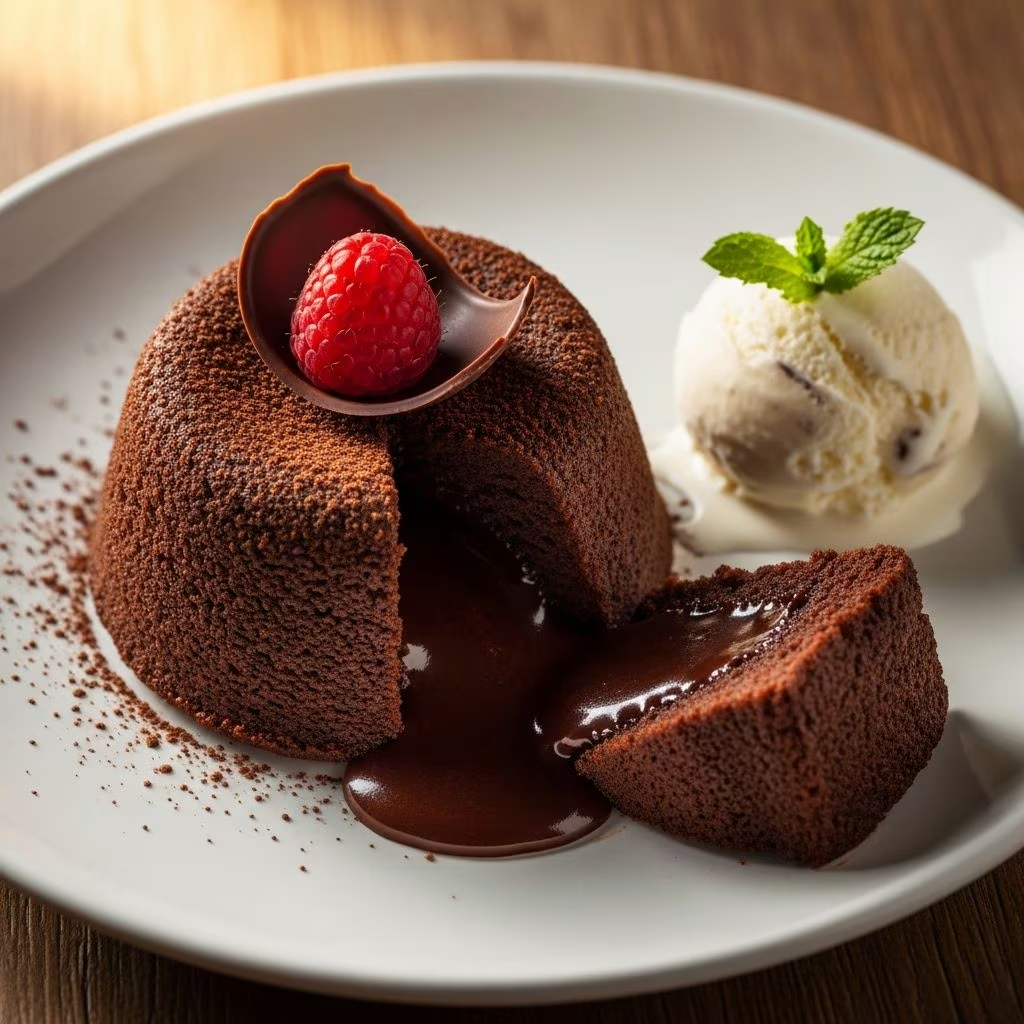
The molten chocolate lava cake represents a unique intersection of baking science and culinary artistry. Unlike traditional cakes that are fully baked throughout, lava cakes intentionally maintain a liquid chocolate center while their exterior sets firmly. This balance requires precise oven temperature control, exact baking duration, and careful ingredient preparation. The result is a dessert that delivers contrasting textures: a delicate, moist cake exterior surrounding a luxurious, flowing chocolate interior that resembles molten lava—hence the evocative name.
The appeal extends beyond mere appearance. Each spoonful combines the structural integrity of a properly baked cake with the sensory pleasure of liquid chocolate. The temperature gradient created during baking ensures that the outer layers firm up completely while the center remains thermally and physically stable as a chocolate sauce, creating an experience that transcends typical dessert categories.
Essential Ingredients for Superior Results
Creating exceptional molten chocolate lava cakes begins with selecting quality ingredients. Each component plays a crucial role in achieving the desired texture and flavor profile.
Chocolate Selection and Quality
The foundation of any outstanding lava cake is premium chocolate. High-quality baking chocolate bars significantly outperform chocolate chips in this application, as they melt smoothly and create the ideal consistency for both batter integration and center viscosity. Reputable brands like Ghirardelli or Guittard offer reliable melting properties and superior flavor depth. When choosing between bittersweet and semisweet chocolate, consider that bittersweet varieties (typically 63-70% cacao) provide more complexity and sophistication, while semisweet options (50-55% cacao) deliver a gentler, more approachable chocolate experience. For those exploring variations, dark chocolate percentages ranging from 60-70% offer an excellent balance of richness and baking performance.
Butter and Dairy Considerations
Unsalted butter allows complete control over the final salt content, preventing the cakes from becoming overly salty. Typically, recipes call for butter to be cut into small pieces before melting, which accelerates the process and ensures even heating. The butter serves multiple purposes: it carries flavor, creates richness, facilitates proper mixing with the melted chocolate, and contributes to the tender crumb structure of the cake exterior.
Eggs: The Structural Element
Eggs form the backbone of lava cake structure. Most recipes separate eggs, beating egg whites into stiff peaks that provide lift and stability, while egg yolks contribute richness and emulsifying properties. The volume achieved through proper egg beating cannot be overstated—underbearing eggs results in dense, heavy cakes, while appropriate beating creates a light, fluffy matrix that properly sets during baking. The beating process should continue until the mixture becomes thick, creamy, and pale yellow, indicating sufficient air incorporation.
Supporting Ingredients
All-purpose flour (used sparingly) provides structure without toughening the delicate crumb. Many recipes call for just 2 tablespoons of flour per four cakes, demonstrating that flour should never dominate the ingredient list. Granulated sugar adds sweetness and aids in egg beating by helping stabilize the foam structure. A small pinch of salt enhances chocolate flavor complexity, while vanilla extract provides subtle aromatic depth that complements rather than overshadows the chocolate character.
The Science Behind Perfect Baking
Understanding the baking mechanics ensures consistent success across multiple batches. The oven temperature and baking duration work in concert to create the desired molten center.
Temperature Control
Most molten chocolate lava cake recipes call for an oven temperature of 450°F. This relatively high temperature serves a specific purpose: it allows the outer edges of the batter to set and firm quickly while the center remains liquid. If the temperature is too low, the entire cake bakes through, eliminating the molten center. Conversely, extremely high temperatures risk burning the exterior before the structure fully sets. Many experts recommend preheating the oven thoroughly before placing batter-filled ramekins inside. A fully preheated oven ensures consistent heat distribution and predictable baking patterns.
Baking Duration Precision
Baking time typically ranges from 6 to 8 minutes, though this window can vary based on ramekin size and specific oven characteristics. The visual cue for completion is when the sides of each cake appear firm and set while the center shows visible jiggle when gently shaken. This gentle shake test distinguishes between a properly set exterior and a molten interior. Overbaking by even one minute can shift too much center chocolate toward a fudgy consistency rather than true lava fluidity.
Ramekin Preparation
Properly prepared ramekins are essential for successful unmolding and presentation. Each ramekin should be thoroughly buttered, then dusted with unsweetened cocoa powder. This dual-layer preparation prevents sticking while adding visual appeal and subtle chocolate flavor to the unmolded cake exterior. Some bakers add a small disc of parchment paper to the ramekin bottom for additional insurance against sticking.
Step-by-Step Preparation Methodology
Chocolate-Butter Combination
Begin by chopping high-quality chocolate into uniform pieces, then combine with butter pieces in a heat-safe bowl. Melting occurs via either a double boiler method (gentler heat, more controlled) or microwave method (faster, but requiring careful attention). For the microwave approach, heat in 30-second intervals, stirring thoroughly between each burst to prevent scorching. Double boiler melting involves placing a heat-safe bowl over simmering water, ensuring the bowl doesn’t touch the water directly. Either method should result in a smooth, completely homogeneous chocolate-butter mixture.
Egg Preparation and Beating
While chocolate melts, separate eggs carefully, ensuring no yolk intrudes into the whites. Combine whole eggs, separated egg yolks, sugar, and salt in a large mixing bowl. Using a hand mixer or stand mixer fitted with the whisk attachment, beat on medium speed until the mixture becomes thick, pale yellow, and approximately tripled in volume. This process typically requires 4-6 minutes and represents a non-negotiable step that directly impacts final texture quality.
Ingredient Integration
Once eggs achieve proper volume, gently fold in the cooled chocolate-butter mixture, being careful not to deflate the aerated eggs. Incorporate flour last, folding until just combined. The mixing approach matters tremendously—vigorous stirring destroys the carefully cultivated air pockets, resulting in dense cakes. Gentle folding motions preserve structure while ensuring even ingredient distribution.
Baking and Cooling
Divide prepared batter among buttered and cocoa-dusted ramekins, filling each approximately two-thirds full. Place filled ramekins on a baking sheet for easier handling and more even heat distribution. Bake at 450°F for 6-8 minutes, watching carefully for the edges to set while the center maintains visible movement. Allow the finished cakes to cool in ramekins for approximately 1 minute before unmolding. This brief rest period permits the exterior to solidify enough for successful unmolding while maintaining the warm, flowing center.
Professional Unmolding and Presentation Techniques
Unmolding represents the most dramatic moment in lava cake preparation. Place a small dessert plate over the top of each ramekin and carefully invert, allowing gravity to guide the cake onto the plate. Hold the ramekin steady for approximately 10 seconds before gently lifting it away, revealing the perfectly inverted molten cake. The exposed cake surface allows chocolate to flow slightly onto the plate, creating an appetizing puddle that signals the molten center’s success.
Finishing touches enhance both appearance and flavor. A light dusting of powdered sugar adds elegant contrast to the dark chocolate exterior. Fresh berries—raspberries, strawberries, or blackberries—provide bright color, textural contrast, and complementary tartness. A small scoop of vanilla ice cream served alongside allows diners to adjust sweetness and temperature according to personal preference. Some presentations include a drizzle of raspberry coulis or a mint leaf for additional sophistication.
Make-Ahead Strategies and Storage
One significant advantage of molten chocolate lava cakes is their suitability for advance preparation. The prepared batter can be made several hours in advance or even the day before, then refrigerated in prepared ramekins. When ready to serve, simply allow the chilled batter to come to room temperature for approximately 10 minutes before baking—this ensures proper baking times remain consistent. Some bakers prefer baking directly from the cold state, which may require an additional 1-2 minutes of baking time.
These cakes are best enjoyed immediately after baking, but properly stored unbaked ramekins can remain in the refrigerator for up to 48 hours. If freezing prepared batter, allow it to thaw in the refrigerator before baking to maintain consistency in baking times and results.
Common Challenges and Solutions
Overly Firm Centers
If the center lacks the desired molten quality, reduce baking time by 1 minute in subsequent attempts. Every oven behaves differently, and some naturally run hotter than factory specifications suggest. Installing an oven thermometer provides accurate temperature data rather than relying on potentially inaccurate oven dials.
Cakes That Collapse
Underbaking the exterior while attempting to preserve the molten center sometimes results in structural collapse during unmolding. The solution involves slightly extending baking time until the edges feel noticeably firm to gentle touch. The center may set slightly more than ideal, shifting from true lava to fudgy consistency, but structural integrity improves significantly.
Flour-Induced Firmness
Adding too much flour creates a cake that bakes completely through, eliminating the molten center. When measuring flour, spoon it into measuring spoons and level with a knife without packing, or preferably use a kitchen scale for precision. Even small flour increases dramatically impact final texture.
Flavor Variations and Creative Adaptations
While classic chocolate lava cakes reign supreme, several variations offer exciting possibilities. Adding instant espresso powder (1-1.5 teaspoons) to the chocolate mixture intensifies chocolate flavor while adding subtle coffee complexity. Incorporating a teaspoon of cinnamon appeals to those seeking warm spice notes. For nut enthusiasts, finely chopped hazelnuts or pistachios, folded gently into batter, create textural interest. Some bakers experiment with liqueurs such as Grand Marnier or Chambord, adding 1-2 tablespoons to the chocolate-butter mixture for sophisticated flavor dimensions.
Frequently Asked Questions
Can molten chocolate lava cakes be made gluten-free?
Yes, gluten-free all-purpose flour blends work effectively as direct substitutions for regular flour. The minimal flour quantity means any impact on texture remains negligible. Ensure the blend you select contains xanthan gum for proper binding.
What’s the difference between lava cakes and molten cakes?
These terms are essentially interchangeable within modern culinary language. Both refer to cakes with liquid chocolate centers that flow when cut or disturbed. No meaningful distinction separates the two categories.
Can I make these cakes in different bakeware besides ramekins?
Ramekins remain ideal due to their shape and heat distribution properties, but muffin tins, tartlet shells, or small baking dishes work adequately. Adjust baking times based on size—larger vessels may require additional time.
How should molten chocolate lava cakes be served?
Serve immediately after unmolding while the chocolate center remains warm and flows freely. Pair with vanilla ice cream, fresh berries, or both for an elevated dessert experience.
Why is my batter separating?
Ensure the melted chocolate-butter mixture cools slightly before folding into beaten eggs. If the mixture is too hot, it can scramble the eggs, causing separation. Allow the mixture to rest at room temperature for 1-2 minutes before combining.
Conclusion
Molten chocolate lava cakes represent an accessible yet impressive dessert that bridges the gap between everyday baking and restaurant-quality preparation. Success depends on understanding ingredient roles, respecting temperature and timing parameters, and executing with attention to detail. Once these fundamentals are mastered, consistent results follow, and diners will marvel at the elegant simplicity of warm chocolate flowing from a perfectly baked cake exterior. Whether prepared for Valentine’s Day, special celebrations, or simple weeknight indulgence, molten chocolate lava cakes deliver unmistakable luxury in every spoonful.
References
- Best Big Batch Lava Cake Recipe — Delish. 2024. https://www.delish.com/cooking/recipe-ideas/a63496049/best-big-batch-lava-cake-recipe/
- Chocolate Lava Cake — Preppy Kitchen. 2024. https://preppykitchen.com/molten-chocolate-cake/
- Chocolate Lava Cakes — Handle the Heat. 2024. https://handletheheat.com/chocolate-lava-cakes/
- My Favorite Chocolate Molten Lava Cakes — Mel’s Kitchen Cafe. 2024. https://www.melskitchencafe.com/my-favorite-chocolate-molten-lava-cakes/