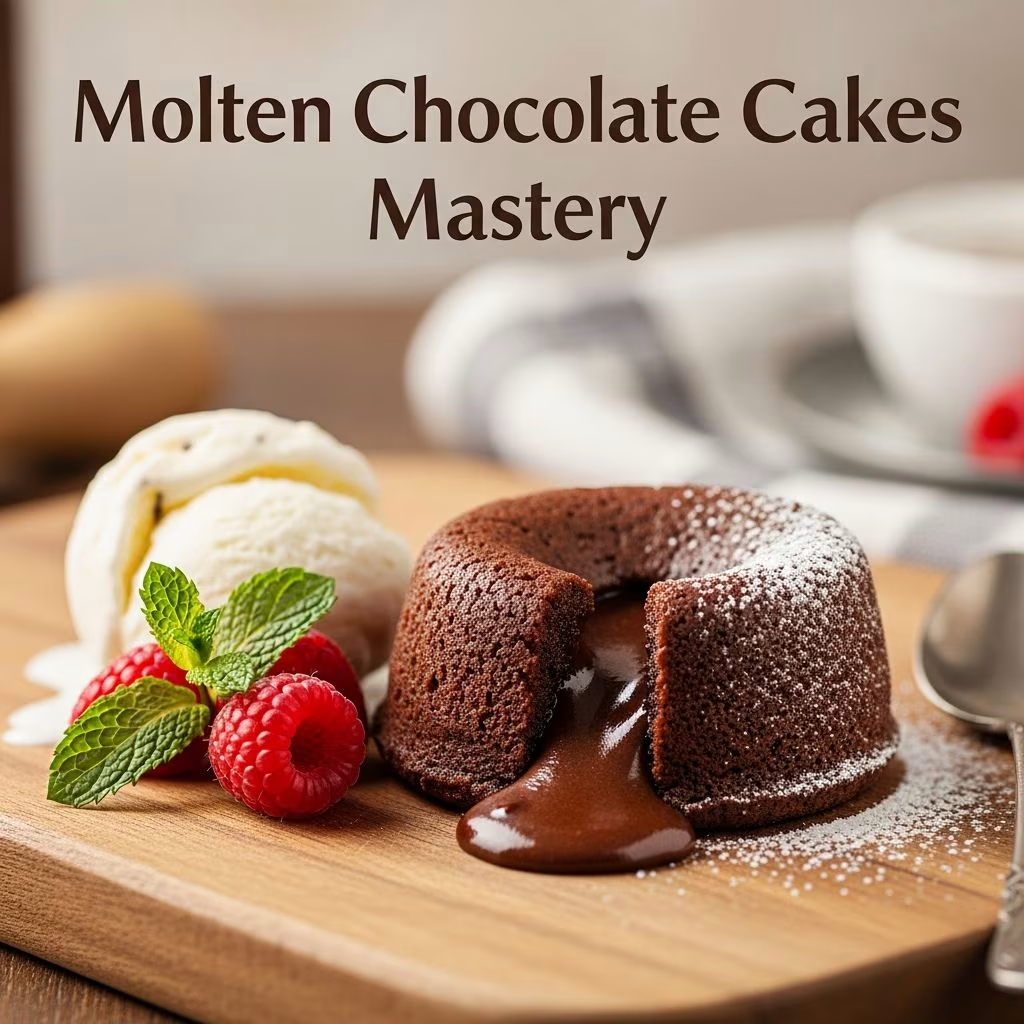
Nothing captivates the dessert world quite like a molten chocolate cake, where the first cut reveals a river of warm, silky ganache. This iconic treat combines the richness of chocolate with a tender cake exterior, making it a staple in fine dining and home kitchens alike. Whether you’re a novice baker or a seasoned pro, perfecting this dessert requires attention to detail in ingredients, technique, and timing.
Understanding the Appeal of Molten Centers
The magic of molten chocolate cakes lies in their duality: a crisp outer crust encasing a liquid core. This contrast comes from underbaking the center just enough to keep the chocolate ganache or batter runny while setting the edges. Originating from a happy kitchen accident in the 1980s, these cakes—often called lava cakes—have evolved into a global favorite. Their versatility allows pairings with ice cream, fruits, or simply dusted with powdered sugar.
Essential Ingredients for Success
High-quality components form the foundation. Start with premium dark chocolate, ideally 60-70% cacao, for balanced bitterness and meltability. Unsalted butter adds creaminess without overpowering saltiness. Use large eggs at room temperature to ensure even emulsification.
- Chocolate: Semi-sweet or bittersweet bars, chopped for even melting.
- Butter: European-style for higher fat content and flakier texture.
- Sugar: Granulated for structure, powdered for dusting.
- Flour: Minimal amount to maintain tenderness; cake flour works best.
- Eggs: Yolks for richness, whites for lift.
Avoid substitutions like milk chocolate, which can make the center too sweet or solidify prematurely.
Step-by-Step Recipe for 6 Individual Cakes
This foolproof method yields 6 ramekin-sized cakes, each with a dramatic molten reveal.
- Preheat Oven: Set to 425°F (220°C). Grease 6 (6-ounce) ramekins with butter and dust with cocoa powder to prevent sticking.
- Melt Chocolate and Butter: In a microwave-safe bowl, combine 8 oz chopped chocolate and 1/2 cup butter. Microwave in 20-second bursts, stirring until smooth. Alternatively, use a double boiler over simmering water.
- Whisk Wet Ingredients: Beat 3 large eggs and 3 yolks with 3/4 cup sugar until pale and tripled in volume, about 5 minutes with an electric mixer.
- Combine: Gently fold chocolate mixture into eggs, then sift in 1/4 cup flour. Mix until just incorporated—overmixing deflates the batter.
- Fill Ramekins: Divide batter evenly. Place on a baking sheet.
- Bake: 12-14 minutes. Edges should set, but centers jiggle slightly. Centers will look underdone.
- Rest and Invert: Cool 1 minute. Run a knife around edges, invert onto plates. Dust with powdered sugar.
Serve immediately for optimal flow. Total time: 30 minutes.
The Science Behind the Perfect Gooey Core
Baking molten cakes is a delicate balance of temperature and time. Chocolate melts at 93-100°F, but ganache sets firmer above 115°F. Short baking ensures the core stays below this threshold. Egg proteins coagulate around 160°F, forming the crust. Factors like ramekin size and oven hotspots affect results—use an oven thermometer for precision.
| Factor | Impact on Core | Tip |
|---|---|---|
| Oven Temperature | Higher = firmer center | 425°F ideal; test your oven |
| Bake Time | Longer = solid middle | Start checking at 12 min |
| Ramekin Material | Metal conducts faster | Porcelain for even heat |
| Chocolate % | Higher cacao = slower set | 60-70% for best flow |
Common Mistakes and How to Avoid Them
Even experts falter—here’s how to sidestep pitfalls.
- No Molten Center: Overbaked. Reduce time by 1 minute next batch; chill batter 30 minutes pre-bake for control.
- Sticking to Ramekin: Insufficient greasing. Use butter + cocoa; tap firmly when inverting.
- Cracked Tops: Uneven oven heat. Rotate halfway; avoid opening door early.
- Grainy Texture: Seized chocolate. Melt slowly, stir constantly.
- Deflated Cake: Overmixed batter. Fold gently with spatula.
Pro tip: Bake one test cake first to calibrate your setup.
Creative Variations to Elevate Your Cakes
Transform the classic with these twists.
Flavor Infusions
Add espresso powder to batter for mocha depth or orange zest for citrus brightness. Infuse ganache with chili for spicy kick or matcha for earthy notes.
Fillings and Toppings
- Nutty: Fold in chopped hazelnuts; top with praline sauce.
- Fruity: Pair with raspberry coulis or macerated strawberries.
- Decadent: Salted caramel core—chill caramel balls, press into batter center.
- Boozy: Grand Marnier soak post-bake.
Size and Style Adaptations
Scale to jumbo muffins for crowds or mini bites for parties. For gluten-free, swap flour with almond meal. Vegan version: aquafaba + coconut oil + dairy-free chocolate.
Pairing and Serving Suggestions
Enhance with vanilla bean ice cream for temperature contrast or whipped cream for lightness. Fresh berries cut richness; a scoop of pistachio gelato adds sophistication. For drinks, robust red wines like Malbec or coffee balance the sweetness. Present on white plates for visual pop.
Storage and Make-Ahead Strategies
Fresh is best, but batter freezes beautifully—portion into ramekins, wrap, and freeze up to 1 month. Bake from frozen, adding 2-3 minutes. Baked cakes refrigerate 2 days; reheat gently in 350°F oven 5 minutes to reliquefy centers. Avoid microwaving to prevent rubbery texture.
Advanced Techniques for Pros
Temper your ganache for shinier cores: melt, cool to 90°F, seed with unmelted chocolate. Use a probe thermometer in one cake to hit exactly 140°F internal for perfection. Experiment with Valrhona or Callebaut chocolates for superior melt profiles. For plated desserts, pipe tempered chocolate cages around the cake.
Frequently Asked Questions
Why did my center solidify?
Typically overbaking or high cacao chocolate. Shorten time and use 60% chocolate next time.
Can I make these ahead?
Yes, freeze unbaked batter up to a month. Bake straight from freezer.
What if I don’t have ramekins?
Use muffin tins; reduce bake time to 10 minutes. Grease well.
Are they safe to eat underbaked?
Yes, no raw flour or leavening; eggs cook sufficiently in short bake.
How to achieve glossy tops?
Brush with simple syrup post-bake or dust with gold leaf for elegance.
Nutrition Snapshot (Per Serving)
| Nutrient | Amount |
|---|---|
| Calories | 420 |
| Fat | 32g |
| Carbs | 28g |
| Protein | 6g |
Indulgent yet portion-controlled. Serves as a special-occasion treat.
References
- Chocolate Science and Technology — Wiley. 2012-05-15. https://www.wiley.com/en-us/Chocolate+Science+and+Technology-p-9781405198060
- Baking Science & Technology — Sosland Publishing. 2018-04-01. https://www.sosland.com/baking-science-technology/
- USDA FoodData Central: Chocolate Composition — United States Department of Agriculture. 2023-10-12. https://fdc.nal.usda.gov/
- On Food and Cooking: The Science and Lore of the Kitchen — Scribner. 2008-10-20. https://www.simonandschuster.com/books/On-Food-and-Cooking/Harold-McGee/9781416556374
- Chocolate Alchemy: Tempering Guide — Chocolate Alchemy. 2024-01-08. https://chocolatealchemy.com/