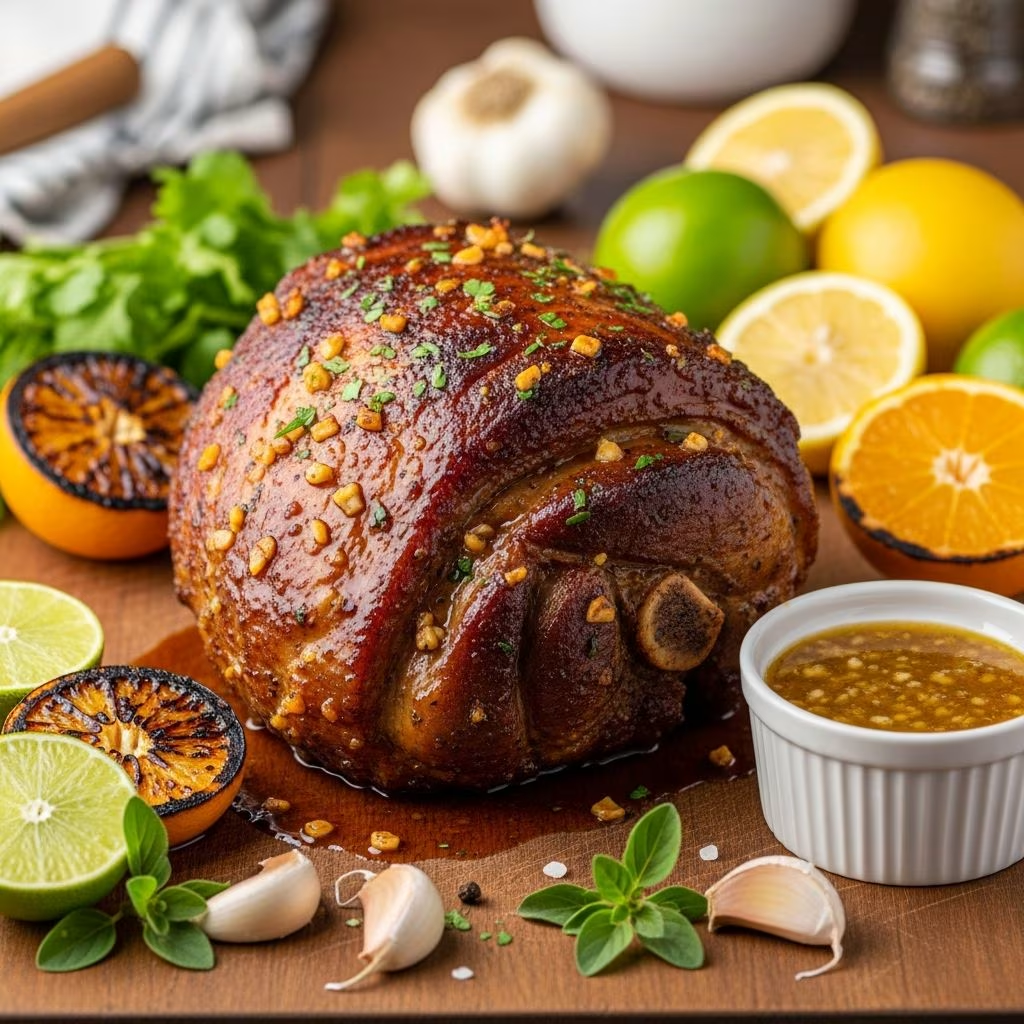
The mojo pork tradition has deep roots in Caribbean cuisine, particularly in Cuban cooking, where the combination of fresh citrus fruits, pungent garlic, and warm spices creates a marinade that transforms simple pork into something extraordinary. This particular preparation uses a harmonious blend of orange juice, lime juice, and garlic to create a bright, tangy coating that penetrates the meat, infusing every bite with complex flavors. Whether you’re planning a casual weeknight dinner or preparing for a special gathering, this method delivers restaurant-quality results with minimal effort.
Understanding the Mojo Marinade Foundation
The heart of any successful mojo pork dish lies in understanding the marinade’s core components and how they work together. The mojo sauce represents a perfect balance of acidic brightness, aromatic depth, and richness that allows the natural flavors of quality pork to shine through. When properly prepared, this marinade doesn’t simply coat the exterior of the meat—it gradually penetrates the protein fibers, tenderizing the pork while infusing it with layers of flavor.
The citrus component serves multiple purposes in the mojo marinade. The natural acids in orange and lime juice break down the muscle proteins, creating a tender texture that would otherwise require much longer cooking times. Additionally, these juices introduce a refreshing brightness that contrasts beautifully with the earthiness of cumin and the subtle sweetness that develops during roasting.
Essential Ingredients and Their Roles
| Ingredient | Quantity Range | Purpose |
|---|---|---|
| Fresh orange juice | ½ to 1 cup | Sweet acidity, tenderizing |
| Fresh lime juice | ¼ to ½ cup | Tangy acidity, flavor depth |
| Extra virgin olive oil | ¼ to ¾ cup | Richness, moisture retention |
| Garlic cloves | 5 to 8 cloves | Aromatic depth, pungency |
| Ground cumin | 1 to 2 teaspoons | Warmth, earthiness |
| Fresh oregano | 2 tablespoons fresh or 1 teaspoon dried | Herbaceous flavor, tradition |
Each ingredient in the mojo marinade serves a specific function beyond just adding flavor. The garlic, whether minced fine or crushed, releases compounds during marinating that develop deeper, more complex flavors over time. Whole crushed garlic cloves actually develop mellower, sweeter notes compared to aggressively minced garlic, making the choice between these preparations meaningful for your final dish.
Selecting and Preparing Your Pork
The success of your mojo pork begins with choosing the right cut of meat. Pork shoulder, also known as pork butt, remains the traditional choice for this preparation due to its higher fat content and connective tissue, which breaks down during cooking to create an incredibly tender, succulent final product. For smaller appetites or quicker cooking times, pork loin or pork tenderloin offers a leaner alternative that still benefits tremendously from the mojo marinade.
Regardless of which cut you select, proper preparation is essential. Pat the pork completely dry with paper towels before marinating—this helps the seasonings adhere better and allows for superior browning during the cooking process. Many cooks recommend scoring the surface of the meat with shallow, parallel cuts. These slits provide additional pathways for the marinade to penetrate deeper into the meat, ensuring even flavor distribution throughout.
Marinating Process and Timeline
The marinating phase represents one of the most critical steps in preparing authentic mojo pork. While the marinade can begin working on the meat almost immediately, optimal flavor development requires time. A minimum of four hours allows the acidic components to begin breaking down proteins and the aromatic elements to permeate the meat. For the deepest, most fully-developed flavor profile, overnight marinating in the refrigerator is strongly recommended.
- Quick marinate: 4 to 6 hours—suitable for weeknight preparations when you plan ahead
- Standard marinate: 8 to 12 hours—provides excellent flavor development and is ideal for overnight marinating
- Extended marinate: Up to 24 hours—maximizes tenderization and flavor intensity without over-acidifying the meat
During marinating, turn the pork several times to ensure even exposure to the marinade. This is especially important for the first few hours when the flavors are most actively penetrating the surface. If using a vacuum-seal bag, this rotation becomes less critical but remains beneficial. Store the marinating pork on a plate or baking dish to catch any drips that may escape from the bag.
Cooking Methods and Temperature Control
Several approaches work well for cooking mojo-marinated pork, each producing slightly different results. The traditional roasting method begins with a high-temperature sear to develop a flavorful crust, followed by lower-temperature cooking to ensure the interior cooks through evenly. This two-temperature approach creates the desirable combination of caramelized exterior and tender, juicy interior.
For pork shoulder, slow-roasting at lower temperatures for extended periods yields the most tender, pull-apart texture. Roasting at 325°F to 350°F for several hours allows the connective tissues to properly break down. Larger cuts may require 3 to 4 hours, depending on weight. Leaner cuts like pork loin or tenderloin require shorter cooking times and higher temperatures to prevent drying out.
Temperature accuracy matters significantly. Using a reliable meat thermometer takes the guesswork out of determining doneness. Pork is safely cooked when it reaches an internal temperature of 145°F, which allows for a slight blush of pink in the center. Cooking to higher temperatures risks drying out the meat, particularly with leaner cuts.
Creating the Perfect Crust and Finishing Touches
Many home cooks overlook the importance of developing a proper crust on their mojo pork. After marinating, remove the pork from the refrigerator and allow it to rest at room temperature for about 30 minutes. Pat the surface dry with paper towels—this step is crucial for achieving browning through the Maillard reaction rather than steaming.
Heat your roasting pan or skillet over medium-high heat with a light coating of oil. Sear the pork on all sides until deeply browned, approximately 2 to 3 minutes per side. This initial browning develops complex flavors through caramelization while also creating a barrier that helps retain moisture during the subsequent cooking phase.
For the ultimate finish, some preparation styles call for increasing the oven temperature to 425°F during the final 10 to 15 minutes of cooking. This burst of high heat crisps the exterior while the interior remains perfectly cooked. Allow the finished pork to rest for at least 5 to 10 minutes before carving—this resting period allows juices to redistribute throughout the meat, preventing them from running onto your cutting board when sliced.
Serving Suggestions and Accompaniments
Mojo pork’s bright, complex flavors pair beautifully with numerous side dishes and serving styles. Traditional Cuban presentations often feature the pork alongside yellow rice, black beans, and crispy fried plantains. These starches absorb the flavorful juices while providing textural contrast.
- Serve thin slices on crusty bread with pickled onions and fresh cilantro for traditional Cuban sandwiches
- Pair with coconut rice and roasted vegetables for a lighter presentation
- Shred the cooked pork for use in tacos, with fresh lime, avocado, and cilantro
- Slice and serve alongside grilled pineapple and black beans for a tropical variation
- Present with simple white rice and steamed vegetables for a more understated approach
Frequently Asked Questions
Can I use bottled citrus juices instead of fresh?
While fresh-squeezed juices provide superior flavor and aroma, bottled juices work in a pinch. However, note that bottled varieties often contain added sugars and preservatives that can affect the final flavor profile. If using bottled juice, reduce any additional sweeteners in the recipe.
What’s the difference between using fresh versus dried oregano?
Fresh oregano provides a brighter, more delicate herbaceous note, while dried oregano offers concentrated flavor and greater intensity. Use about three times more fresh oregano than dried when substituting. Both work well in mojo preparations; the choice depends on availability and personal preference.
How do I know when the pork is properly done?
An instant-read thermometer is your best tool—pork reaches safe doneness at 145°F internal temperature. For shoulder, which benefits from longer cooking, many cooks prefer 190°F to 205°F for complete tenderness. Visual cues like easily piercing meat with a fork also indicate adequate cooking for larger cuts.
Can I marinate the pork for longer than 24 hours?
Extended marinating beyond 24 hours may cause the acidic component to over-process the outer layer of meat, resulting in a mushy texture on the surface while the interior remains properly textured. Twenty-four hours represents the practical maximum for optimal results.
What can I do with leftover mojo marinade?
Reserve a portion of the marinade before adding raw pork to use as a finishing sauce. Alternatively, simmer the used marinade for 10 minutes to pasteurize it, then serve alongside the cooked pork. The concentrated flavors make an excellent dipping sauce or finishing drizzle.
Storage and Make-Ahead Tips
Mojo pork is an excellent candidate for advance preparation. The pork can be marinated up to 24 hours in advance, stored in an airtight container in the refrigerator. Alternatively, fully cooked mojo pork keeps well for 3 to 4 days when properly stored in an airtight container. Reheat gently in a 325°F oven until warmed through, or slice and warm briefly in a skillet with a splash of the reserved marinade.
The pork also freezes exceptionally well, either before or after cooking. Marinated raw pork maintains quality for up to 3 months in the freezer, while cooked pork keeps for up to 4 months. Thaw overnight in the refrigerator before reheating or cooking.
Mastering the Flavors for Your Table
Garlic and citrus mojo pork represents one of those rare dishes that seems simple on the surface yet delivers sophisticated, restaurant-quality results through proper technique and ingredient quality. By understanding how each component functions within the marinade, respecting proper marinating times, and employing careful temperature control during cooking, you’ll consistently produce tender, flavorful pork that brings the vibrant essence of Caribbean cuisine to your table. The preparation rewards thoughtful planning while remaining accessible enough for spontaneous weeknight entertaining.
References
- Citrus and Mojo-Spiced Pork — Honest Cooking. Accessed April 9, 2026. https://honestcooking.com/citrus-and-mojo-spiced-pork/
- Cuban Mojo Pork Tenderloin Recipe — Sugar & Soul. Accessed April 9, 2026. https://www.sugarandsoul.co/cuban-mojo-pork-tenderloin/
- Roasted Cuban Mojo Pork (Lechon Asado) — The Food Charlatan. Accessed April 9, 2026. https://thefoodcharlatan.com/cuban-mojo-marinated-pork-recipe/
- Cuban-Inspired Pulled Pork with Mojo — The Defined Dish. Accessed April 9, 2026. https://thedefineddish.com/cuban-inspired-pulled-pork-with-mojo/
- Cuban Mojo Pork (Slow-Roasted Pork Shoulder) — Girl Carnivore. Accessed April 9, 2026. https://girlcarnivore.com/mojo-pork/