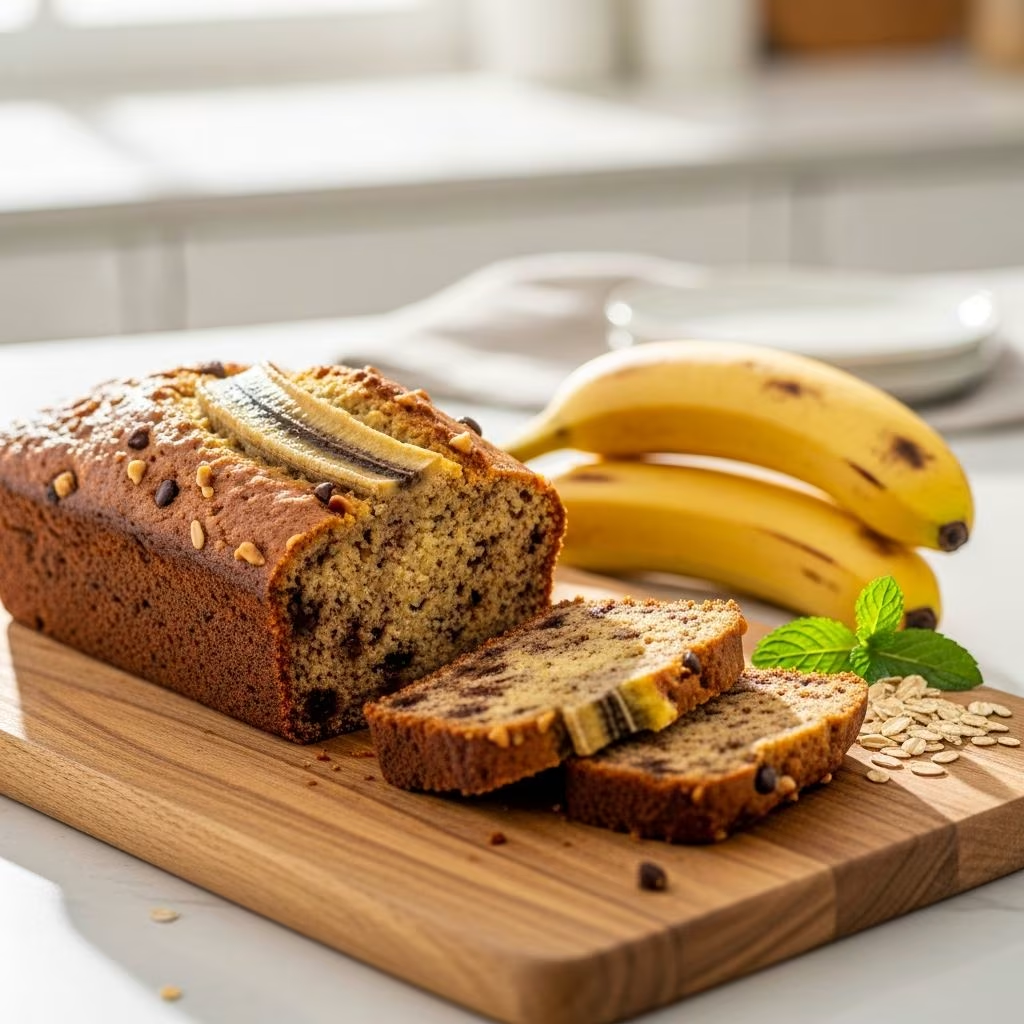
Banana bread remains one of the most beloved homemade treats across cultures, cherished for its comforting flavor and tender crumb. However, traditional recipes often rely heavily on butter, oils, and other fats to achieve moisture and richness. This creates a challenge for those seeking to enjoy this classic dessert while maintaining healthier dietary habits. Fortunately, modern baking techniques have evolved to demonstrate that you can create exceptionally moist and flavorful banana bread while dramatically reducing fat content, without sacrificing the qualities that make this treat so appealing.
The key to successful minimal-fat banana bread lies in understanding how moisture develops in baked goods. Rather than depending exclusively on added fats to create tenderness, savvy bakers can leverage the natural moisture present in ripe bananas to achieve the same desirable texture. This approach transforms banana bread from an indulgent treat into a wholesome option that fits comfortably within various dietary frameworks.
Understanding the Science Behind Minimal-Fat Baking
Traditional banana bread recipes typically incorporate substantial amounts of butter or vegetable oil—often a half cup or more per loaf. These fats serve multiple purposes in baking: they create moisture through emulsification with eggs, they contribute to the bread’s tender crumb structure, and they add richness to the flavor profile. When reducing fat content, bakers must compensate for these functions using alternative approaches.
The most effective strategy involves maximizing the water content derived from the bananas themselves. Properly ripened bananas contain significant moisture that releases when mashed, creating a liquid base that hydrates the flour and leavening agents. This moisture, combined with eggs and other liquid ingredients like yogurt or applesauce, can produce a remarkably tender crumb without requiring excessive added fats.
Additionally, the natural sugars in ripe bananas undergo caramelization during baking, creating depth of flavor that compensates for the reduced fat content. The more yellow and speckled the bananas—indicating higher sugar development—the more effectively they contribute to overall taste and moisture.
Selecting and Preparing Your Bananas
The foundation of exceptional minimal-fat banana bread begins with banana selection. Unlike many baked goods, this recipe benefits from bananas at the peak of ripeness. You should choose bananas that display a predominantly yellow skin with brown speckles throughout, indicating that starches have converted to sugars. These bananas mash more easily and contribute significantly more sweetness and moisture than under-ripe alternatives.
For a single loaf, plan on using approximately four large bananas, which when mashed yield roughly one and three-quarter cups of banana puree. The quantity matters because this ingredient carries dual responsibility: providing moisture and adding natural sweetness, reducing the need for added sugar and fat-based richness.
When mashing bananas, use a fork to break them down thoroughly into a relatively smooth consistency. Some small lumps are acceptable and can add textural interest, but you should aim for a puree rather than chunky pieces. This thorough mashing promotes even distribution throughout the batter and ensures consistent moisture throughout the finished loaf.
Core Ingredients and Strategic Substitutions
Minimal-fat banana bread requires a thoughtful balance of ingredients that work synergistically to replace the traditional fat content:
- Mashed Bananas: Forms the moisture foundation and provides natural sweetening, typically 1.5 to 2 cups per loaf
- Eggs: Whole eggs contribute binding properties, moisture, and richness that helps replace some fat functions
- Flour Blend: Combining all-purpose flour with whole wheat pastry flour adds nutritional value and subtle complexity without creating excessive density
- Leavening Agents: Baking powder and baking soda create the light, airy crumb structure characteristic of quality banana bread
- Natural Sweeteners: Brown sugar contributes moisture and molasses notes that enhance overall flavor
- Complementary Ingredients: Greek yogurt or unsweetened applesauce can replace some or all added oils while maintaining moisture
- Flavor Enhancers: Cinnamon, vanilla extract, and salt intensify the bread’s appeal and compensate for reduced fat
The strategic use of yogurt deserves particular attention in minimal-fat baking. Greek yogurt provides moisture, contributes tangy flavor notes that complement banana’s sweetness, and adds protein to create a more substantial bite. This ingredient allows bakers to reduce or eliminate oil entirely while maintaining the tender crumb structure essential to quality banana bread.
Applesauce serves a similar function, adding moisture and subtle sweetness that reduces the quantity of added sugar needed. Unsweetened varieties work best to maintain control over the bread’s final flavor profile and sweetness level.
Building Flavor in a Low-Fat Framework
One common misconception about minimal-fat baking is that flavor necessarily suffers. In reality, reduced fat can actually allow subtle flavor notes to emerge more prominently. When not masked by excessive richness, the natural vanilla, caramel, and fruity notes of ripe bananas become more apparent and appreciated.
Cinnamon acts as a flavor amplifier in minimal-fat banana bread, adding warmth and complexity that prevents the bread from tasting austere or diet-oriented. A full teaspoon distributed throughout the batter significantly enhances perceived sweetness without adding calories. Vanilla extract contributes additional depth and rounds out the flavor profile beautifully.
Salt deserves recognition as a crucial ingredient, not merely for preservation but for flavor development. Approximately half to three-quarter teaspoon of salt enhances the bread’s overall taste complexity and balances sweetness. This small amount significantly improves the eating experience without creating perceptible saltiness.
For those seeking additional flavor dimensions, optional ingredients like chopped walnuts or pecans introduce healthy fats from nuts, which research indicates contain beneficial compounds despite their caloric density. Nuts contribute satisfying texture contrast and rich flavor without requiring the addition of extracted oils.
Step-by-Step Preparation and Baking Process
Successful minimal-fat banana bread depends on precise execution of preparation steps. Begin by preheating your oven to 350 degrees Fahrenheit and preparing a standard 9-by-5-inch loaf pan. Greasing the pan thoroughly with cooking spray or a minimal amount of oil prevents sticking and ensures easy removal after baking.
In a large mixing bowl, combine your mashed bananas with whole eggs, mixing until thoroughly incorporated. This combines the moisture source with the binding and enriching properties of eggs, creating a cohesive base for remaining ingredients.
In a separate bowl, whisk together all dry ingredients: flour, whole wheat pastry flour, baking powder, baking soda, salt, and cinnamon. This separate mixing prevents overmixing when combining wet and dry components—a critical step that prevents developing excessive gluten, which would create a tough, dense crumb.
Gently fold the dry ingredients into the banana mixture using a spatula, stirring just until combined. This minimal mixing approach preserves the light, tender texture by avoiding gluten development. Small streaks of dry ingredients are preferable to overworking the batter.
Pour the batter into your prepared pan and smooth the top gently. Bake for 35 to 45 minutes, depending on your specific oven characteristics, until a toothpick inserted into the center comes out clean or with just a few moist crumbs. Overbaking will create excessive dryness and should be avoided.
Allow the bread to cool in the pan for approximately 10 minutes before inverting onto a wire cooling rack. This resting period permits the structure to set enough for safe handling while still being warm enough to release cleanly from the pan. Complete cooling before slicing ensures cleaner cuts and better texture.
Nutritional Benefits and Dietary Considerations
Minimal-fat banana bread offers significant nutritional advantages over traditional versions. A single slice typically contains between 100 and 150 calories, with fat content reduced to 2 to 4 grams per serving compared to 8 to 12 grams in conventional recipes. Despite this reduction, the bread maintains satisfying texture and genuine flavor that prevents the perception of deprivation.
The carbohydrate content remains moderate when using brown sugar judiciously, typically ranging from 19 to 22 grams per slice. For those monitoring sugar intake, this represents a reasonable treat that fits within various nutritional approaches. The fiber content from whole wheat flour, when incorporated, provides additional nutritional benefits and aids digestive health.
Protein content, derived primarily from eggs and optional yogurt, typically reaches 1.5 to 2 grams per slice. While not substantial, this contribution helps create satiety and prevents the blood sugar spikes associated with carbohydrate-heavy foods.
The use of whole eggs rather than egg whites preserves beneficial compounds like choline and lutein found in yolks, supporting cognitive and ocular health. This approach maintains nutritional completeness while still reducing overall fat content through strategic ingredient choices elsewhere in the recipe.
Storage, Preservation, and Serving Suggestions
Properly stored minimal-fat banana bread maintains quality for several days. Wrapped tightly in plastic wrap or stored in an airtight container, the bread remains fresh for three to four days at room temperature. The natural moisture content supports retention of texture during this period better than you might expect.
For extended storage, freezing preserves the bread excellently for up to three months. Wrap individual slices or the entire loaf in plastic wrap, then place in a freezer-safe container or bag. Thawing at room temperature for several hours restores the bread to near-fresh quality.
Serving minimal-fat banana bread requires no accompaniments beyond perhaps a cup of coffee or tea. However, for occasional special occasions, a modest dollop of Greek yogurt provides creaminess reminiscent of frosting without adding excessive fat. Fresh berries create a colorful, nutritious presentation when the bread is used as a component of a breakfast plate.
Common Questions About Minimal-Fat Banana Bread
Can I achieve the same texture without any added oil?
Yes, absolutely. The combination of mashed bananas, eggs, and yogurt provides sufficient moisture and binding properties. Some recipes omit added oil entirely, relying exclusively on these ingredients. The resulting bread may be slightly more cake-like in texture but remains perfectly acceptable and even preferable to many bakers.
What happens if my bananas aren’t quite ripe enough?
Under-ripe bananas contain less water and fewer developed sugars, potentially resulting in drier bread and less natural sweetness. If using less-ripe bananas, consider adding an extra tablespoon or two of yogurt or applesauce to compensate for the moisture deficit. You may also need to increase sweetener slightly to achieve desired flavor.
Can I substitute the whole wheat flour with regular flour entirely?
Yes, all-purpose flour works perfectly. However, the combination with whole wheat pastry flour adds subtle nutritional benefits and creates interesting flavor complexity. Whole wheat pastry flour, milled from softer wheat varieties, prevents the density that standard whole wheat flour might introduce.
How do I know when the bread is fully baked?
The toothpick test provides reliable guidance: insert a wooden toothpick into the center of the loaf. It should come out clean or with only a few moist crumbs—not wet batter. The bread’s edges should also pull slightly away from the pan sides, and the top should be golden brown without appearing pale.
Is minimal-fat banana bread suitable for specific dietary approaches?
This bread accommodates various dietary needs effectively. Weight Watchers participants often count it favorably due to low points values. Those tracking macronutrients for fitness purposes appreciate the reasonable calorie and macronutrient balance. Individuals following heart-healthy guidelines benefit from the reduced saturated fat content.
Variations and Creative Adaptations
The minimal-fat banana bread framework accommodates numerous creative variations. Chopped dark chocolate chips create a more indulgent version while remaining relatively moderate in fat content. Walnuts or pecans add textural contrast and contribute healthy unsaturated fats.
Spice enthusiasts might incorporate additional cinnamon, nutmeg, or cardamom for warming flavor complexity. Some bakers add a tablespoon of molasses for deeper, more complex sweetness reminiscent of traditional spice cake.
For tropical variations, small amounts of coconut extract or fresh grated ginger create interesting flavor dimensions. Lemon zest adds brightness that complements banana’s richness beautifully, creating a sophisticated dessert appropriate for various occasions.
Conclusion: Redefining Indulgence Through Thoughtful Baking
Minimal-fat banana bread demonstrates that wholesome eating need not mean sacrificing beloved treats. Through understanding baking science, selecting quality ingredients, and employing thoughtful preparation techniques, bakers can create exceptionally satisfying bread that aligns with health-conscious choices. This approach transforms baking from an indulgence-versus-health dichotomy into a balanced expression of culinary skill and nutritional awareness. Whether for personal enjoyment or sharing with family and friends, minimal-fat banana bread delivers genuine satisfaction wrapped in virtue—a combination increasingly sought in contemporary home baking.
References
- Whole Wheat in Baking: Functionality and Products — American Association of Cereal Chemists International. 2020. https://www.aaccnet.org
- Egg Composition and Functionality in Food Systems — United States Department of Agriculture Food and Nutrition Service. 2023. https://www.usda.gov
- Reduction of Fat in Baked Goods: Ingredient Substitution Strategies — Journal of Food Science and Technology, Springer Publishing. 2022. https://link.springer.com
- Banana: Post-Harvest Operations — Food and Agriculture Organization of the United Nations. 2019. https://www.fao.org
- Moisture Transfer and Texture Development in Quick Breads — Institute of Food Technologists. 2021. https://www.ift.org