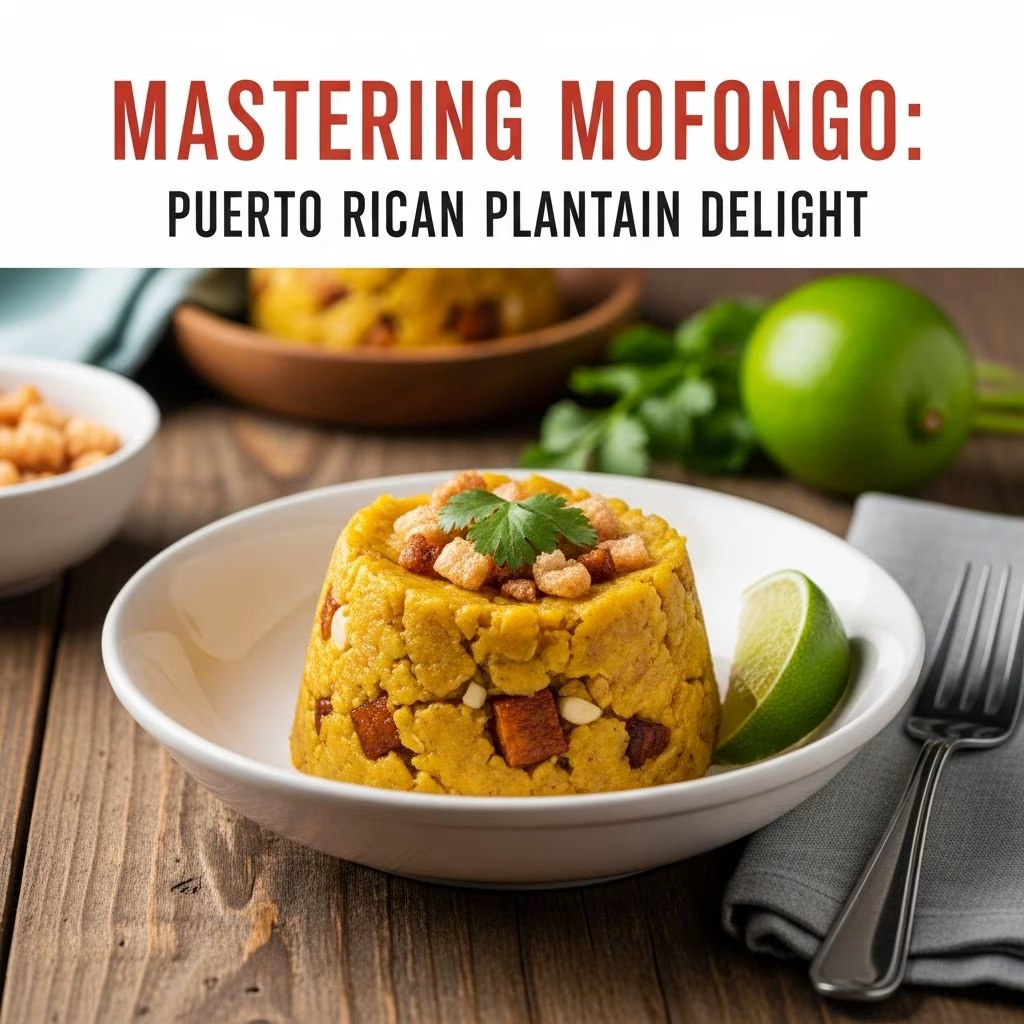
Mofongo stands as a cornerstone of Puerto Rican cuisine, a hearty dish crafted from green plantains mashed with savory elements like crispy pork rinds, garlic, and oil. This versatile staple captures the island’s vibrant flavors, often paired with stews or seafood for a complete meal.
The Cultural Journey of Mofongo
Tracing its origins reveals a profound story of resilience and fusion. Mofongo draws direct inspiration from fufu, a West African staple where starchy roots like yams or plantains are boiled and pounded into a dough-like ball, typically enjoyed with rich soups. Enslaved Africans brought this tradition to the Caribbean, adapting it with local ingredients and techniques. In Puerto Rico, green plantains replaced boiled starches, fried or roasted for added texture and taste, transforming fufu into the mofongo we savor today.
This evolution highlights Caribbean culinary ingenuity. While Puerto Rican mofongo favors deep-frying for crispiness, Dominican counterparts historically roasted plantains in hot ashes, preserving a smokier profile closer to ancient methods. Over time, these variations spread across the region, influencing menus from street vendors to fine dining spots.
Essential Ingredients for Authentic Mofongo
At its core, mofongo relies on a few key components, each contributing distinct layers of flavor and texture.
- Green Plantains: Unripe plantains are non-negotiable; their starchy firmness mashes perfectly without turning mushy, unlike ripe bananas.
- Chicharrones or Pork Rinds: Crispy fried pork skin adds crunch and umami, a nod to Spanish influences blended with African roots.
- Garlic: Freshly mashed cloves infuse aromatic depth, often combined with oil or broth for a pungent paste.
- Oil or Butter: Vegetable, olive, or even bacon fat binds the mixture, ensuring smoothness.
- Seasonings: Salt, adobo, or recaito (a herb blend) elevate the simple base.
Optional add-ins like bacon or shrimp expand possibilities, but purity shines in traditional forms.
Step-by-Step: Classic Fried Puerto Rican Mofongo
Preparing fried mofongo demands precision to achieve the ideal balance of crispy exterior and creamy interior. This method yields 4 servings and takes about 45 minutes.
- Prep Plantains: Peel 4 green plantains and slice into ¾-inch rounds. Soak in salted water for 15 minutes to remove excess starch.
- Fry Plantains: Heat 1 cup vegetable oil to 350°F. Fry slices in batches for 4-5 minutes until golden, then drain on paper towels. Smash lightly for twice-fried texture.
- Make Garlic Paste: Mash 4 garlic cloves with salt and 2 tablespoons oil into a paste.
- Mix with Chicharrones: In a mortar or bowl, combine 1 pound minced pork rinds, garlic paste, and fried plantains. Mash vigorously until cohesive.
- Shape and Serve: Form into balls or cups, drizzle with oil, and pair with broth or stew.
For authenticity, use a pilón (wooden mortar) to pound ingredients, releasing flavors fully.
Baked Mofongo: A Healthier Alternative
Not all mofongo requires deep-frying. Baked versions offer crispiness with less oil, ideal for lighter meals. Preheat oven to 400°F, slice plantains, toss in oil and seasonings, then bake for 25-30 minutes, flipping halfway. Mash as usual with garlic and chicharrones. This approach maintains tradition while cutting fat content significantly.
| Method | Oil Used | Cook Time | Texture |
|---|---|---|---|
| Fried | High (1+ cups) | 10-15 min frying | Ultra-crispy |
| Baked | Low (2-3 tbsp) | 25-30 min | Crispy, lighter |
| Boiled then Pan-Fried | Medium | 20-25 min total | Tender-crisp |
Regional Twists: Dominican and Beyond
Dominican mofongo diverges with roasted plantains, unpeeled and buried in embers for a charred essence, mashed simply with garlic and salt. Modern takes include trifongo, blending green plantains, ripe ones, and yuca for varied sweetness and chew.
In broader Caribbean contexts, adaptations abound: Haitian versions incorporate breadfruit, while Cuban influences add sofrito. Each reflects local availability and history.
Irresistible Toppings and Pairings
Mofongo’s true magic unfolds with accompaniments. Stews transform it into a main course.
Shrimp Creole (Camarones a la Criolla)
Sauté peeled shrimp with onions, garlic, tomatoes, bell peppers, cumin, and broth. Simmer 5-7 minutes for a vibrant sauce. Spoon over mofongo balls for seafood luxury.
Beef or Chicken Broth
Simmer bones, onions, garlic, herbs, and cilantro for an hour, strain, and serve as a dipping pool.
Garlic Sauce
Blend fried garlic, oil, and broth for a drizzling essential.
- Vegetarian Option: Substitute chicharrones with fried tofu or mushrooms.
- Meat Lovers: Stuff with stewed pork or chicken.
Pro Tips for Mofongo Perfection
- Select very green plantains; yellow ones sweeten undesirably.
- Twice-fry for superior crunch: initial fry softens, second crisps.
- Warm servings prevent hardening; reheat in oven, not microwave.
- Experiment with adobo or sazón for Puerto Rican flair.
Nutritional Profile and Dietary Adaptations
One serving (1 cup) offers roughly 400 calories, high in potassium from plantains, protein from pork, and healthy fats. Adapt for vegan diets by omitting chicharrones and using olive oil. Boiling before frying reduces oil absorption.
Common Mistakes to Avoid
- Overripe plantains lead to gummy texture.
- Insufficient mashing results in uneven consistency.
- Skipping garlic compromises flavor backbone.
FAQ
What is the origin of mofongo?
Mofongo evolved from West African fufu, adapted by enslaved Africans in Puerto Rico using fried green plantains.
Can I make mofongo without pork?
Yes, replace chicharrones with bacon alternatives, tofu, or extra garlic for vegan versions.
How do I peel green plantains easily?
Cut ends, score skin lengthwise, soak in warm salted water to loosen, then peel.
What’s the difference between mofongo and tostones?
Tostones are smashed and refried plantain slices served flat; mofongo is mashed into balls with mix-ins.
Is mofongo gluten-free?
Traditionally yes, as it uses naturally gluten-free plantains and pork.
Exploring Mofongo in Modern Kitchens
From food trucks to gourmet restaurants, mofongo’s popularity surges globally. Home cooks experiment with air-fryers for oil-free crisping or fusion toppings like lobster. Its simplicity belies profound taste, making it accessible yet endlessly customizable. Whether fried classic or baked innovation, mofongo embodies Caribbean soul on every plate.
Preserving this heritage means honoring its African roots while innovating forward. Next time you crave comfort food, reach for green plantains and channel Puerto Rico’s vibrant spirit.
References
- Two Ways to Make Mofongo – Loisa — Loisa. Accessed 2026. https://loisa.com/blogs/comida-real/mofongo-2-ways-fried-and-baked
- Mofongo Recipe: Garlicky Fried Plantains and Pork — Dominican Cooking. Accessed 2026. https://www.dominicancooking.com/mofongo-recipe
- Mofongo with Garlic Sauce (Puerto Rican Plantains) — Steph Gaudreau. Accessed 2026. https://www.stephgaudreau.com/mofongo-garlic-sauce/
- Mofongo Recipe – Immaculate Bites — African Bites. Accessed 2026. https://www.africanbites.com/mofongoshrimp/
- Puerto Rican Mofongo with Camarones ‘a la Criolla’ | Authentic Recipe — YouTube. Accessed 2026. https://www.youtube.com/watch?v=HG01TvqFC4Y