Mochi cake represents one of the most adaptable desserts in modern baking, offering bakers and home cooks an exceptional opportunity to express creativity while maintaining the dessert’s signature chewy, bouncy texture. This Japanese-inspired treat, which has gained tremendous popularity across various culinary traditions, serves as an ideal foundation for flavor experimentation. Whether you prefer fruity profiles, rich chocolate notes, or exotic botanical infusions, mochi cake adapts beautifully to accommodate your preferences and dietary requirements.
Understanding the Mochi Cake Foundation
Before diving into flavor customization, it’s essential to understand what makes mochi cake such a versatile canvas. The base typically consists of mochi flour (also called sweet rice flour), which creates that distinctive tender crumb and chewy texture that defines the dessert. This foundation remains relatively consistent across variations, which means the bulk of your creativity can focus on layering flavors through mix-ins, toppings, and complementary sauces.
The beauty of mochi cake lies in its neutrality—the subtle sweetness of the mochi base doesn’t overpower added flavors but rather enhances them. This characteristic makes it possible to incorporate everything from delicate floral notes to bold, assertive tastes without overwhelming the palate.
Fruit-Forward Variations That Shine
Incorporating fresh and dried fruits into mochi cake creates sophisticated flavor experiences that feel both indulgent and refreshing. The natural moisture content in fruits adds an additional textural dimension while infusing the cake with authentic taste.
Stone Fruits and Berries
Stone fruits like peaches, plums, and nectarines work particularly well when layered beneath or swirled into the mochi batter. The tartness of these fruits balances the cake’s inherent sweetness while their natural juices create subtle flavor pockets throughout. Slicing these fruits thinly and arranging them decoratively on the pan bottom before pouring batter transforms an ordinary cake into an impressive presentation piece. When the finished cake inverts, these fruits become a golden, caramelized crown.
Berries—whether fresh strawberries, raspberries, or blueberries—offer a different approach. Rather than creating a structured layer, berries distribute throughout the batter, creating flavor bursts in each bite. The anthocyanins in darker berries can subtly tint the cake while adding antioxidants and sophisticated fruit notes.
Tropical and Exotic Fruits
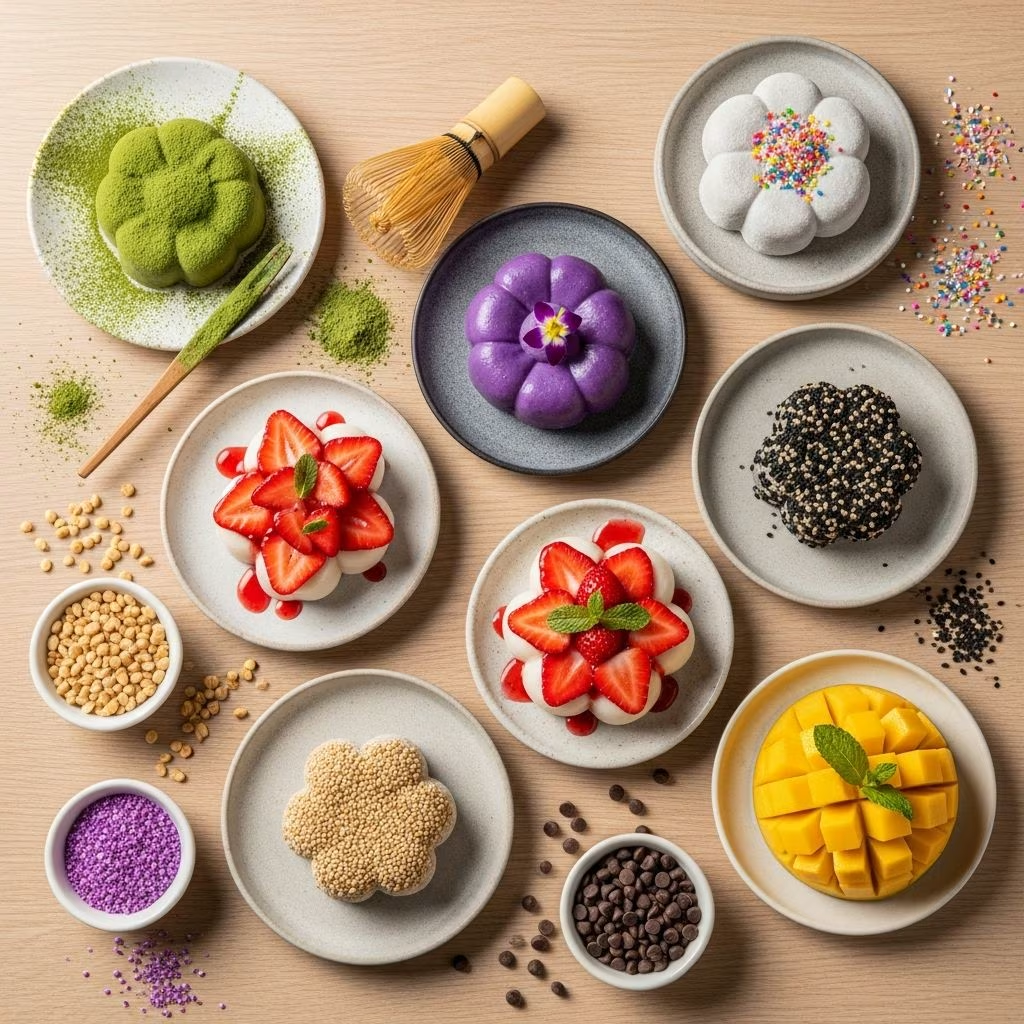
Mango brings vibrant color and sunny flavor profiles to mochi cake, particularly when using mango puree or fresh mango chunks mixed directly into the batter. The fruit’s natural sweetness requires reducing added sugar slightly to prevent excessive sweetness. Pineapple offers bright acidity that cuts through richness—fresh pineapple chunks work wonderfully, though canned pineapple should be drained thoroughly to prevent excess moisture from affecting texture.
Coconut milk appears frequently in innovative mochi cake recipes, complementing tropical fruits while creating a luxurious mouthfeel. Combining coconut milk with mango or pineapple creates authentically tropical flavor profiles reminiscent of Southeast Asian dessert traditions.
Chocolate and Rich Flavor Profiles
For those seeking decadent experiences, chocolate-based mochi cakes deliver satisfying indulgence while maintaining the dessert’s characteristic texture. Cocoa powder can be folded into the dry ingredients, creating chocolate-flavored throughout, or reserved for a concentrated layer. High-quality chocolate chips stirred into the batter create distinct pockets of melted chocolate that provide textural contrast.
Dark chocolate variations appeal to sophisticated palates, offering complexity that prevents the cake from becoming cloying. Milk chocolate provides a sweeter, more approachable option for those preferring milder chocolate notes. White chocolate, though technically not chocolate, adds creamy richness and pairs beautifully with fruit additions or coffee flavors.
Combining chocolate with complementary flavors elevates the experience further. Chocolate-banana mochi combines cocoa with ripe bananas, creating a naturally sweet combination reminiscent of beloved chocolate-banana desserts. Adding espresso powder or strongly brewed coffee intensifies chocolate notes, creating sophisticated café-inspired variations.
Botanical and Earthy Infusions
Green tea, particularly matcha, introduces earthy, subtly bitter notes that provide sophisticated complexity. Matcha powder whisked into the wet ingredients creates a pale green cake with distinctive umami undertones. This variation benefits from minimal additional sweetening and pairs exceptionally well with bright fruit accompaniments like pineapple curd swirls or fresh berries.
Oolong tea offers another botanical direction, providing warm, slightly fruity notes different from matcha’s grassiness. Steeping oolong in hot milk before incorporating it into the batter extracts maximum flavor while maintaining proper moisture balance. This variation particularly complements vanilla cream fillings or light fruit toppings.
Ube—the purple yam popular in Filipino desserts—creates visually striking cakes with subtle, earthy sweetness. Ube puree stirred into the moist ingredients produces naturally purple-hued cakes without artificial coloring. This ingredient pairs beautifully with coconut milk, creating desserts that feel both exotic and comforting.
Enhancing with Spices and Aromatics
Strategic spice additions introduce warmth and complexity without requiring additional base ingredients. Cinnamon, nutmeg, and ginger create autumn-inspired variations reminiscent of traditional baked goods. These warm spices work beautifully in combination with fruit additions, particularly apples, pears, or dried cranberries.
Cardamom introduces floral, slightly citrusy notes associated with Indian and Scandinavian baking traditions. A small quantity—typically one-quarter to one-half teaspoon—suffices to create noticeable flavor impact. Vanilla extract, while sometimes overlooked, significantly enhances overall flavor complexity and rounds out sharper notes.
Almond extract creates marzipan-like undertones particularly appealing when combined with chocolate or cherry flavors. Coconut extract amplifies tropical variations, intensifying coconut flavor without requiring additional coconut milk that might affect cake texture.
Dietary Adaptations and Substitutions
Mochi cake accommodates various dietary requirements without sacrificing texture or taste. Dairy-free versions substitute plant-based butter or oil for traditional butter, maintaining the cake’s moistness. Margarine or coconut oil work effectively, though coconut oil may introduce subtle coconut notes affecting flavor profiles.
Creating gluten-free mochi cake simply requires starting with mochi flour, which naturally contains no gluten. This characteristic makes mochi cake inherently appealing for those managing celiac disease or gluten sensitivity. The dessert’s naturally gluten-free status means it becomes an excellent addition to mixed platters serving diverse dietary needs.
For reduced-sugar versions, incorporating naturally sweet fruits like ripe bananas, dates, or applesauces decreases required added sugar. These ingredients contribute moisture while providing sweetness, though adjustments to liquid ratios become necessary to maintain proper consistency.
Texture Modifications and Layering Techniques
Beyond flavor variations, texture modifications expand creative possibilities. Adding crispy elements like toasted nuts, granola, or sesame seeds to cake tops provides delightful contrast against the mochi’s characteristic chewiness. Crushed pistachios, candied ginger, or toasted coconut flakes each introduce distinct flavor and textural dimensions.
Layering techniques create sophisticated presentations and flavor complexity. Creating two distinct batter colors before swirling creates visual drama—matcha paired with chocolate creates striking color contrast while offering complementary flavors. Fruit purees can be swirled through vanilla or neutral-flavored batters, creating artistic patterns while concentrating fruit flavor in specific areas.
Glazes and finishes applied after baking introduce additional flavor dimensions without affecting cake texture. Light powdered sugar dustings, fruit coulis drizzles, or simple glazes add finishing touches. Whipped cream dollops or scoops of complementary ice cream transform individual servings into complete dessert experiences.
Serving Suggestions and Pairing Ideas
Mochi cake’s versatility extends to serving contexts and accompaniments. Serving slightly warm—after cooling for 15 minutes to allow proper setting—highlights the cake’s chewy texture and allows flavors to develop fully. Vanilla ice cream provides classic accompaniment, though adventurous pairings might include matcha ice cream with chocolate-flavored mochi or coconut ice cream with tropical fruit variations.
Seasonal considerations guide flavor selections and serving approaches. Spring variations might emphasize fresh strawberries and floral notes. Summer celebrations call for tropical fruits and refreshing citrus elements. Autumn gatherings benefit from warm spices and dried fruit additions. Winter variations incorporate rich chocolate, warming spices, or comforting flavors reminiscent of holiday desserts.
Scaling and Storage Considerations
Mochi cake recipes scale effectively for various gathering sizes. Doubling recipes requires slightly extended baking times—typically adding 10-15 minutes—and larger baking dishes to maintain appropriate thickness. A 12-by-16-inch baking dish accommodates doubled recipes effectively, with baking times extending to 50-60 minutes.
Proper storage maintains mochi cake quality for several days. Covering leftover cake prevents it from drying while containing its distinctive aroma. Room temperature storage works for up to two days, while refrigeration extends shelf life to four days. Mochi cake freezes successfully for up to one month, though thawing should occur gradually at room temperature to prevent moisture loss.
Frequently Asked Questions About Mochi Cake Customization
Can I use frozen fruits in mochi cake?
Frozen fruits work effectively but require thawing and draining before use to prevent excess moisture from affecting cake consistency. Thawed berries maintain their flavor while potentially losing some structural integrity, which matters less for mixed-in applications than for layered presentations.
How do I prevent my mochi cake from becoming too dense?
Proper mixing technique prevents overdevelopment of gluten-like structures. Folding ingredients gently rather than vigorous stirring maintains airiness. Ensuring all ingredients reach room temperature before combining facilitates even incorporation without excessive manipulation.
What’s the best way to incorporate liquid flavorings like extracts?
Adding extracts during the wet ingredient combination stage ensures even distribution. Whole batches typically use between one-half and one teaspoon total, as excessive extract becomes overpowering. Flavoring intensity should build subtly rather than dominating the palate.
Can I make mochi cake entirely dairy-free?
Absolutely. Substitute plant-based butter for traditional butter, and use non-dairy milk in recipes calling for regular milk. Coconut milk creates particularly flavorful results, though almond, oat, or soy milk work effectively as well.
How do I know when my mochi cake is properly baked?
Look for slight browning around edges and a set but still-bouncy center. A toothpick inserted into the cake’s center should emerge clean or with minimal moist crumbs. Slightly underbaking creates chewier results, while overbaking produces drier cake.
References
- Upside Down Peach Mochi Cake Recipe — Little Fat Boy. Accessed April 2026. https://littlefatboy.com/recipes/upside-peach-mochi-cake
- Ultimate List of Mochi Cake (Nian Gao) Flavor Variations — All Purpose Veggies. Accessed April 2026. https://allpurposeveggies.com/26001/mochi-cake-nian-gao-variations/
- Matcha Mochi Cake with Pineapple Swirl Recipe — Chef Nicco. Accessed April 2026. https://www.youtube.com/watch?v=kYjH8hjJTEE
- Top 5 Butter Mochi Flavors to Try in 2025 — Keola Seats. April 2025. https://www.keolaseats.com/blogs/news/top-5-butter-mochi-flavors-to-try-in-2025
- Butter Mochi Cake Recipe — Eat, Little Bird. Accessed April 2026. https://eatlittlebird.com/butter-mochi-cake/