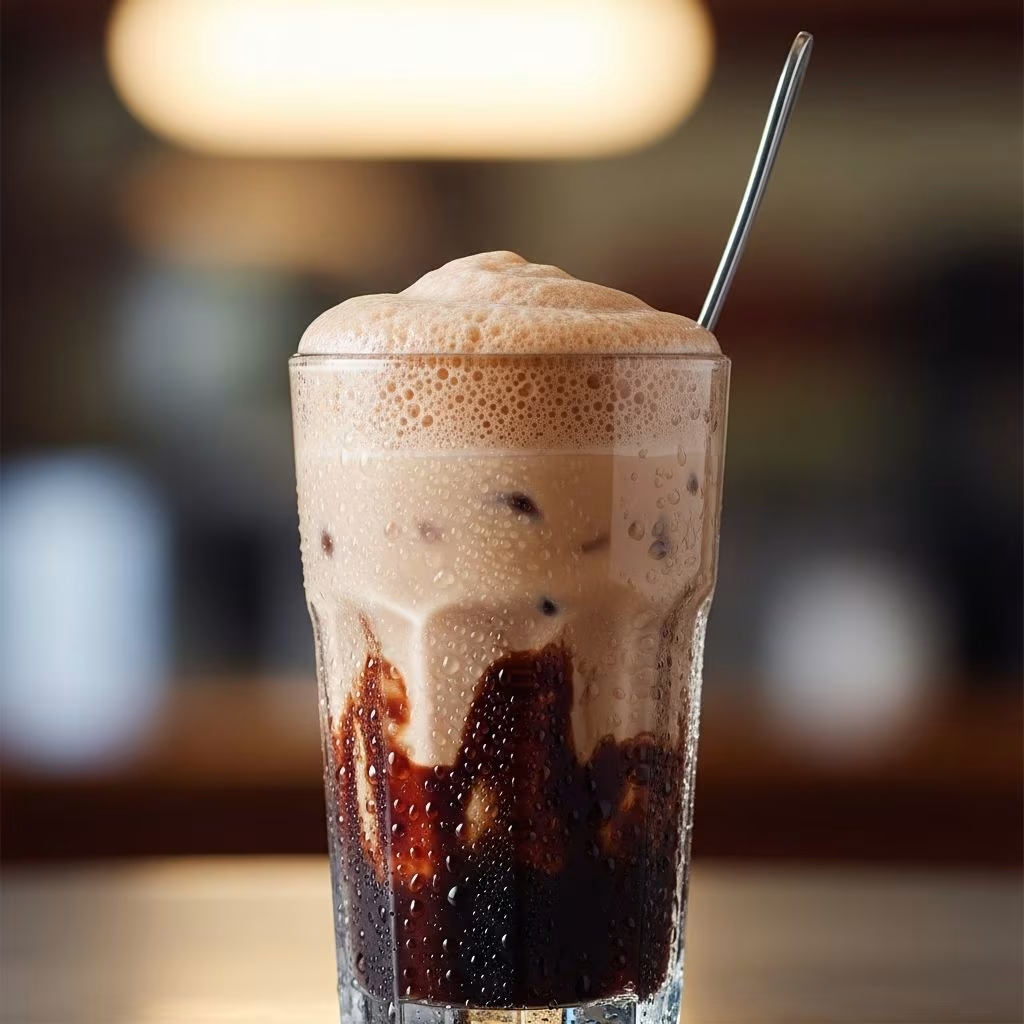
The mocha egg cream represents a delightful intersection of café culture and nostalgic American soda fountain tradition. Despite its name, this beverage contains neither eggs nor cream in the traditional sense—instead, it’s a sophisticated drink that layers chocolate syrup, coffee, milk, and carbonated water to create a beverage with rich flavor and distinctive frothy texture. This classic concoction has maintained its popularity across generations, offering both simplicity for casual preparation and depth for those seeking to master the technique.
Understanding the Mocha Egg Cream Heritage
The egg cream emerged as a beloved fixture in American soda fountains, with documented origins tracing back to Jewish immigrant communities in New York City during the late 1800s. The mocha variation represents a natural evolution of this classic, introducing coffee elements to complement the traditional chocolate base. This adaptation reflects how beverages develop within culinary traditions, incorporating local preferences and ingredient availability to create new interpretations of established drinks.
The name itself has sparked considerable curiosity among beverage enthusiasts. Rather than containing eggs or cream in their conventional forms, the egg cream’s characteristic frothy head—created through the interaction of milk and carbonated water—resembles the appearance of a cream-topped beverage. The “egg” component of the name remains a matter of culinary folklore, adding to the drink’s mystique and charm.
Essential Components for Mocha Egg Cream Preparation
Core Ingredients
Creating an authentic mocha egg cream requires attention to ingredient selection. The foundation begins with chocolate syrup, which provides the primary flavor base and contributes to the drink’s visual appeal. Quality matters significantly here—premium chocolate syrups like Fox’s U-Bet deliver superior taste profiles compared to generic alternatives, though other commercial options including Hershey’s or Nesquik can serve as substitutes.
The coffee component introduces depth and complexity to the beverage. Options range from strongly brewed espresso to instant coffee granules dissolved in hot water, depending on your preparation method and available equipment. The coffee intensity should complement rather than overpower the chocolate notes, creating a balanced flavor experience.
Whole milk contributes essential texture and body to the drink. The fat content in whole milk interacts with carbonated water to create the characteristic foam that defines the egg cream experience. Using properly chilled milk ensures optimal texture development and prevents premature melting of ice during preparation.
Seltzer water or club soda provides the carbonation necessary for creating the drink’s signature effervescence and foam. The carbonation level influences both mouthfeel and visual presentation, with well-chilled seltzer producing superior results.
Optional Enhancement Elements
- Cacao bitters for added complexity and depth
- Coffee liqueur or rum for an adult variation
- Cocoa powder for garnish and visual appeal
- Whipped cream for an indulgent topping
- Shaved chocolate for textural contrast
Step-by-Step Preparation Techniques
Initial Setup and Glassware Selection
Begin by selecting appropriate glassware—a 12-ounce glass works well for standard servings. Chill the glass thoroughly before preparation; this simple step significantly impacts the final product’s quality by maintaining the beverage’s temperature and preserving carbonation. Cold glassware prevents the carbonated water from losing effervescence when combined with room-temperature ingredients.
Building Flavor Layers
Add chocolate syrup to the base of your chilled glass. The quantity typically ranges from 2 tablespoons, though personal preferences may warrant adjustment. Follow with your prepared coffee element—whether strongly brewed espresso or concentrated coffee solution—allowing approximately 1 tablespoon to ½ ounce depending on desired coffee intensity.
Next, introduce whole milk to the chocolate-coffee mixture. Approximately 3 tablespoons of cold milk creates the proper ratio for a balanced beverage. At this stage, incorporate vigorous stirring using a whisk or frother. This mechanical action begins breaking down the syrup, distributing flavors evenly, and initiating the milk-syrup emulsion that contributes to the drink’s signature body.
Carbonation Integration
The carbonation step requires particular attention to technique. Rather than simply pouring seltzer into the mixture, position the glass at a slight angle and pour the seltzer slowly down the inside surface. This method preserves carbonation and maximizes foam development—a critical characteristic of authentic egg cream preparation. The interaction between milk proteins and carbon dioxide creates the foam layer that crowns the finished beverage.
After seltzer addition, perform gentle stirring with a bar spoon, incorporating ingredients while maintaining the foam structure. Over-vigorous stirring collapses the foam and releases carbonation prematurely.
Advanced Recipe Variations
Classic Spiked Version
For adult preparations, coffee liqueur introduces sophisticated flavor dimensions. Add 1 shot of coffee liqueur after the milk incorporation step but before carbonation. This variation creates a more complex beverage suitable for evening consumption. Alternative spirits including rum can substitute for coffee liqueur, though the flavor profile shifts accordingly.
Dessert-Inspired Interpretation
A chilled mocha mousse version exists as a distinct preparation method, combining egg yolks with sugar, cornstarch, and gelatin to create a rich mousse base. This approach involves heating milk infused with chocolate chips and instant coffee, then whisking this mixture into the egg preparation over a water bath for approximately 10 minutes until light thickening occurs. After cooling to soft-set consistency, beaten egg whites and whipped cream are folded in, creating an entirely different textural experience compared to the traditional fountain drink. This version requires overnight refrigeration and offers a more substantial, spoon-eaten dessert rather than a beverage.
Coffee-Forward Adaptation
Emphasize espresso by increasing coffee quantities while maintaining chocolate syrup at standard levels. This variation appeals to coffee enthusiasts seeking the egg cream experience with pronounced caffeine presence and intense coffee flavor characteristics.
Ingredient Quality Considerations
| Ingredient Category | Premium Options | Acceptable Alternatives | Impact on Final Product |
|---|---|---|---|
| Chocolate Syrup | Fox’s U-Bet | Hershey’s, Nesquik | Flavor depth and richness |
| Coffee Element | Freshly brewed espresso | Instant coffee granules | Complexity and caffeine delivery |
| Milk | Whole milk (3.5-4% fat) | 2% milk (compromise texture) | Foam quality and body |
| Carbonation | Premium seltzer water | Club soda, sparkling water | Effervescence and mouthfeel |
Common Preparation Challenges and Solutions
Foam Collapse Issues
When foam dissipates quickly, examine several potential causes. Insufficient carbonation in your seltzer water diminishes foam-building potential—ensure bottles have been properly sealed and recently opened. Milk that isn’t adequately chilled warms the entire mixture, accelerating gas release. Additionally, over-stirring after carbonation introduction releases dissolved gases that create the foam structure.
Separated or Grainy Texture
This issue typically results from inadequate initial stirring of chocolate syrup and milk. The mechanical action of whisking creates the emulsion necessary for smooth texture. Without proper blending, syrup settles unevenly and creates grainy mouthfeel. Remedy this by returning to vigorous stirring before carbonation addition.
Insufficient Coffee Flavor
When coffee presence remains subdued, consider your coffee element’s strength. Instant coffee granules may require hot water dissolution beforehand to properly distribute throughout the beverage. Espresso quantity might need modest increases. Conversely, if coffee overwhelms chocolate elements, reduce coffee volume incrementally until balance improves.
Professional Serving Recommendations
Temperature Management
Serve the mocha egg cream immediately upon preparation. Delays allow carbonation to dissipate and temperature to rise, compromising the experience. The cold beverage provides refreshment while the foam offers textural contrast against the liquid elements beneath.
Presentation Techniques
Present the drink in its chilled glass with a straw, allowing consumers to experience the foam layer upon first sip while maintaining access to the beverage below. Optional cocoa powder garnish adds visual sophistication and hints at flavor components contained within. For mousse variations, serve in goblets or coupes with whipped cream topping and chocolate shavings providing decorative enhancement.
Frequently Asked Questions
What distinguishes an egg cream from a root beer float?
The egg cream relies on carbonated water and milk interaction to create foam, while root beer floats depend on ice cream melting into root beer. The egg cream contains no ice cream and emphasizes the specific texture created through syrup, milk, and seltzer combination. Additionally, egg creams traditionally feature chocolate as the primary flavor, whereas root beer floats highlight the root beer beverage itself.
Can I prepare mocha egg cream without seltzer water?
The carbonated component is essential to the authentic egg cream experience. Without it, the beverage becomes a simple chocolate-coffee milk drink lacking the characteristic foam and effervescence that define the preparation. Substitutes like flat water create an entirely different beverage.
Does the mousse version contain raw eggs?
The traditional mousse recipe contains lightly cooked eggs; the mixture is heated over a water bath but not boiled. Individuals in vulnerable populations—including young children, elderly persons, pregnant individuals, and immunocompromised people—should exercise caution with this preparation method due to potential pathogen concerns associated with eggs heated below safety temperatures.
What coffee type works best for this preparation?
Strongly brewed espresso delivers the most concentrated flavor with minimal liquid addition, preserving the proper liquid-to-syrup ratio. Instant coffee granules work effectively when dissolved in small quantities of hot water beforehand. Regular drip coffee becomes too dilute and requires excessive volume, altering the beverage’s balance.
How far in advance can I prepare components?
For fountain drink versions, prepare immediately before serving to preserve carbonation and maintain optimal temperature. For mousse preparations, these can be made 24 hours in advance and refrigerated, with final garnishing occurring just before service.
Conclusion: Mastering a Timeless Classic
The mocha egg cream represents accessible sophistication in beverage preparation. Whether opting for the quick soda fountain version or the indulgent mousse variation, understanding ingredient interactions and proper technique elevates this classic drink from simple to exceptional. With attention to temperature, carbonation timing, and ingredient quality, anyone can replicate the experience that made egg creams beloved across generations of American café culture.
References
- Mocha Cream Recipe — Dairy Farmers of Canada. 1984. https://dairyfarmersofcanada.ca/en/canadian-goodness/recipes/mocha-cream
- Coffee Lover’s Egg Cream Recipe — Tasting Table. Accessed 2026. https://www.tastingtable.com/1963619/coffee-egg-cream-recipe/