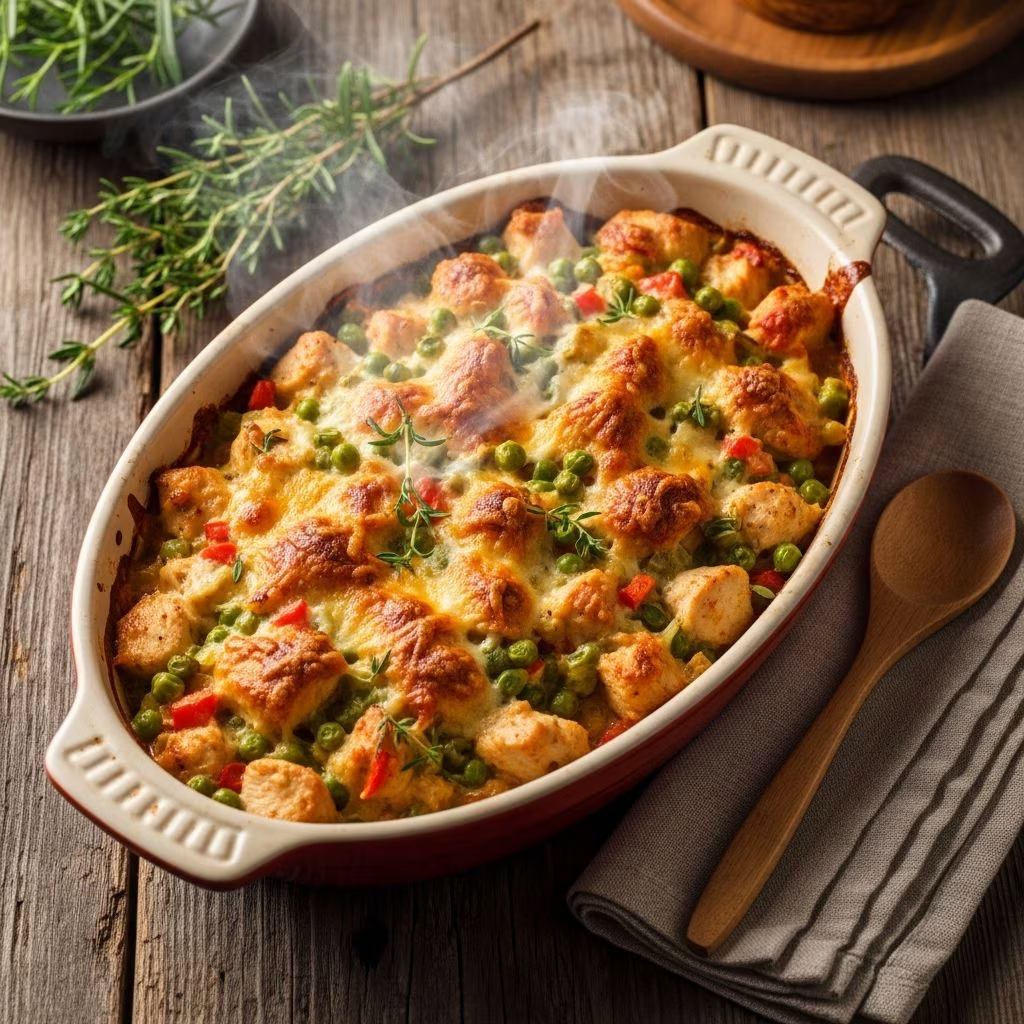
When it comes to creating memorable family dinners with minimal fuss, few dishes rival the appeal of a well-crafted chicken casserole. The Mississippi chicken casserole represents a perfect marriage of tender poultry, savory seasonings, and creamy textures that have made it a beloved staple in kitchens across the South and beyond. This one-dish wonder combines simple ingredients into something truly extraordinary, delivering restaurant-quality comfort food without requiring advanced culinary skills or hours spent in the kitchen.
The beauty of this casserole lies in its versatility and accessibility. Whether you’re planning a weeknight family meal, preparing dishes for a potluck gathering, or seeking inspiration for meal-prepping sessions, this recipe adapts beautifully to various situations and preferences. The layers of tender egg noodles, succulent shredded chicken, and a velvety cream sauce create a harmonious blend that appeals to both adventurous eaters and those who prefer familiar flavors.
Understanding the Core Components of This Dish
A successful Mississippi chicken casserole depends on understanding how each ingredient contributes to the final product. The foundation begins with quality chicken that will be shredded into manageable pieces. Many cooks prefer using chicken breasts for their lean protein content, though thighs offer richer flavor due to their higher fat content. The chicken is either pre-cooked or cooked during the preparation process, ensuring it remains moist and tender throughout the baking phase.
The noodle component serves as the structural base, providing substance and texture contrast. Egg noodles work particularly well because their ridged surface captures and holds the creamy sauce, distributing flavors evenly throughout each serving. The sauce itself represents the heart of the dish, combining cream cheese, sour cream, butter, and chicken broth into a luxurious coating that transforms simple ingredients into something memorable.
What distinguishes Mississippi chicken casserole from standard chicken and noodle dishes is the inclusion of pepperoncini peppers or banana peppers. These mildly spiced, tangy peppers provide a brightness that cuts through the richness of the cream sauce, preventing the dish from becoming one-dimensional. Combined with ranch dressing mix and au jus seasoning, these peppers create a flavor profile that is distinctly Southern in character.
Ingredient Selection and Preparation Strategies
Creating an outstanding casserole begins long before the baking dish enters the oven. Your ingredient choices directly impact the final result, making thoughtful selection essential for success.
Choosing Your Chicken
For this casserole, chicken breasts provide a leaner option that many prefer, while thighs deliver more concentrated chicken flavor and remain particularly moist during cooking. If using raw chicken, cut it into bite-sized pieces before cooking to ensure even preparation. Some recipes recommend lightly browning the chicken with seasonings in a skillet before combining it with other ingredients, which develops additional flavor complexity. If you’re short on time, rotisserie chicken works exceptionally well, though it’s more expensive than purchasing and cooking raw poultry yourself.
Selecting the Right Cheese
The cheese component typically includes a combination of shredded varieties. Cheddar cheese provides sharp, familiar flavor, while Monterey Jack adds creaminess and mild complexity. Some versions incorporate cream cheese, which melts smoothly into the sauce and provides richness. Reserving a portion of cheese for the top layer ensures that beautifully melted, golden-brown finish that makes casseroles so visually appealing.
Preparing the Peppers
Pepperoncini peppers come packed in a brine that contributes significant flavor to the dish. Rather than discarding this liquid, it becomes part of the sauce, adding subtle acidity and spice that balances the creamy elements. When preparing the peppers, chop them into manageable pieces unless you prefer larger pepper pieces throughout your casserole.
Step-by-Step Preparation Process
Understanding the proper sequence of steps ensures everything comes together harmoniously.
Preliminary Setup
Begin by preheating your oven to 350 degrees Fahrenheit, which allows the internal temperature to stabilize while you prepare ingredients. This ensures even, consistent baking once the casserole goes in. While the oven heats, prepare your baking dish by lightly greasing it with cooking spray or butter. A standard 9×13-inch dish accommodates this recipe perfectly, holding all components while allowing proper depth for even heating.
Creating the Creamy Base
In a large mixing bowl, combine softened cream cheese, sour cream, melted butter, chicken broth, and the pepperoncini brine. Whisk these ingredients together until the mixture achieves a smooth consistency. This sauce becomes the connective tissue holding your casserole together, so achieving proper smoothness matters for even distribution throughout the dish. Some cooks add a touch of milk to achieve their preferred sauce consistency.
Incorporating Seasonings
Mix in your chosen seasonings, which typically include ranch dressing mix and au jus seasoning. These ingredient packets provide significant flavor development without requiring you to measure multiple individual spices. Some versions include additional seasonings such as garlic powder, onion powder, or smoked paprika for enhanced depth.
Building the Layers
Spread cooked egg noodles evenly across the bottom of your prepared baking dish. Fold your shredded chicken and chopped pepperoncini peppers into the cream sauce mixture, then pour this combination over the noodles. Gently fold everything together, ensuring the noodles become coated with sauce. Don’t overmix—you want a unified dish, but not one that looks like mush. Distribute shredded cheese across the top layer, which will melt and create an appetizing golden surface during baking.
Baking and Finishing Techniques
The baking phase requires attention to timing and temperature to achieve the ideal result.
Cover your casserole with aluminum foil during the initial baking phase, which prevents the cheese topping from browning too quickly while allowing the interior to heat through. Bake covered for approximately 20 minutes, then remove the foil and continue baking for an additional 10-15 minutes until the casserole becomes bubbly around the edges and the cheese melts completely. The noodles should appear tender when tested with a fork, and any liquid should simmer gently rather than boiling vigorously.
For those who prefer a more golden, crispy top, a brief broiler session after the initial baking completes the process beautifully. Position your casserole in the upper third of the oven and broil for 2-3 minutes, watching carefully to prevent burning. Remove the dish immediately once you achieve your desired golden color.
Allow the casserole to rest for 5 minutes before serving. This brief resting period allows the structure to set slightly, making serving cleaner and helping the flavors meld together.
Cooking Method Variations
| Method | Time Required | Key Differences | Best For |
|---|---|---|---|
| Traditional Oven Baking | 35-40 minutes total | Standard approach with foil covering then uncovered | Most home cooks and family meals |
| Instant Pot Pressure Cooking | 25-30 minutes total | Quick stovetop method without oven use | Time-constrained weeknight dinners |
| Slow Cooker Method | 4-6 hours on low | Extended cooking on low heat | Advance preparation and potluck events |
| Crockpot Assembly | Varies by setting | All ingredients combined in one vessel | Convenient one-step cooking |
Customization Options for Personal Preferences
While the traditional recipe delivers excellent results, numerous variations accommodate different dietary needs and taste preferences.
Adding Vegetables
Incorporate frozen corn, green beans, or diced bell peppers for additional nutrition and textural variety. These vegetables should be thawed before mixing to prevent excess moisture from accumulating during baking. Peas work wonderfully as well, adding sweetness that complements the tangy peppers.
Protein Adjustments
While chicken remains the traditional choice, ground turkey provides a lighter alternative with similar flavor profiles. Some creative cooks substitute cooked ground beef or Italian sausage for entirely different applications of this casserole concept.
Sauce Modifications
Greek yogurt substitutes for sour cream in recipes targeting reduced fat content, though it imparts a slightly tangier profile. Evaporated milk replaces fresh milk in some versions, creating a denser, richer sauce. Experimenting with different cheese combinations—such as adding pepper jack for additional heat or Swiss for nutty complexity—allows personalization without abandoning the core formula.
Storage and Make-Ahead Strategies
The make-ahead nature of casseroles makes them ideal for busy households. Assemble your casserole completely in its baking dish, cover tightly with plastic wrap, and refrigerate for up to 24 hours before baking. When ready to cook, simply add 5-10 minutes to the baking time since you’re starting with a cold dish.
Leftover casserole stores successfully in the refrigerator for 3-4 days when covered appropriately. Reheat individual portions in the microwave or warm larger quantities in a 350-degree oven until heated through. The casserole also freezes beautifully for up to 3 months, either before or after baking. Thaw overnight in the refrigerator before reheating if frozen.
Frequently Asked Questions
Can I prepare this casserole without cream cheese?
Yes, substitute additional sour cream or use evaporated milk combined with a roux made from butter and flour to achieve similar creaminess. The texture will differ slightly, but the dish remains delicious.
What if I don’t have pepperoncini peppers?
Banana peppers work as a direct substitute, offering similar mild heat and tangy flavor. You might also use roasted red peppers, though they provide sweetness rather than spice.
How do I prevent my casserole from drying out?
Ensure your chicken remains moist by not overcooking it initially. Use chicken broth in your cooking liquid, and don’t skip the cream-based sauce. Cover with foil during the first portion of baking to trap steam.
Can this recipe accommodate gluten-free diets?
Substitute traditional egg noodles with gluten-free pasta alternatives, ensuring you follow the package directions for cooking time, as they may differ from regular noodles.
What side dishes pair well with this casserole?
Simple green salads, steamed broccoli, or roasted asparagus provide refreshing contrast to the rich casserole. Garlic bread or simple rolls complement the dish nicely.
Nutritional Considerations and Serving Suggestions
This casserole provides substantial protein from the chicken and cheese components, making it satisfying as a complete meal. The egg noodles contribute carbohydrates for energy, while the cream-based sauce adds fat for satiety. A standard serving delivers approximately 400-500 calories, varying based on specific ingredients and portion size.
For lighter versions, increase the proportion of vegetables, reduce cheese quantities, or substitute full-fat dairy products with lower-fat alternatives. However, be mindful that these changes impact the authentic richness that makes this dish so appealing.
Conclusion: Bringing Comfort to Your Table
The Mississippi chicken casserole represents more than just a recipe—it’s a reliable formula for creating satisfying, memorable meals that bring people together. Its combination of familiar ingredients, straightforward preparation, and adaptable nature makes it equally suitable for weeknight family dinners or more formal entertaining occasions. By understanding the fundamental components and mastering basic techniques, you can create a casserole that becomes a cherished addition to your regular meal rotation.
References
- USDA FoodData Central: Chicken, broilers or fryers, breast, skinless, boneless, meat only, raw — United States Department of Agriculture. 2024. https://fdc.nal.usda.gov/
- Food Safety Basics: Safe Minimum Internal Temperature Chart — United States Department of Agriculture Food Safety and Inspection Service. 2024. https://www.fsis.usda.gov/food-safety/safe-food-handling-and-preparation/food-safety-basics/safe-minimum-internal-temperature-chart
- Storage Times for the Refrigerator and Freezer — United States Department of Agriculture. 2024. https://www.fsis.usda.gov/food-safety/safe-food-handling-and-preparation/food-safety-basics/storage-times-refrigerator-and-freezer
- Dietary Guidelines for Americans, 2020-2025 — United States Department of Agriculture and United States Department of Health and Human Services. 2020. https://www.dietaryguidelines.gov/