There’s something uniquely satisfying about creating a restaurant-quality dinner in your own kitchen without spending hours in preparation. The beauty of this particular dish lies in its elegant simplicity—combining tender, thin-cut beef with a robust sauce that elevates the entire dining experience. Whether you’re cooking for yourself after a long day or impressing guests with seemingly effortless cuisine, this recipe delivers impressive results in a fraction of the time typically required for steak preparation.
The Appeal of Rapid-Fire Steak Cooking
The concept behind this cooking method stems from a fundamental principle: thin cuts of meat cook rapidly, allowing for a complete meal to reach the table while maintaining optimal juiciness and tenderness. By cutting sirloin steaks to approximately 4-5 ounces each and pounding them to an even thickness, you create the ideal canvas for quick, high-heat cooking. This approach transforms what might seem like an intimidating kitchen task into an accessible weeknight routine.
The name itself reveals the cooking methodology—each side requires minimal time on the heat, typically between 45 seconds to one minute depending on your preferred doneness level. This brevity means the interior remains perfectly pink and tender while the exterior develops a flavorful crust through the Maillard reaction. The speed of this cooking process also allows you to prepare this dish multiple times in succession without the stove cooling down, making it ideal for feeding multiple people or enjoying multiple servings throughout the week.
Selecting and Preparing Your Cut of Meat
Success with this recipe begins at the butcher counter or grocery store meat section. Top sirloin steaks work exceptionally well for this preparation, offering a balance between flavor and texture while remaining economical compared to premium cuts. When selecting steaks, look for pieces that are relatively uniform in thickness, ideally around ¾ to 1 inch, before you begin your preparation work.
The preparation phase is crucial and straightforward. Begin by trimming excess external fat, but reserve any pieces that contain both fat and attached meat—these trimmings become invaluable flavor builders for your sauce. Using a meat mallet, pound each steak gently but firmly to achieve uniform thinness. This step accomplishes multiple objectives: it tenderizes the muscle fibers, ensures even cooking throughout, and creates the characteristic thin profile that defines this cooking method.
After pounding, portion your steaks to your preferred size. A 5-ounce portion provides a satisfying single serving, while some cooks prefer creating two smaller steaks from a larger piece of meat. The benefit of this flexibility lies in customization—you control portion sizes based on your appetite and the number of people you’re serving.
Building the Sauce: Simplicity Meets Sophistication
The sauce component represents the genius of this recipe. Rather than involving complicated reductions or complex flavor combinations, this preparation combines just four essential ingredients that work in concert to create something remarkable. The foundation consists of beef broth, which provides a savory base and helps develop the sauce’s body. Quality broth makes a measurable difference here—consider using low-sodium varieties if your barbecue sauce is particularly intense.
Barbecue sauce contributes the distinctive tangy-sweet character that defines this dish. The beauty of using this ingredient lies in its versatility—whether you prefer smoky, vinegar-forward profiles or sweeter, molasses-based versions, your sauce will reflect your personal taste preferences. A teaspoon or two of your chosen barbecue sauce flavors the entire sauce component, so select a variety you genuinely enjoy.
Cold butter serves as the emulsifying agent that transforms the sauce into a glossy glaze. This technique, borrowed from classic French cooking, involves adding chilled butter without stirring initially, then allowing the residual heat to incorporate it slowly. The result is a luxurious, silky texture that coats your steak beautifully.
Finally, a dash of hot pepper sauce adds complexity and a subtle heat that makes diners unconsciously take another bite. This ingredient remains entirely optional—omit it if you prefer milder flavors or adjust the quantity based on your heat tolerance.
Sauce Composition Guide
- ½ cup beef broth (homemade or quality store-bought)
- 1½ tablespoons barbecue sauce (your preferred variety)
- 1 teaspoon cold butter
- Dash of hot pepper sauce (adjust to taste)
- Freshly ground black pepper (to finish)
Mastering the Cooking Technique
The actual cooking process unfolds in two distinct phases: searing the steaks and reducing the sauce. Begin by heating your skillet over high heat until it’s thoroughly hot—you should see a thin wisp of smoke rising from the surface. This temperature is essential; it ensures proper crust development while keeping the interior appropriately rare or medium-rare.
While your pan reaches temperature, season your prepared steaks generously with salt and freshly ground black pepper. Resist the urge to be timid with seasoning—these thin steaks require bold flavoring to shine. Add a tablespoon of neutral oil (vegetable or grapeseed) to your preheated skillet, allowing it to shimmer across the surface.
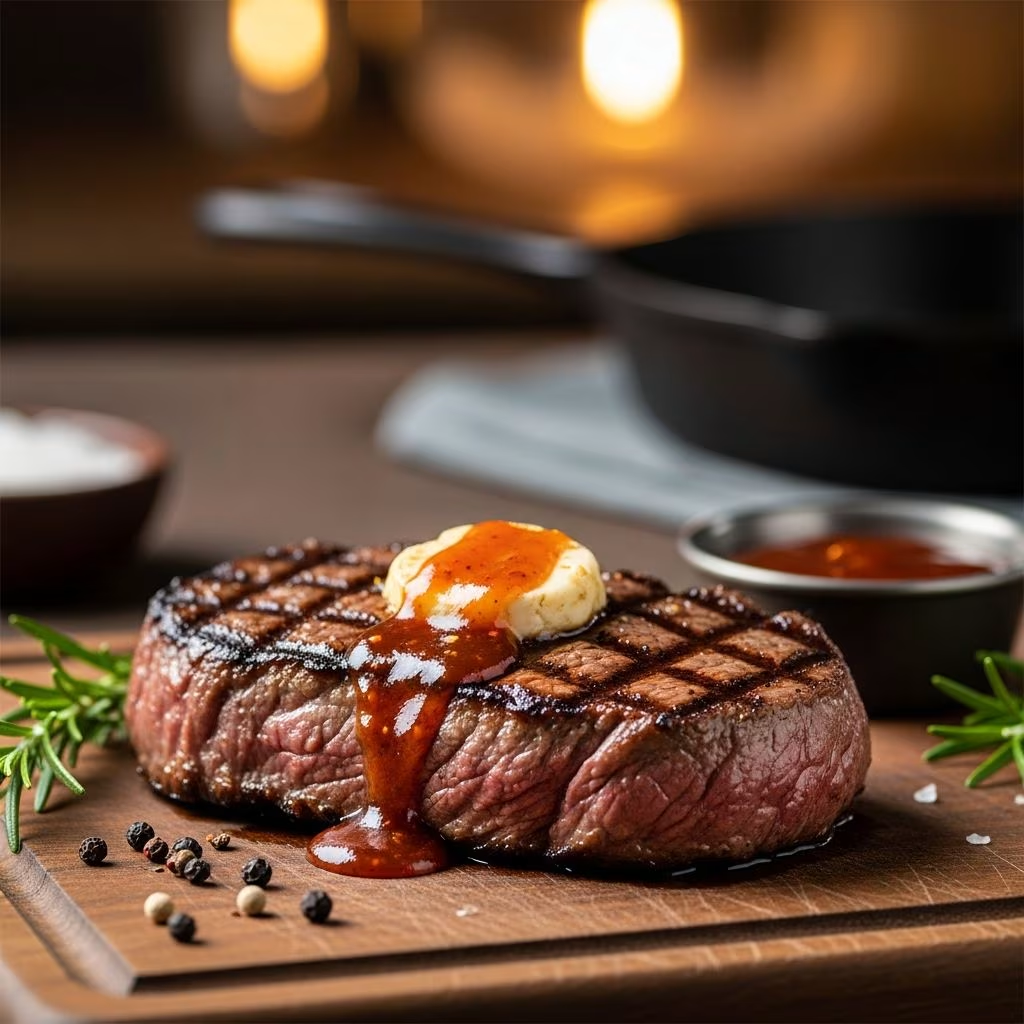
Once the oil is shimmering, carefully place your steaks into the pan. You should hear an immediate, satisfying sizzle—this indicates proper temperature and the beginning of the Maillard reaction. Leave the steaks undisturbed for 45 seconds to 1 minute per side. The exact timing depends on your preferred doneness and the thickness of your meat. Traditional minute steak cooking suggests one full minute per side for medium-rare, though many experienced cooks prefer slightly shorter times to maintain a rosy interior.
Once your steaks reach the desired doneness, transfer them to a warm plate and tent loosely with foil. This resting period, though brief (just two minutes), allows residual carryover cooking to gently continue while the juices redistribute throughout the meat.
Creating the Perfect Glaze
Here’s where the magic accelerates. Leave your skillet on the heat and immediately add your prepared sauce ingredients. The residual heat in the pan is intense—the liquid will begin reducing almost instantly. Stir gently, watching as the broth and barbecue sauce combine. Add your cold butter, initially leaving it undisturbed. The heat will gradually melt and emulsify the butter into the sauce, creating a silky, cohesive glaze.
This entire phase requires only about 2 minutes. The liquid reduces noticeably, becoming more concentrated and flavorful. The butter incorporates fully, creating that signature glossy appearance. Finish with a grind of fresh black pepper and taste for seasoning adjustments.
The result is a restaurant-quality sauce that tastes far more complex than its simple ingredient list suggests. The interplay of savory beef broth, tangy-sweet barbecue sauce, and rich butter creates something that feels indulgent despite its straightforward preparation.
Nutritional Profile and Serving Considerations
Each serving of this dish delivers approximately 390-400 calories, with roughly 60% coming from protein and 39% from fat. The carbohydrate content remains minimal, making this an excellent choice for various dietary approaches. The sodium content reaches moderate levels, primarily from the sauce ingredients, so those monitoring sodium intake may adjust accordingly.
Consider pairing this dish with vegetables or starches that complement the tangy-sweet sauce profile. Creamed spinach, roasted Brussels sprouts, or buttered egg noodles work beautifully alongside the steak. A simple green salad with vinaigrette also provides pleasant contrast to the rich sauce.
Variations and Creative Adaptations
The foundational technique presented here opens doors to numerous variations. The sauce component, in particular, invites creativity. Replace the barbecue sauce with Worcestershire sauce for a more savory direction, or experiment with Asian-inspired flavors by incorporating soy sauce and ginger. The core method remains constant—liquid, flavoring agent, butter, heat—but the possibilities expand exponentially.
You might also explore different cuts of beef. While sirloin provides excellent value and flavor, New York strip or ribeye steaks work equally well with this methodology. The cooking time remains essentially identical, though you may need to adjust heat slightly depending on the specific cut’s thickness.
Timing and Preparation Strategy
The entire cooking process, from raw ingredients to plated dinner, requires approximately 15 minutes. Allocate 5 minutes for prep work—trimming, pounding, and portioning your steaks—and an additional 5 minutes for the actual cooking and sauce preparation. This extraordinary brevity means you can decide to prepare this dish and have it on the table before you’ve finished changing clothes or setting the table.
Prepare your sauce mixture before you begin heating the pan. Having all ingredients measured and ready prevents scrambling mid-cooking when time moves particularly quickly. Some cooks prefer combining the broth, barbecue sauce, and hot sauce in advance, keeping the cold butter separate until the moment it’s needed.
Frequently Asked Questions
What’s the difference between a minute steak and other thin cuts?
A minute steak specifically refers to a thin-cut steak that cooks rapidly—usually within one minute per side. The distinguishing feature is the thinness achieved through either inherent cutting or mechanical tenderizing via pounding. This contrasts with thick-cut steaks that require longer, lower-temperature cooking to achieve doneness throughout.
Can I prepare this dish ahead of time?
The sauce can be assembled in advance, with components measured and ready. However, the actual cooking should occur close to serving time, as the steaks are best enjoyed immediately after cooking. Reheating thin steaks causes toughness and overcooking.
What oil works best for high-heat cooking?
Oils with high smoke points work best for this application. Vegetable oil, canola oil, and grapeseed oil all exceed 400°F smoke point, making them ideal. Avoid olive oil and butter for the initial searing, as these have lower smoke points and burn at the required temperature.
How do I know when my steaks are cooked properly?
Touch method and visual cues serve as reliable indicators. A rare steak feels soft and squishy when pressed; medium-rare feels slightly firmer with some give; medium feels firm with minimal give. For this thin cut, visual inspection works well—a 45-second sear per side typically produces a perfect medium-rare interior.
Can I use a different barbecue sauce?
Absolutely. The recipe’s beauty lies in its adaptability. Choose any barbecue sauce you enjoy—different regions offer vastly different flavor profiles. Vinegar-based sauces create tangier glaze; tomato-based versions provide sweetness; mustard-forward options add complexity.
Conclusion: Elevating Everyday Cooking
This recipe demonstrates that impressive cooking doesn’t require elaborate techniques, extensive ingredient lists, or substantial time commitments. By understanding fundamental cooking principles—proper heat application, quick cooking for thin cuts, sauce emulsification—you can create genuinely restaurant-quality results in your own kitchen. The combination of rapid cooking and an elegant sauce transforms simple ingredients into something worthy of special occasions or simply celebrating a successful weeknight dinner.
References
- Minute Steaks with Barbecue Butter Sauce — Food Wishes. 2010. https://foodwishes.blogspot.com/2010/12/minute-steaks-with-barbecue-butter.html
- Minute Steaks with Barbecue Butter Sauce Recipe — Samsung Food. 2024. https://app.samsungfood.com/recipes/10140ecac31517b36a30ef61dd95c7a9240adc5d3b3