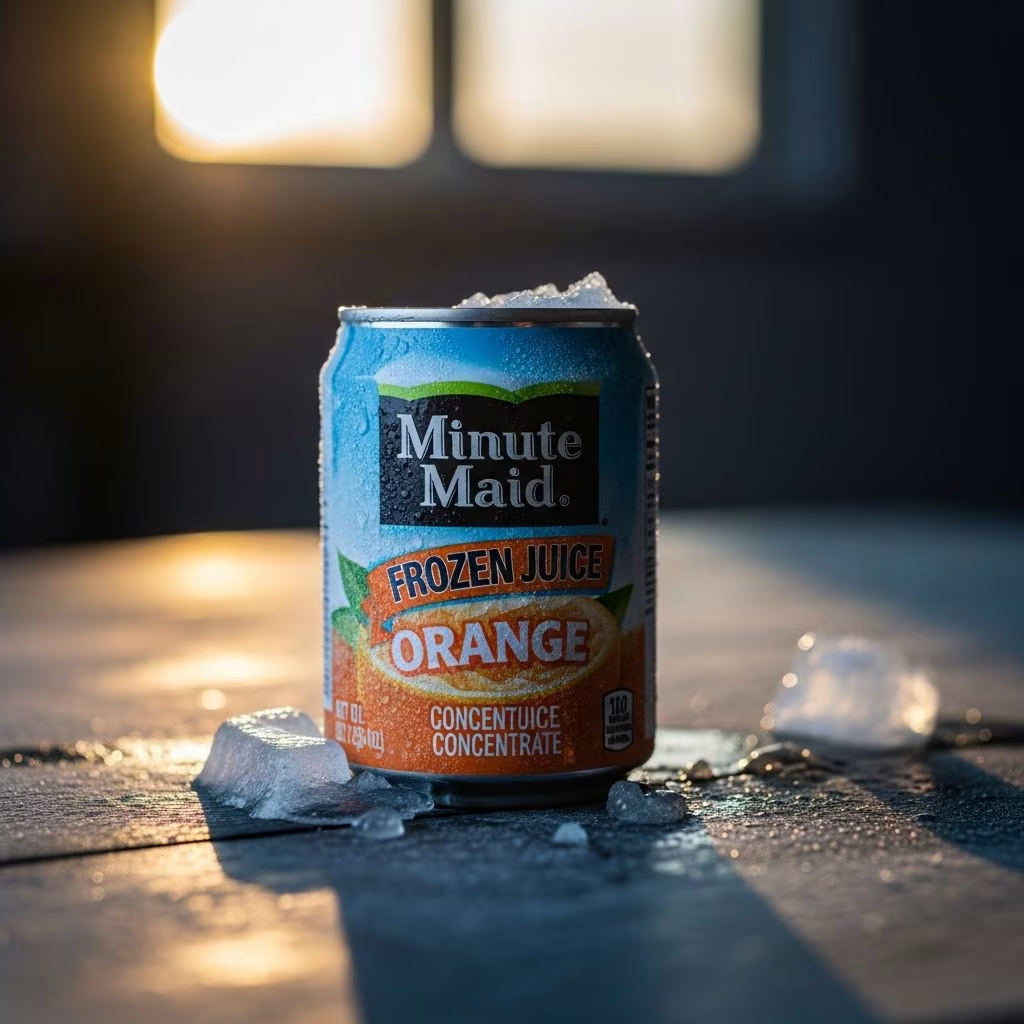
For more than eight decades, the sound of a frozen juice cylinder ker-plunking into a pitcher has been a familiar morning ritual for countless American households. This iconic imagery, associated with convenience and affordability, is now becoming a relic of the past. Coca-Cola, the parent company of Minute Maid, announced in early 2026 that it would discontinue its frozen juice concentrate product line across the United States and Canada, marking the end of a significant chapter in beverage history.
A Historical Perspective on Frozen Juice Innovation
The story of Minute Maid’s frozen juice concentrates begins in 1946, when the brand revolutionized how Americans consumed orange juice. Before this breakthrough, fresh orange juice was a seasonal luxury, available primarily during harvest months and requiring manual preparation. Minute Maid’s innovation transformed the industry by introducing a convenient, shelf-stable alternative that could be stored in household freezers year-round. This development made quality juice accessible to families across different economic backgrounds and geographic regions, fundamentally changing breakfast culture in America.
The frozen concentrate format offered multiple advantages that resonated with mid-twentieth-century consumers. It required minimal storage space compared to fresh juice, remained viable for extended periods, and could be reconstituted quickly with water. The product became emblematic of post-war American convenience and modernization, appearing in kitchens from rural areas to urban centers. Over eight decades, Minute Maid’s frozen juices became integrated into family traditions, childhood memories, and everyday routines for generations of consumers.
Understanding the Market Shift and Consumer Preference Changes
The decision to discontinue frozen juice concentrates reflects broader transformations in consumer behavior and market dynamics. According to Nielsen market research, sales of frozen beverages experienced a decline of nearly 8 percent during the 52-week period ending January 24, 2026. This downward trend is not isolated to a single demographic or geographic region but represents a widespread shift in how contemporary consumers approach beverage selection and preparation.
Modern shoppers increasingly prioritize convenience in different forms than previous generations. While frozen concentrates required mixing and preparation time, today’s consumers often prefer ready-to-drink options that require no additional steps. Cold-pressed juices, bottled freshly-squeezed varieties, and pre-mixed beverages have captured significant market share. Additionally, health-conscious consumers increasingly seek products with transparent ingredient lists and perceived health benefits, categories where fresh juices have gained positioning advantages over concentrates.
The shift also reflects changing household dynamics and refrigeration practices. Contemporary kitchens often have less freezer space dedicated to specialty items, while refrigerator space has become more valued for frequently accessed items. Busy lifestyles have created demand for grab-and-go beverage options rather than products requiring reconstitution steps.
Coca-Cola’s Strategic Repositioning and Category Focus
Coca-Cola’s official statement regarding the discontinuation emphasizes a strategic reallocation of resources. The company stated: “We are discontinuing our frozen products and exiting the frozen can category in response to shifting consumer preferences.” This declaration signals a deliberate choice to concentrate production and marketing efforts on juice formats that align with current market demand.
The parent company’s approach reflects a broader industry pattern where beverage manufacturers continuously adjust their portfolios to match evolving consumer expectations. Rather than attempting to revitalize a declining category, Coca-Cola has chosen to redirect investments toward juice segments experiencing stronger growth trajectories. A company spokesperson reinforced this positioning, noting: “With the juice category growing strongly, we’re focusing on products that better match what our consumers want.”
This strategic pivot extends beyond simple product elimination. It represents a fundamental reassessment of how the Minute Maid brand should position itself within an increasingly competitive beverage landscape. By concentrating resources on high-demand formats, Coca-Cola aims to strengthen market position in segments where consumer interest remains robust.
Product Portfolio Affected by the Discontinuation
The frozen concentrate discontinuation encompasses a diverse range of Minute Maid products that have maintained consumer loyalty across generations. The affected products include various formulations and flavor profiles:
- Multiple varieties of frozen concentrated orange juice
- Traditional lemonade concentrate
- Pink lemonade concentrate
- Raspberry lemonade concentrate
- Limeade concentrate
These products collectively represented a significant portion of the frozen juice concentrate market. Each variety had cultivated its own consumer base, from families preparing traditional lemonade during summer gatherings to households relying on orange juice concentrates as a pantry staple. The breadth of the discontinuation means that consumers seeking these specific flavor profiles will need to identify alternative products or preparation methods.
Timeline and Availability Information
Coca-Cola announced that discontinuation would occur during the first quarter of 2026, with product availability continuing while existing inventory lasted. This phased approach allows retailers to deplete stock naturally rather than requiring immediate removal of shelves. For consumers accustomed to purchasing these products, the timeline provides an opportunity to identify suitable alternatives before their preferred items become completely unavailable.
The April 2026 deadline marks the official end of production, though remaining inventory may continue circulating through retail channels as stores sell existing stock. Consumers seeking to stockpile favorite products should monitor availability at their preferred retailers, as supply will eventually deplete across North America.
Socioeconomic Impact and Accessibility Concerns
Beyond the nostalgic or lifestyle implications, the discontinuation carries meaningful economic consequences for certain consumer segments. Frozen juice concentrates have historically represented one of the most economical methods for purchasing juice. The concentrated format’s efficiency—requiring water to reconstitute—made it significantly more affordable than pre-made alternatives, particularly for families managing tight grocery budgets.
Lower-income households that have relied on frozen concentrates as an affordable way to provide nutritious beverages to their families will face reduced options and potentially higher costs if they switch to alternative juice formats. Ready-to-drink juices typically command premium pricing compared to concentrates, creating affordability challenges for price-sensitive consumers. This discontinuation may therefore disproportionately impact families for whom product cost represents a meaningful household budget consideration.
Consumer Sentiment and Nostalgic Response
The announcement of Minute Maid’s frozen concentrate discontinuation triggered considerable emotional responses across social media platforms and consumer communities. Many individuals expressed nostalgia for the product, reminiscing about childhood breakfasts, family gatherings, and summer traditions centered around these beverages. The discontinuation represents more than a simple product removal; it symbolizes the passage of an era and the evolution of consumer culture.
Consumers shared memories of pouring frozen juice cylinders into pitchers, the distinctive sound and visual of the product being prepared, and the role these beverages played in family rituals. This emotional connection to the product demonstrates how consumer goods often transcend their functional purpose, becoming intertwined with personal and collective memory.
What Consumers Can Expect Moving Forward
As frozen juice concentrates disappear from retail shelves, consumers seeking similar functionality and value propositions will need to explore alternatives. Options include fresh-squeezed juices sold in refrigerated sections, not-from-concentrate beverages in various formats, and emerging juice category innovations. Some consumers may explore concentrated juice formats from alternative manufacturers, though availability and product variety may vary by geographic location and retailer.
The beverage industry will likely continue evolving as consumer preferences shift toward convenience, health-consciousness, and perceived freshness. Manufacturers must balance traditional product categories with emerging formats that align with contemporary expectations and lifestyle patterns.
Frequently Asked Questions
When exactly will Minute Maid frozen juice concentrates be discontinued?
Coca-Cola announced discontinuation during the first quarter of 2026, with products remaining available while inventory lasts. Consumers should check with their local retailers for specific availability timelines in their areas.
Will any frozen juice concentrate products remain available after discontinuation?
Coca-Cola is exiting the frozen concentrate category entirely in North America. Consumers seeking similar products may need to explore alternative manufacturers or juice formats.
Why is Coca-Cola discontinuing these products despite their long history?
Consumer preferences have shifted significantly toward ready-to-drink and fresh juice alternatives. Market data indicates declining frozen beverage sales, prompting Coca-Cola to redirect resources toward higher-growth juice categories.
Are there affordable juice alternatives available after discontinuation?
While ready-to-drink juices typically cost more than concentrates, consumers can explore various juice formats, seasonal sales, store brands, and alternative manufacturers to find affordable options.
References
- Minute Maid Frozen OJ Concentrate Production Ending — CBS News. 2026-02-05. https://www.cbsnews.com/news/minute-maid-frozen-oj-concentrate-production-ending/
- Minute Maid Puts Frozen Juice on Ice After 80 Years — Axios. 2026-02-05. https://www.axios.com/2026/02/05/minute-maid-frozen-juice-concentrate-discontinued
- Minute Maid to Discontinue Frozen Canned Juices After 80 Years — Food Dive. 2026. https://www.fooddive.com/news/coca-cola-minute-maid-frozen-cans-discontinued/811327/