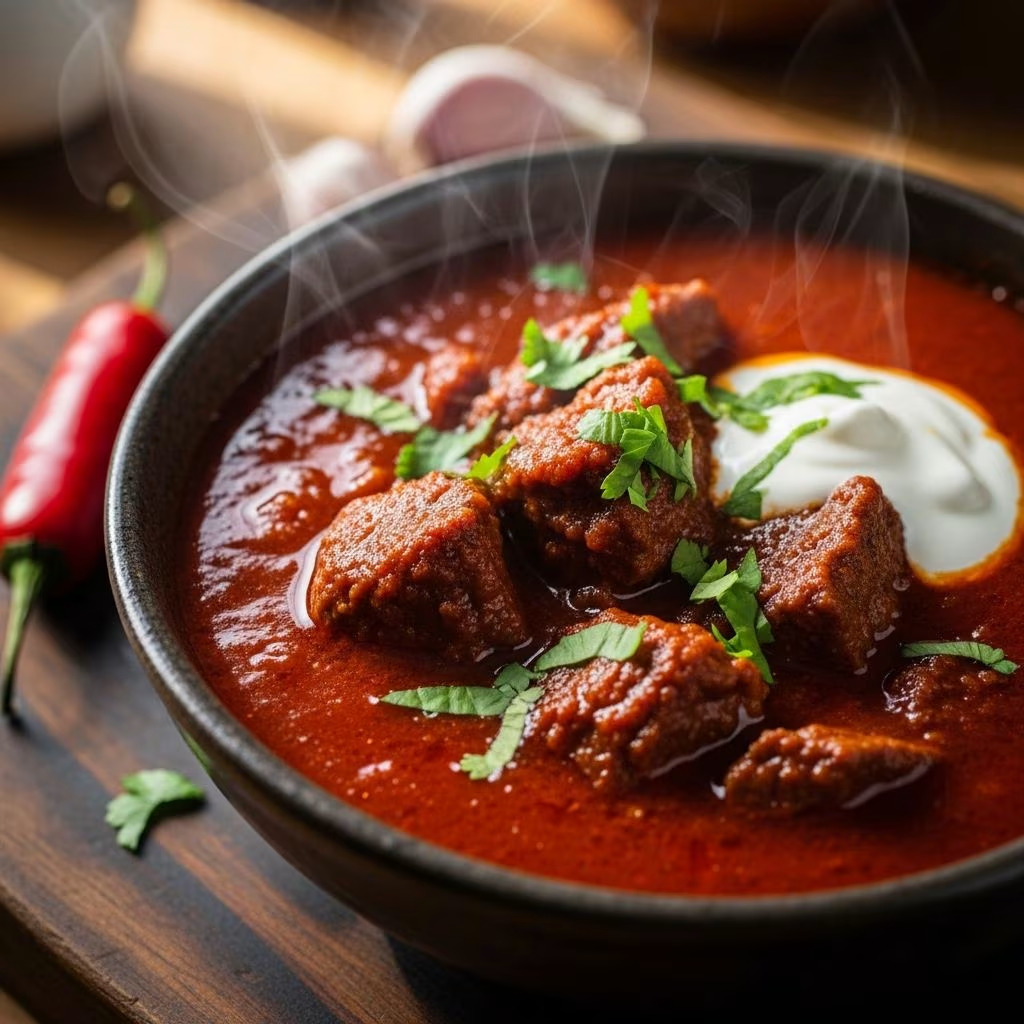
The combination of protein-rich eggs and fiber-packed lentils creates one of the most satisfying brunch dishes that bridges simplicity with sophisticated flavors. This Middle Eastern-inspired preparation showcases how accessible pantry ingredients can transform into an elegant meal worthy of special occasions. The beauty of this dish lies in its balance: creamy lentil soup provides the foundation, while caramelized onions contribute subtle sweetness, and aromatic spices deliver warmth and depth.
Understanding the Core Components
The foundation of this dish rests on three essential elements working in harmony. Lentil soup serves as the primary base, offering immediate nutrition and creaminess without lengthy cooking times. The soup’s inherent earthiness pairs beautifully with the other components, creating a canvas for bold spice flavors. Onions undergo a transformative process through patient caramelization, developing complex sweetness that balances the savory elements. Finally, the carefully selected spice blend—featuring turmeric, cumin, and Aleppo pepper—introduces warmth, subtle bitterness, and gentle heat that elevate the entire dish beyond ordinary fare.
The Art of Caramelizing Onions
Caramelization represents one of cooking’s most rewarding chemical processes, where natural sugars in onions break down and recombine, creating hundreds of new flavor compounds. This technique requires patience and attention, as rushing the process yields merely softened onions rather than deeply caramelized gems. Begin with a large onion thinly sliced to maximize surface area exposure to heat. In a medium oven-safe pan, warm olive oil over medium heat before introducing the sliced onion with kosher salt. The salt draws moisture from the onion cells, facilitating even browning and preventing burning.
Stirring frequently—every few minutes—ensures even coloration and prevents sticking to the pan bottom. This process typically requires approximately twenty-five minutes. The onion’s transformation progresses through several stages: initial softening as moisture releases, then gradual browning as sugars caramelize, and finally deepening color as more complex compounds form. You’ll recognize completion when the onions achieve a rich, golden-brown hue with occasional darker caramelized bits providing texture contrast.
Building Layers of Aromatic Flavor
Once onions reach their caramelized peak, the spice incorporation begins. This timing proves critical: adding spices to the hot caramelized onions blooms their essential oils, intensifying flavor potency significantly more than if spices were added to cold ingredients. The spice blend consists of turmeric providing earthy warmth and subtle bitterness, ground cumin contributing nutty undertones, and Aleppo pepper—or red pepper flakes as an alternative—introducing gentle heat without overwhelming the palate.
Tomato paste enters next, creating concentrated umami depth through its glutamate content. As you stir constantly for approximately two minutes, watch as the tomato paste darkens slightly in the pan’s residual heat. This darkening indicates Maillard reactions occurring, which generate additional flavor complexity and depth. The process shouldn’t be rushed; allowing proper time for these chemical transformations ensures maximum flavor development.
Creating the Sauce Foundation
With aromatics properly developed, water enters the equation to deglaze the pan. As you pour water across the pan’s surface, use a wooden spoon to scrape up the browned bits clinging to the bottom—the fond—which contains concentrated flavor compounds. Stir and scrape for one to two minutes until the liquid thickens into a saucy consistency, achieving the right balance between liquid and thickness. This stage is crucial: too much water results in a thin, underwhelming sauce, while too little creates a dry, paste-like texture.
Now the canned lentil soup joins the mixture. Pour the entire contents of the can into the pan and stir gently to combine without breaking up the lentils. Allow the mixture to cook together for one to two minutes, permitting flavors to meld and ingredients to reach uniform temperature. At this point, taste the mixture and adjust seasonings as desired, adding additional salt, pepper, or Aleppo pepper based on your preference. Remember that some reduction will occur during baking, potentially intensifying flavors, so season conservatively.
Preparing Eggs for the Oven
The transition from stovetop to oven requires creating individual spaces for each egg. Using the back of a spoon, make three shallow wells in the lentil mixture—these should be substantial enough to cradle an egg while shallow enough that the surrounding lentil sauce supports it. The wells prevent eggs from spreading across the mixture’s surface, ensuring they cook into distinct units with defined whites and runny yolks rather than dispersing into the sauce.
Carefully crack each egg into a separate well. Handle this step gently to preserve yolk integrity, as broken yolks will disperse into the surrounding lentils, compromising the dish’s presentation and eating experience. Each egg nestles within its designated space, ready for gentle oven cooking that will set the whites while preserving the yolk’s desirable runny consistency.
Oven-Baking Technique and Timing
Preheating your oven to 350°F (or 177°C) ensures consistent, gentle heat distribution throughout the baking process. Transfer the oven-safe pan directly from the stovetop to the preheated oven, maintaining the lentil sauce’s temperature and ensuring the eggs begin cooking immediately. The gentle, dry heat of the oven is superior to continued stovetop cooking, which could cause the sauce to scorch or splash onto the eggs.
Baking duration typically spans eleven to thirteen minutes, depending on your oven’s specific characteristics and how you prefer your egg yolks. Check progress around the eleven-minute mark by looking at the egg whites—they should appear opaque and set to the touch, while the yolk should retain slight jiggling movement indicating residual runny center. Individual preferences vary: some diners prefer fully set yolks, while others desire liquid centers for dipping and sauce incorporation. Adjust timing according to your preference, understanding that eggs will continue cooking slightly during plating due to residual heat.
Creating the Finishing Element: Spiced Butter
While eggs bake in the oven, the final component comes together: infused butter designed to crown the finished dish with luxurious richness and aromatic complexity. In a small saucepan, melt butter, ghee, or additional olive oil over medium heat. The choice among these three options depends on dietary preferences and desired flavor profiles. Unsalted butter provides classic richness, ghee contributes a deeper, nuttier dimension, and olive oil offers lighter character while maintaining vegetarian credentials.
Once the fat reaches melting, add cumin seeds—whole seeds rather than ground—allowing them to toast briefly in the residual heat. The seeds will begin sizzling almost immediately, releasing their aromatic essential oils and deepening in color as their essential compounds toast. This process requires only thirty seconds to one minute; overcooking transforms seeds into bitter, acrid elements detracting from the dish. Listen for the sizzling to diminish, and remove from heat promptly. This infused butter creates an aromatic, nutty drizzle that adds sensory dimension through both flavor and aroma.
Plating and Serving Suggestions
Upon removing the pan from the oven, immediately drizzle the warm cumin butter across the surface of the eggs and lentil mixture. The heat from the just-baked dish will briefly warm the butter if it has cooled, reviving the cumin’s aromatic properties. Garnish generously with fresh parsley, whose bright, slightly peppery flavor provides color contrast and freshness to balance the dish’s richness.
This dish serves as an impressive standalone meal for two people, or as part of a larger brunch spread. Accompany with crusty bread for soaking up the lentil sauce, or serve alongside a simple green salad featuring lemon vinaigrette to cut through the dish’s richness. Yogurt dollops on the side allow diners to customize their portions, and a fresh herb platter—mint, cilantro, and additional parsley—enables personalization.
Nutritional Benefits and Dietary Considerations
This preparation offers substantial nutritional value, combining complete proteins from eggs with plant-based proteins and fiber from lentils. The combination creates a satisfying meal that promotes sustained energy and satiety. Lentils provide iron, folate, and polyphenols, while eggs contribute choline, lutein, and zeaxanthin—nutrients important for cognitive function and eye health. The aromatic spices, particularly turmeric, contain bioactive compounds like curcumin associated with anti-inflammatory properties. This dish accommodates vegetarian diets completely, making it an excellent option for mixed dietary households.
For vegan adaptation, substitute eggs with firm tofu blocks or thick slices of firm coconut yogurt, adjusting baking time accordingly. The lentil and onion components remain unchanged, maintaining the dish’s essential character while accommodating alternative dietary choices.
Troubleshooting Common Issues
Understanding potential challenges helps ensure consistent success. If your onions aren’t browning sufficiently during the allotted twenty-five minutes, ensure adequate heat level and avoid covering the pan, which traps steam and prevents browning. If the lentil sauce appears too thick after combining ingredients, stir in water one tablespoon at a time until reaching desired consistency. Conversely, if the sauce seems too thin, continue simmering on the stovetop for an additional minute or two to reduce liquid volume.
Should eggs appear undercooked at the eleven-minute mark—with whites still partially translucent—return the pan to the oven for an additional minute or two. If yolks are more set than desired, reduce baking time slightly next preparation. These minor adjustments account for individual oven variations and personal preferences, allowing you to perfect the dish according to your specific equipment and tastes.
Make-Ahead and Storage Guidance
The lentil and onion base can be prepared up to two days in advance, stored in an airtight container in the refrigerator. When ready to serve, reheat gently on the stovetop over low heat, stirring occasionally to distribute heat evenly and prevent sticking. Eggs should be added only immediately before baking, as cooking them ahead results in rubbery, unappetizing texture. The cumin butter can be prepared several hours before serving and stored at room temperature, reheating briefly over gentle heat before drizzling onto the finished dish.
Variations and Creative Adaptations
While the traditional preparation serves as an excellent foundation, numerous variations expand the dish’s repertoire. Substitute the basic spice blend with Middle Eastern or Indian-inspired combinations—add cinnamon, coriander, or cardamom for different flavor dimensions. Some preparations incorporate pomegranate molasses or balsamic vinegar for acidic brightness, while others integrate diced fresh tomatoes into the lentil base. Garnish variations include toasted nuts for crunch, pomegranate arils for tartness, or crispy chickpeas for additional protein and textural contrast.
Regional interpretations incorporate local ingredients and spice traditions: North African versions might include harissa or preserved lemon, while South Asian adaptations feature garam masala and fresh ginger. These variations demonstrate the dish’s adaptability and its foundation in universal cooking principles rather than rigid, unchangeable recipes.
Equipment and Ingredient Quality
Success in this dish depends partly on using appropriate equipment and quality ingredients. An oven-safe pan—whether cast iron, stainless steel, or ceramic—permits seamless transition from stovetop to oven without transferring between vessels. Quality lentil soup makes a genuine difference; choose varieties with minimal additives and recognizable ingredients. Fresh spices lose potency over time, so replace ground spices annually and purchase whole spices from reliable sources offering reasonable turnover. Fresh parsley from farmers’ markets or home gardens provides superior flavor compared to dried alternatives.
Frequently Asked Questions
Can I use dried lentils instead of canned soup?
Yes, though this requires advance preparation. Cook dried lentils until tender, purée a portion to create creaminess, then combine with caramelized onion mixture. This allows greater control over texture and intensity, though requiring additional cooking time.
What if I dislike Aleppo pepper?
Red pepper flakes offer a direct substitute, using approximately half the quantity due to greater heat intensity. Alternatively, omit chili entirely for a milder preparation, relying on turmeric and cumin for aromatic dimension.
How can I ensure runny yolks in the center?
Reduce baking time to ten minutes, checking doneness by gently jiggling the pan. Yolks will continue cooking slightly after removal from oven due to residual heat.
Is this dish freezer-friendly?
The lentil and onion base freezes well for up to three months. Thaw overnight in refrigerator and reheat before adding fresh eggs and baking.
What bread pairs best with this dish?
Sturdy crusty bread like ciabatta or sourdough withstands sauce absorption without disintegrating. Flatbread or pita offers alternatives, particularly appealing for scooping and wrapping portions.
References
- Lentils: Nutritional Composition and Culinary Applications — United States Department of Agriculture (USDA). Accessed April 2026. https://www.usda.gov
- The Science of Caramelization in Cooking — Food Science Institute, University of California. 2023. https://foodscience.ucdavis.edu
- Turmeric and Curcumin: Health Benefits and Bioavailability — National Institutes of Health, Office of Dietary Supplements. Updated January 2024. https://ods.od.nih.gov
- Egg Composition and Nutritional Value — American Egg Board, University Extension Program. 2023. https://www.aeb.org
- Middle Eastern Culinary Traditions and Spice Usage — Culinary Institute of America, Continuing Education Division. 2024. https://www.ciachef.edu