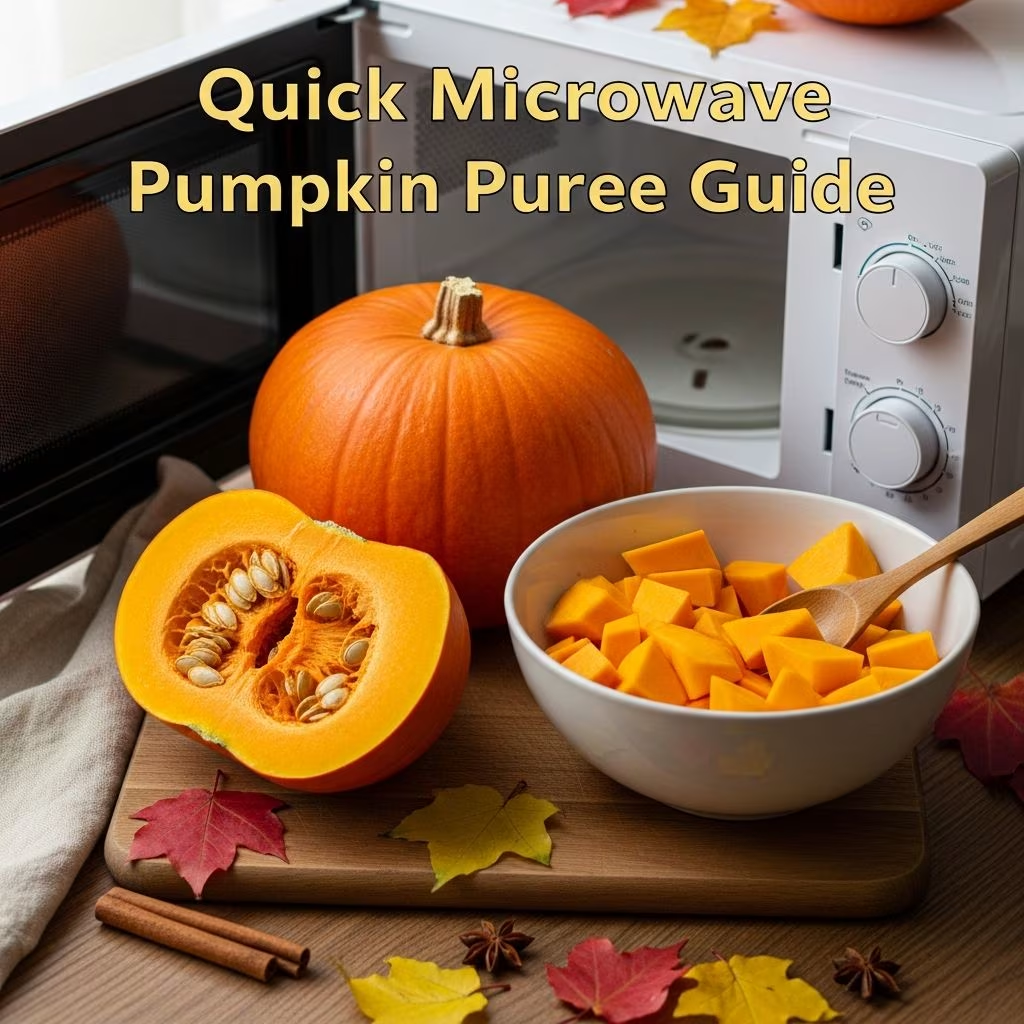
Creating homemade pumpkin puree in the microwave offers a fast path to fresh, flavorful results without the need for lengthy roasting or boiling. This method leverages steam and high heat to soften pumpkin flesh efficiently, yielding a smooth texture ideal for countless recipes. Perfect for busy cooks, it transforms a whole pumpkin into usable puree in about 15-20 minutes of active time.
Why Choose the Microwave Method?
The microwave excels at speed while preserving the pumpkin’s natural moisture and nutrients. Unlike oven roasting, which can take over an hour, or stovetop steaming that requires constant monitoring, microwaving cuts preparation down significantly. The enclosed heat generates steam that tenderizes the flesh without adding excess water, resulting in a thicker consistency than many other quick techniques.
- Time savings: Total cook time often under 15 minutes.
- Minimal equipment: Just a microwave-safe bowl and cover.
- Flavor retention: Less oxidation means brighter taste and color compared to canned alternatives.
Health authorities note that fresh produce like pumpkin retains more vitamins when cooked briefly at high temperatures, supporting this approach for nutrient-dense purees.
Selecting the Right Pumpkin
Not all pumpkins suit puree making. Opt for smaller varieties known for culinary use to ensure sweetness and smooth texture. Sugar pumpkins, also called pie pumpkins, weigh 2-8 pounds and have dense, orange flesh that’s less watery than carving types.
| Pumpkin Type | Best For | Weight Range | Flesh Texture |
|---|---|---|---|
| Sugar/Pie Pumpkin | Puree, Baking | 2-8 lbs | Smooth, Sweet |
| Kabocha | Savory Dishes | 3-5 lbs | Dry, Nutty |
| Carving Pumpkin | Avoid for Puree | 10+ lbs | Stringy, Watery |
Look for firm skins without soft spots or mold. Organic options minimize pesticide residues, aligning with guidelines from agricultural extensions for safe home preparation.
Step-by-Step Preparation
Begin with clean tools and a stable surface. Wash the pumpkin exterior under running water to remove dirt.
- Halve and seed: Use a sharp knife to cut the pumpkin in half. Scoop out seeds and stringy pulp with a spoon. Save seeds for roasting if desired.
- Cut into chunks: Slice into 1-2 inch pieces. For easier cooking, peel skin first using a vegetable peeler, though some methods cook with skin on for simple removal later.
- Arrange in dish: Place pieces in a deep microwave-safe bowl. A taller vessel traps steam better than shallow plates, preventing leathery edges.
Avoid overcrowding; cook in batches for larger pumpkins to ensure even heating.
Cooking Instructions
Microwave wattage varies, so adjust times accordingly. Most home units (800-1200 watts) work well with these guidelines.
- Cover the bowl loosely with a microwave-safe lid, plate, or damp paper towel. This allows steam escape while retaining moisture.
- Microwave on high for 5 minutes. Stir or rearrange pieces for uniform cooking.
- Rest 5 minutes inside the microwave to continue steaming from residual heat.
- Microwave another 5 minutes until fork-tender. Total time: 10-15 minutes for 2-4 pounds.
Test doneness by piercing with a fork; flesh should yield easily without resistance. If undercooked, add 2-minute increments.
Blending to Perfection
Once cooled slightly for safety, process the cooked pumpkin. Skin peels off effortlessly if left on during cooking.
- Hand mashing: For chunky texture, use a potato masher.
- Blender/Food Processor: Pulse until silky smooth. Add 1-2 tablespoons water only if needed for blending.
- Immersion Blender: Ideal for direct bowl processing.
Strain through a fine mesh sieve for ultra-smooth results, removing any fibrous bits. This step elevates puree for delicate pies or custards.
Storage and Shelf Life
Fresh puree stays vibrant longer than perceived. Portion into airtight containers.
| Storage Method | Duration | Tips |
|---|---|---|
| Refrigerator | 4-7 days | Cool completely before storing |
| Freezer (bags or trays) | 3-6 months | Flatten bags for space; thaw overnight |
| Ice Cube Trays | 6 months | Pop cubes for single servings |
Label with dates. Freezing preserves color and flavor, per food safety standards from university extensions.
Recipe Ideas Using Your Puree
Homemade puree shines in both sweet and savory applications, offering superior taste to store-bought.
Sweet Treats
- Pumpkin Pancakes: Mix 1 cup puree with batter for fluffy, spiced stacks.
- Cheesecake Bars: Swirl into cream cheese filling for fall desserts.
- Muffins: Replace oil with puree for moist, healthy baked goods.
Savory Options
- Soup Base: Blend with broth, ginger, and cream for velvety bisque.
- Risotto: Stir in during last minutes for creamy rice.
- Hummus Twist: Combine with chickpeas for a seasonal dip.
These uses highlight the puree’s versatility, enhancing dishes with natural sweetness.
Troubleshooting Common Issues
Encounter problems? Here’s how to fix them:
- Watery Puree: Cook uncovered longer or strain thoroughly. Avoid adding liquid during blending.
- Uneven Cooking: Use smaller pieces and stir midway.
- Stringy Texture: Choose pie pumpkins and strain after processing.
- Microwave Sparks: Ensure no metal and use glass/ceramic dishes.
Safety first: Use oven mitts for hot bowls and vent steam away from face.
Nutritional Benefits
Pumpkin puree packs beta-carotene, fiber, and vitamins A and C. One cup provides over 200% daily vitamin A needs, supporting immunity and vision. Microwaving retains more antioxidants than prolonged cooking methods.
Comparing Microwave to Other Methods
| Method | Time | Equipment | Flavor Notes |
|---|---|---|---|
| Microwave | 15 min | Bowl, Cover | Fresh, Neutral |
| Oven Roast | 45-60 min | Baking Sheet | Caramelized |
| Stovetop Steam | 20-30 min | Pot, Steamer | Moist |
| Pressure Cooker | 12 min + release | Instant Pot | Intense |
Microwave wins for convenience without sacrificing much flavor.
Frequently Asked Questions
Can I use any pumpkin?
Stick to sugar or pie pumpkins for best results; others may be too fibrous.
Is microwaving safe for pumpkin?
Yes, when using appropriate dishes. It evenly cooks without hot spots if stirred.
How much puree from one pumpkin?
A 3-pound pumpkin yields about 2-3 cups.
Can I freeze it?
Absolutely, up to 6 months in freezer bags.
Why is my puree grainy?
Strain it or blend longer; fresh pumpkins vary in texture.
Advanced Tips for Pros
Experiment with additions like a cinnamon stick during cooking for infused flavor. For baby food, steam longer and omit straining. Scale up by cooking multiple batches, combining post-blending.
This method empowers home cooks to enjoy seasonal freshness year-round, elevating everyday meals with minimal effort.
References
- USDA Food Safety Guidelines for Home Canning and Preservation — United States Department of Agriculture. 2023-10-15. https://www.fsis.usda.gov/food-safety/safe-food-handling-and-preparation/food-safety-basics/freezing-and-food-safety
- Microwave Cooking and Nutrient Retention Study — Harvard T.H. Chan School of Public Health. 2022-05-20. https://www.hsph.harvard.edu/nutritionsource/microwave-cooking/
- Pumpkin Varieties for Culinary Use — Cornell University Cooperative Extension. 2024-09-01. https://smallfarms.cornell.edu/2019/10/pumpkin-varieties-for-culinary-use/
- Nutritional Composition of Pumpkin — USDA FoodData Central. 2023-11-10. https://fdc.nal.usda.gov/fdc-app.html#/food-details/168449/nutrients
- Vegetable Cooking Methods Comparison — Journal of Food Science (DOI). 2021-03-12. https://doi.org/10.1111/1750-3841.15678