Microwave ovens have revolutionized modern kitchens by offering quick heating and cooking solutions for busy lifestyles. This guide explores everything from selecting the ideal model to practical usage techniques and dispelling widespread misconceptions, ensuring you make informed decisions.
Understanding Microwave Basics
Microwaves work by emitting electromagnetic waves that cause water molecules in food to vibrate, generating heat directly within the food rather than through external conduction. This process is efficient, reducing cooking times significantly compared to traditional ovens. Unlike conventional heating methods, microwaves target moisture content, making them ideal for reheating leftovers, defrosting, and simple meal prep.
Types of Microwaves for Every Kitchen
Selecting the right type depends on your space, cooking needs, and installation preferences. Here’s a breakdown:
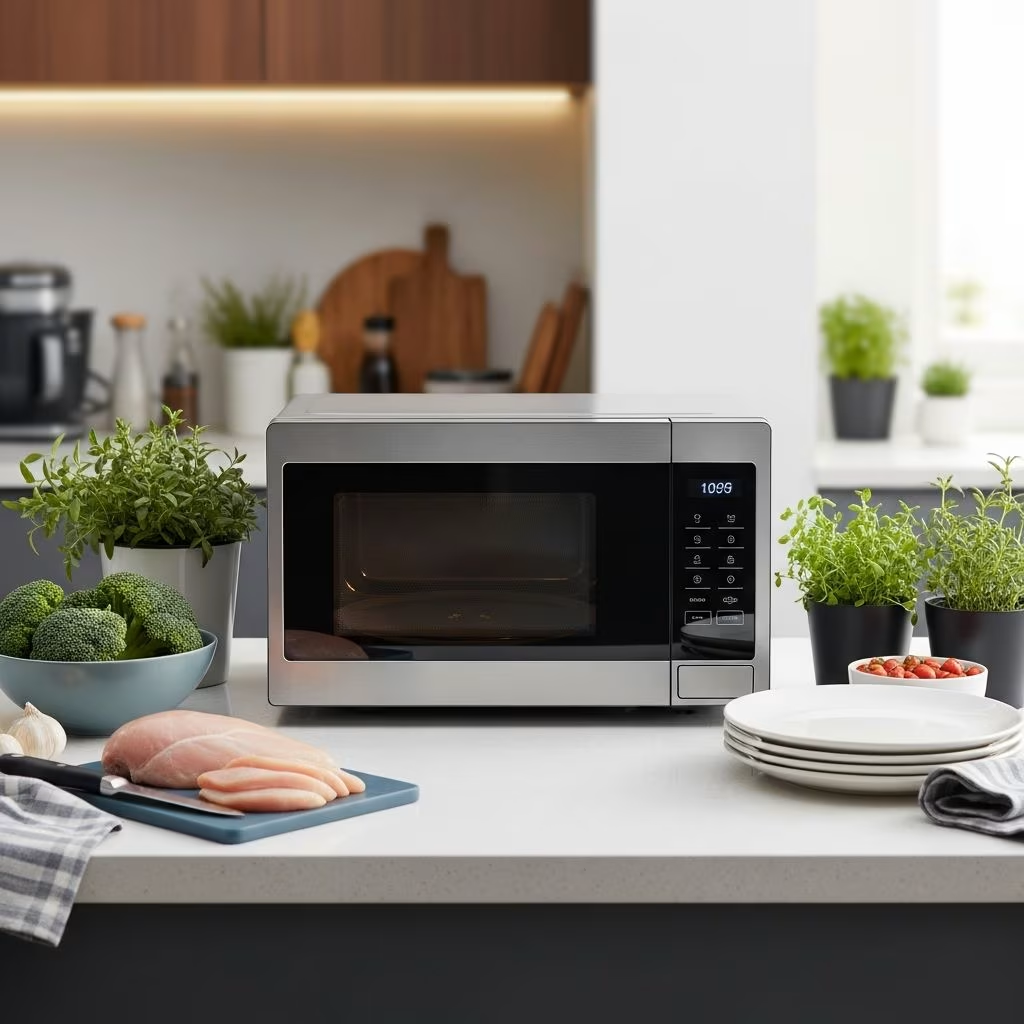
- Countertop Models: Most popular and versatile, these sit on kitchen counters and come in various sizes. They offer flexibility for renters or those with limited built-in space.
- Over-the-Range (OTR) Units: Mounted above stoves, they save counter space and often include exhaust fans. Ideal for compact kitchens but require professional installation.
- Built-In Microwaves: Integrated into cabinetry for a seamless look. They demand precise measurements and are pricier.
- Drawer or Compact Models: Space-saving options for under-counter placement or small apartments, perfect for quick tasks like popcorn or beverages.
| Type | Best For | Price Range | Space Needs |
|---|---|---|---|
| Countertop | Versatility, easy move | $60-$500 | Counter space |
| OTR | Space-saving, ventilation | $200-$1000+ | Above stove |
| Built-In | Custom kitchens | $300-$1200 | Cabinet fit |
| Drawer | Minimalist setups | $400-$900 | Under counter |
Key Factors in Microwave Selection
Capacity and Size Considerations
Internal capacity, measured in liters or cubic feet (typically 0.7 to 2.2 cu ft or 17-30L), determines how much food fits inside. For singles or couples, 0.7-1.1 cu ft suffices; families need 1.2+ cu ft. Always check external dimensions: midsize units are about 20-21 inches wide and 18 inches deep. Usable space is roughly 50% of claimed capacity due to turntable and shape constraints.
Power and Wattage Explained
Wattage ranges from 600-1200 watts, with 1000-1200 ideal for even, fast cooking. Higher watts mean quicker results, but adjust times for lower-powered models. Most recipes assume 800+ watts. Look for variable power levels for delicate tasks like defrosting.
Essential Features to Prioritize
- Turntable vs. Flatbed: Traditional rotating turntables ensure even heating; flatbeds offer more space and easier cleaning but may need stirring.
- Sensor Cooking: Automatically detects steam to adjust time, perfect for popcorn or veggies.
- Defrost and Reheat Settings: Programmable for weight or food type, preventing partial cooking.
- Inverter Technology: Delivers consistent power for better results with delicate foods.
- Racks and Accessories: Allow multi-level cooking if capacity permits.
Ventilation and Placement Tips
Ensure 15cm clearance above and behind for airflow. Avoid placing items on top if vents are there. Heating categories (A-E) indicate power efficiency; higher is better for intensive use.
Pricing and Budget Guidance
Countertops start at $60 for basic models, up to $500 for feature-rich ones. OTRs range $200-$1000+. Factor in longevity: quality units last 10 years with proper use. Balance budget with needs—don’t overspend on unused smart features.
Daily Usage: Best Practices
To maximize efficiency:
- Use microwave-safe containers: glass, ceramic, paper. Avoid metal or foil.
- Cover food to retain moisture and prevent splatters.
- Stir midway for even heating, especially irregular shapes.
- Adjust power for uneven foods; cold spots are normal, not a defect.
For defrosting, use sensor modes. For steaming veggies, add minimal water to preserve nutrients.
Busting Microwave Myths
Microwaves are surrounded by misinformation. Here’s the truth:
- Myth: Microwaves make food radioactive. Fact: They use non-ionizing radiation, too low-energy to alter food atoms. Safe like radio waves.
- Myth: Microwaved food loses more nutrients. Fact: Shorter cook times retain vitamins better, especially without excess water.
- Myth: Uneven heating means it’s broken. Fact: Due to food shape, density, or container—not malfunction.
- Myth: Plastic containers leach chemicals. Fact: Use labeled ‘microwave-safe’ plastics; they withstand heat without melting or releasing toxins.
Safety Protocols Every User Should Know
Follow these to prevent accidents:
- Never operate empty or with metal inside.
- Keep away from children; use child-lock features.
- Ensure door seals are intact; faulty latches require service.
- Clean regularly to avoid fire hazards from grease buildup.
- Allow cooling before moving.
Maintenance and Cleaning Routines
Weekly wipe-downs with mild soap extend life. For turntable models, remove and wash glass plate. Steam clean interiors with water and lemon for grease. Check vents for blockages. Most warranties cover 1-5 years; register promptly.
Brand Reliability and Longevity
Reputable brands like those tested by Consumer Reports offer consistent performance. Prioritize energy efficiency and user reviews for controls. Expect 7-10 years of service with care.
FAQs
What wattage microwave is best for a family?
1000-1200 watts for quick, even cooking of larger portions.
Can I install an OTR microwave myself?
Professional installation recommended for safety and venting.
Does a higher price mean better quality?
Not always; focus on wattage, capacity, and features over brand hype.
Are microwaves safe for baby food?
Yes, but stir well and test temperature to avoid hot spots.
How do I measure for a new microwave?
Account for external dimensions plus 2-4 inches clearance.
Advanced Tips for Microwave Mastery
Leverage presets for popcorn (avoids burning) and pizza reheating. For baking, use crisp pans if available. Experiment with power levels: 50% for gentle simmering. Combine with other appliances—microwave veggies then sear in a pan for hybrid meals.
Energy savings: Microwaves use less power than ovens for small tasks, cutting bills.
References
- Guide to Buying a Microwave Oven — Cooks Warehouse. 2023. https://cookswarehouse.com/blog/guide-to-buying-a-microwave-oven-selecting-the-perfect-appliance-for-your-family/
- A Buyer’s Guide to Microwaves — Aeno. 2024. https://aeno.com/blog/a-buyers-guide-to-microwaves-main-types-and-best-features/
- The Top Five Myths about Microwave Cooking — University of Wisconsin-Madison GROW Magazine. 2018-01-01. https://grow.cals.wisc.edu/deprecated/five-things/the-top-five-myths-about-microwave-cooking
- Microwave Buying Guide — Consumer Reports. 2025. https://www.consumerreports.org/appliances/microwave-ovens/buying-guide/
- Microwave Buying Guide — AJ Madison. 2024. https://www.ajmadison.com/learn/cooking/buying-guide/microwave-buying-guide/
- Microwave Buying Guide Video — Consumer Reports. 2023. https://www.consumerreports.org/video/view/appliances/kitchen/1916136347/microwave-buying-guide/