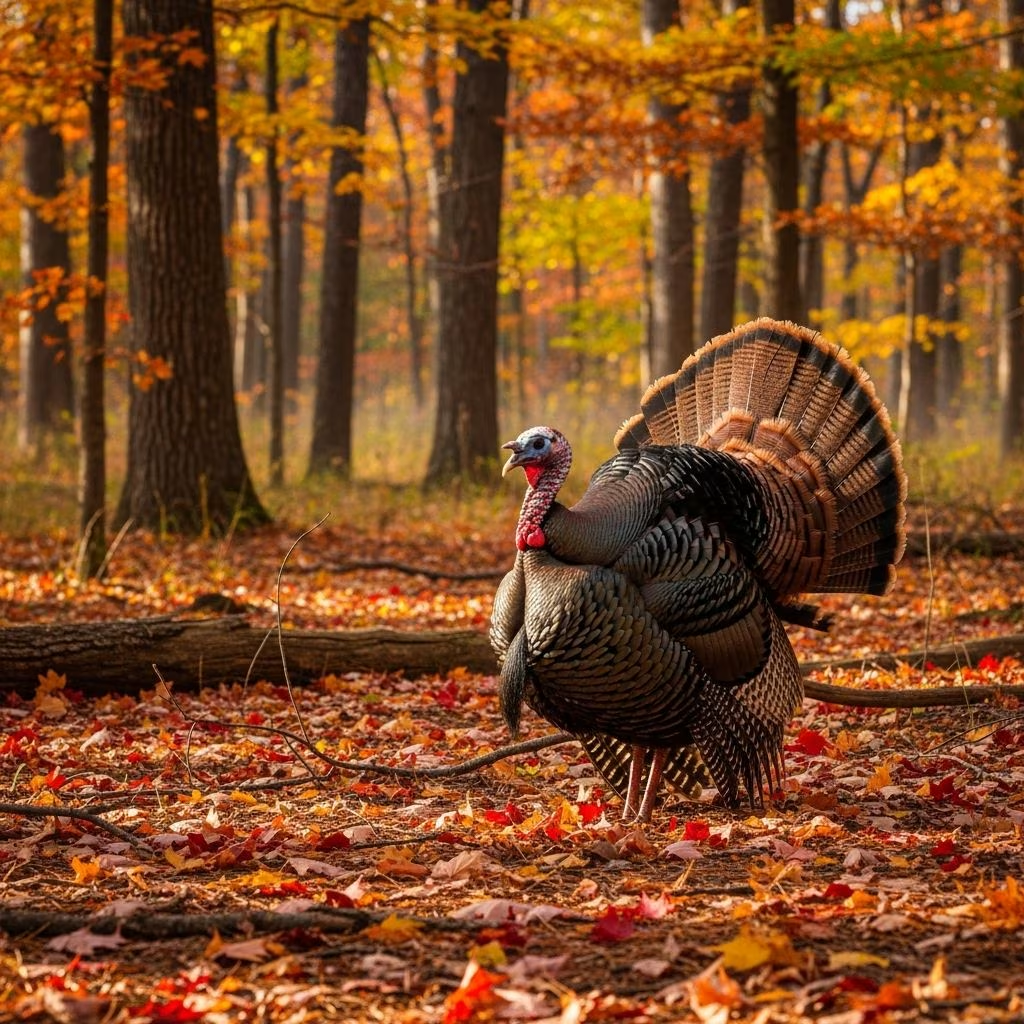
The Upper Midwest has cultivated a distinctive approach to preparing turkey that has been passed down through generations of families gathered around holiday tables. This regional technique emphasizes simplicity, quality ingredients, and a time-honored method that consistently delivers remarkable results. The foundation of this approach rests on understanding how to maximize moisture retention while developing rich, golden exterior browning—a balance that many home cooks struggle to achieve.
Understanding the Regional Significance
Michigan’s culinary traditions reflect the state’s agricultural heritage and the practical wisdom of communities that have celebrated seasonal gatherings for centuries. The turkey preparation method associated with this region has become synonymous with reliability and exceptional flavor development. What distinguishes this approach from other poultry cooking techniques is its emphasis on strategic fat placement and controlled moisture management throughout the cooking process.
This cooking philosophy emerged from kitchens where home cooks needed to produce consistently excellent results without complicated techniques or specialized equipment. The method relies on fundamental principles of heat transfer and protein structure, combined with an understanding of how fat distributes moisture throughout poultry during the roasting process.
Essential Equipment and Preparation
Before beginning the cooking process, assembling the proper equipment ensures smooth execution and optimal results. A large roasting pan or Dutch oven serves as the foundation for this cooking method, providing adequate space for the bird and allowing for proper heat circulation. The vessel should be deep enough to accommodate the turkey comfortably while leaving room for steam circulation and basting liquid.
A reliable meat thermometer becomes an indispensable tool for monitoring internal temperatures and determining when the bird has reached the ideal doneness level. Aluminum foil serves a dual purpose in this technique—initially trapping steam for even cooking, then being removed to allow final browning. Having quality kitchen utensils, including tongs and a sturdy basting tool, facilitates the entire process without frustration.
Initial Bird Preparation
Beginning with a properly prepared turkey establishes the foundation for success. Remove the bird from refrigeration and allow it to rest at room temperature for approximately thirty minutes before cooking begins. This equilibration process promotes more even heat penetration throughout the meat during roasting. Thoroughly rinse the turkey under cool running water, paying particular attention to the interior cavity, then pat completely dry with paper towels. Moisture on the skin can interfere with proper browning, so this drying step proves crucial.
Inspect the cavity and remove any giblets or neck pieces, which can be reserved for making gravy or broth if desired. Some cooks prefer to discard these components entirely. The choice depends on personal preference and intended use of cooking byproducts.
The Signature Butter Technique
The cornerstone of Michigan’s turkey tradition centers on strategic butter placement beneath the skin of the breast meat. This technique represents a departure from simply applying butter to the exterior surface, instead working to maximize moisture distribution where it matters most. The breast, being naturally lean compared to darker meat portions, benefits tremendously from this interior fat application.
Applying Butter Under the Skin
Begin by gently separating the turkey skin from the breast meat, working carefully to create small pockets without tearing the delicate skin membrane. Work your fingers slowly between the skin and meat, creating space for butter distribution on both sides of the breast. This step requires patience and a gentle touch to preserve skin integrity.
Divide your butter allocation equally between the two sides of the breast, placing approximately three tablespoons on each side directly between the skin and meat. Press the skin back down gently to distribute the butter across the breast surface. This positioning ensures that as the butter melts during cooking, it continuously bastes the lean breast meat from within, preventing the dryness that commonly affects poultry.
The remaining butter can be applied to the exterior surface of the turkey or incorporated into a compound butter mixture if adding herbs or other seasonings. Some variations of this recipe include maple syrup, fresh sage, rosemary, and thyme mixed with softened butter for additional flavor complexity.
Seasoning and Flavoring Components
Broth-Based Basting Liquid
The cooking liquid plays an essential role in this preparation method, providing both moisture and flavor infusion throughout the roasting process. A fundamental liquid consists of warm water combined with chicken bouillon powder, creating a savory base that enhances the turkey’s natural flavors without overwhelming its delicate taste profile.
| Component | Quantity | Purpose |
|---|---|---|
| Warm Water | 4 cups | Primary liquid base |
| Chicken Bouillon Powder | 3 tablespoons | Umami and savory depth |
| Dried Parsley | 2 tablespoons | Herbaceous notes |
| Dried Minced Onion | 2 tablespoons | Aromatic complexity |
| Seasoning Salt | 2 tablespoons | Flavor enhancement |
Combine these ingredients in a medium bowl, stirring until the bouillon powder dissolves completely and the dried herbs rehydrate slightly. Some cooks enhance this liquid further by adding garlic powder, additional herbs, or even a splash of apple cider for increased depth. Pour this mixture over the prepared turkey immediately before roasting, ensuring adequate liquid reaches the bottom of the roasting pan.
The Roasting Process
Temperature Control and Timing
Preheat your oven to 350 degrees Fahrenheit, allowing it to reach a stable temperature before introducing the bird. This moderate temperature promotes steady, even cooking without rushing the process or risking exterior burning before the interior reaches safe temperatures.
Place the prepared turkey in your roasting pan and cover it loosely with aluminum foil. This covering traps steam around the bird, creating a self-basting environment that continuously bathes the turkey in moist heat. The foil serves as an insulating layer that prevents premature browning while the interior reaches the target temperature.
Estimate cooking time at approximately 3.5 to 4 hours for a 12-pound bird, though individual oven variations and specific bird size may require adjustments. A general guideline suggests approximately 15-20 minutes per pound, though relying solely on time can prove unreliable. Using a meat thermometer provides definitive confirmation of doneness.
Achieving Optimal Browning
Approximately 45 minutes before the projected cooking completion time, carefully remove the aluminum foil. This timing allows sufficient time for the exterior to develop rich, mahogany-colored browning while the interior continues cooking to safe temperatures. The steam that has accumulated beneath the foil escapes, creating conditions for the skin to crisp and brown beautifully.
The final browning phase proves crucial for achieving the traditional appearance and textural contrast between the crispy exterior and moist interior. Monitor the browning progress during this final phase, rotating the roasting pan if your oven has hot spots that cause uneven browning.
Determining Doneness
Relying exclusively on visual cues or cooking time produces inconsistent results. Instead, employ a meat thermometer to verify that the turkey has reached safe internal temperatures. Insert the thermometer into the thickest part of the thigh without touching bone, where the temperature should reach 175-180 degrees Fahrenheit. The breast meat should register 165 degrees Fahrenheit for food safety assurance.
When these temperature targets are achieved, remove the turkey from the oven and allow it to rest undisturbed for 20-30 minutes. This resting period permits the internal juices to redistribute throughout the meat, resulting in superior moisture retention when carving. Skipping this crucial step often results in excessive juice loss during carving.
Recipe Variations and Modern Adaptations
Contemporary versions of this traditional recipe incorporate additional flavor elements while maintaining the core technique. Compound butters featuring maple syrup, fresh herbs like sage and rosemary, and other seasonings provide sophisticated flavor profiles. Some preparations include aromatic vegetables in the cavity—quartered onions, Granny Smith apples, carrots, and celery—which perfume the interior while infusing subtle flavors into the meat.
Apple cider added to the basting liquid creates a subtle sweetness and additional acidity that complements the poultry beautifully. These variations respect the fundamental technique while expanding the flavor possibilities according to personal preferences and available ingredients.
Serving and Pairing Suggestions
Michigan’s turkey tradition pairs naturally with classic side dishes that highlight regional agricultural bounty. Creamy mashed potatoes provide textural contrast and absorb pan drippings transformed into gravy. Roasted root vegetables—including carrots, parsnips, and turnips—echo the earthy flavors of the basting liquid. Cranberry sauce with its bright acidity offers palate cleansing between rich bites of turkey and butter-laden accompaniments.
Consider serving this turkey alongside traditional dressing or stuffing recipes that incorporate the flavorful pan drippings into their preparation. The combination of well-executed turkey with complementary sides creates a memorable celebration meal that honors culinary tradition while satisfying contemporary palates.
Troubleshooting Common Challenges
Dry Breast Meat: Insufficient butter under the skin or premature foil removal causes moisture loss. Ensure adequate butter placement and maintain foil coverage until the appropriate browning phase.
Uneven Cooking: Oven temperature variations or improper rack positioning can cause some areas to cook faster than others. Monitor the bird periodically and rotate the roasting pan if necessary. Using an oven thermometer helps verify actual temperature against dial readings.
Insufficient Browning: Lower oven temperatures or extended foil coverage time prevent proper exterior browning. Increase the oven temperature slightly in the final phase or allow additional browning time after foil removal.
Burning or Excessive Browning: Oven temperatures running hot or extended uncovered cooking times create over-browning. Tent loosely with foil if browning proceeds too rapidly, and verify oven temperature accuracy with a separate thermometer.
Frequently Asked Questions
Can this method work for smaller turkey portions or whole birds under 12 pounds? Yes, adjust cooking time proportionally—smaller birds require less time. Verify doneness using a meat thermometer rather than relying on estimated cooking times alone.
How far in advance can I prepare the turkey? You can prepare the turkey up to 24 hours before roasting. Keep the prepared bird refrigerated, then allow it to come to room temperature 30 minutes before placing it in the oven.
What should I do with pan drippings after cooking? Strain the drippings through cheesecloth to remove solids, then use the flavorful liquid as a foundation for gravy or sauce. The fat that rises to the surface can be reserved for basting vegetables or other culinary applications.
Can I make this recipe with a fresh versus frozen turkey? Both work equally well with this method. Ensure that frozen turkeys are completely thawed before cooking. Thawing in the refrigerator requires approximately 24 hours for every 4-5 pounds of bird weight.
Conclusion: Honoring Culinary Tradition
The Michigan approach to turkey preparation represents more than simply following cooking instructions—it embodies generations of culinary wisdom refined through repetition and family celebration. By understanding the fundamental principles behind strategic butter placement, careful temperature management, and proper timing, any home cook can achieve remarkable results. This technique transforms a potentially challenging culinary project into an achievable goal that yields impressive outcomes, whether preparing turkey for intimate family dinners or large holiday gatherings. The combination of simplicity, reliability, and exceptional flavor makes this traditional method worthy of continued practice and celebration.
References
- United States Department of Agriculture Food Safety and Inspection Service — USDA FSIS. 2024. https://www.fsis.usda.gov/food-safety/safe-food-handling-and-preparation/poultry/turkey-preparation
- National Turkey Federation Cooking Guidelines — National Turkey Federation. 2024. https://www.eatturkey.com/cooking-and-preparation
- Food and Cooking Science Principles — McGee, Harold. On Food and Cooking: The Science and Lore of the Kitchen. Revised Edition. Scribner, 2004.