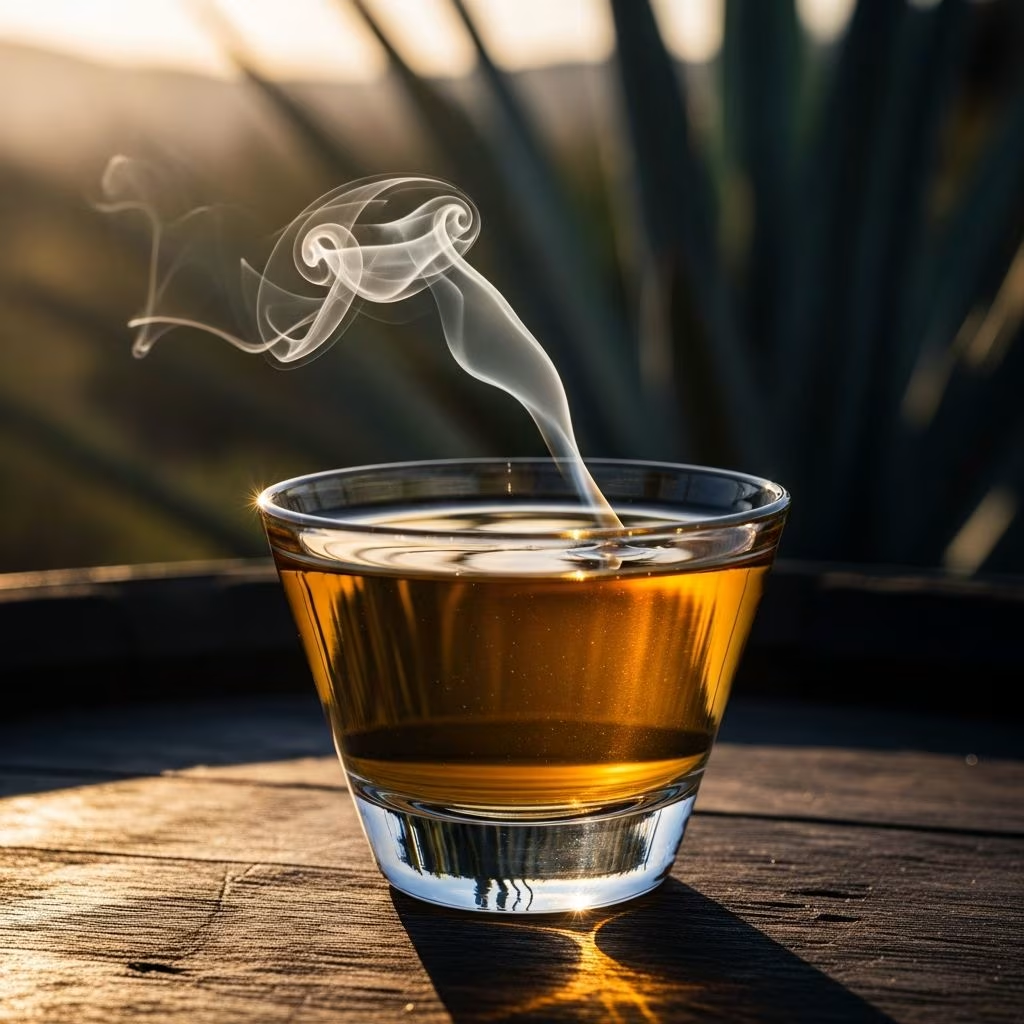
Mezcal stands out in the world of agave spirits for its distinctive smoky profile and artisanal heritage, offering a gateway to bold flavors that elevate both sipping and cocktail experiences. Derived from the Nahuatl term for “oven-cooked agave,” this spirit captures the essence of Mexico’s diverse landscapes and traditions.
Tracing Mezcal’s Ancient Origins
The story of mezcal intertwines indigenous knowledge with colonial influences, creating a beverage deeply embedded in Mexican culture. Long before European arrival, native peoples fermented agave sap into pulque, a low-alcohol drink revered in rituals by Aztec and Mayan leaders. This sacred elixir, reserved for priests, warriors, and nobles, marked agave’s spiritual significance, used in ceremonies from births to funerals.
Distillation transformed these traditions. In the 1500s, Filipino migrants via Manila galleons introduced clay pot stills to Mexico’s Pacific coast, initially for coconut liquor but soon adapted for agave. This fusion of pre-Columbian fermentation and Asian distillation techniques birthed mezcal around the late 16th century, spreading from regions like Oaxaca and Guerrero.
Early accounts, such as Alexander von Humboldt’s 1803 observations, highlight mezcal’s potency, often produced clandestinely and noted for its sharp, whiskey-like bite. Spanish conquistadors, familiar with distillation from Moorish influences, experimented with agave to replicate Europe’s aguardiente, solidifying mezcal’s place in colonial life.
The Artisanal Craft Behind the Smoke
Mezcal’s production is a labor-intensive ritual that varies by region, emphasizing small-batch, handcrafted methods. It begins with harvesting mature agave plants—over 30 varieties like espadín, tobala, or arroqueño—whose piñas (hearts) are roasted in earthen pits lined with wood and hot stones. This underground cooking, lasting days, imparts the hallmark smokiness absent in unroasted spirits.
Post-roasting, piñas are crushed—traditionally by tahona stone mills, mallets, or modern shredders—then fermented in wooden vats or animal skins with natural yeasts, yielding a mash that ferments for 8-15 days. Double distillation in copper or clay pot stills concentrates flavors, resulting in a spirit ranging from 40-55% ABV.
Oaxaca dominates production (90%+), but states like Durango, Guerrero, and San Luis Potosí contribute unique expressions. Certified mezcal must adhere to strict norms from Mexico’s Tequila Regulatory Council successor, ensuring authenticity via NOM-070.
- Key Production Steps:
- Agave harvest at peak maturity (5-25 years).
- Piña roasting in conical pits for 3-5 days.
- Crushing and natural fermentation.
- Distillation in ancestral (clay/copper) or traditional methods.
Mezcal vs. Tequila: Understanding the Divide
While all tequilas are mezcals, not all mezcals are tequilas—a nuance rooted in geography and ingredients. Tequila hails exclusively from Jalisco and select areas, using only blue Weber agave, with industrial methods yielding cleaner, sweeter profiles.
| Aspect | Mezcal | Tequila |
|---|---|---|
| Agave Types | 30+ varieties | Blue Weber only |
| Roasting | Earth pits (smoky) | Steam ovens/ autoclaves |
| Production Regions | 9 Mexican states | Jalisco + limited zones |
| Flavor Profile | Smoky, earthy, vegetal | Clean, agave-forward |
| Certifications | NOM-070 | CRT (stricter) |
Mezcal’s wild diversity shines in categories like joven (unaged), reposado (2-12 months oak), and añejo (3+ years), with ancestral methods using exclusively clay stills.
Savoring Mezcal: Tasting and Pairing Essentials
Mezcal reveals layers through proper tasting: nose for smoke and florals, sip neat in a copita or jicara to feel earthiness and spice, exhale to catch lingering minerality. Traditional sal de gusano (worm salt) and orange slices cut richness, enhancing herbal notes.
Pair with tacos al pastor, chocolate, or oysters—its smoke complements bold, savory foods. Modern palates enjoy it chilled or room temperature, appreciating terroir-driven nuances from highland (floral) vs. lowland (herbaceous) agaves.
Mezcal’s Rise in Modern Cocktails
Bartenders prize mezcal for its versatility, infusing classics with smoke. From the Paper Plane (mezcal, Aperol, Amaro Nonino, lemon) to the Oaxaca Old Fashioned (mezcal, tequila, agave, bitters), it adds depth without overpowering.
Trends include espresso martinis with mezcal’s roastiness or tropical mules. Its rise mirrors craft spirit booms, fueled by mixology innovation and celebrity nods, positioning it as tequila’s edgier sibling.
Signature Mezcal Cocktails to Try
- Mezcal Margarita: Mezcal, lime, triple sec, agave—smoky twist on the classic.
- Tommy’s Mezcal Margarita: No triple sec; fresh lime and agave for purity.
- Mezcal Paloma: Mezcal, grapefruit soda, lime—refreshing and effervescent.
- Black Russian Mezcal: Mezcal, coffee liqueur, cola—bold nightcap.
Navigating the Mezcal Landscape: Buying Guide
Select bottles with DO (Denominación de Origen) labels listing agave type, state, and master distiller (maestro mezcalero). Entry-level espadín (~$40) suits cocktails; rare wild agaves ($100+) for sipping. Brands like Del Maguey or Ilegal showcase diversity.
Sustainability matters: overharvesting threatens wild agaves, so support regenerative producers. Batches vary due to natural processes, ensuring each pour is unique.
FAQs: Your Mezcal Questions Answered
What makes mezcal smoky?
The piñas are roasted in underground pits, caramelizing sugars and infusing smoke.
Is mezcal healthier than tequila?
No scientific evidence supports this; both are spirits with similar calories and effects when moderated.
Can vegetarians drink mezcal with the worm?
Most lack worms (a marketing gimmick); check labels. Sal de gusano uses ground cochineal insects.
How to store mezcal?
Upright in a cool, dark place; once opened, consume within months for peak flavor.
Best beginner mezcal?
Espadín joven from Oaxaca—balanced smoke without overwhelming intensity.
References
References
- Mezcal – Wikipedia — Wikipedia. 2023-10-01. https://en.wikipedia.org/wiki/Mezcal
- Spice up your cocktails with mezcal. Heck, make it the star! — Libation Lounge. 2023-09-04. https://libationlounge.com/2023/09/04/spice-up-your-cocktails-with-mezcal-heck-make-it-the-star/
- HISTORY | MEZCULTURE — Mezcalture. N/A. https://www.mezculture.com/history
- The History of Mezcal: A Journey Through Time and Tradition — Mezcal Campante. N/A. https://mezcalcampante.com/blogs/mezcal/the-history-of-mezcal-a-journey-through-time-and-tradition
- Mezcal: History and Production – Diageo Bar Academy — Diageo Bar Academy. N/A. https://www.diageobaracademy.com/en-us/home/explore-all-categories/mezcal
- What Is Mezcal? What’s the Difference Between Tequila & Mezcal? — The Crafty Cask. N/A. https://thecraftycask.com/craft-spirits-liqueurs/mezcal/
- Ultimate Mezcal 101 Guide: What is Mezcal? – Mezcalistas — Mezcalistas. N/A. https://www.mezcalistas.com/mezcal-101/